How to Work in Group Projects [Student Edition]

The Reality of University Group Projects
Group projects are a staple of the university experience. Whether you love them or hate them, they are designed to prepare you for the professional world where collaboration is the norm. However, we all know the common struggles: the silent team member, the overachiever who takes control of everything, and the confusion over who is doing what. Managing these dynamics while trying to maintain a high GPA requires more than just subject knowledge; it requires a strategy for communication and organization.
To succeed in a group project, the first step is setting a positive tone from the very beginning. Instead of waiting for someone else to step up, take the initiative to introduce yourself and establish a friendly rapport. When team members feel comfortable with one another, they are more likely to contribute ideas and admit when they are struggling with a specific task. This foundation of trust prevents many of the common pitfalls that lead to last-minute panicking before a deadline.
Defining Roles and Clear Objectives
One of the biggest reasons group projects fail is a lack of clarity. Without assigned roles, tasks often overlap or, worse, get completely ignored. During your first meeting, you should define what needs to be done and who is responsible for each part. Common roles include a project manager to track deadlines, a researcher to gather data, and an editor to ensure the final submission has a consistent voice. By playing to everyone's strengths, the workload becomes manageable and fair.
Setting internal deadlines is equally important. Never rely solely on the final submission date provided by your professor. Instead, create a timeline where drafts are due a few days early. This gives the group a buffer to review the work, catch errors, and ensure that the different sections flow together logically. It also reduces the stress of waiting for that one person who always submits their work at 11:59 PM.
Mastering Team Communication
In the digital age, communication is easier than ever, yet it remains a primary hurdle. Choose one primary channel for communication, such as WhatsApp, Slack, or Discord, and stick to it. Avoid fragmenting conversations across multiple platforms, as important information can easily get lost. Keep the tone professional but accessible, and make sure to acknowledge messages so your teammates know you are engaged.
Streamlining Your Study Workflow
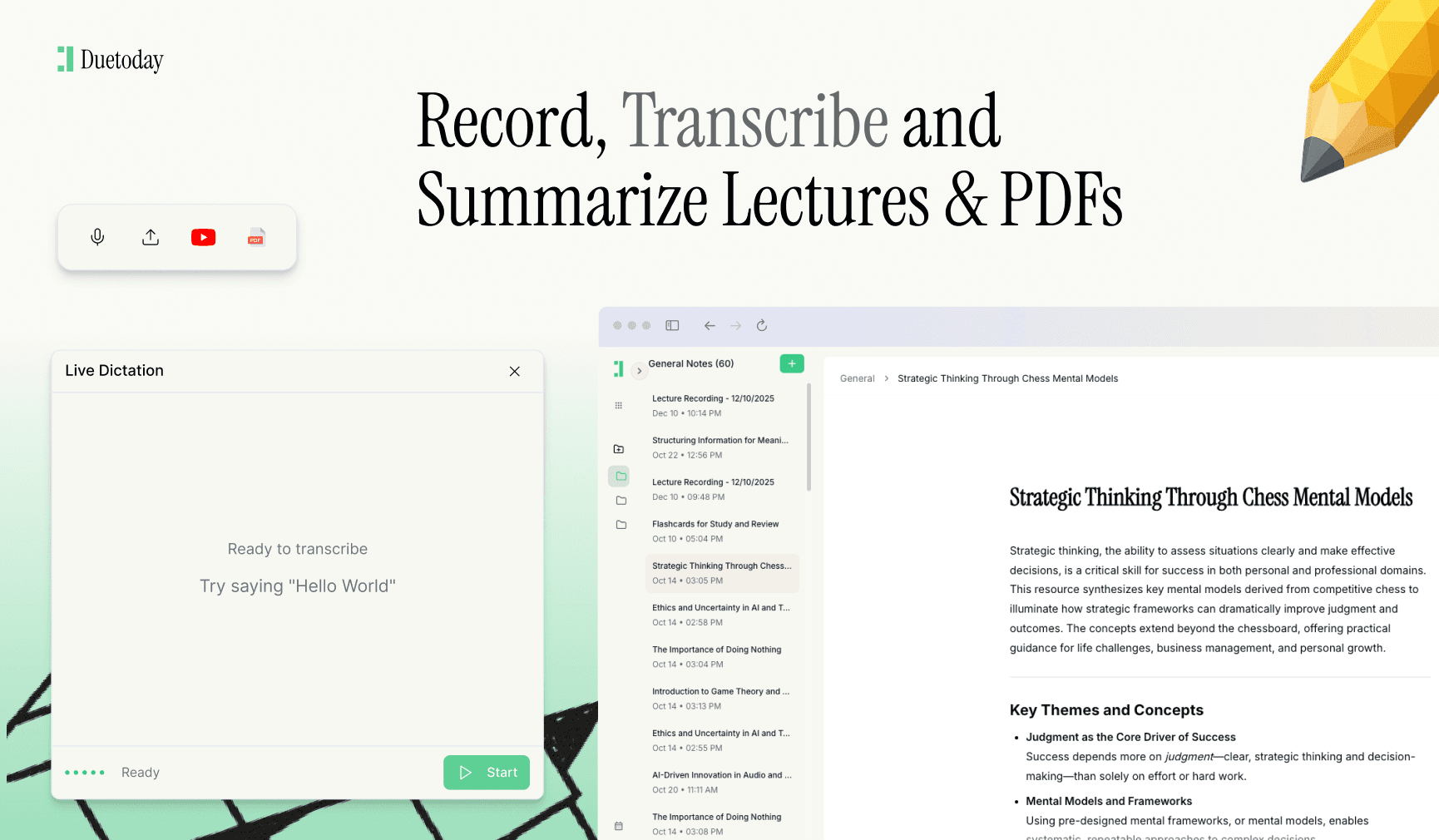
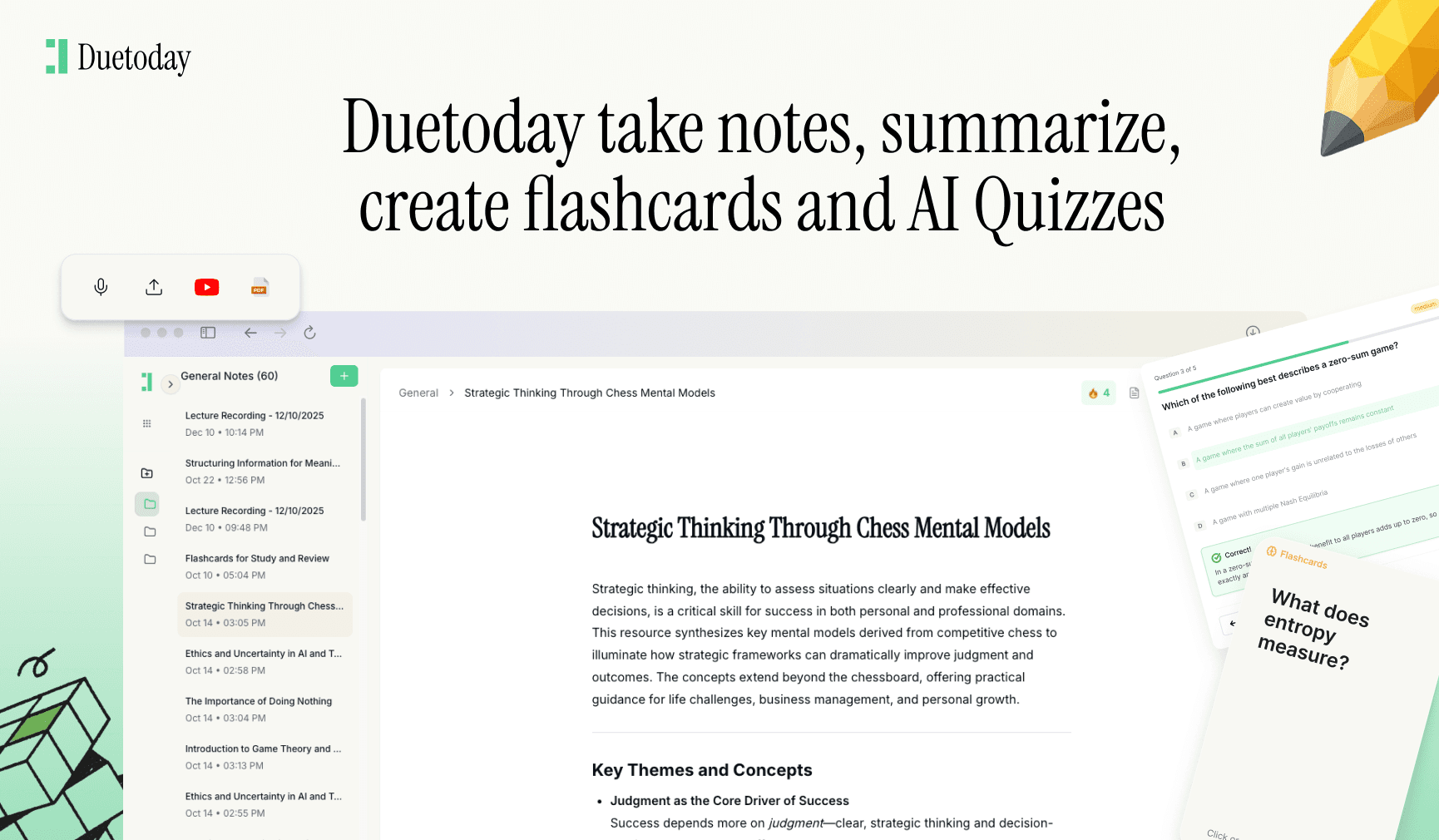
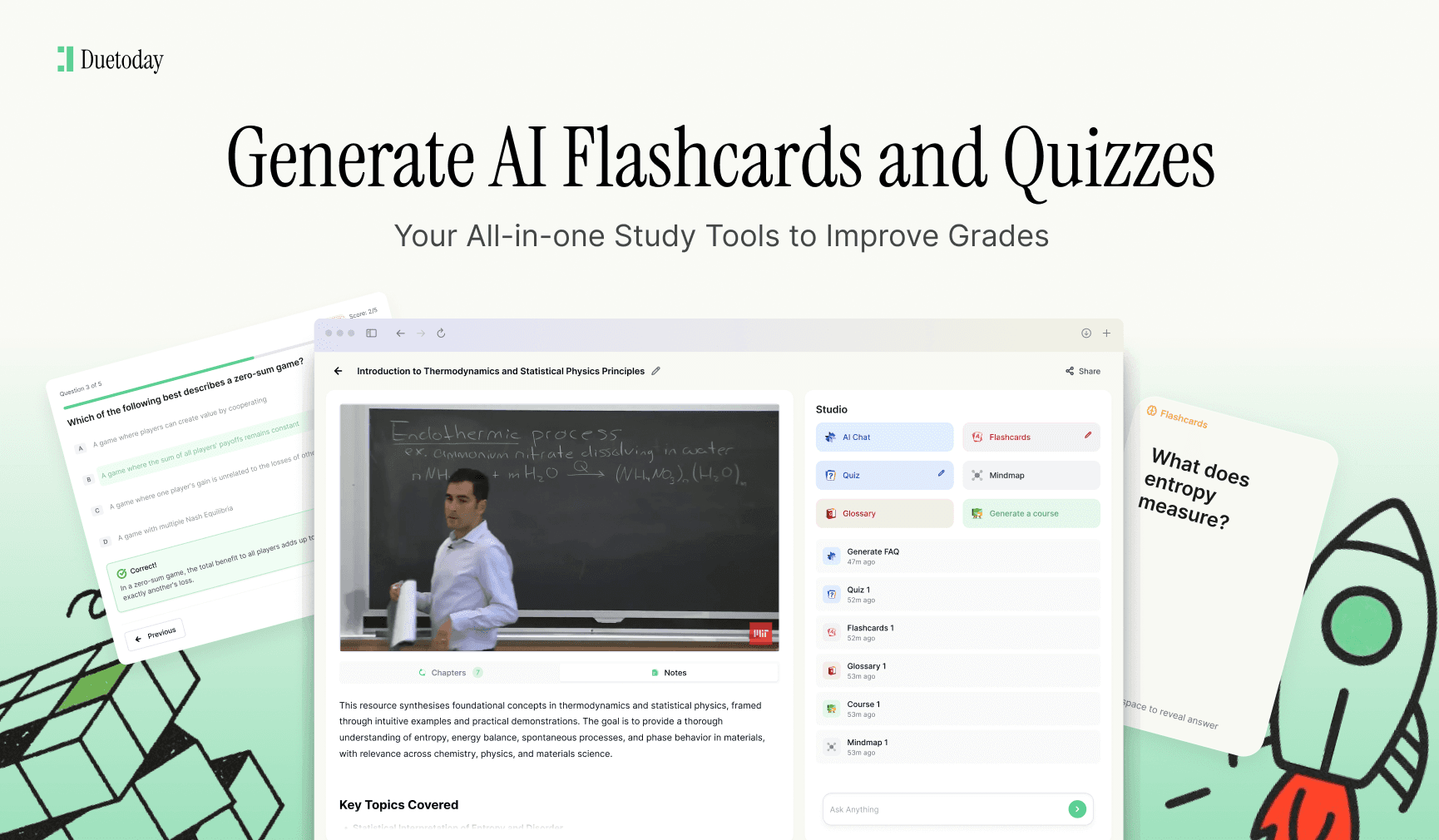
When you are juggling multiple group projects alongside your individual assignments, your personal study time becomes incredibly precious. This is where Duetoday AI comes in. Duetoday is an AI-powered learning platform that turns lectures, PDFs, and notes into summaries, flashcards, quizzes, and structured study tools automatically. It acts like a personalized AI tutor, helping students learn faster and stay organized without spending hours rewriting notes. By using Duetoday AI to handle your individual study load, you free up more mental energy to focus on collaborating effectively with your project teams.
Handling Conflict and Non-Contributors
Inevitably, you may encounter a situation where a team member is not pulling their weight. The key is to address the issue early and directly but with empathy. Instead of jumping to accusations, ask if they need help or if they are unclear on their assigned tasks. Sometimes, a simple check-in is enough to get someone back on track. If the behavior persists, keep a record of your attempts to contact them. Most professors prefer that you try to resolve internal issues yourself, but having a paper trail is essential if you eventually need to involve faculty to ensure your grade isn't unfairly penalized.
Reviewing and Polishing the Final Product
A common mistake in group projects is submitting a 'Frankenstein' paper—a document where every section looks and feels like it was written by a different person. To avoid this, dedicate the final phase of the project to synthesis. One or two members should take the lead on editing the entire document to ensure a consistent tone, formatting, and citation style. Reading the project aloud can help identify awkward transitions between sections that were written by different people. This final polish often makes the difference between a mid-range grade and an outstanding one.
Lastly, take a moment to reflect on the process once the project is submitted. What worked well? What could have been handled better? These soft skills are just as valuable as the grade itself. Learning how to navigate different personalities and work styles will serve you well long after you graduate from university. Group projects are tough, but with the right mindset and tools, they are entirely manageable.
How do I deal with a teammate who does not respond?
Try reaching out via a different platform first. If there is still no response after 24-48 hours, send a polite message stating that the group needs to move forward with the task and ask if they are still able to contribute their part by the internal deadline.
What are the best tools for group collaboration?
Google Workspace is excellent for real-time document editing. For communication, Slack or Discord works well for keeping threads organized. For task management, simple tools like Trello or even a shared Google Keep list can keep everyone on the same page.
Should we report a 'slacker' to the professor?
This should be your last resort. Only involve your professor if you have tried multiple times to engage the student and they have failed to meet critical deadlines, potentially harming the group's overall grade.
How can we ensure our writing style is consistent?
Assign one or two people to act as final editors. Their job is not necessarily to change the content, but to harmonize the tone and ensure the formatting and citations are uniform across all sections.