How to Manage Time in Exams Effectively
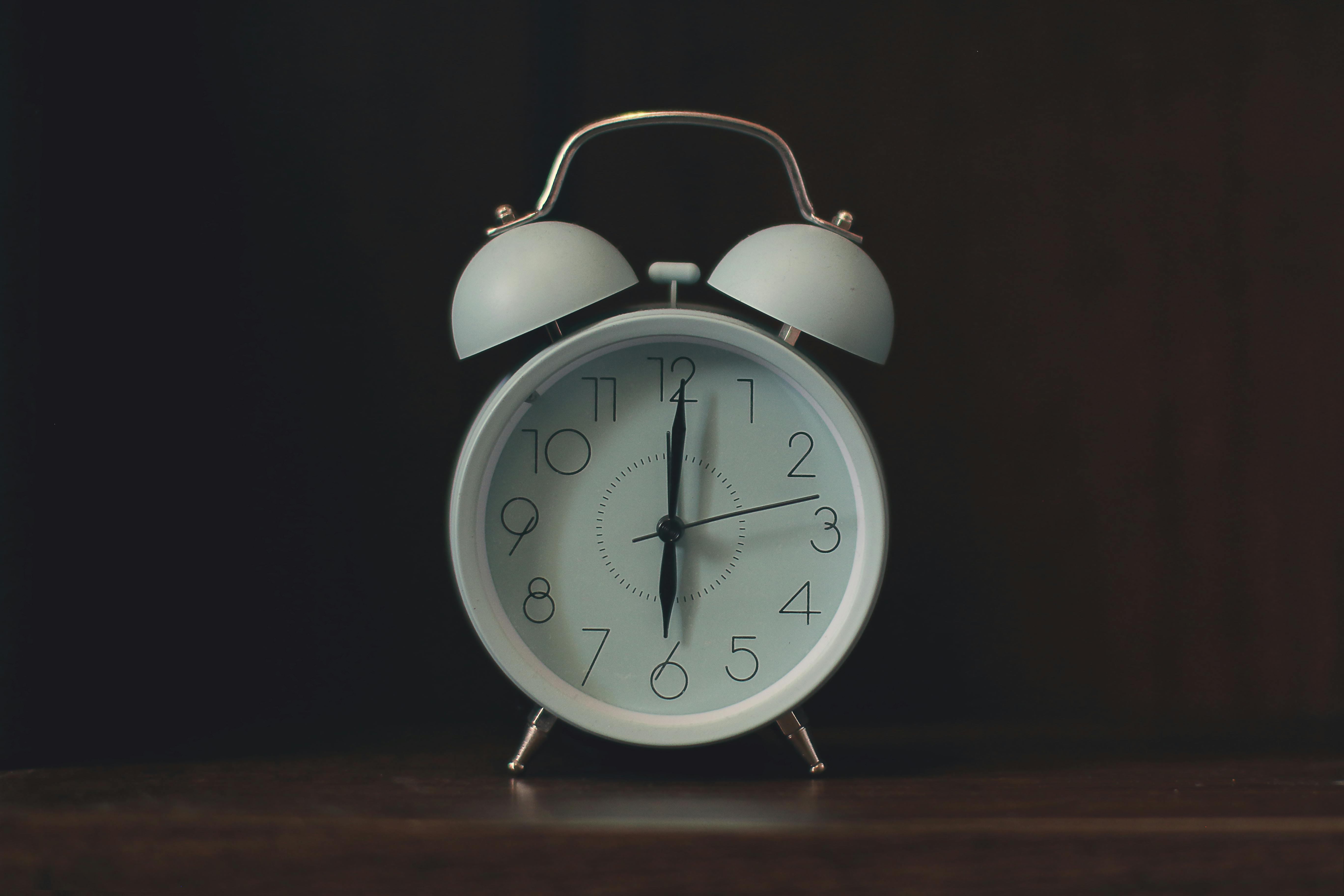
Mastering the Clock During University Exams
University exams are often less about what you know and more about how you manage the limited time available to show that knowledge. Many brilliant students see their grades slip simply because they spent forty minutes on a ten-mark question and ran out of time for the final essay. Effective time management is a skill that can be developed with the right approach and mindset. This guide explores how you can audit your time before the paper even starts and ensure you are crossing the finish line with minutes to spare.
The first step in managing your time is understanding the structure of your paper. Every exam has a weightage system. If you enter the hall without a plan, you are likely to fall into the trap of writing too much for the introductory questions. Before you write a single word, spend three to five minutes scanning the entire paper. Calculate how much time you can afford to spend per mark. For example, in a three-hour exam worth 100 marks, you have roughly 1.8 minutes per mark. By allocating slabs of time to specific sections, you create a mental roadmap that prevents panic later on.
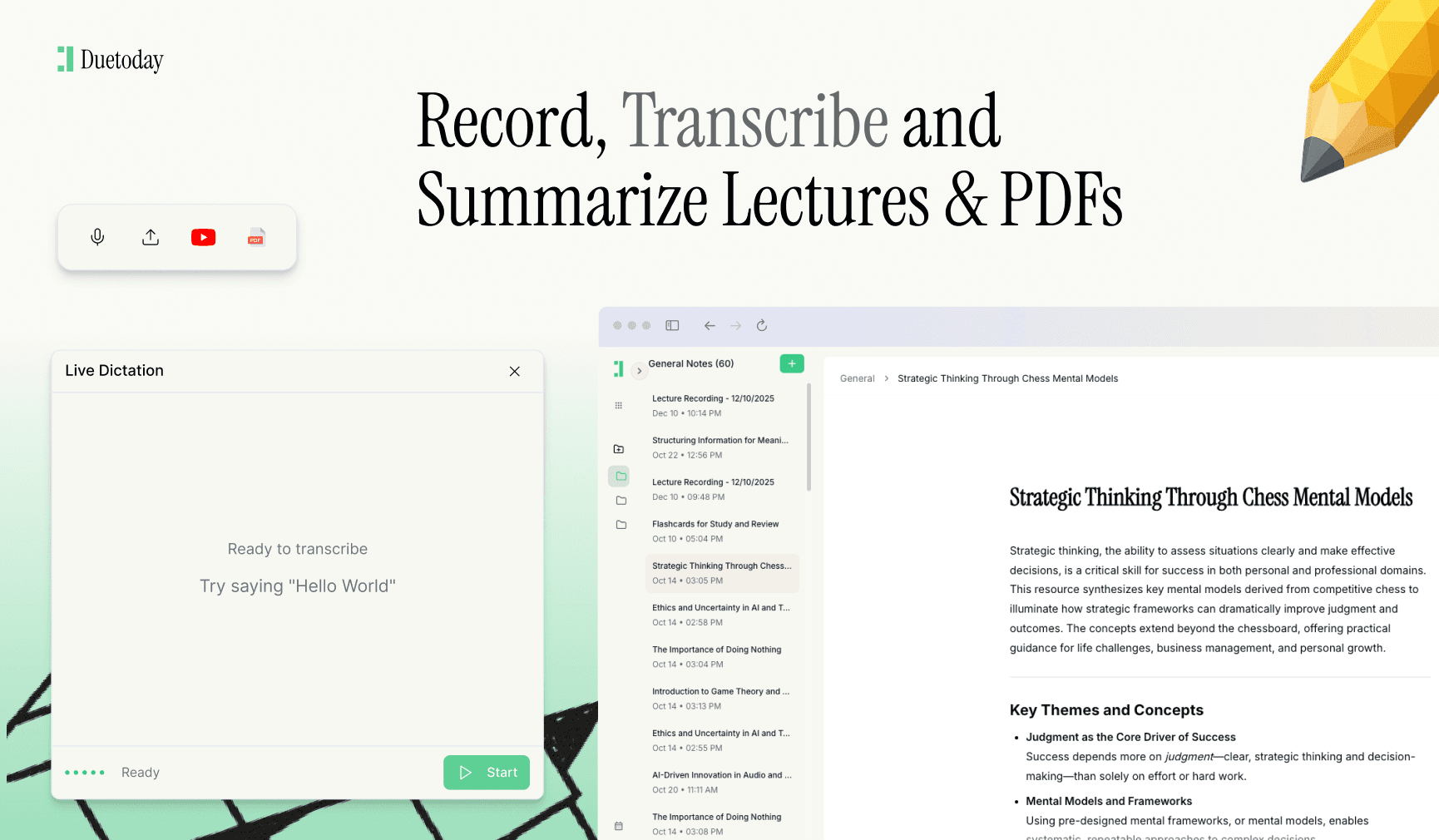
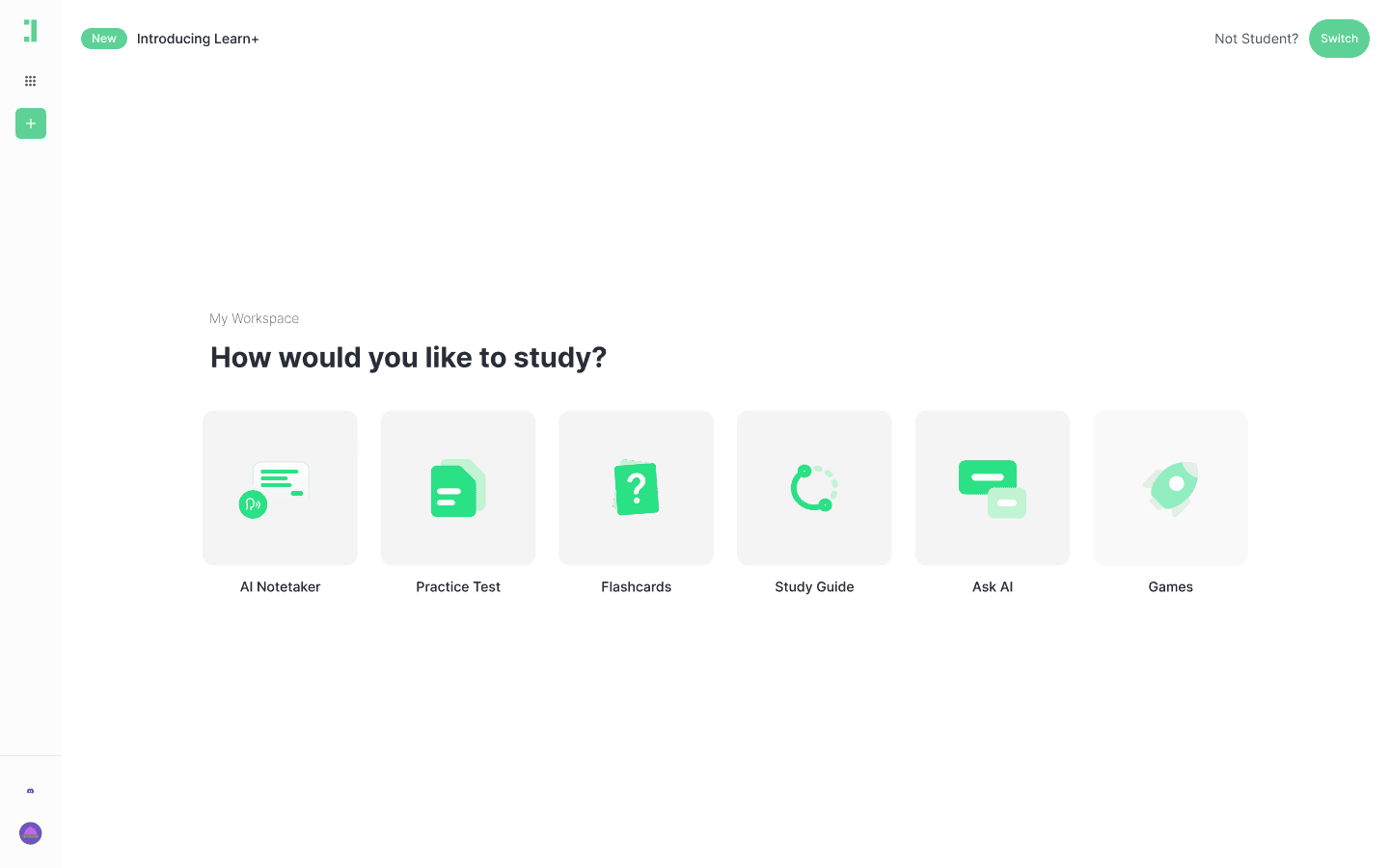
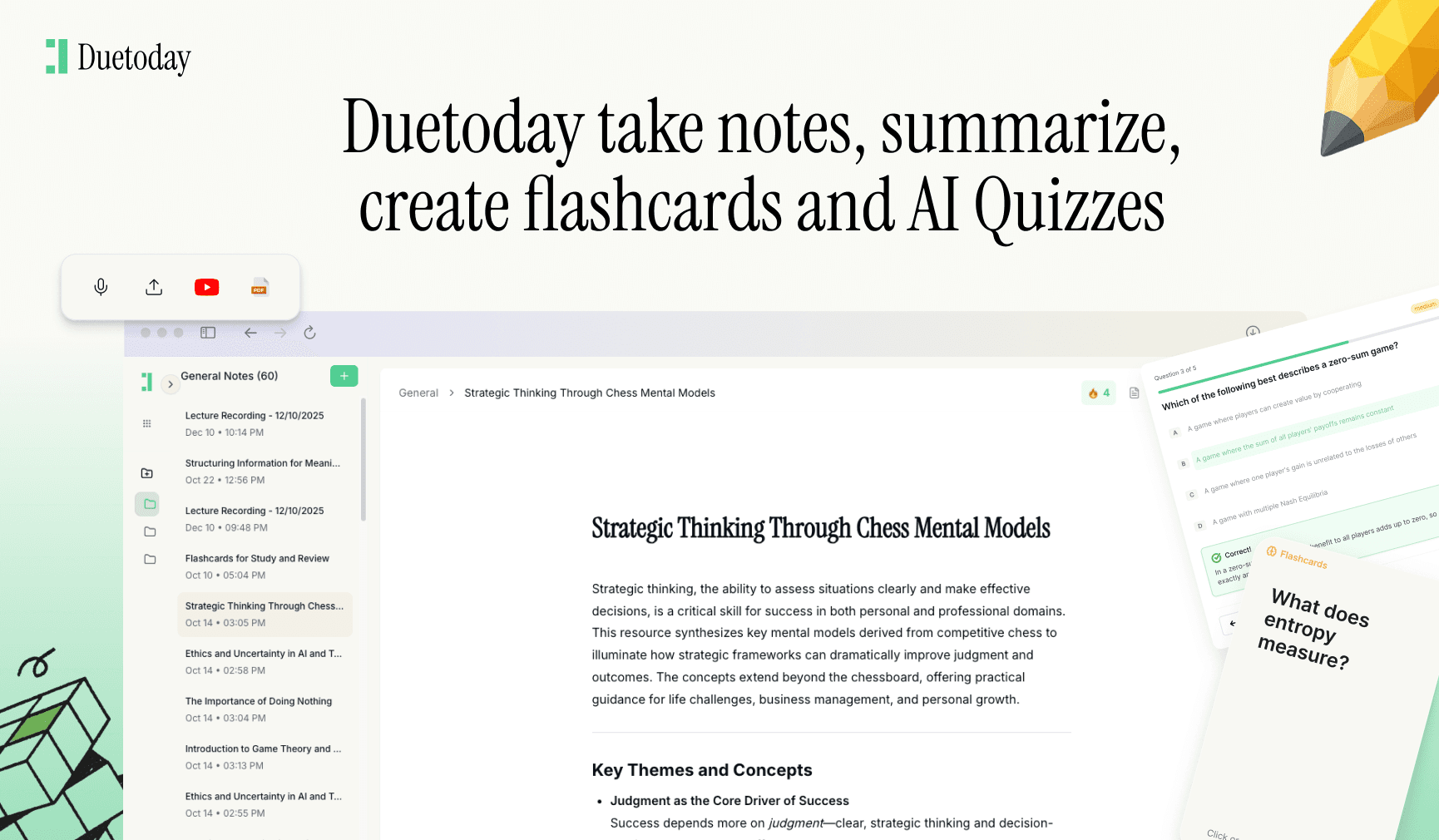
Preparing for these high-stakes moments starts weeks before the actual date. While traditional rewriting of notes is slow and often ineffective, modern tools have changed the game for university students. Duetoday AI is an AI-powered learning platform that turns lectures, PDFs, and notes into summaries, flashcards, quizzes, and structured study tools automatically. It acts like a personalized AI tutor, helping students learn faster and retain information without spending hours on manual prep. By using Duetoday AI to streamline your revision, you enter the exam room with a clearer head, allowing you to focus entirely on your time management strategy rather than struggling to recall basic facts.
The Reading Time Strategy
Most university exams provide ten to fifteen minutes of reading time. This is the most underrated part of the examination process. Instead of just reading the questions, use this time to select which elective questions you will answer. Plan the outline of your long-form essays in your head or with invisible marks. If you can decide on your arguments during the reading period, your pen will move much faster once the timer starts. Use this window to identify which questions look ‘trap-like’—those that seem easy but require extensive data or complex calculations that could eat up your time.
The 80/20 Rule for Exam Success
In most exams, 80% of your marks often come from 20% of the content, or specifically, from the major essay questions. If you find yourself stuck on a difficult multiple-choice question, move on immediately. A common mistake is ‘sunk cost’ thinking, where a student feels they must solve a problem because they have already spent three minutes on it. In reality, that time is gone, and spending another three minutes is just stealing from your future self who needs to write the conclusion of a major essay. Mark the question with a small circle and return to it only if you have a buffer at the end of the session.
Another vital technique is the 'Timed Writing' method. If you have thirty minutes for an essay, set a hard limit at twenty-five minutes. This extra five-minute buffer across four or five questions gives you a massive twenty-minute safety net at the end of the exam. You can use this time to check for spelling errors, ensure your citations are correct, or add that one extra piece of evidence that pushes a grade from a 2:1 to a First. Never leave the exam hall early; that extra time is a gift for self-correction.
Maintaining Physical and Mental Tempo
Time management isn't just about the clock; it is about your biology. If your energy dips, your cognitive processing slows down, meaning it takes you longer to read and interpret questions. Stay hydrated and try to maintain a steady pace of writing. If you feel panic rising, which is a notorious time-thief, stop for thirty seconds. Deep breathing resets your nervous system and allows you to return to the paper with a focused mind. A thirty-second break is more efficient than spending ten minutes staring at a page in a state of 'brain fog'.
Finally, practice under exam conditions. You cannot expect to manage three hours of intense pressure if you have only ever studied in twenty-minute bursts with your phone nearby. Set a timer, sit in a quiet room, and do a past paper from start to finish. This builds the muscle memory of writing continuously and helps you gauge exactly how much you can write in a given timeframe. By the time the actual exam arrives, your internal clock will be finely tuned to the demands of the paper.

How do I stop spending too much time on one question?
Set a strict time limit based on the marks allocated to that question. Once time is up, leave a gap and move to the next one; you can return later if you finish early.
What should I do if I realize I am running out of time?
Switch to bullet points for the remaining sections. Examiners often award marks for the correct points and structure even if the prose is not fully developed.
Is it better to answer easy or hard questions first?
Generally, it is better to answer the questions you are most confident in first. This builds momentum and ensures you secure 'easy' marks before time pressure peaks.
How can I use my reading time more effectively?
Use reading time to rank questions by difficulty and decide the order in which you will answer them. Scan for keywords that trigger your memory of the topic.