How to Improve Focus Without Caffeine [Students]

The Science of Natural Concentration
University life often feels like a constant race against the clock, where caffeine becomes the default fuel for late-night study sessions and early morning lectures. While that double espresso might give you a temporary lift, the subsequent crash often leaves you more exhausted than before. Learning how to improve focus without caffeine isn't just about health; it is about creating a sustainable mental environment where your brain can perform at its peak without external stimulants. When you rely on natural methods, you avoid the jiters and the inevitable brain fog that follows a caffeine high.
Understanding your brain's natural rhythms is the first step toward better productivity. Most students fall into the trap of forcing focus when their brain is actually screaming for a break. By aligning your hardest tasks with your peak cognitive hours—usually in the morning or after a proper rest—you can achieve more in two hours than you would in five hours of caffeinated struggling. This approach requires a shift in mindset from constant busyness to intentional focus.
Mastering Your Morning Routine
The first hour of your day sets the tone for your entire academic performance. Instead of reaching for a coffee pod, try starting with hydration and light movement. Dehydration is one of the leading causes of daytime fatigue and lack of focus. Drinking a large glass of water immediately upon waking rehydrates your brain cells and jumpstarts your metabolism. Coupling this with five minutes of stretching or a short walk increases blood flow to the brain, providing a natural oxygen boost that rivals any latte.
Sunlight exposure is another underrated tool for university students. Natural light helps regulate your circadian rhythm, signaling to your brain that it is time to be awake and alert. If you can, spend ten minutes outside or sit by a bright window while checking your schedule for the day. This simple habit suppresses melatonin production and boosts serotonin, making you feel naturally more awake and ready to tackle complex theories or dense textbooks without needing a caffeinated crutch.
The Power of Single-Tasking
In a world of constant notifications and multi-tab browsing, the ability to focus on one thing at a time has become a superpower. Many students believe they are great multitaskers, but research shows that our brains actually just switch between tasks rapidly, losing efficiency with every jump. To improve your focus, try the practice of single-tasking. Choose one assignment, put your phone in another room, and commit to working on only that task for a set period. This deep work state allows your brain to reach higher levels of cognitive processing that are impossible to achieve when your attention is fragmented.
Optimizing Your Study Environment
Your physical surroundings play a massive role in how well your brain can concentrate. A cluttered desk often leads to a cluttered mind. Spend five minutes tidying your workspace before you begin. Beyond literal mess, consider the ergonomics of your setup. Proper posture ensures that your lungs can expand fully, providing more oxygen to your brain. High-quality lighting and a comfortable temperature can also prevent the physical discomfort that often distracts us during long study blocks.
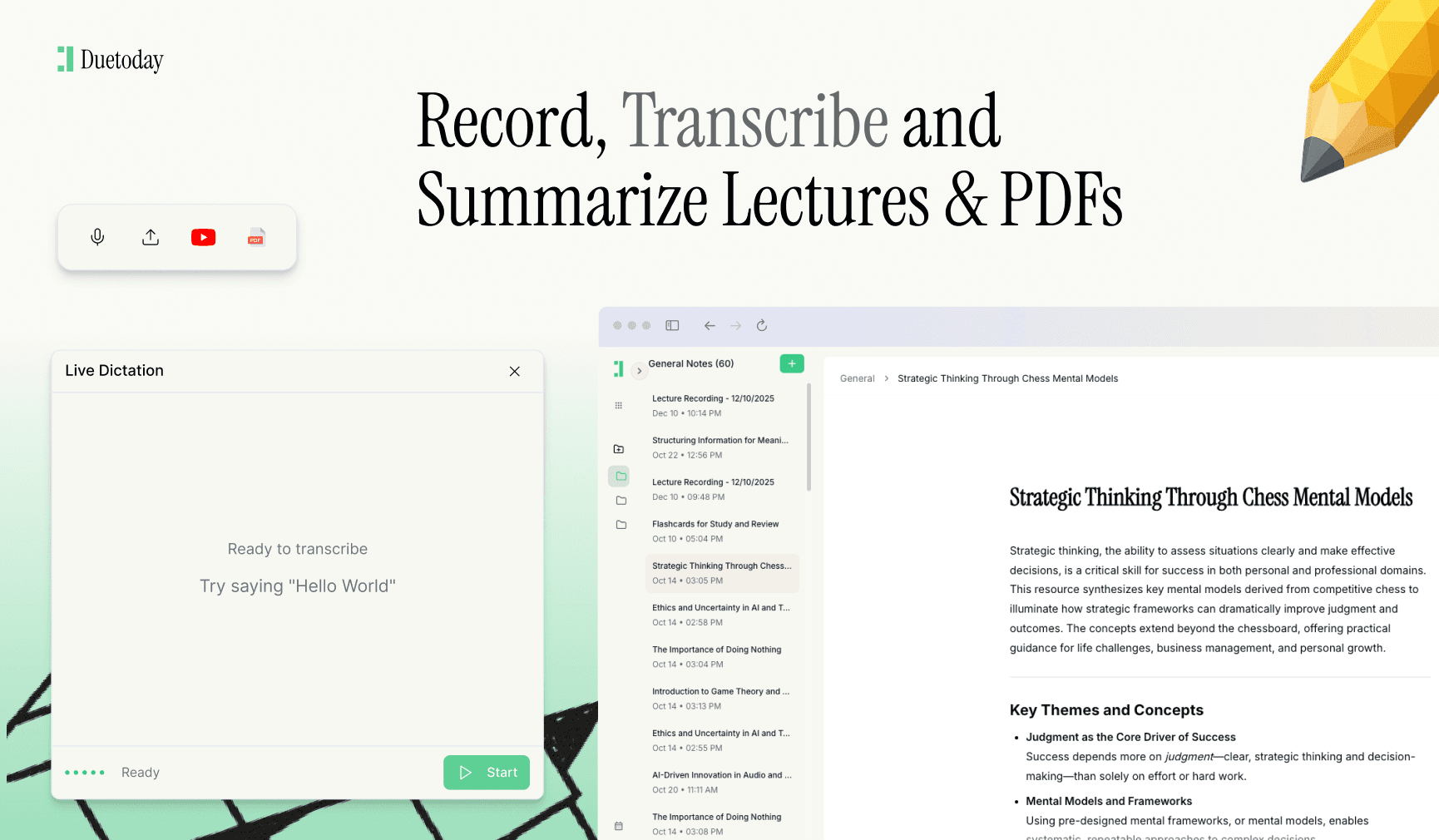
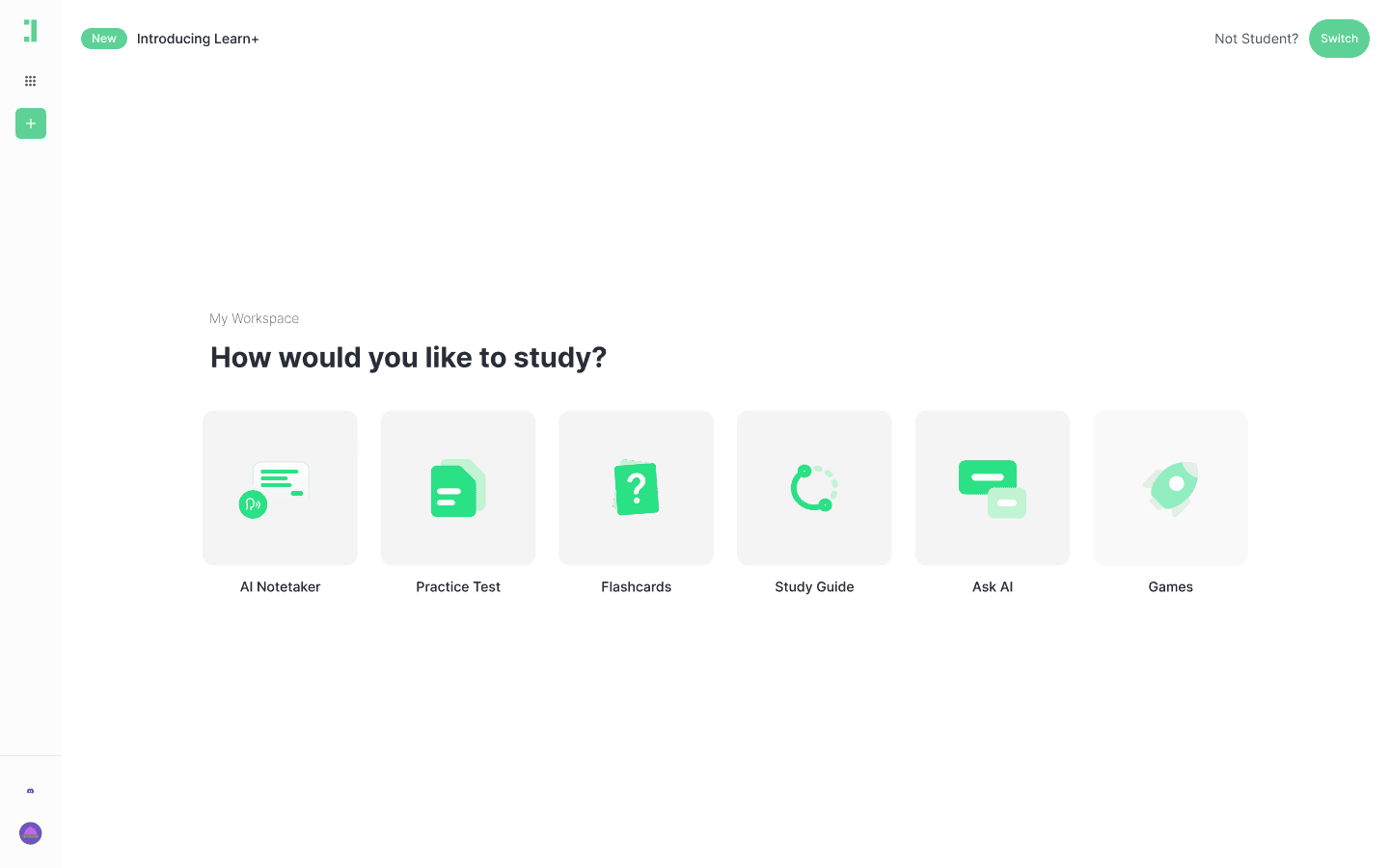
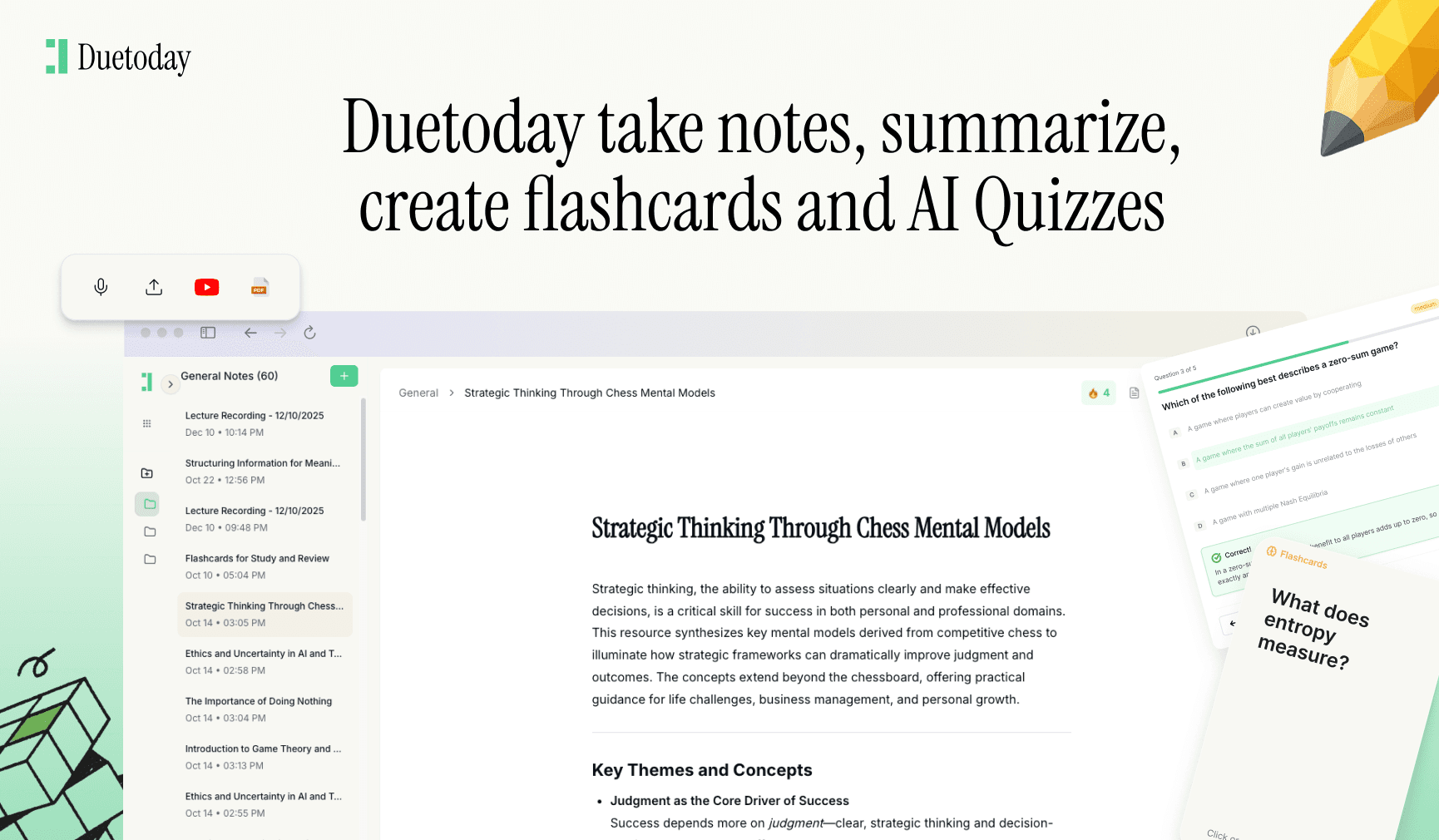
While managing your physical space is vital, managing your digital space is equally important for modern university students. To truly excel, you need tools that simplify your workflow rather than adding to the noise. This is where Duetoday AI becomes an essential part of your toolkit. Duetoday is an AI-powered learning platform that turns lectures, PDFs, and notes into summaries, flashcards, quizzes, and structured study tools automatically. It acts like a personalized AI tutor—helping students learn faster, stay organized, and retain information without spending hours rewriting notes or hunting for caffeine to stay awake through tedious tasks.
Using Strategic Breaks for Longevity
The human brain is not designed for marathon sessions of intense concentration. To maintain high levels of focus throughout the day, you must implement strategic breaks. The Pomodoro Technique is a classic for a reason: by working for 25 minutes and resting for five, you give your prefrontal cortex a chance to recover. During these breaks, avoid scrolling through social media. Instead, do something physically different—walk to the kitchen, do a few jumping jacks, or practice deep breathing. These micro-recoveries prevent mental burnout and keep your focus sharp until the evening.
Nutrition for Brain Power
What you eat has a direct impact on your ability to process information. High-sugar snacks provide a quick spike in energy followed by a devastating drop in focus. To keep your brain fueled, opt for complex carbohydrates and healthy fats. Foods like blueberries, walnuts, and oats provide a steady stream of glucose to the brain, which is its primary energy source. Incorporating these into your student diet ensures that you have the internal resources to focus on a 3,000-word essay without the need for synthetic stimulants.
The Role of Restorative Sleep
It sounds cliché, but sleep is the ultimate focus enhancer. During sleep, your brain flushes out toxins and consolidates the information you learned during the day. If you are sleep-deprived, no amount of caffeine will truly fix your cognitive deficits. Aiming for consistent sleep and wake times helps your body enter deep sleep cycles more efficiently. When you wake up truly rested, the need for caffeine evaporates, and you'll find that your natural baseline for focus is much higher than you ever thought possible.

Can I really focus without coffee?
Yes, by optimizing your sleep, hydration, and study environment, you can achieve a level of focus that is more stable and sustainable than a caffeine buzz.
What is the fastest way to boost focus naturally?
Physical movement and hydration are the fastest ways. A quick 5-minute walk or a glass of cold water can immediately increase alertness.
How does deep work help students?
Deep work allows you to process complex information faster and more thoroughly by removing distractions and focusing on a single task.
Why do I feel tired without caffeine?
This is often due to caffeine dependency or poor sleep hygiene. Transitioning slowly while increasing water intake and rest can help reset your system.