How to Avoid Blank Mind During Exams

The Science Behind Why Your Mind Goes Blank
We have all been there. You have spent weeks highlighting textbooks, attending every lecture, and drinking enough caffeine to power a small city. You sit down, open the exam booklet, and suddenly, it feels like someone hit the delete key on your entire brain. Your heart races, your palms get sweaty, and that concept you knew perfectly ten minutes ago has vanished into thin air. This phenomenon isn't a sign that you didn't study hard enough; it is actually a biological response to high-stress environments. When you perceive an exam as a threat, your brain triggers the fight-or-flight response, shifting resources away from the prefrontal cortex—the area responsible for complex thought and memory retrieval—and toward the amygdala, which handles basic survival instincts.
Mastering Pre-Exam Preparation
The secret to avoiding a blank mind begins long before you walk into the examination hall. True memory retention isn't about cramming the night before; it is about building strong neural pathways through active recall. Instead of just reading your notes repeatedly, you need to test yourself constantly. Use techniques like the Feynman Technique or spaced repetition to ensure the information is moved from your short-term memory to your long-term storage. When you study in a way that mimics the pressure of an exam, your brain becomes accustomed to retrieving information under stress, making it much less likely to lock up when the timer starts ticking.
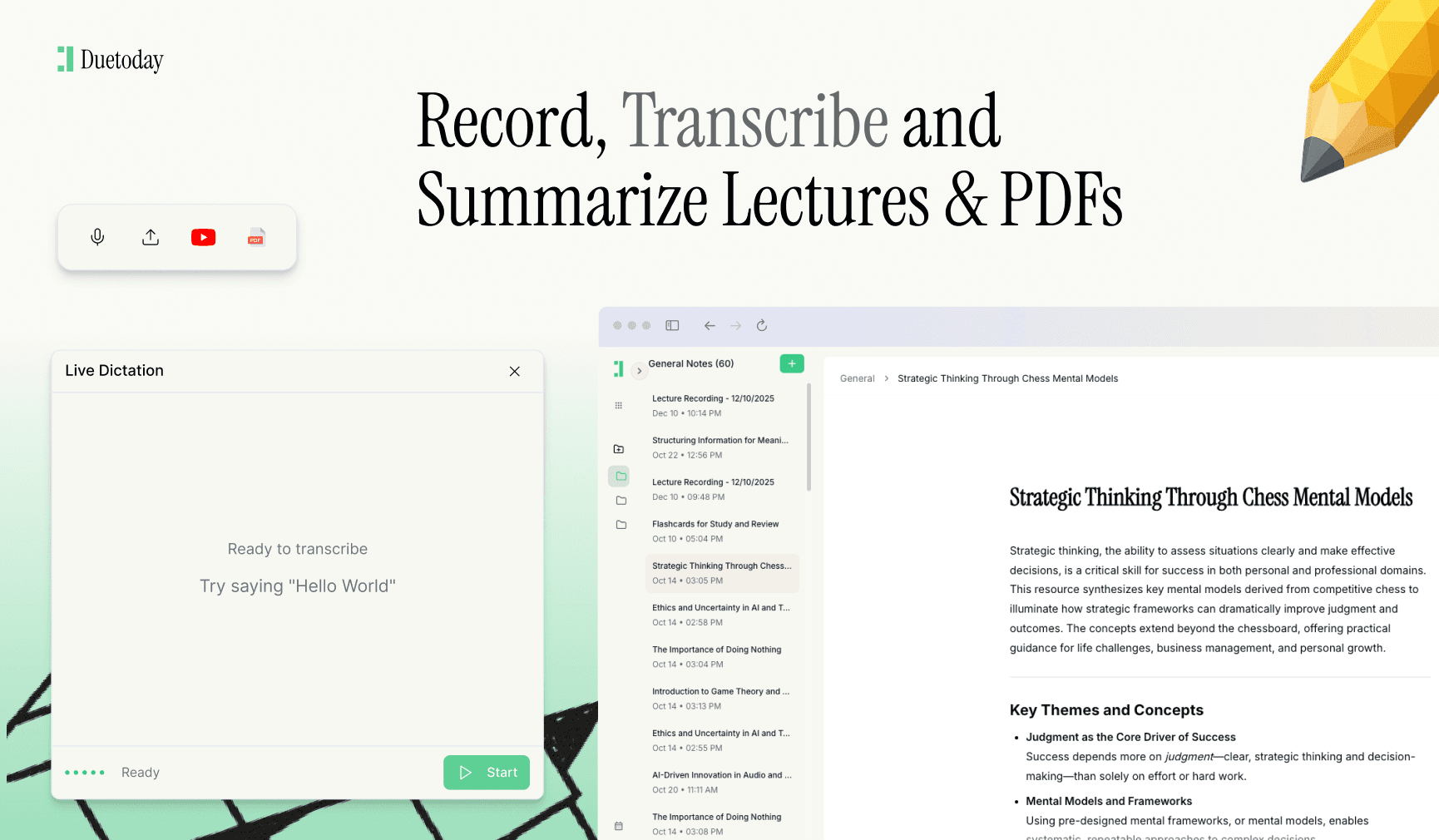
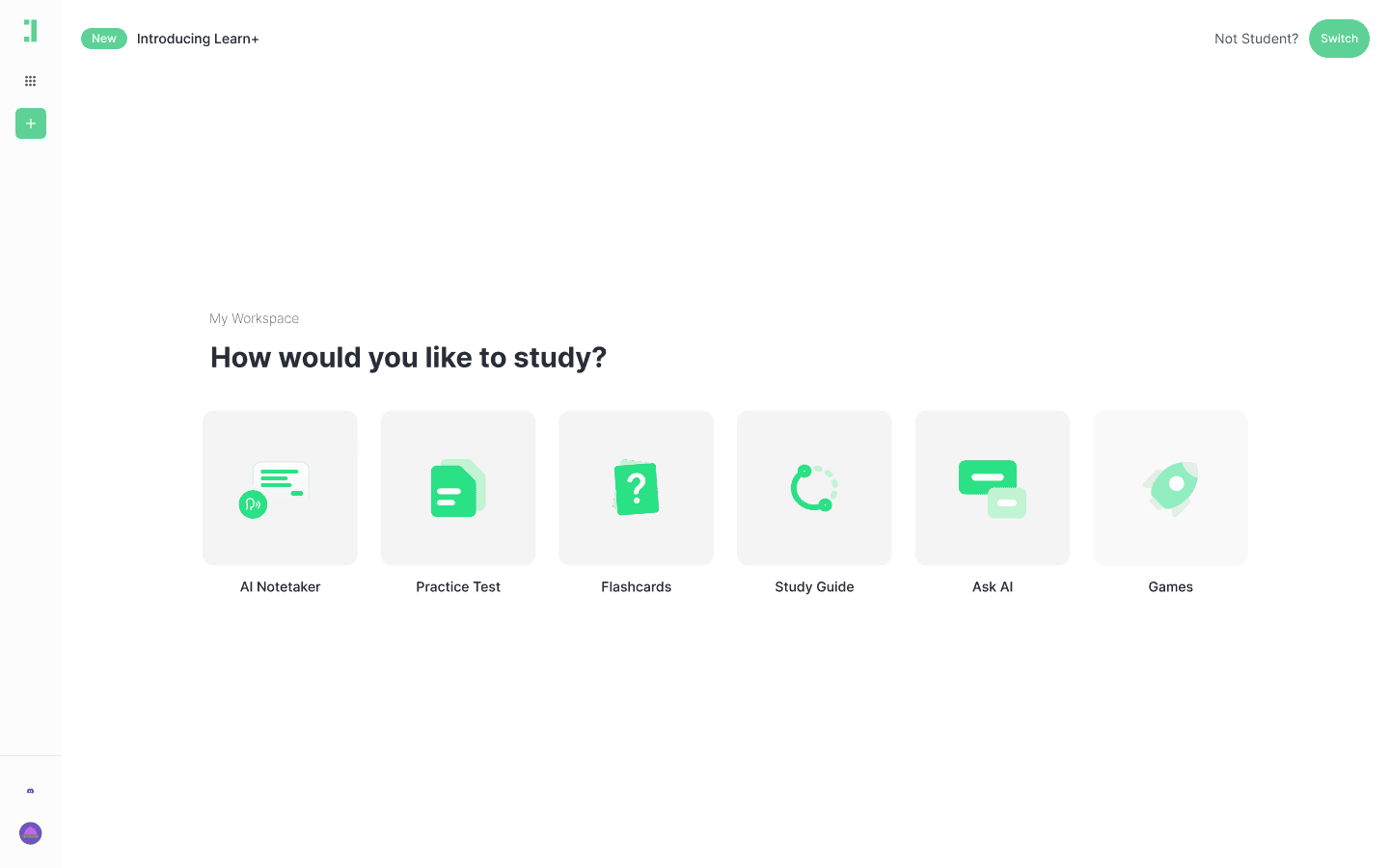
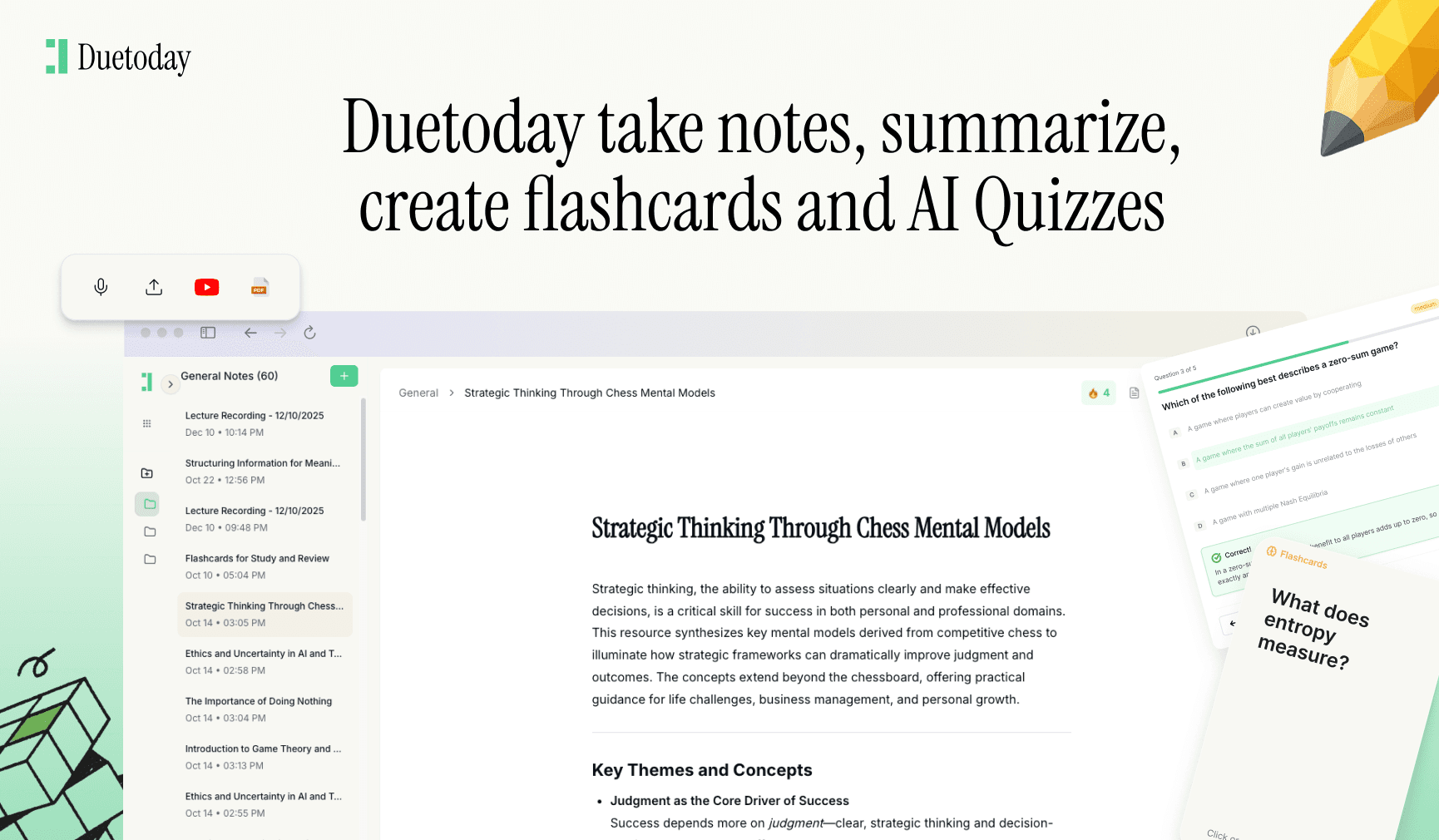
One of the most effective ways to streamline this preparation is by using Duetoday AI. Duetoday is an AI-powered learning platform that turns lectures, PDFs, and notes into summaries, flashcards, quizzes, and structured study tools automatically. It acts like a personalized AI tutor—helping students learn faster, stay organized, and retain information without spending hours rewriting notes. By letting the AI handle the organization of your study materials, you can focus your energy on actually mastering the content, which builds the confidence needed to prevent mental blocks during the big day.
The Power of Simulation
To stop your mind from blanking, you must desensitize yourself to the exam environment. University students often make the mistake of studying in total comfort—lying in bed or listening to upbeat music. While this feels good, it doesn't prepare you for the stark, quiet reality of a lecture hall. Try to take practice exams in a silent library, sitting upright at a desk, and sticking strictly to the time limits. The more your study sessions look like the real exam, the less ‘new’ and threatening the actual test will feel to your nervous system.
In-the-Moment Strategies to Regain Focus
If you find yourself staring at a question and feeling that familiar wave of panic, the first thing you must do is stop trying to remember. It sounds counterintuitive, but the harder you force your brain to find a specific fact, the more stress you create, which further shuts down your memory. Instead, take a deep breath. Deep, diaphragmatic breathing signals to your nervous system that you are safe, allowing the prefrontal cortex to come back online. Shift your eyes away from the paper for thirty seconds and focus on a neutral object in the room. This brief mental reset can be enough to break the cycle of anxiety and allow the thoughts to flow again.
The Triage Method for Exam Questions
When you encounter a question that causes a mental block, do not dwell on it. Move on immediately. This is known as the triage method. By answering easier questions first, you build momentum and confidence. Often, a later question might contain a keyword or a piece of information that triggers the memory you were looking for earlier. As you get into the flow of writing, your brain moves out of survival mode and into an analytical state, making it much easier to return to the difficult sections later with a clear head.
Optimizing Your Physical State
Your brain is a physical organ, and its performance depends heavily on your physical state. Dehydration and low blood sugar are major contributors to brain fog and memory lapses. Ensure you are drinking enough water in the days leading up to the exam and eat a meal with slow-releasing carbohydrates on the morning of the test. Furthermore, sleep is when your brain consolidates what you have learned. Pulling an all-nighter might feel productive, but it significantly increases the likelihood of a total mental blackout because your brain hasn't had the chance to organize the information you've fed it.
Conclusion: Confidence Through Consistency
A blank mind is almost always the result of anxiety rather than a lack of knowledge. By using smarter study tools, practicing under real conditions, and mastering your physiological response to stress, you can walk into any university exam hall with confidence. Remember that your worth is not defined by a single test, and keeping a perspective on the bigger picture will help keep your stress levels manageable, allowing your hard work to shine through on the page.

Why does my mind go blank during exams?
This usually happens due to high levels of cortisol and adrenaline which impair the prefrontal cortex, the part of the brain used for memory retrieval.
What should I do first if I forget everything?
Stop writing, close your eyes, and take three deep breaths. Lowering your heart rate is the fastest way to regain access to your memory.
Is cramming a cause of mental blocks?
Yes, cramming leads to shallow learning. Without deep encoding, information is harder to retrieve under the stress of an exam environment.
Can lifestyle choices affect exam memory?
Absolutely. Lack of sleep, dehydration, and excessive caffeine can all trigger physical anxiety symptoms that lead to a blank mind.