How to Write a Cover Letter for Internships

Mastering the Art of the Internship Cover Letter
Getting your foot in the door at a top-tier company often feels like a full-time job in itself. For university students, the internship search is the first real taste of the professional world. While your resume lists your academic achievements and extracurricular activities, your cover letter is where your personality and passion actually come to life. It is more than just a formal requirement; it is your chance to tell a story that a list of grades simply cannot convey. When you are applying for an internship, you likely do not have years of industry experience, and that is okay. Recruiters are looking for potential, curiosity, and a strong work ethic.
A successful cover letter focuses on how your current skills—even those learned in a classroom or a volunteer setting—translate to the role you are applying for. It should be a bridge between your academic life and your professional future. Many students make the mistake of making their cover letter a repetitive summary of their resume. Instead, you should use this space to explain why you want to work for that specific company and how you can contribute to their team. Researching the company culture and mentioning a recent project or value they hold can immediately set you apart from the hundreds of other applicants using generic templates.
Organization is key when you are balancing multiple applications alongside a heavy course load. While you are busy drafting these letters, Duetoday AI can take the pressure off your academic life.
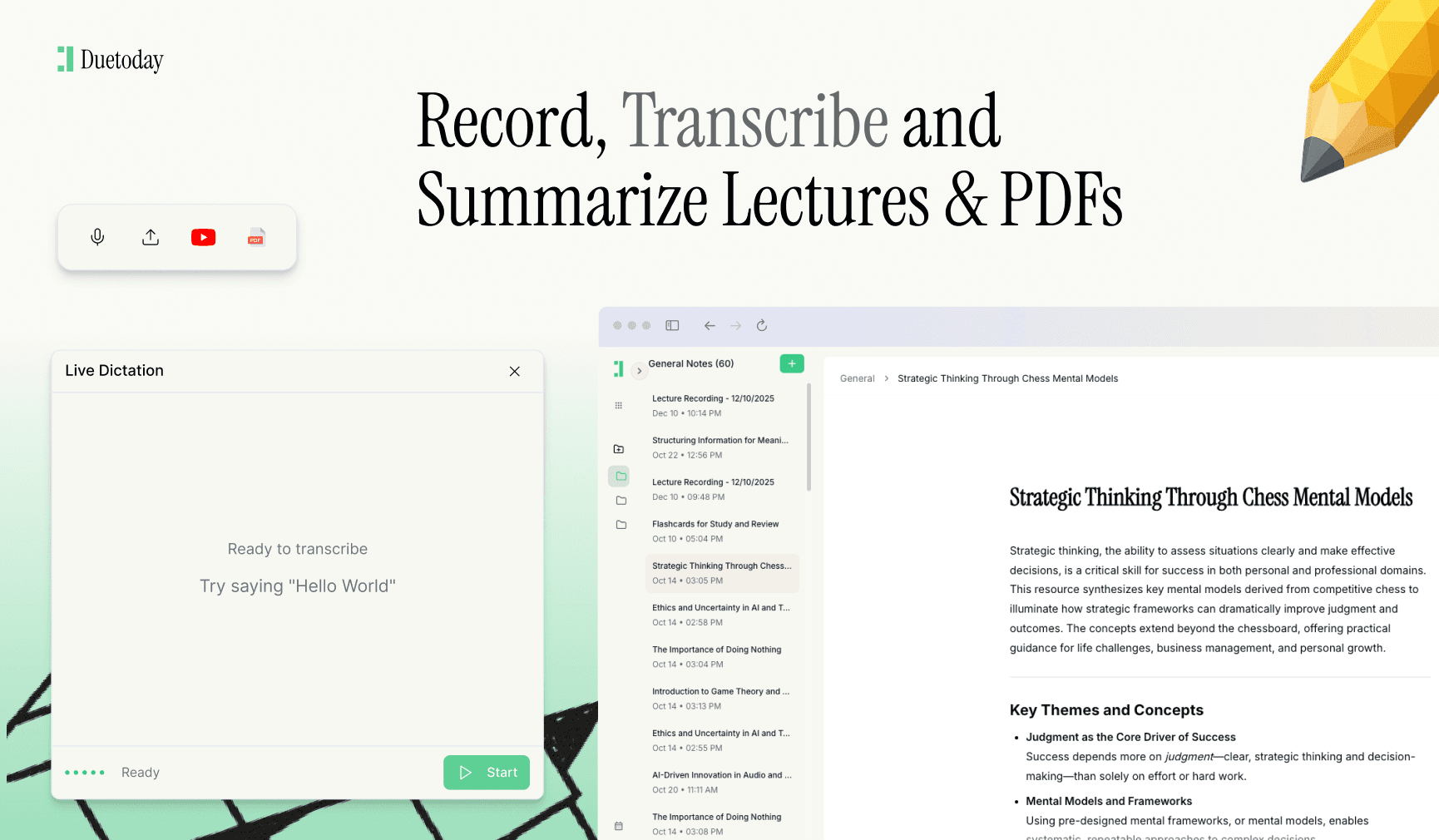
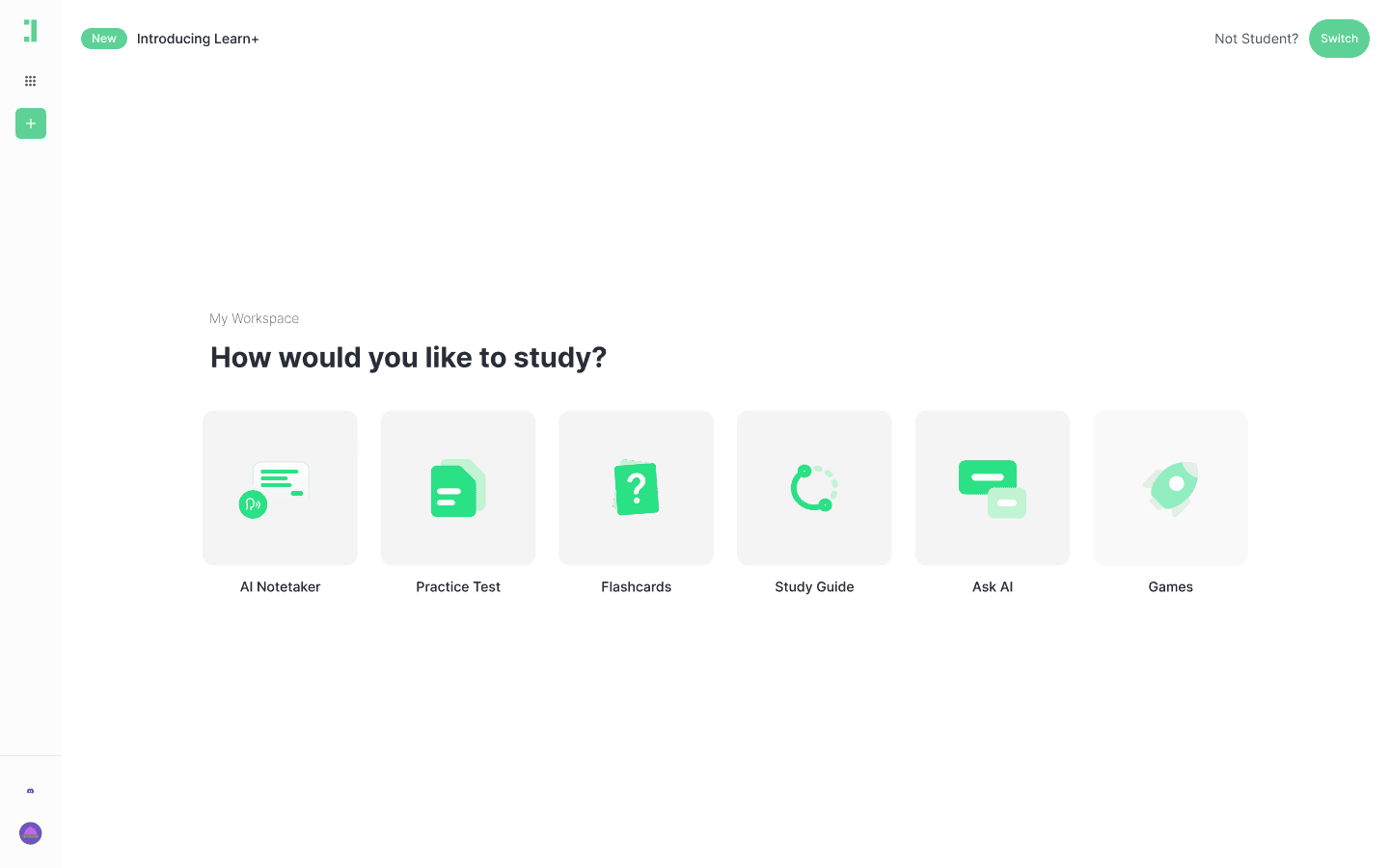
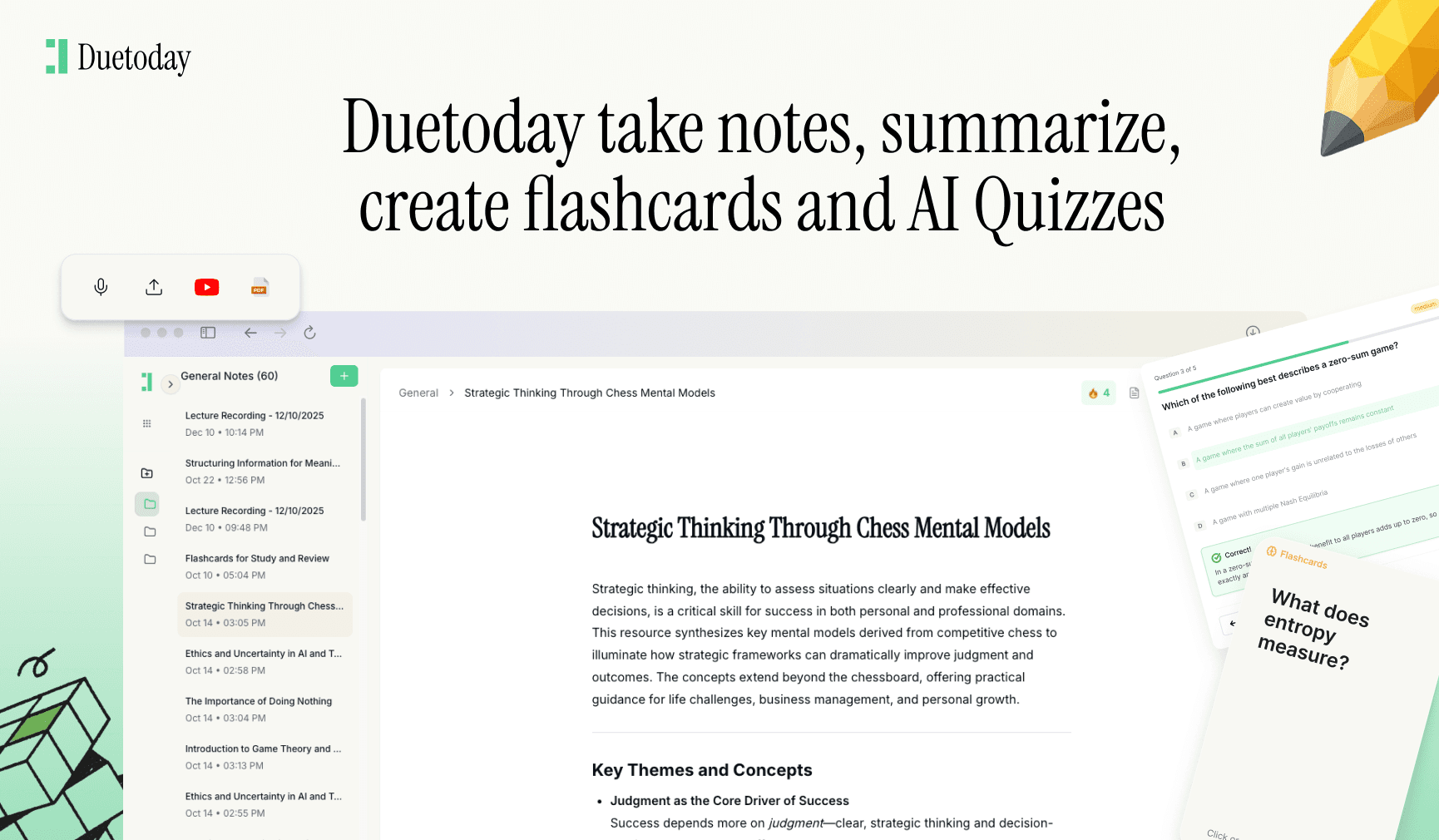
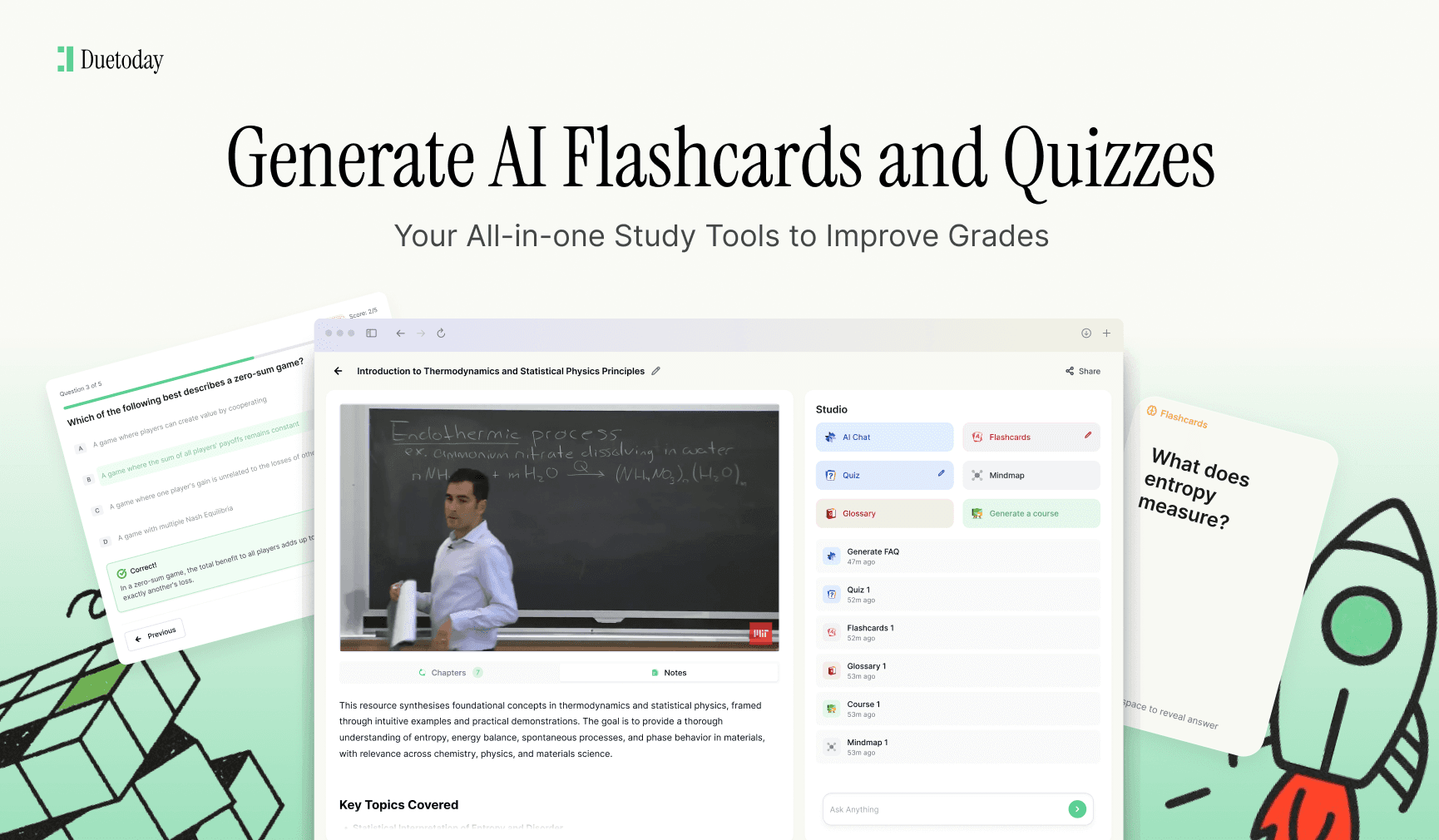
Duetoday is an AI-powered learning platform that turns lectures, PDFs, and notes into summaries, flashcards, quizzes, and structured study tools automatically. It acts like a personalized AI tutor—helping students learn faster, stay organized, and retain information without spending hours rewriting notes, giving you more time to focus on landing that perfect internship.
The Essential Structure of a Student Cover Letter
Before you start typing, you need to understand the basic anatomy of a professional letter. Start with a clean header that includes your contact information and the date. Addressing the hiring manager by name is always better than using a generic opening like To Whom It May Concern. A quick search on LinkedIn or the company website can often reveal the name of the recruiter or department head, showing that you have done your homework and are genuinely interested in the position.
The opening paragraph needs to be a hook. State clearly which position you are applying for and why you were drawn to it. If you have a personal connection to the brand or if a professor recommended the role, this is the place to mention it. This section should be brief but enthusiastic. You want the reader to feel your energy and understand right away that you are not just blasting out random applications to every listing on JobBoard.
Focusing on Transferable Skills and Academics
The middle section of your letter is where you handle the lack of professional experience by highlighting relevant coursework and university projects. If you are applying for a marketing internship, talk about a successful social media campaign you ran for a campus club. If it is a technical role, discuss a complex coding project or a lab report that required intense analytical thinking. The goal is to prove that you possess the soft skills—like communication, teamwork, and problem-solving—that every employer values regardless of the industry.
Do not be afraid to show some humble confidence. You are there to learn, but you also have fresh perspectives to offer. Use active verbs and specific examples. Instead of saying you are a hard worker, describe a time you balanced fifteen credit hours while leading a volunteer group. This provides tangible evidence of your abilities and helps the recruiter visualize you working within their existing team structure. Remember to keep the tone professional yet accessible, avoiding overly academic jargon that might make the letter feel stiff or unnatural.
Closing with a Strong Call to Action
The final paragraph is your closing argument. Reiterate your excitement for the opportunity and mention how you look forward to the possibility of discussing your application in an interview. Express your gratitude for their time and consideration. Sign off with a professional closing like Sincerely or Best Regards, followed by your full name. A clean, well-spaced conclusion leaves a lasting impression of professionalism and attention to detail.
Once your draft is complete, reading it out loud is one of the best ways to catch awkward phrasing or grammatical errors. Since internships are highly competitive, a single typo can sometimes be the difference between getting an interview and being passed over. Take the time to tailor every single letter you send. While it takes more effort than using a copy-paste method, the results in terms of interview callbacks are significantly higher. You are building your future, and a well-crafted cover letter is the first step toward that career goal.
Do I need a cover letter if it is optional?
Yes, you should always include one. It shows extra effort and gives you a chance to explain your motivations better than a resume can.
How long should an internship cover letter be?
It should be no longer than one page. Ideally, aim for 250 to 400 words split into three or four concise paragraphs.
What if I have zero work experience?
Focus on your academic projects, volunteer work, leadership roles in campus clubs, and your passion for the industry.
Should I use a template?
Templates are great for formatting, but the content should be 100% original. Recruiters can easily spot generic text that has been used by dozens of other students.