
The Ultimate Guide to Balancing Social Life and Study

The Great University Balancing Act
Stepping into university life often feels like being thrown into a whirlwind of opportunities. On one hand, you have the academic pressure of lectures, assignments, and the looming threat of finals. On the other hand, you have the social side—club nights, society meetings, late-night pizza runs, and the chance to make friends for life. Most students feel like they have to choose between getting an ‘A’ or having a social life, but the truth is that you can actually have both without burning out.
Finding this equilibrium is not about working harder; it is about working smarter. Many students spend hours staring at a textbook without actually absorbing anything, purely because they are tired or distracted by the FOMO (fear of missing out) happening in the hallway. By mastering your schedule and prioritizing your tasks, you can clear transition from the library to the lounge without feeling guilty about your grades dropping.
Mastering Your Calendar Early
The biggest mistake most university students make is relying on their memory to keep track of deadlines and social events. Your brain is meant for processing information, not storing long lists of dates. Start by using a digital calendar or a simple planner to map out your non-negotiables. This includes your lecture times, seminar slots, and part-time shifts. Once these are blocked out, you can see the white space where your social life can actually exist.
Visualizing your week lets you see where you have ‘dead time.’ For instance, that two-hour gap between your morning lecture and afternoon lab is perfect for a deep-focus study session. If you finish your tasks during these small windows, your evenings remain completely free for hanging out with friends. It turns the mindset from 'I should be studying' to 'I’ve already done my work, time to relax.'
Quality Over Quantity in Studying
Spending eight hours in the library doesn’t mean you’ve learned eight hours of material. In fact, most people lose focus after forty-five minutes. Instead of marathon sessions that leave you too exhausted to go out, try high-intensity study blocks. Techniques like the Pomodoro method or active recall help you retain more information in half the time. When you study with total focus, you earn back those hours that you would otherwise spend procrastinating.
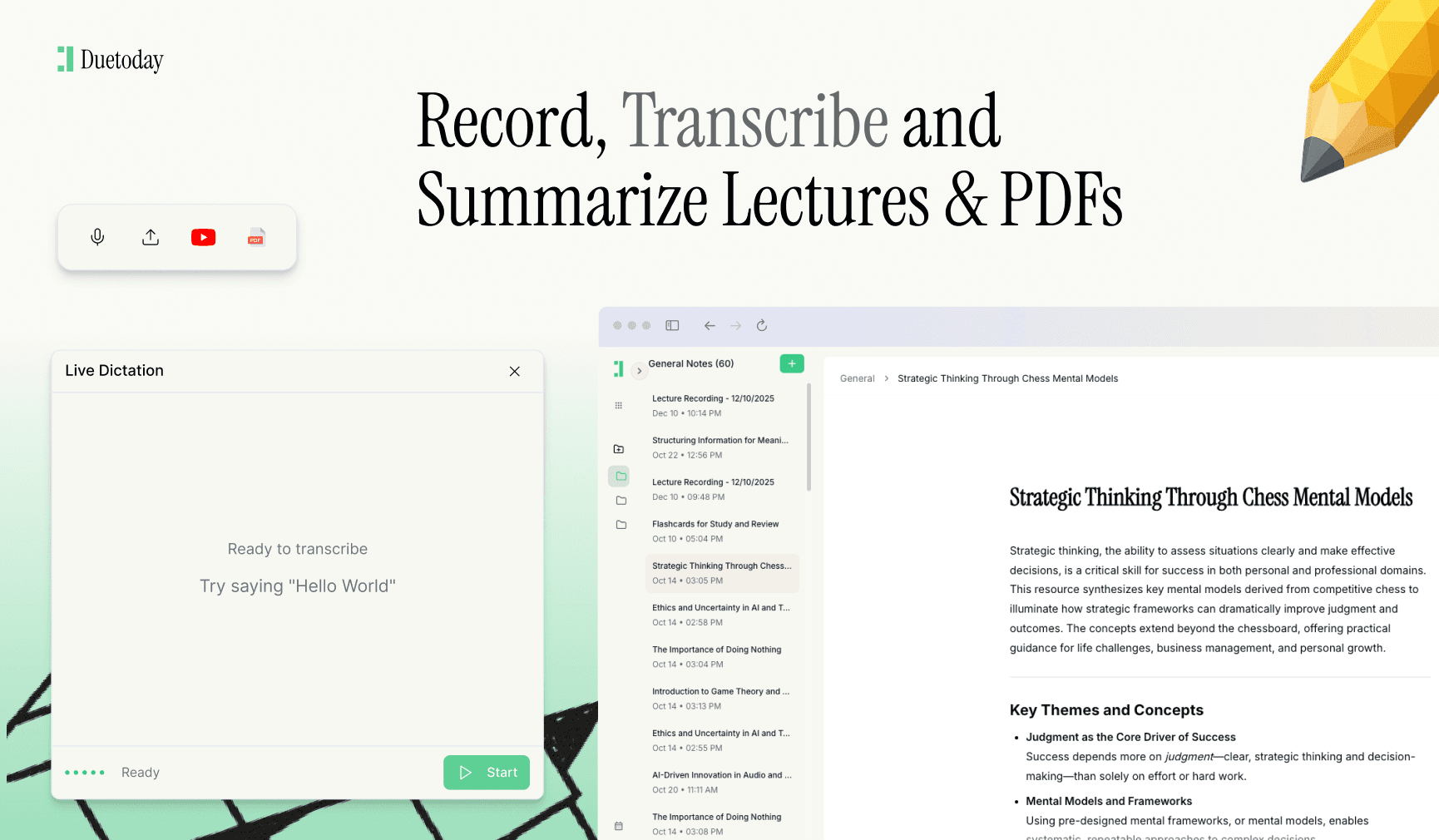
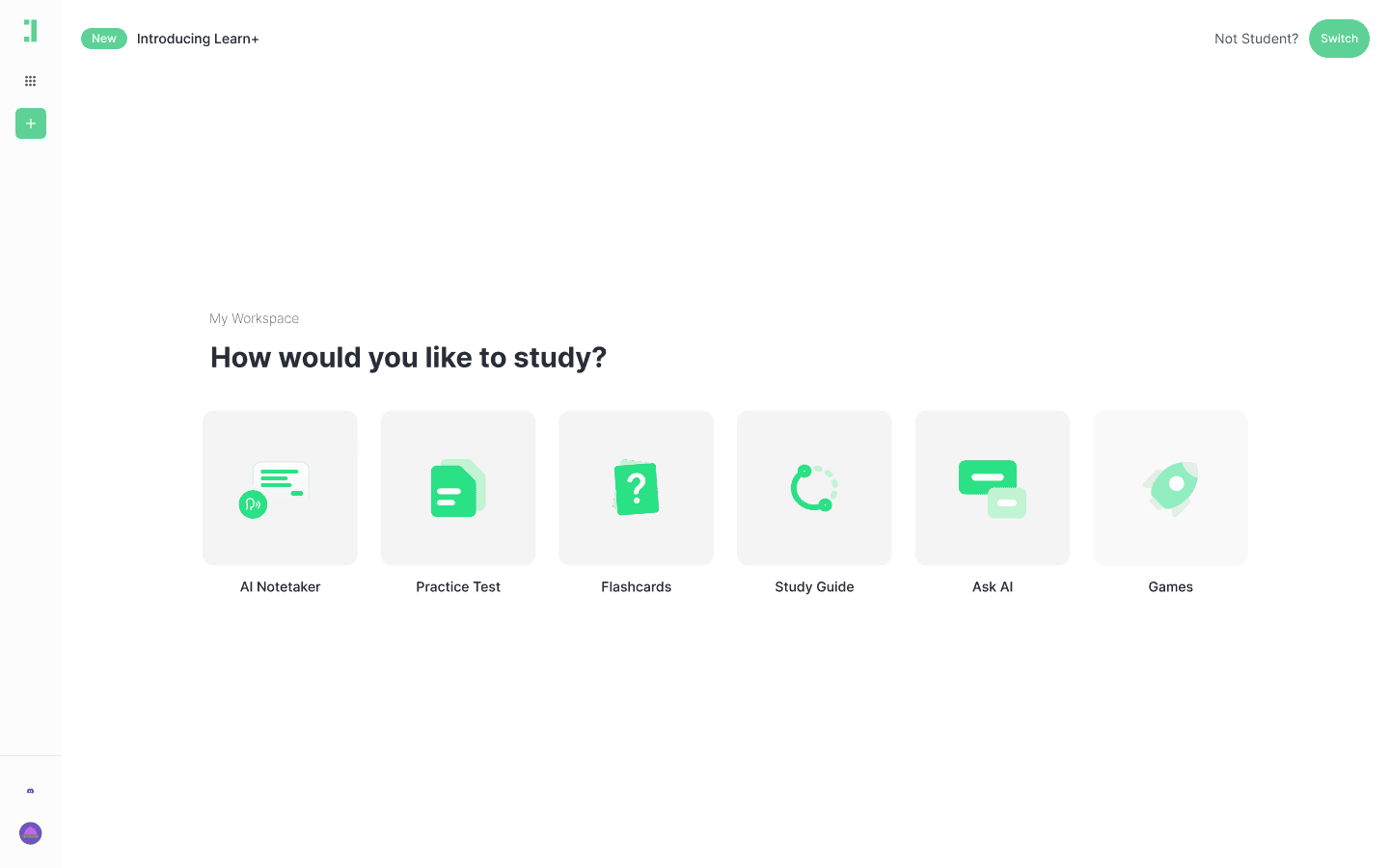
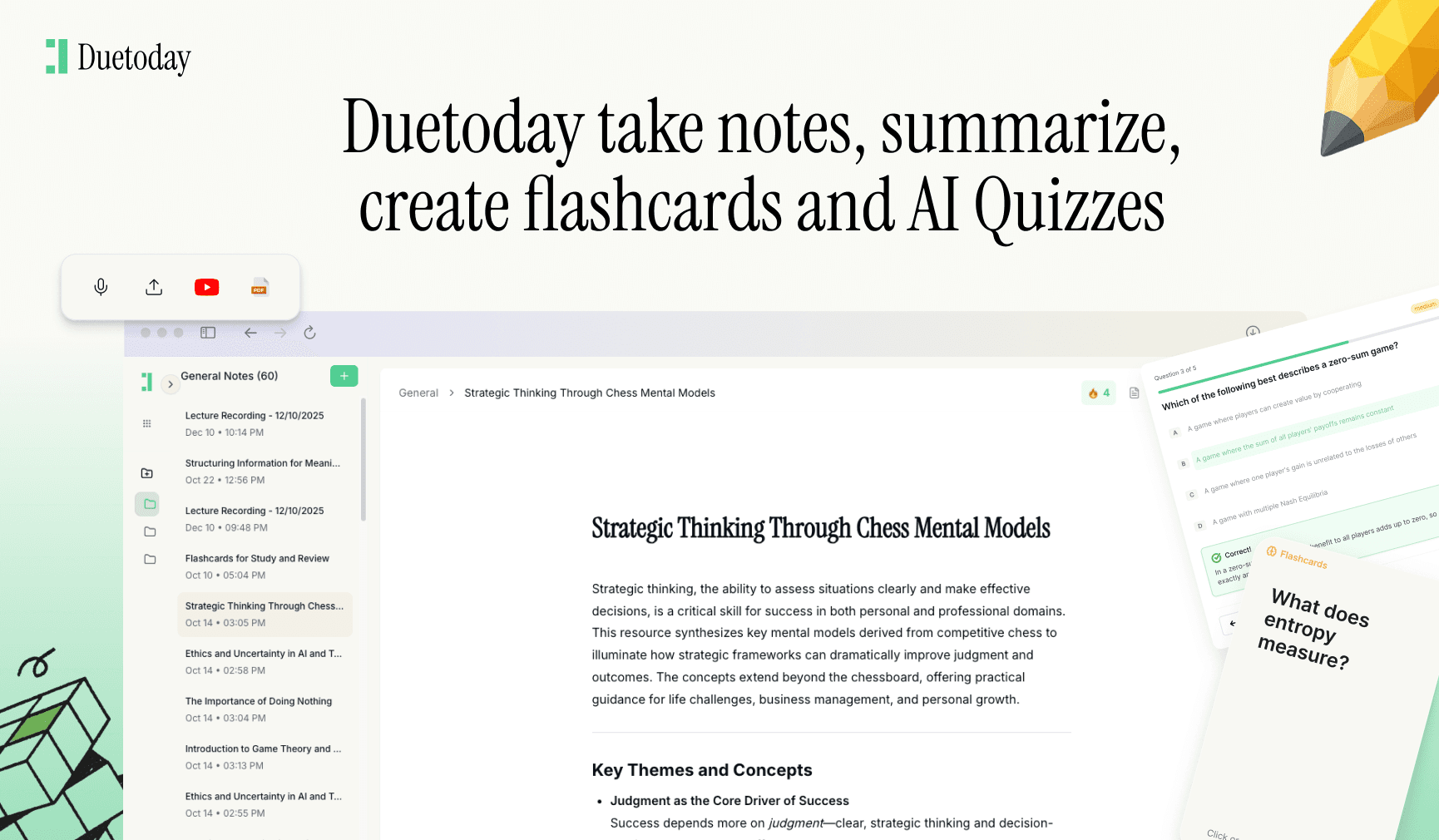
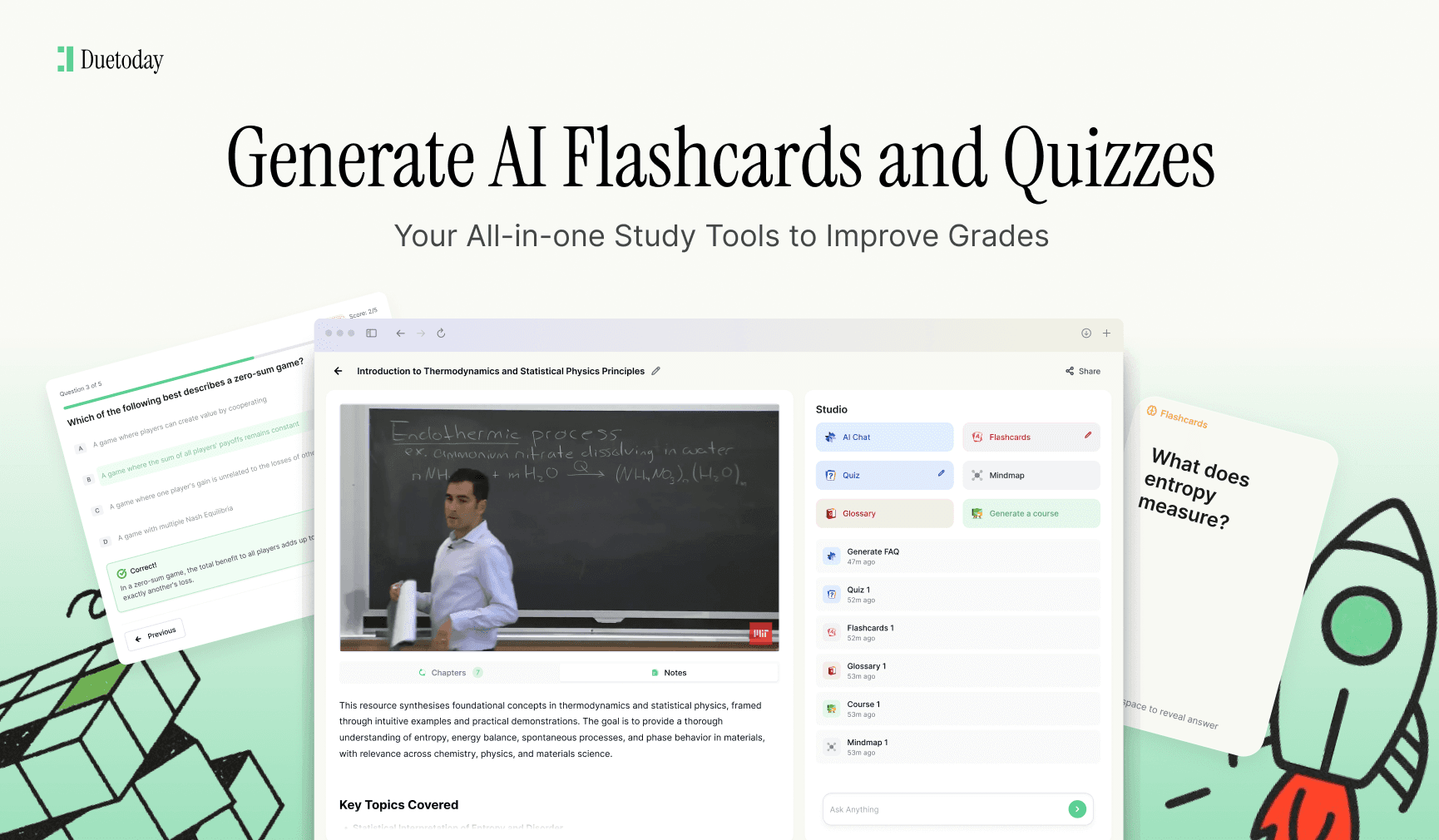
Modern students are also using technology to speed up this process. Duetoday AI is an AI-powered learning platform that turns lectures, PDFs, and notes into summaries, flashcards, quizzes, and structured study tools automatically. It acts like a personalized AI tutor — helping students learn faster, stay organized, and retain information without spending hours rewriting notes. By letting tools like Duetoday handle the heavy lifting of organizing your study material, you can free up massive amounts of time for social activities without sacrificing your academic performance.
The Power of Saying No
Part of balancing your life is recognizing that you cannot attend every single event. It is tempting to say yes to every party or coffee catch-up, especially in the first year. However, learning to selectively choose your social engagements is a superpower. Pick the events that actually matter to you or involve the friends you value most. Skipping one midweek pub quiz to finish an essay means you can enjoy the weekend festivals without a dark cloud of stress hanging over your head.
Boundaries also apply to your friends. It is perfectly okay to tell your flatmates that you are in 'study mode' for the next two hours. Real friends will respect your goals and might even be inspired to get their own work done. Setting these boundaries early prevents the resentment that builds up when you feel like your social circle is the reason you are failing your modules.
Integrating Socializing and Learning
If you are really struggling to find time, why not combine the two? Study groups can be incredibly effective if they stay on track. Organizing a session at a local cafe with a few classmates allows you to socialize while also tackling difficult concepts together. Explaining a topic to a friend is one of the best ways to reinforce your own knowledge. Just make sure the group stays disciplined—set a timer for work and then reward yourselves with a chat afterward.
Physical activity is another great way to bridge the gap. Joining a university sports team or going to the gym with a friend allows you to stay healthy, socialize, and destress from academic pressure all at once. Exercise releases endorphins that improve your mood and cognitive function, making your subsequent study sessions even more productive. It is all about creating a lifestyle where your health, happiness, and grades support one another.
Final Thoughts on Student Success
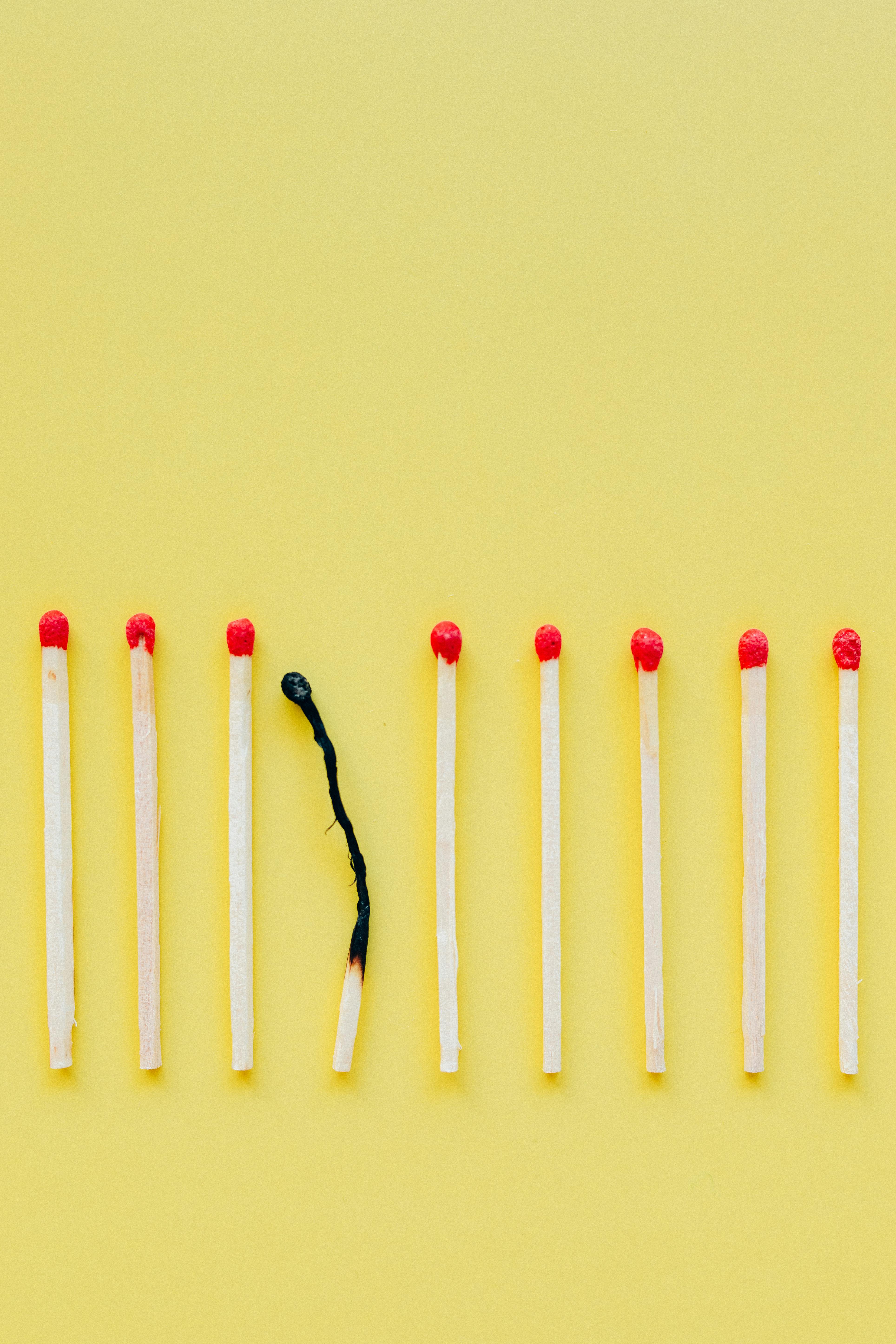
Balance is not a one-time achievement; it is a constant adjustment. Some weeks will be heavy on the social side, especially during freshers' week or after exams. Other weeks, during midterm season, will require you to hunker down and focus on the library. The goal is to avoid letting the pendulum swing too far in either direction for too long. If you stay organized, use the right tools, and prioritize your well-being, your university years will be both academically successful and socially unforgettable.
Is it possible to get a first-class degree and still have a social life?
Yes, many top-performing students maintain active social lives by using effective time management and active learning techniques rather than just working longer hours.
What is the best way to deal with FOMO?
Remind yourself of your long-term goals and understand that there will always be another party. Being prepared for your exams reduces stress, which actually makes your social time more enjoyable.
How many hours a week should a university student study?
It varies by course, but generally, 20-30 hours of independent study per week is the standard. Using AI tools can often reduce this time by making study sessions more efficient.
Should I study on weekends?
It depends on your workload. Many students prefer to work hard Monday through Friday to keep their weekends completely free for social events and relaxation.