How to Avoid Burnout in University: The Ultimate Survival Guide
Understanding University Burnout
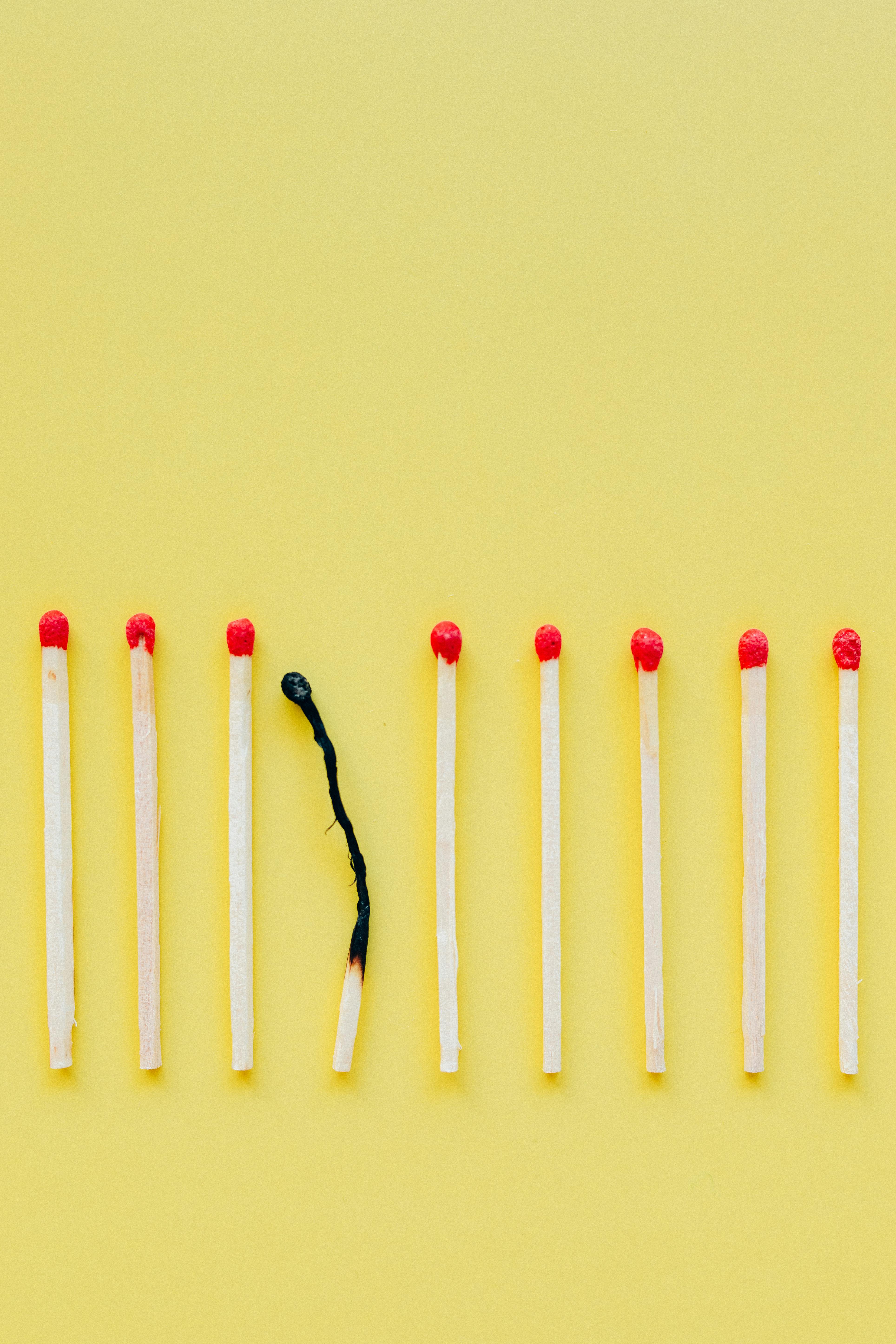
University life is often painted as the best years of your life, filled with new friendships and exciting opportunities. However, the reality for many students involves a high-pressure environment where the constant cycle of lectures, assignments, and exams can lead to physical and emotional exhaustion. Burnout is more than just being tired; it is a state of chronic stress that leads to detachment, feelings of ineffectiveness, and a lack of motivation. When you find yourself staring at a blank screen for hours or feeling anxious every time you check your email, you might be heading toward a burnout phase.
To avoid burnout, it is crucial to recognize the early warning signs before they spiral into a larger issue. Many students ignore the symptoms, thinking that pushing through the pain is a badge of honor. In reality, working while burnt out leads to lower grades and poor health. Instead of working harder, you need to work smarter. This starts by setting realistic expectations for yourself and understanding that you cannot do everything at once. Developing a balanced routine is not just a luxury; it is a necessity for academic survival and mental well-being.
Effective Time Management Strategies
One of the biggest contributors to university stress is poor time management. When you leave everything to the last minute, your brain stays in a constant 'fight or flight' mode. Breaking down large projects into smaller, manageable tasks can significantly reduce the mental load. Instead of viewing a 3,000-word essay as one giant hurdle, try to tackle the research on Monday, the outline on Tuesday, and the first few paragraphs on Wednesday. Using digital calendars or physical planners can help you visualize your week and ensure you are not overcommitting yourself to social events or extra-curricular activities.
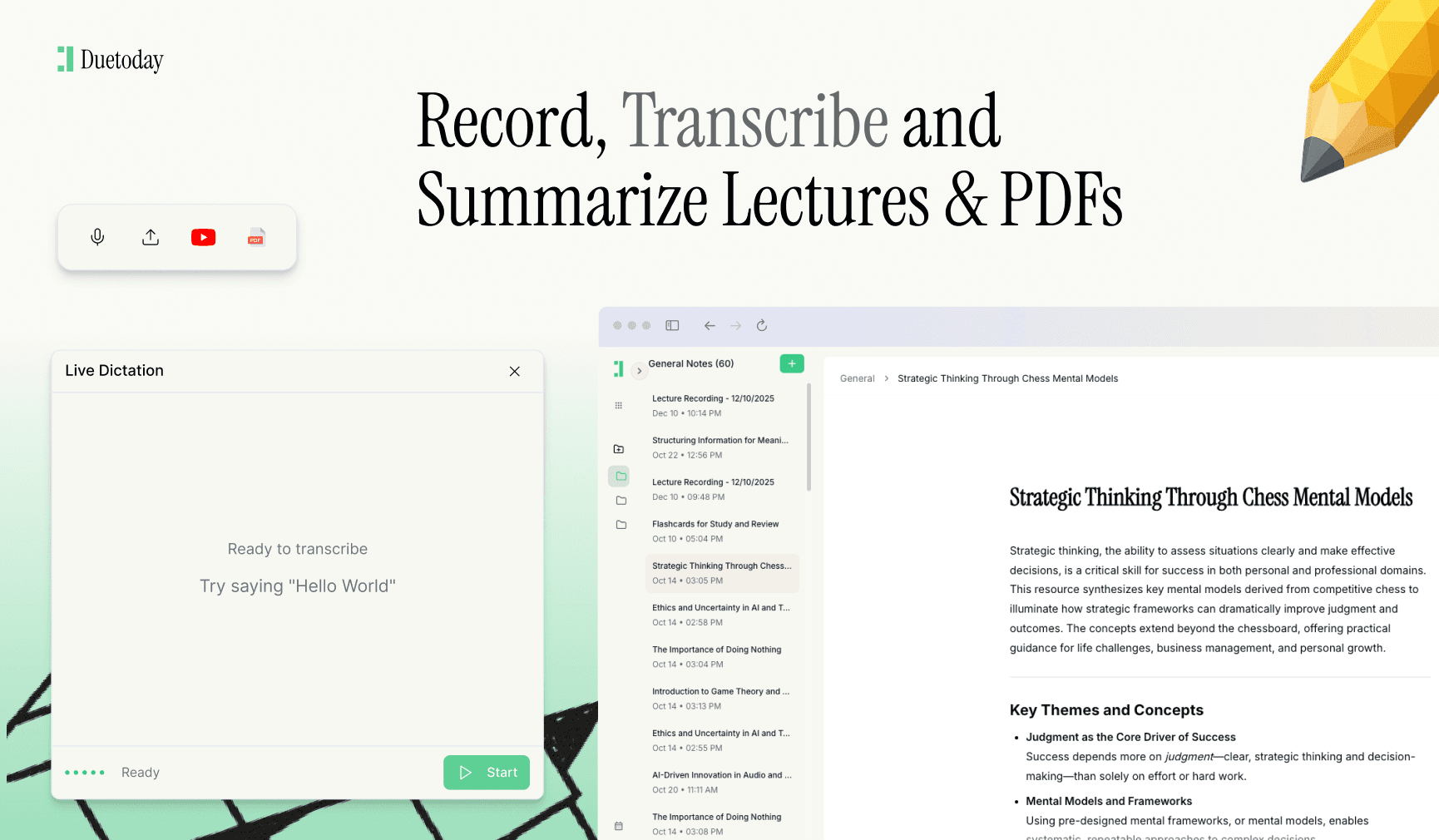
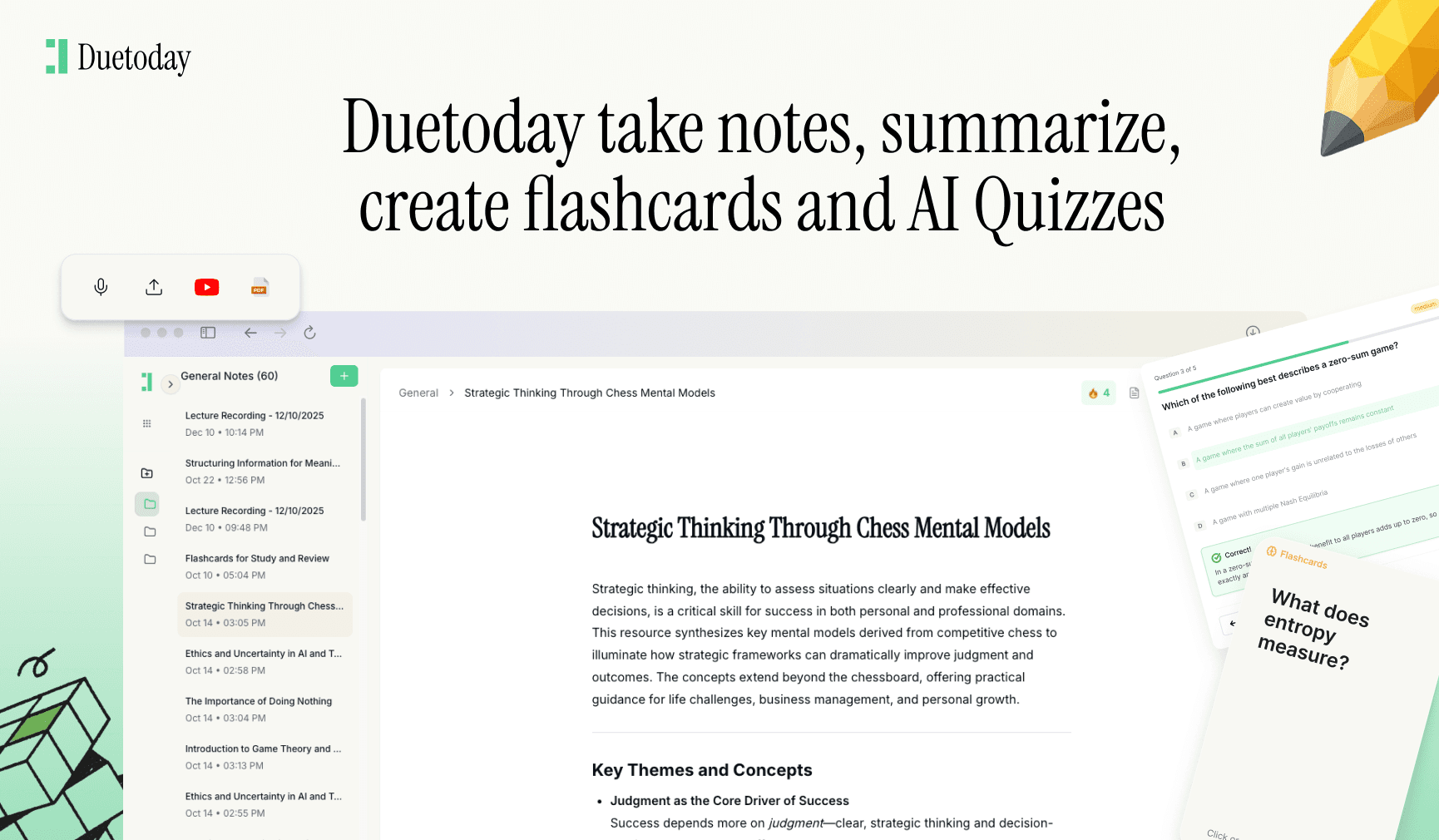
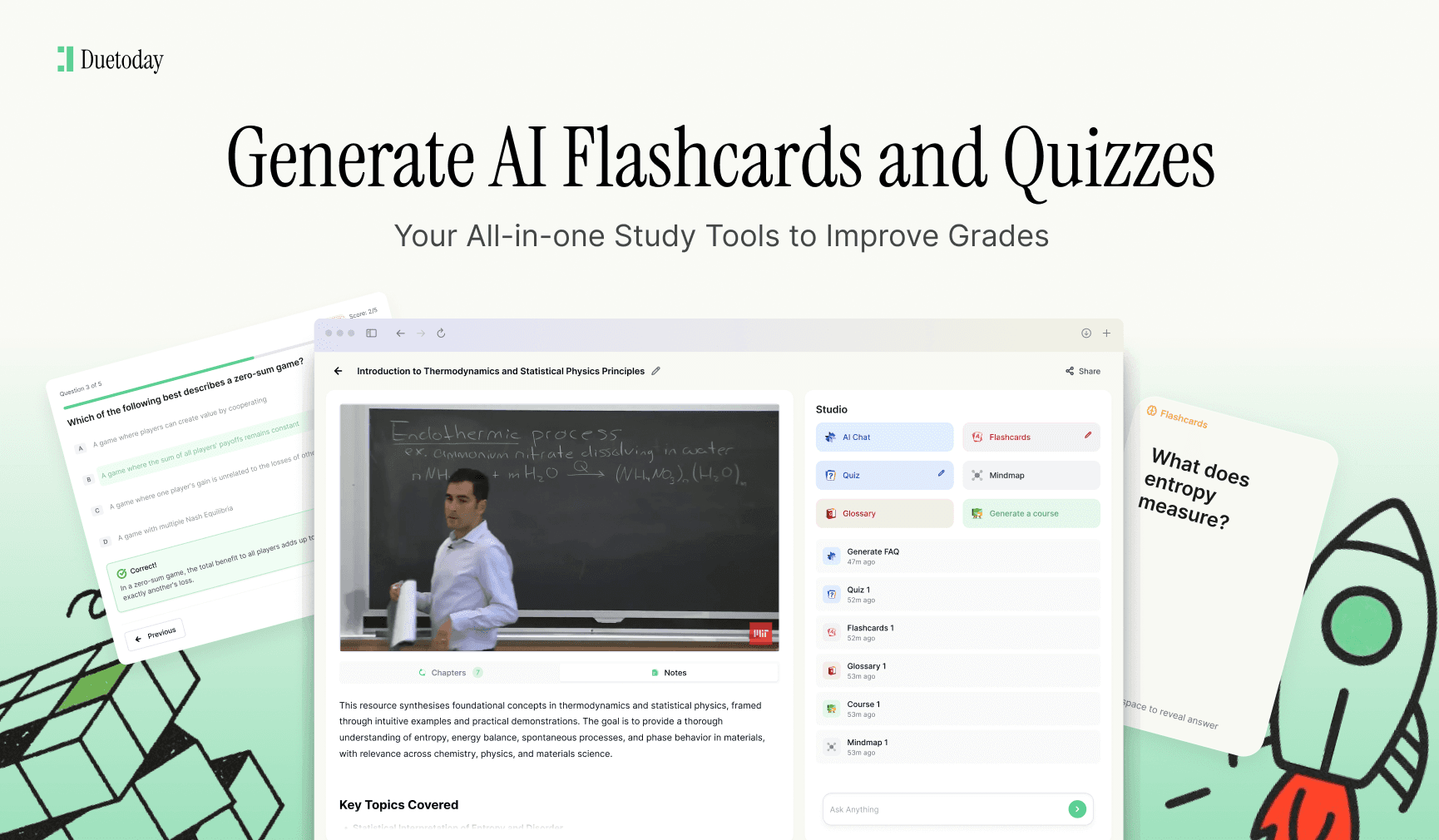
It is also important to embrace technology that reduces your workload. This is where Duetoday AI becomes an essential part of your toolkit. Duetoday is an AI-powered learning platform that turns lectures, PDFs, and notes into summaries, flashcards, quizzes, and structured study tools automatically. It acts like a personalized AI tutor, helping students learn faster, stay organized, and retain information without spending hours rewriting notes. By automating the most tedious parts of studying, you free up mental energy for actual learning and relaxation, which is a key component in preventing burnout.
The Power of Setting Boundaries
Learning to say no is a skill that will save your sanity during your degree. Many university students feel pressured to join every club, attend every party, and take on every internship opportunity. While gaining experience is important, your mental health should always come first. Establishing boundaries with your peers and even your professors is vital. If your friends are heading out but you know you need a night of rest to function the next day, it is perfectly okay to sit that one out. People who respect your growth will respect your boundaries.
Prioritizing Physical and Mental Health
Your brain is a physical organ, and it requires fuel and rest to function at its peak. Skipping meals to finish a lab report or surviving on four hours of sleep will eventually catch up with you. Prioritizing a consistent sleep schedule of seven to nine hours can transform your mood and cognitive performance. Small changes, like taking a twenty-minute walk or staying hydrated, can have a massive impact on how you handle stress. Exercise is one of the most effective ways to clear cortisol—the stress hormone—from your body, allowing you to return to your studies with a fresh perspective.
Mental health support is also more accessible than ever. Most universities offer free counseling services or peer support groups. If you feel overwhelmed, do not hesitate to reach out. Talking through your stresses with a professional can provide you with coping mechanisms that you might not have considered. Remember, seeking help is not a sign of weakness; it is a proactive step toward maintaining your long-term success. University is a marathon, not a sprint, and you need to pace yourself accordingly to cross the finish line in good health.
Creating a Sustainable Study Environment
Where you work often dictates how you work. If you are studying in a cluttered room or a noisy common area, your brain is constantly fighting distractions. Find a dedicated study space that is quiet and organized. Furthermore, practice the Pomodoro technique—set a timer for 25 minutes of focused work followed by a five-minute break. These short intervals prevent mental fatigue and keep you focused on the task at hand. Avoid 'doom-scrolling' on social media during these breaks; instead, stretch your body or get a glass of water to properly reset your focus.
Connecting with Your Community
Isolation is a fast track to burnout. While modern students often spend a lot of time behind screens, human interaction is vital. Join a study group where you can share notes and discuss complex topics. This social aspect of learning makes the workload feel less heavy and provides a sense of belonging. Engaging with your classmates allows you to realize that you are not alone in your struggles. Everyone is navigating the same challenges, and building a support network of fellow students can provide both academic help and emotional relief during the most difficult weeks of the semester.
Finally, remember to celebrate your wins, no matter how small. Did you finish a difficult reading? Have you submitted an assignment a day early? Reward yourself with something you enjoy. Positive reinforcement builds a healthier relationship with your work. By balancing your academic responsibilities with self-care and smart tools, you can navigate your university years without losing your passion for learning or your mental peace.
What are the early signs of university burnout?
Early signs include persistent fatigue, lack of motivation, difficulty concentrating, irritability, and physical symptoms like headaches or stomach issues.
Can I recover from burnout while still in school?
Yes, by reassessing your schedule, seeking support, and utilizing tools to manage your workload more effectively, you can recover without dropping out.
Is it okay to take a gap semester if I am burnt out?
Taking a break is a valid option. Many universities allow students to take a leave of absence for mental health reasons to return stronger later.
How does AI help in preventing burnout?
AI tools can automate time-consuming tasks like summarizing long readings or creating study guides, reducing the cognitive load on the student.
Do grades suffer because of burnout?
Yes, chronic stress often leads to a decline in academic performance because the brain cannot process information effectively when overtaxed.