How to Study While Working Part-Time: The Ultimate Student Balance

The Reality of Balancing Work and University
For most university students today, the image of the carefree academic life is more myth than reality. Between rising tuition costs and day-to-day living expenses, holding down a part-time job has become a necessity rather than a choice. However, the pressure of maintaining a high GPA while adhering to a shift schedule can feel like a recipe for burnout if you do not have a solid strategy in place. Success in this dual life requires more than just hard work; it requires a systematic approach to how you spend every hour of your day.
The first step in mastering this balance is accepting that you cannot do everything at the same pace as a full-time student who doesn't work. You have to be more intentional with your energy. This means understanding your natural rhythms—are you more productive at 6 AM or 11 PM? By identifying these peaks, you can slot your hardest academic tasks into those windows and leave routine work tasks or simpler chores for your lower-energy periods. It is about working smarter, not just longer.
Mastering Your Weekly Schedule
A calendar is no longer an optional tool; it is your lifeline. To truly succeed, you need to map out your entire week before it even begins. This include lectures, shifts, commute times, and even small tasks like grocery shopping. When you see your week visualized, you can spot the hidden pockets of time—that forty-five-minute gap between classes or the hour before your shift starts. These micro-sessions are perfect for reviewing flashcards or reading a single chapter, preventing work from piling up until the weekend.
Communication is the second pillar of a successful work-study balance. You must be transparent with your employer from the very beginning. Most managers who hire students understand that exams and major deadlines are a part of the package, but they need notice to accommodate your schedule. Providing your exam dates at the start of the semester allows your boss to plan ahead, reducing the likelihood of you being called in for an extra shift right before a big final. Likewise, keep your academic advisors in the loop if you feel the workload is becoming unmanageable.
Leveraging Duetoday AI for Efficiency
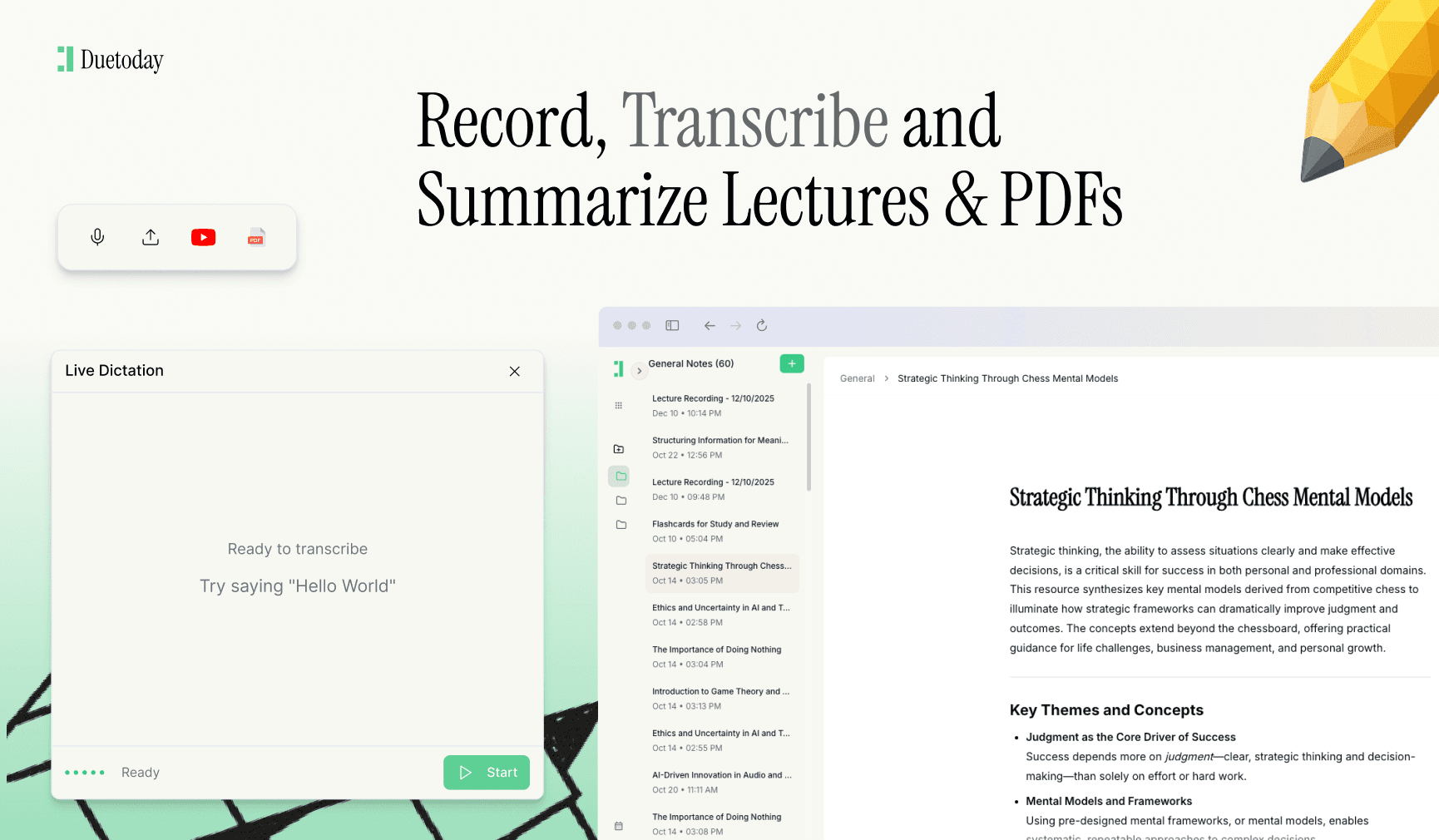
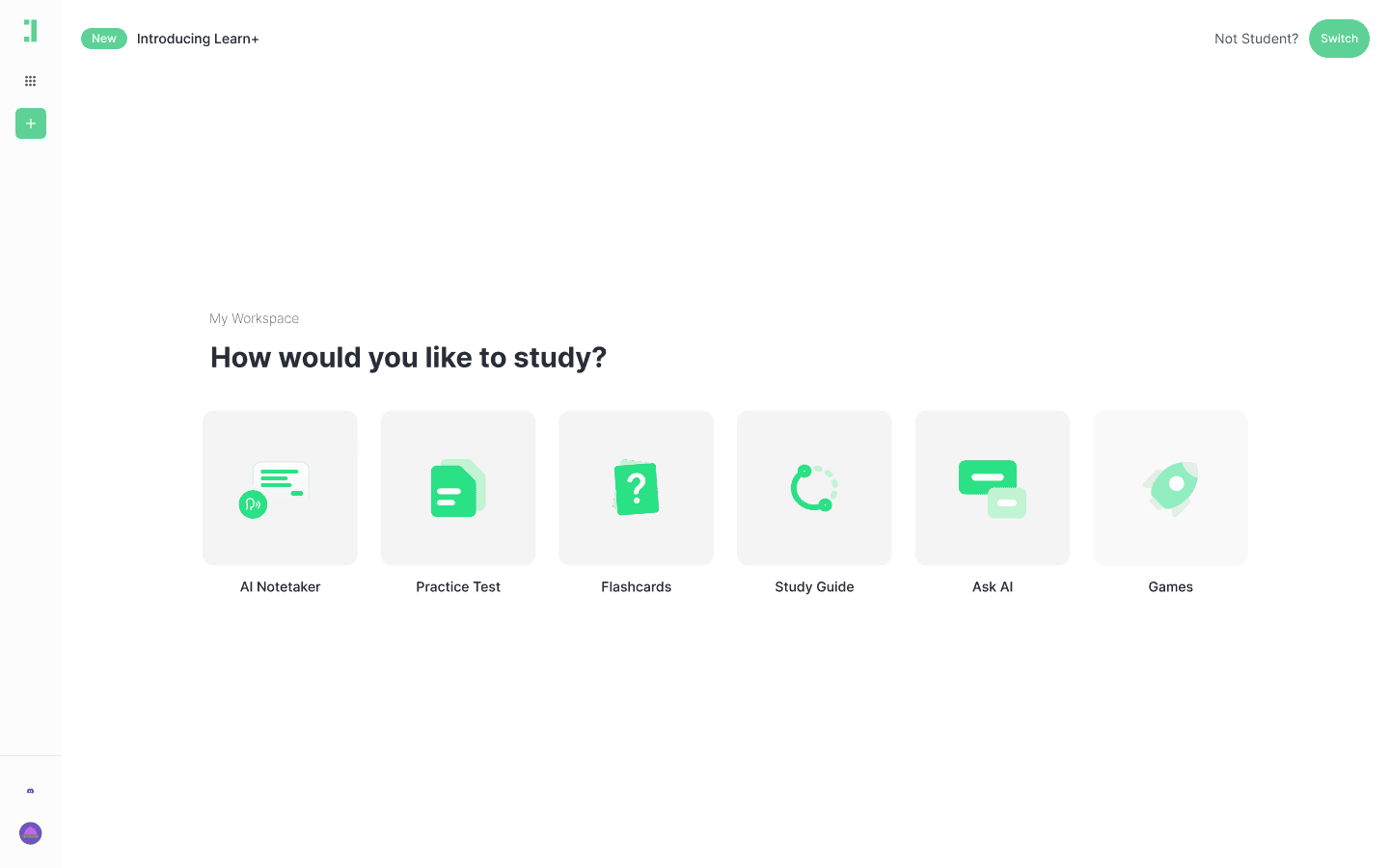
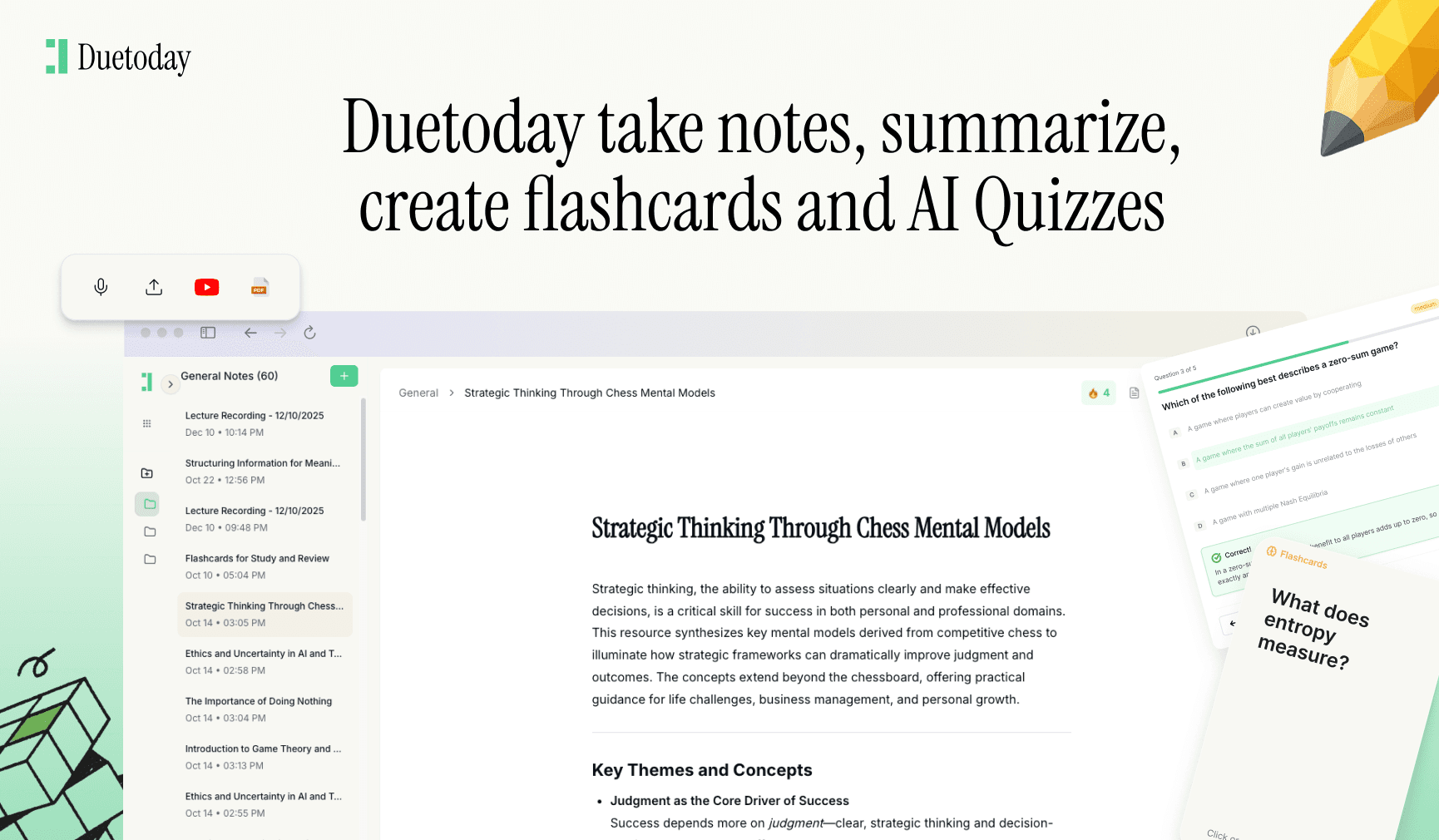
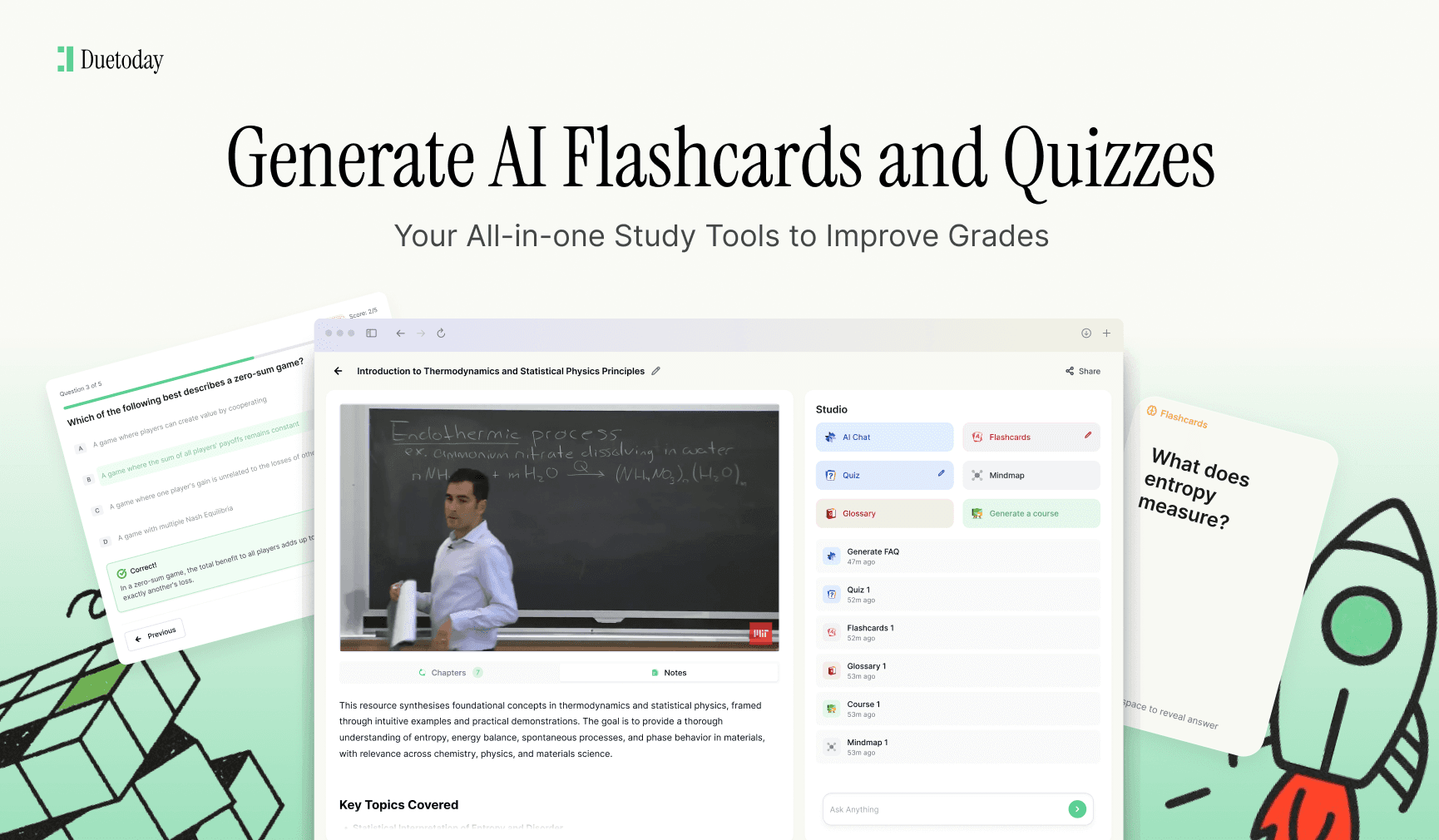
When your time is split between a job and a classroom, you cannot afford to waste hours manually organizing your notes or trying to figure out what to study. Duetoday AI is an AI-powered learning platform that handles the heavy lifting for you by turning your lecture recordings, PDFs, and messy notes into concise summaries and structured study tools automatically. Instead of spending your entire evening rewriting a chapter, you can use Duetoday AI to generate instant flashcards or quizzes, acting as a personalized tutor that helps you retain information faster. This allows you to walk into your part-time shift knowing your study materials are already organized and ready for a quick review during your break.
The Power of Prioritization
Not all assignments are created equal. Some carry 40% of your grade, while others are small weekly quizzes. When you are working part-time, you must learn the art of ruthless prioritization. Use a system like the Eisenhower Matrix to categorize tasks into urgent, important, or neither. Focus your limited energy on the high-impact assignments first. If you have a shift coming up on a Friday night, aim to have your primary academic goals met by Thursday evening so you aren't stuck thinking about an essay while you are trying to serve customers or clear a desk.
Maintaining Mental and Physical Health
One of the biggest risks for working students is neglecting their own well-being. It is easy to survive on caffeine and fast food when you are rushing from a lecture to a five-hour shift, but this lifestyle eventually leads to a crash. To maintain the stamina required for both roles, you must treat sleep and nutrition as non-negotiable parts of your schedule. Even thirty minutes of physical activity a day can significantly lower your stress levels and improve your concentration when you finally sit down to study after a long day at work.
Don't forget to schedule 'nothing time.' It might sound counterintuitive when you are busy, but your brain needs periods of inactivity to process information. If every second of your life is occupied by work or study, you will lose your creative edge and eventually experience burnout. Whether it's a short walk or watching a show, these breaks are essential for long-term academic and professional success. Rest is not a reward for work; it is the fuel that makes the work possible.
Finding Community and Support
You are likely not the only one in your cohort trying to juggle a job and a degree. Finding a study group with other working students can be incredibly beneficial. These peers understand your time constraints and can help keep you accountable. You can share notes, discuss complex topics, and provide moral support during those weeks when everything feels overwhelming. Sometimes, just knowing that someone else is in the same boat makes the journey feel less lonely and more achievable.
Finally, remember to celebrate the small wins. Finishing a difficult shift and then completing a 1,000-word essay on the same day is a massive achievement. Acknowledging your progress helps maintain your motivation. You are developing a level of discipline and time management that will put you miles ahead of your peers once you enter the full-time job market. The skills you are learning now—balancing deadlines, managing a boss, and staying organized—are just as valuable as the degree you are earning.
The Long-Term Benefits of the Hustle
While it might feel exhausting now, working during university builds a resume that shows grit and reliability. Employers look favorably on graduates who have proven they can handle multiple responsibilities simultaneously. You are gaining professional experience and financial independence while others are strictly in the classroom. By using the right tools, staying organized, and protecting your mental health, you aren't just surviving university; you are building a foundation for a high-performance career. Keep your eyes on the finish line and remember that this period of intense multitasking is temporary, but the skills you gain are permanent.
Can I work more than 20 hours a week while studying?
While possible, most experts suggest keeping work under 15-20 hours. Working more can significantly impact your grades and mental health unless your course load is very light.
How do I tell my boss I need time off for exams?
The best approach is honesty and plenty of notice. Send an email or have a chat at least three weeks before your exams, providing a clear list of the dates you are unavailable.
What are the best types of jobs for students?
Jobs with flexible hours or those on campus are ideal. Flexible roles like tutoring, retail, or hospitality allow for easier schedule shifts during busy academic periods.
Is it okay to study during my work break?
Yes, utilizing your break for light review is a great way to save time. This is where tools like flashcards or mobile study apps become very useful.