How to Wake Up Early for Classes

The Struggle of the 8 AM Lecture
We have all been there. Your alarm goes off at 7:00 AM, the room is freezing, and the thought of trek across campus to sit in a lukewarm lecture hall feels impossible. For many university students, the battle against the snooze button is a daily ritual. However, mastering the art of waking up early is not just about showing up to class on time; it is about reclaiming your day and reducing the stress that comes with rushing through your morning routine.
Building a consistent wake-up habit requires more than just willpower. It involves understanding your biological clock and creating an environment that encourages productivity rather than sleepiness. When you wake up early, you give your brain time to boot up properly. You can enjoy a coffee, review your notes, or even squeeze in a quick workout before your first class begins. This shift in momentum can change your entire academic trajectory, moving you from a state of constant catching up to a state of proactive learning.
The Science of Sleep Hygiene
Before you can wake up early, you need to look at what happens before your head hits the pillow. Sleep hygiene is a term used to describe the habits and environmental factors that precede sleep. For students, this is often the hardest part to manage. Between late-night study sessions, social outings, and the endless scroll of social media, our brains are often too wired to rest when we finally decide to turn off the lights.
To fix this, you should start by regulating your light exposure. Blue light from your laptop or phone mimics sunlight, telling your brain to stop producing melatonin, the hormone that makes you sleepy. Try setting a digital curfew at least thirty minutes before bed. Instead of scrolling, try reading a physical book or preparing your outfit for the next day. A dark, cool room is also essential. Your body temperature needs to drop slightly to initiate sleep, so keeping your window slightly cracked or using a fan can make a massive difference in how quickly you drift off.
Building a Morning Routine That Sticks
A morning routine is the bridge between waking up and being productive. If your current routine consists of checking your phone for twenty minutes while lying in bed, you are already draining your mental energy before the day starts. A successful routine should be simple and low-friction. Start by placing your alarm clock or phone across the room. This forces you to physically leave the bed to turn it off, breaking the immediate gravitational pull of your sheets.
Hydration is another key factor. After six to eight hours of sleep, your body is dehydrated, which often manifests as morning grogginess. Drinking a full glass of water immediately after waking up can jumpstart your metabolism and wake up your internal organs. Following this with some light movement, like stretching or walking to the kitchen, signals to your nervous system that the day has officially begun. The goal isn't to perform a three-hour ritual, but to create a sequence of small wins that lead you toward the classroom.
Leveraging Technology for Academic Success
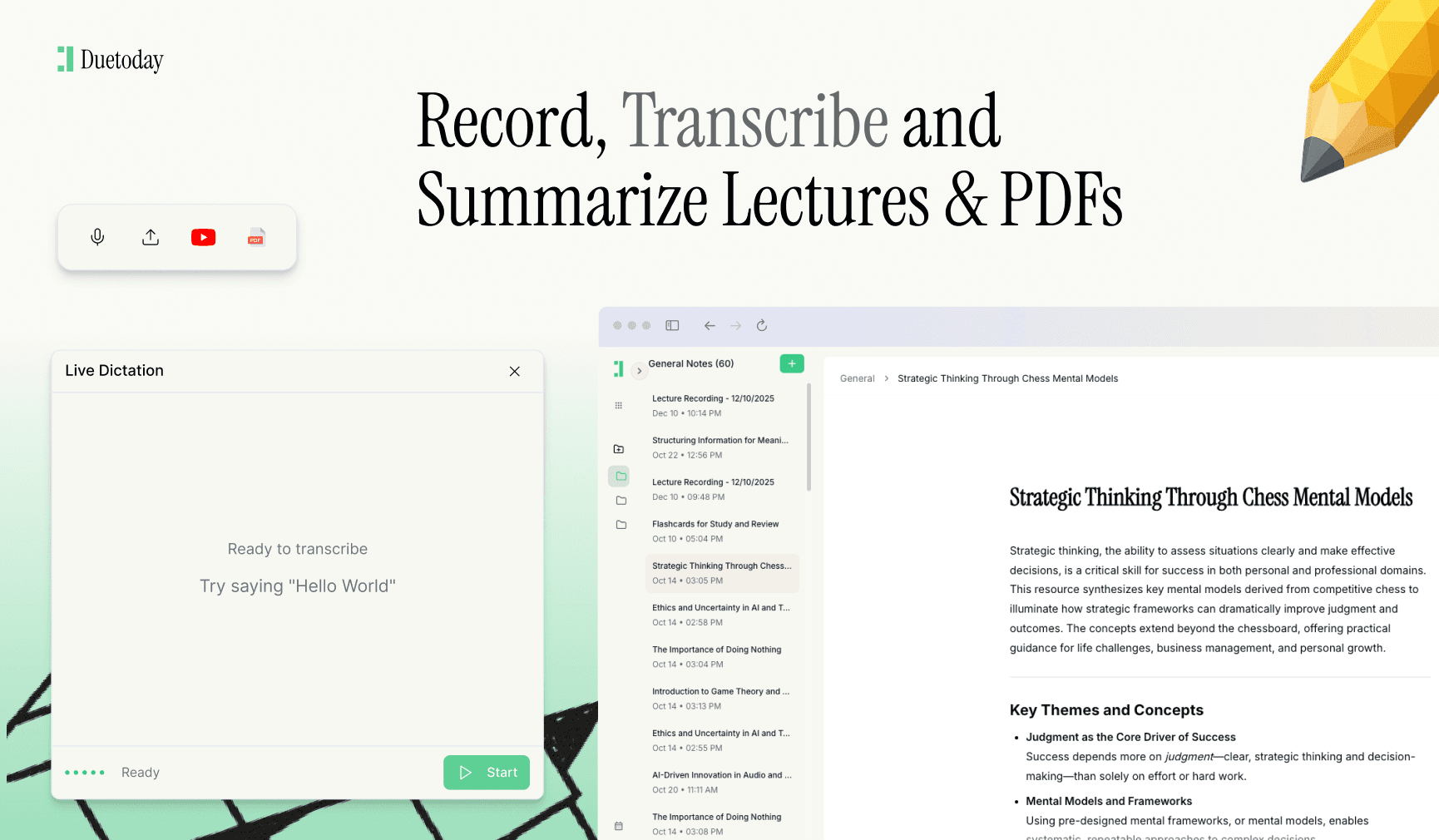
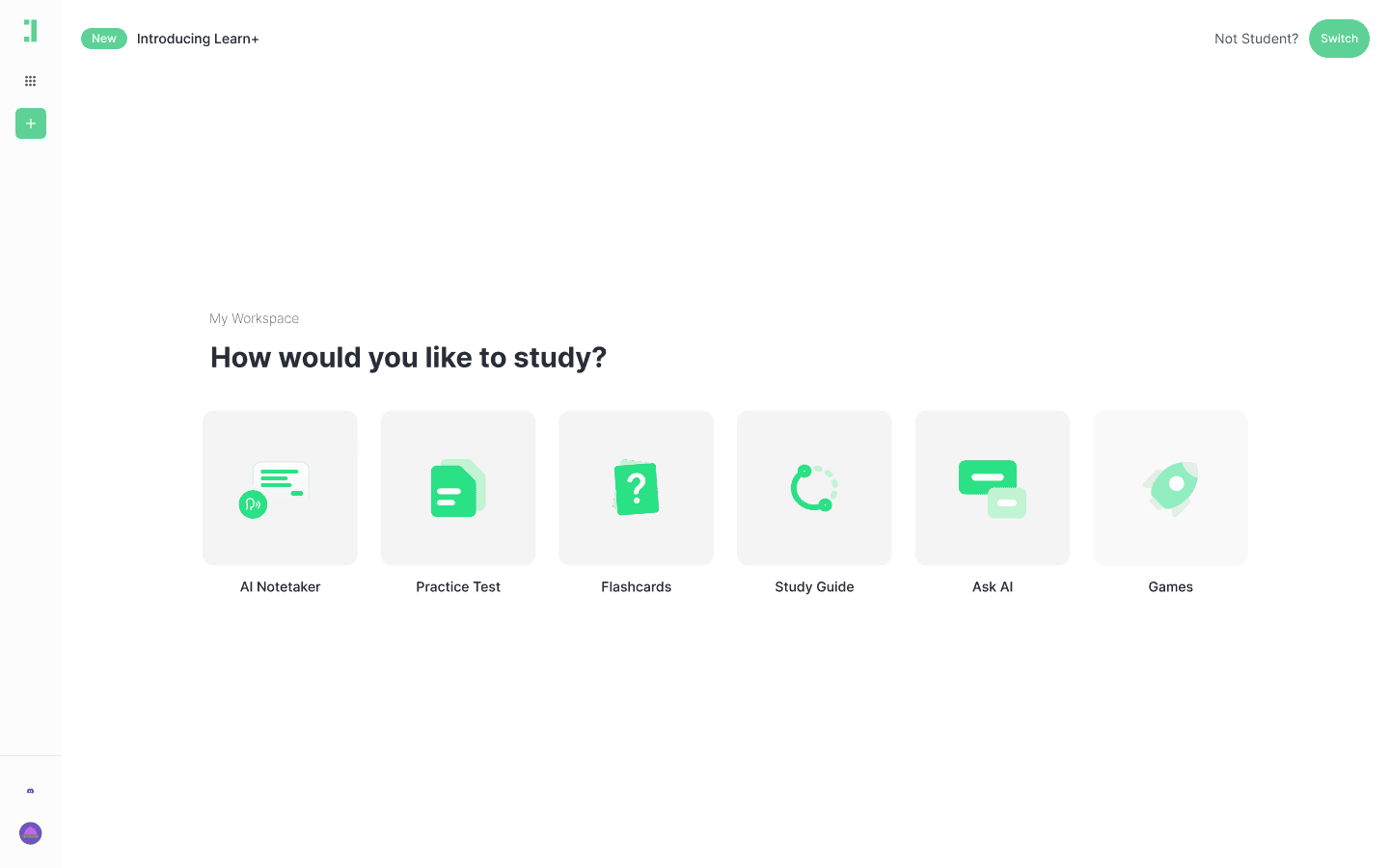
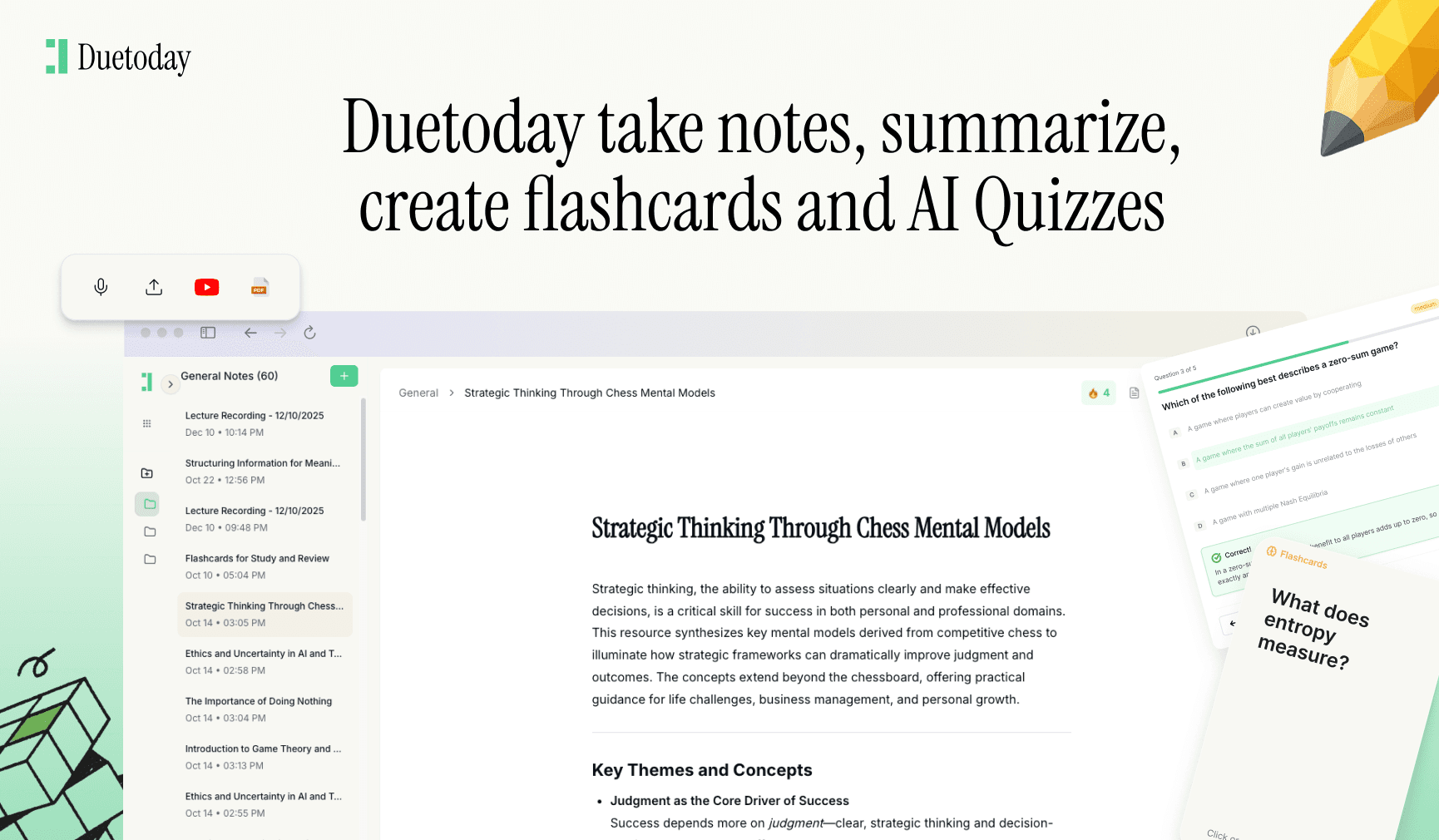
While fixing your sleep schedule helps you get to class, managing the workload once you are there is a different challenge. This is where Duetoday AI becomes an essential part of a student's toolkit. Duetoday is an AI-powered learning platform that turns lectures, PDFs, and notes into summaries, flashcards, quizzes, and structured study tools automatically. It acts like a personalized AI tutor, helping students learn faster, stay organized, and retain information without spending hours rewriting notes. By using Duetoday AI to handle the heavy lifting of organization, you can spend your morning focus on actually learning rather than feeling overwhelmed by a mountain of raw data.
The Power of Consistency
Consistency is the most important factor when trying to shift your internal clock. Your body thrives on rhythm. If you wake up at 7:00 AM on weekdays but sleep until noon on weekends, you are effectively giving yourself jet lag every single week. This phenomenon, known as social jet lag, makes Monday mornings feel significantly harder than they need to be. Try to keep your wake-up time within a one-hour window, even on your days off, to keep your circadian rhythm stable.
Strategic Napping and Caffeine
Caffeine is a double-edged sword for students. While a morning coffee can provide the necessary jolt to get through a boring lecture, consuming it too late in the afternoon can sabotage your sleep later that night. Try to set a caffeine cutoff time around 2:00 PM. If you feel a midday slump, consider a strategic power nap of twenty minutes or less. Anything longer can lead to sleep inertia, leaving you feeling more tired than before you laid down. Understanding how these substances and habits affect your energy levels will help you stay sharp during those early morning seminars.
Dealing with the Mental Block
Sometimes the reason we can't get out of bed isn't physical exhaustion, but mental dread. If you are facing a particularly difficult subject or a professor you don't like, your brain will find every excuse to stay under the covers. To combat this, give yourself something to look forward to in the morning. This could be a specific breakfast you enjoy, a podcast you only listen to while walking to class, or just the peace of a quiet campus. When you associate the early morning with a positive experience rather than just a chore, waking up becomes a choice rather than a struggle.

Is it possible to become an early bird if I am a night owl?
Yes, while genetics play a role, you can shift your internal clock by gradually moving your wake-up time earlier by 15 minutes every few days and maintaining consistency.
How much sleep do university students actually need?
Most adults need between 7 and 9 hours of quality sleep. While you might survive on 5 hours, your cognitive functions like memory and focus will be significantly impaired.
Should I study late at night or early in the morning?
Research suggests that early morning study is often more effective because the brain is fresh and there are fewer distractions, provided you have had enough sleep.
What is the best way to stop hitting the snooze button?
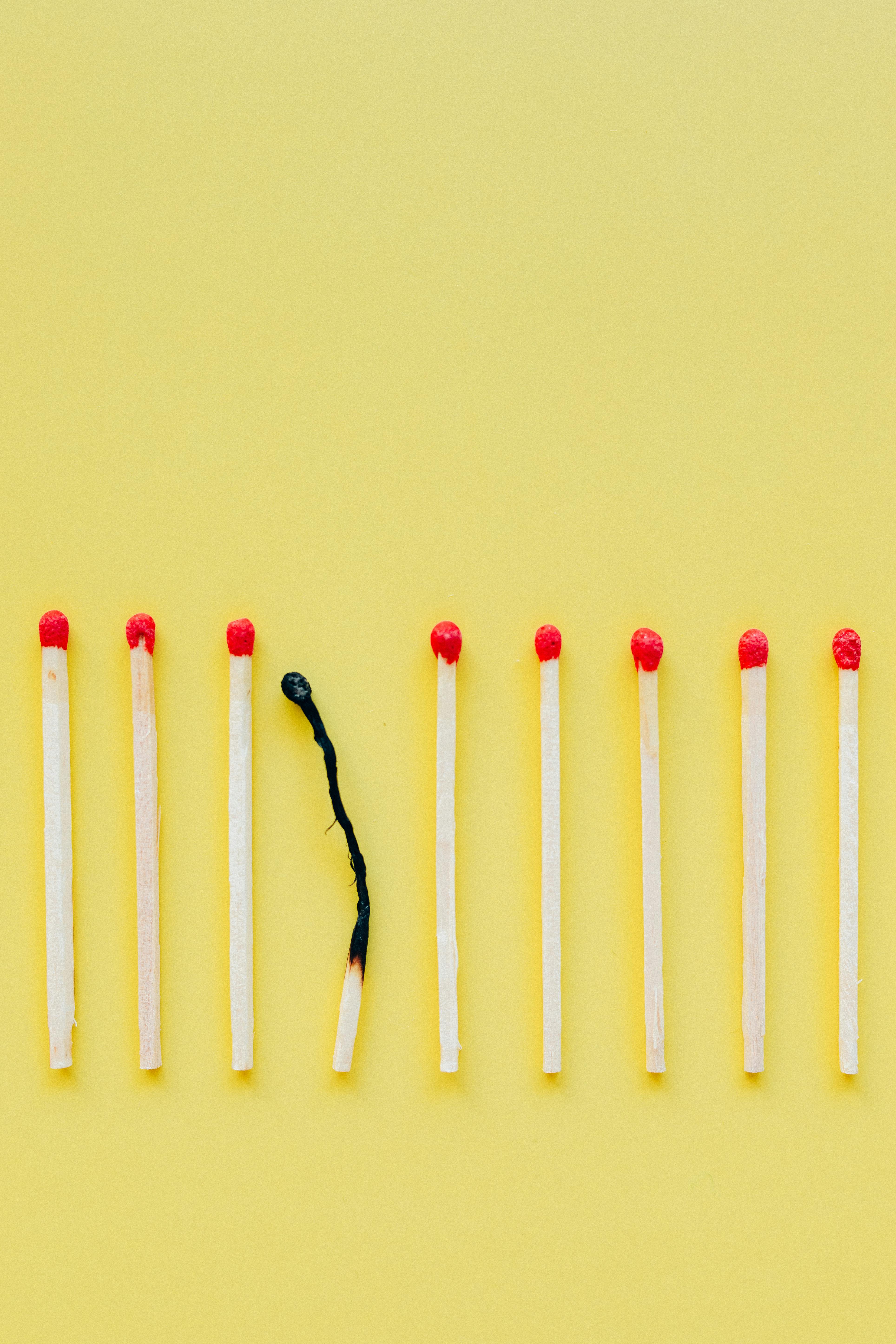
The best method is to place your alarm far from your bed so you have to stand up. Once you are standing, avoid the temptation to get back in.