How to Study Medicine in University

The Reality of Medical School Life
Entering medical school is a massive milestone, but the transition from pre-med or high school to a full-blown medical curriculum can feel like jumping into the deep end of a very cold pool. The sheer volume of information is often compared to trying to drink water from a firehose. Students are expected to master anatomy, biochemistry, physiology, and pathology all at once while maintaining their mental well-being. The key to surviving and eventually thriving in this environment is not just working harder, but working significantly smarter. Understanding the landscape of your degree is the first step toward becoming a successful doctor.
Mastering the Pre-Clinical Years
The first two years of medicine are typically the pre-clinical phase, where you spend more time in lecture halls and laboratories than in hospital wards. This period is dedicated to building a rock-solid foundation of scientific knowledge. Many students make the mistake of trying to memorize every single sentence in their textbooks. Instead, you should focus on conceptual understanding. If you understand the 'why' behind a physiological process, the 'what' becomes much easier to recall during an exam. Use active recall and spaced repetition from day one rather than leaving it for the final weeks of the semester.
Effective Time Management for Med Students
Time is your most valuable resource in university. Between mandatory lectures, anatomy dissections, and clinical skills sessions, your schedule will be packed. Creating a non-negotiable study routine is essential. Most top-performing medical students treat their studies like a 9-to-5 job, ensuring they get the bulk of their reading done during the day so they can actually rest in the evening. Burnout is a real threat in the medical field, so scheduling downtime is just as important as scheduling your histology review.
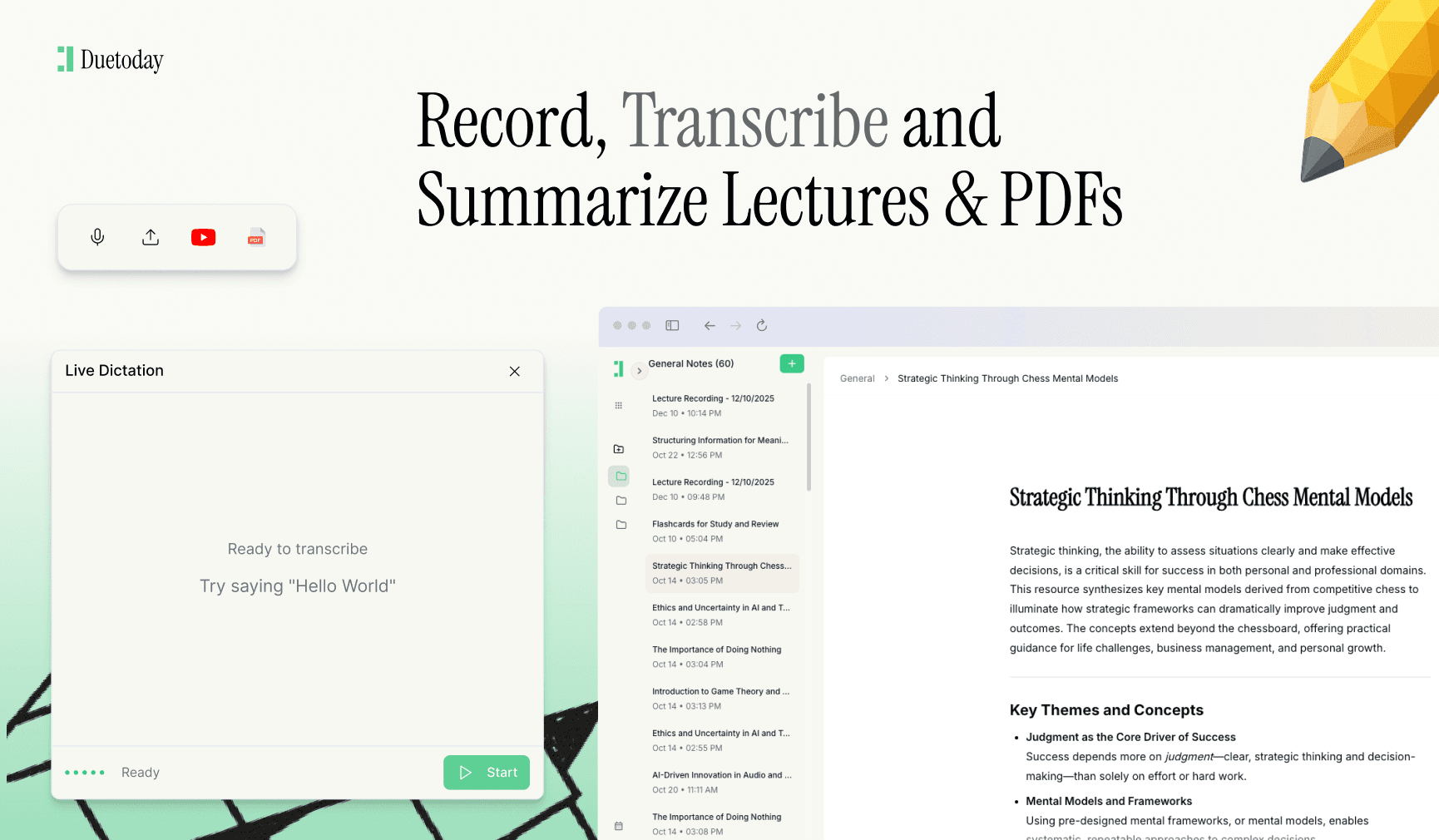
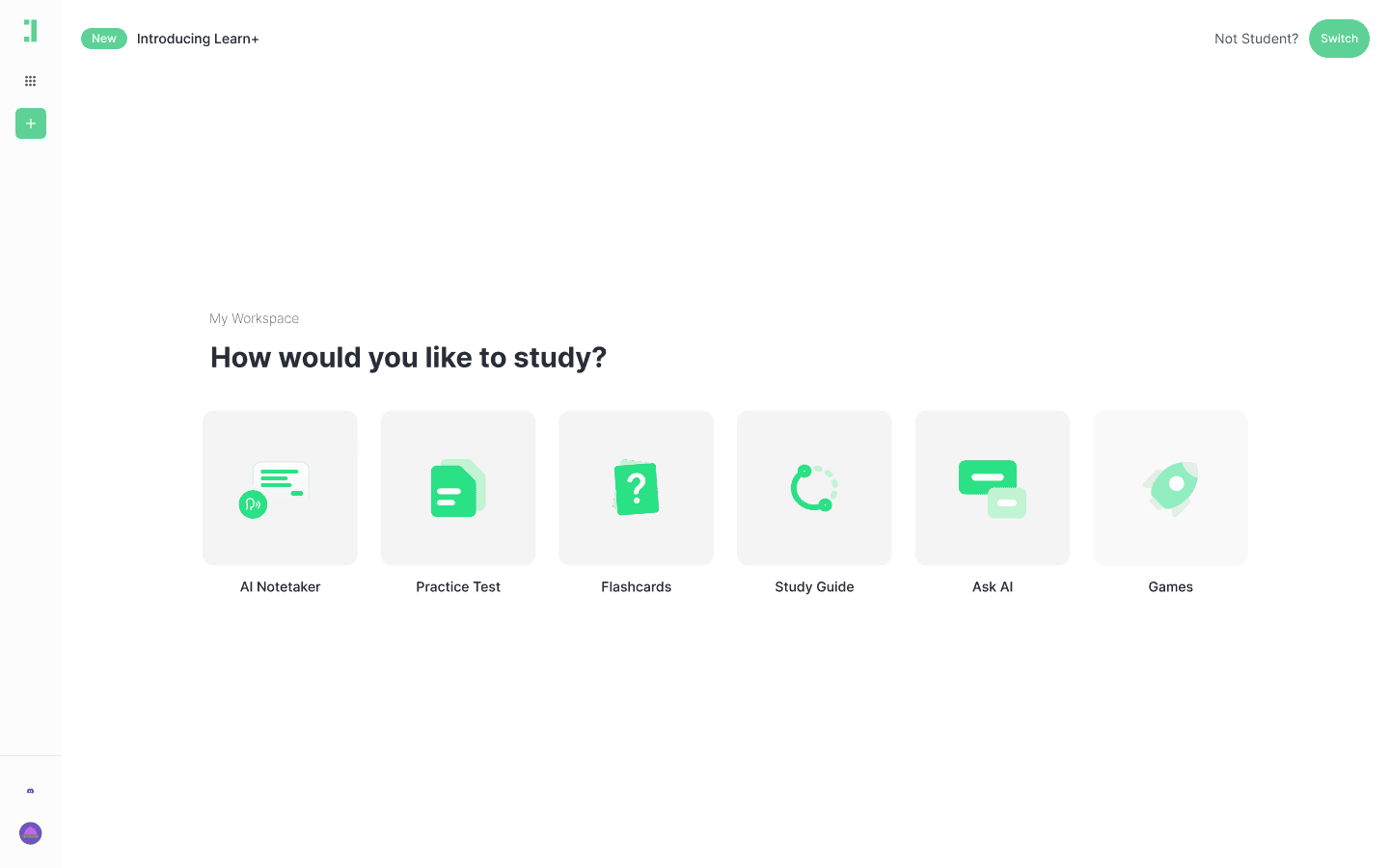
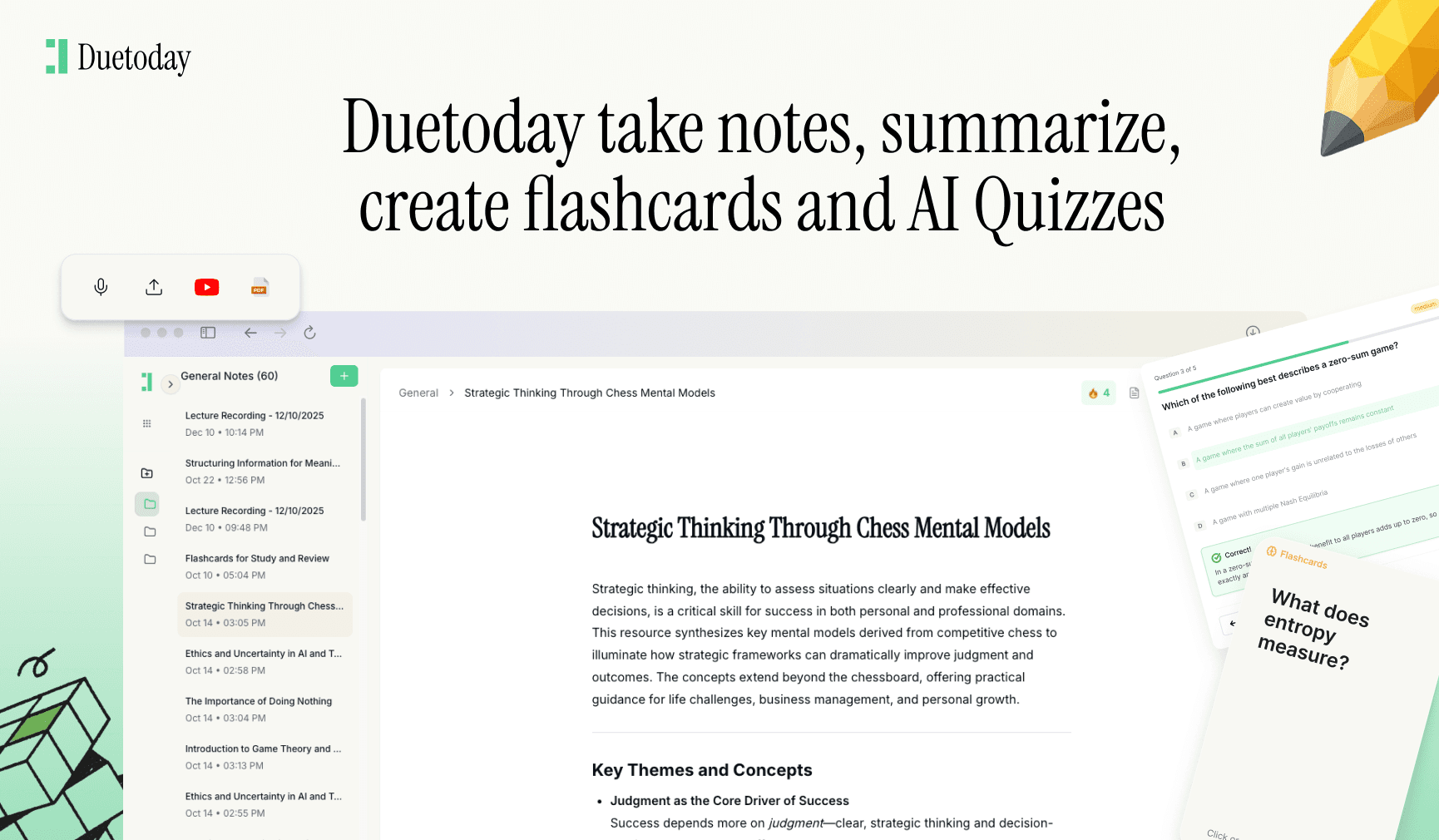
When the pressure mounts and the pile of lecture slides feels insurmountable, tools like Duetoday AI can be a lifesaver. Duetoday is an AI-powered learning platform that turns lectures, PDFs, and notes into summaries, flashcards, quizzes, and structured study tools automatically. It acts like a personalized AI tutor, helping students learn faster, stay organized, and retain information without spending hours rewriting notes. For a busy medical student, having an AI that can instantly distill a complex 60-slide cardiology lecture into a concise summary or a set of flashcards means more time for clinical practice and, more importantly, sleep.
The Importance of Anatomy and Physiology
Anatomy is often the hurdle that causes the most stress for first-year students. The amount of terminology is staggering. To master this, you need to engage multiple senses. Don't just look at diagrams; use 3D modeling apps, attend every cadaver lab session, and try to draw the structures yourself. Physiology, on the other hand, requires a logical approach. It is about systems and cycles. If you can explain a process to a peer without looking at your notes, you have truly mastered the material. Peer-to-peer teaching is one of the most effective ways to solidify these complex concepts in your long-term memory.
Transitioning to Clinical Rotations
Once you move into your clinical years, the way you study must shift. You are no longer just learning for a written test; you are learning for the benefit of your future patients. This is where 'bedside learning' becomes crucial. Spend as much time as possible in the hospital. Observe how senior doctors interact with patients, take histories whenever you are allowed, and perform physical examinations under supervision. The patterns you see in real life will stick in your mind far better than any case study in a book.
Developing Your Clinical Reasoning
Clinical reasoning is the process by which a doctor integrates their knowledge with a patient's symptoms to reach a diagnosis. It is a skill that takes years to hone. You can start practicing this early by using 'differential diagnosis' thinking. Whenever you read about a symptom, ask yourself what else could cause it. This lateral thinking is what separates a good student from a great clinician. Don't be afraid to ask questions during rounds, even if you think they sound simple. Usually, those are the questions that clarify the most important points.
Note-Taking and Revision Strategies
Traditional note-taking is often too slow for the pace of medical school. Many students are moving toward digital systems where they can annotate lecture slides in real-time. The goal of your notes should be to create a resource that is easy to review later. Avoid transcribing every word the professor says. Instead, focus on the high-yield information. High-yield refers to the concepts that are most clinically relevant and most likely to appear on boards or final exams. Organize your notes by body systems or diseases rather than just chronologically by date of lecture.
The Role of Mental Health and Community
Studying medicine is a marathon, not a sprint. It is incredibly easy to isolate yourself in the library, but social connection is vital for your resilience. Join medical student societies, play sports, or keep up with hobbies that have nothing to do with medicine. Having a support network of people who understand the specific stresses of med school can help you navigate the difficult periods. Remember that your grades do not define your worth as a future healer. Resilience, empathy, and a willingness to keep learning are what truly matter in the long run.
Preparing for Professional Exams
Whether it is the USMLE, PLAB, or your university's specific finals, standardized exams are a hurdle every med student faces. Start your preparation early but avoid peaking too soon. Use question banks to familiarize yourself with the format of the questions. These exams often test your ability to apply knowledge to clinical scenarios rather than just reciting facts. Taking practice tests under timed conditions will build the stamina you need for the actual exam day. Stay consistent, stay hydrated, and trust the process you have built over the years.

How many hours a day should medical students study?
While it varies, most medical students find that 4 to 6 hours of focused study outside of lectures is necessary to stay on top of the curriculum.
Is it possible to have a social life while studying medicine?
Yes, it is entirely possible. The key is strict time management and prioritizing tasks so that weekends or evenings can be kept free for social activities.
What is the hardest subject in the first year of medicine?
Most students find Anatomy and Biochemistry to be the most challenging due to the heavy memorization and complex pathways required.
Do I need to buy every recommended textbook?
No, often the library or digital resources are enough. Focus on high-quality review books that align with your specific exam style.
How can I retain so much information long-term?
Use active recall, spaced repetition, and teaching others. Tools that automate these processes can significantly improve your retention rates.