How to Study Economics [Guide for University Students]

Understanding the Core Principles of Economics
Economics is often called the dismal science, but for university students, it is a fascinating exploration of how the world allocates resources. To excel in this subject, you must move beyond simple rote memorization. Economics is built on logic and frameworks. Whether you are studying microeconomics or macroeconomics, the first step is to grasp the fundamental concepts like scarcity, opportunity cost, and supply and demand. These are the building blocks for every advanced theory you will encounter later in your degree.
One of the biggest mistakes students make is treating economics like a history class where you just remember dates and names. In reality, it is more like a language or a mathematical puzzle. You need to understand how one variable change affects another. When you look at a shift in a demand curve, don't just memorize the direction; ask yourself why it moves. Understanding the underlying human behavior is what makes the content stick.
Mastering the Visual Language of Graphs
Graphs are the primary way information is communicated in economics. If you cannot draw a graph and explain it, you do not truly understand the concept. When studying, practice drawing your models from scratch on a blank piece of paper. Label every axis correctly and ensure you can explain every intersection point. Visualizing the relationship between price, quantity, and cost will make your exam performance much stronger.
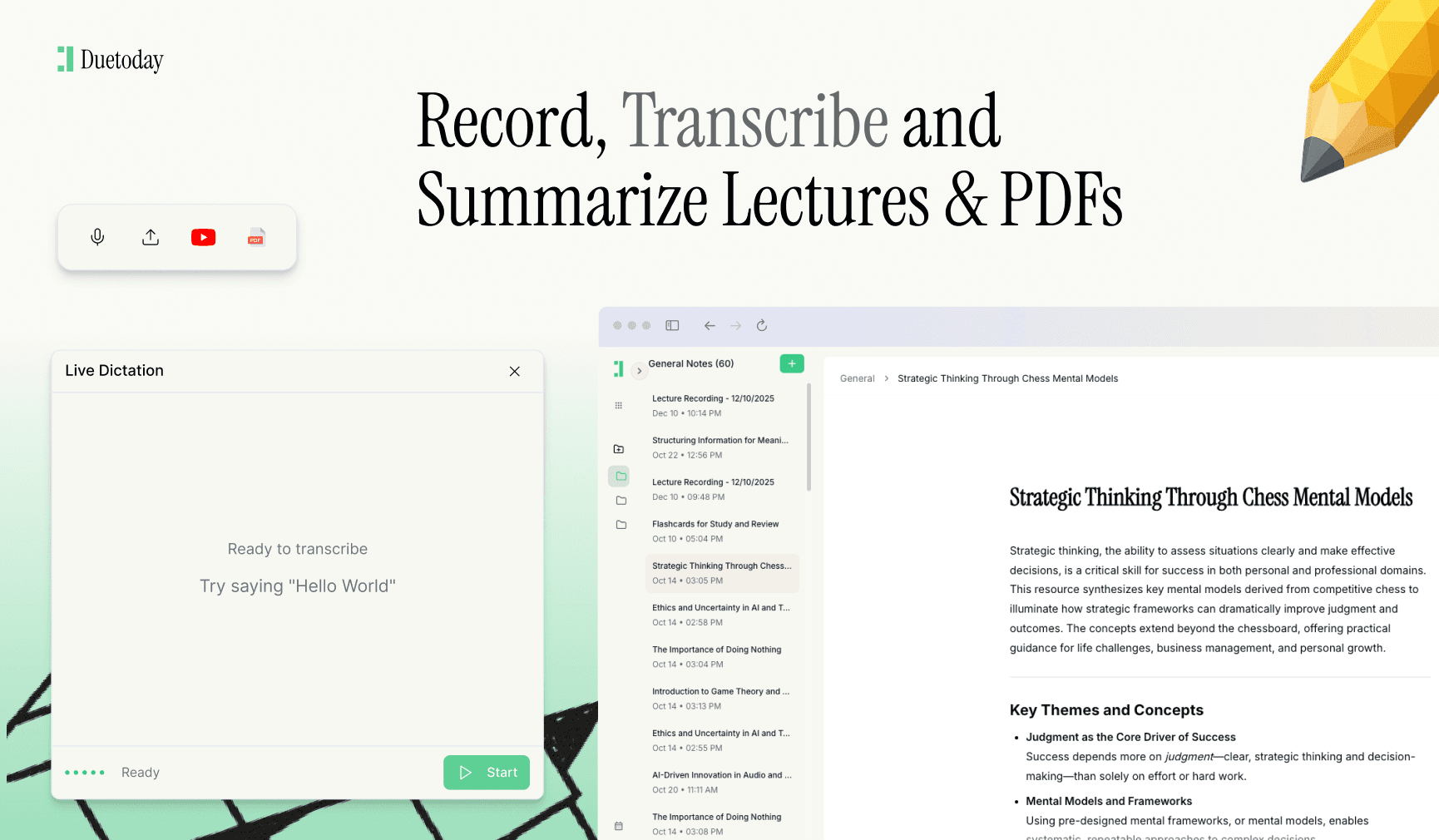
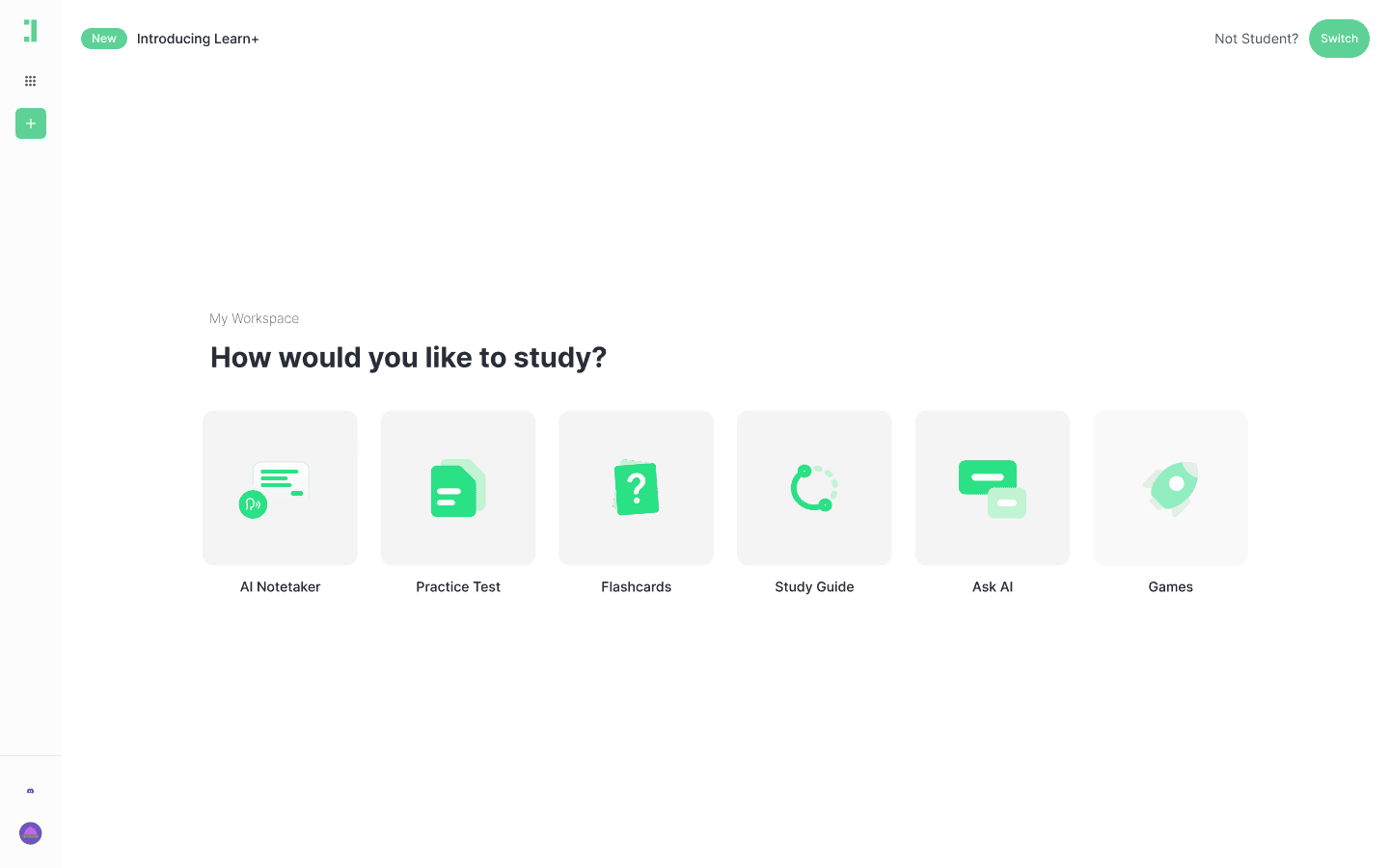
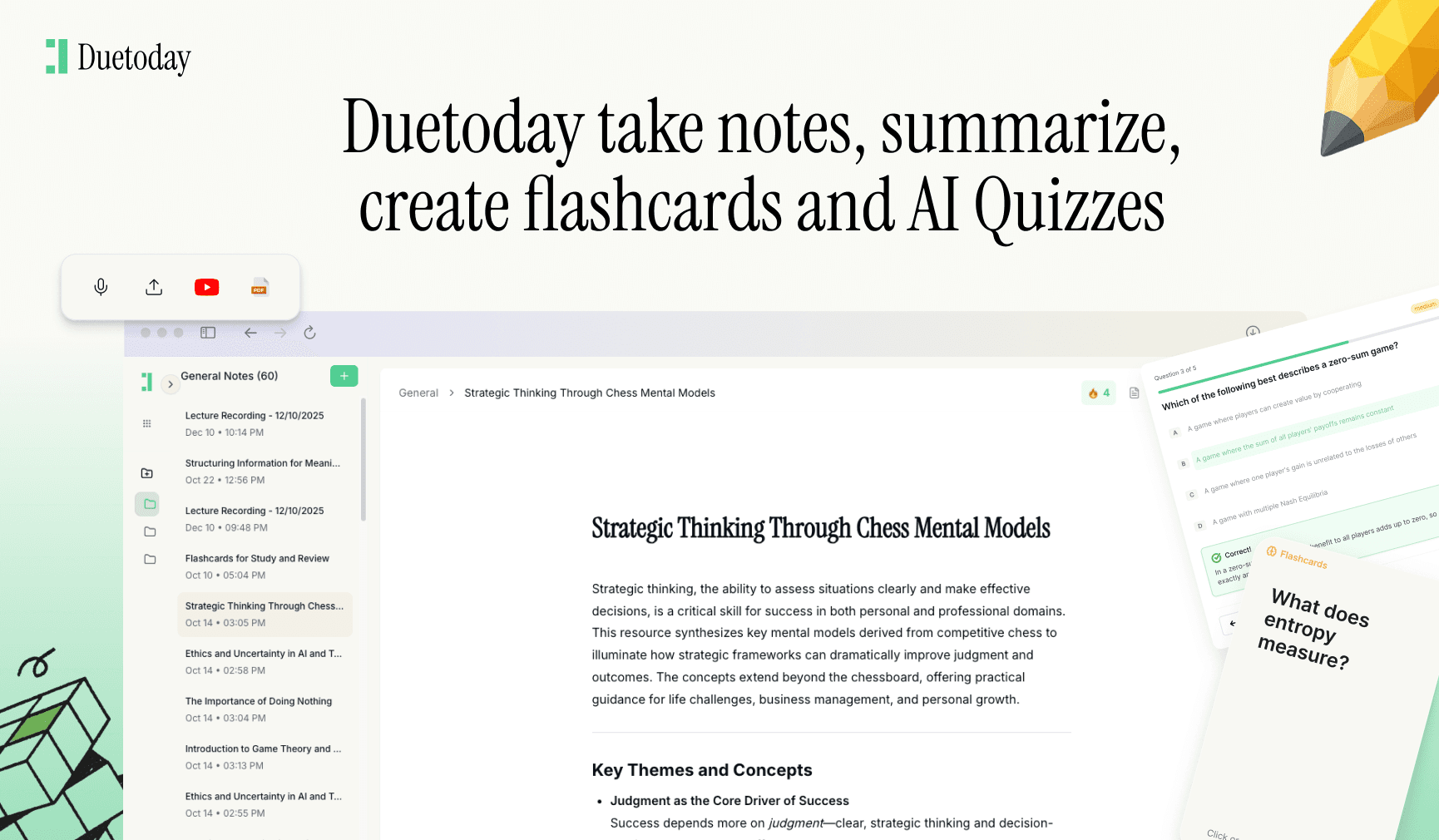
To make this process easier, many students are turning to modern technology. Duetoday AI is an AI-powered learning platform that turns lectures, PDFs, and notes into summaries, flashcards, quizzes, and structured study tools automatically. It acts like a personalized AI tutor, helping students learn faster, stay organized, and retain information without spending hours rewriting notes. By using tools like this, you can spend less time transcribing and more time analyzing the actual economic trends.
Integrating Mathematics into Your Study Routine
For many, the math involved in economics can be intimidating. From derivatives in utility maximization to complex statistical regressions in econometrics, math is unavoidable. The key is to treat math as a tool rather than an obstacle. Always relate the calculation back to the economic theory. If you are calculating the marginal rate of substitution, remind yourself that this represents how much of one good a consumer is willing to give up for another. This context makes the numbers meaningful.
Bridging the Gap Between Theory and Reality
The best economics students are those who keep up with the news. Economic theories can feel abstract until you see them playing out in real-time. Whether it is inflation data being released by the central bank or a new trade policy affecting global markets, real-world examples provide the best case studies. Try to apply what you learned in your morning lecture to a headline you read in the afternoon. This habit reinforces your learning and makes you a better critical thinker.
Group study sessions can also be incredibly beneficial in this subject. Explaining a concept to a peer is one of the most effective ways to solidify your own understanding. When you have to break down a concept like game theory or deadweight loss for someone else, you identify gaps in your own knowledge. Just ensure your group sessions stay focused on the material to maximize efficiency.
Effective Note-Taking and Revision Strategies
In economics, your notes should be a mix of text, equations, and diagrams. Don't just copy the slides. Instead, try to write down the logic the professor uses to reach a conclusion. Use different colors for your graphs to distinguish between initial states and shifts. When it comes to revision, start early. Economics builds upon itself, so if you miss a concept in week three, you will likely struggle in week eight.
Use past papers as your primary revision tool. Economic questions often follow specific patterns, and getting used to the phrasing of exam questions is half the battle. Focus on the 'why' behind the answers rather than just the answers themselves. By focusing on the structural logic of the subject, you will be prepared for any curveball the examiners throw your way during finals.
Managing Your Workload Successfully
University life is busy, and economics is a demanding major. Time management is crucial for staying ahead of the curve. Break your syllabus down into manageable chunks and tackle the hardest topics when your brain is most fresh. Don't leave the heavy math or complex modeling for late at night when you are tired. Consistency is more important than intensity; studying for one hour every day is far more effective than an all-night cram session before the midterm.

How much math is required for economics?
While basic economics requires simple algebra, advanced courses involve calculus and statistics. Developing your math skills early will make the major much easier.
What is the best way to memorize economic models?
Don't memorize them; understand the logic behind them. Practice drawing them until the relationship between variables becomes intuitive.
Is economics harder than other social sciences?
Economics is often seen as more rigorous due to the mathematical and analytical components, but it is highly rewarding for those who enjoy logic.
How can I stay updated on economic trends?
Read reputable financial news sources and listen to economics podcasts to see how classroom theories apply to the real world.