How to Study Data Science [The Ultimate Guide for Uni Students]

Getting Started with Data Science in University
Data science has quickly become one of the most sought-after fields for university students. However, the path to becoming a data scientist can feel overwhelming because of the sheer amount of information you need to absorb. From statistics and linear algebra to programming languages like Python and R, the curriculum is often dense and fast-paced. To truly master these subjects, you need more than just a textbook; you need a strategic approach to learning that prioritizes understanding over memorization.
The first step in your journey is building a rock-solid foundation in mathematics. Most data science algorithms are built on linear algebra, calculus, and probability. Instead of just solving equations, try to understand why these mathematical concepts matter in a real-world context. For instance, knowing how probability affects a machine learning model’s prediction is far more valuable than simply passing a midterm exam. When you approach your studies with curiosity, the complex theories start to feel like useful tools rather than obstacles.
Mastering the Programming Landscape
Coding is the language of data science. For most students, Python is the best place to start because of its readability and the massive ecosystem of libraries like Pandas, NumPy, and Scikit-Learn. When you study programming, avoid the trap of just copying code from a tutorial. Instead, try to build small scripts that solve actual problems. Whether it is scraping data from a website or automating a spreadsheet, practical application is what makes the syntax stick in your brain.
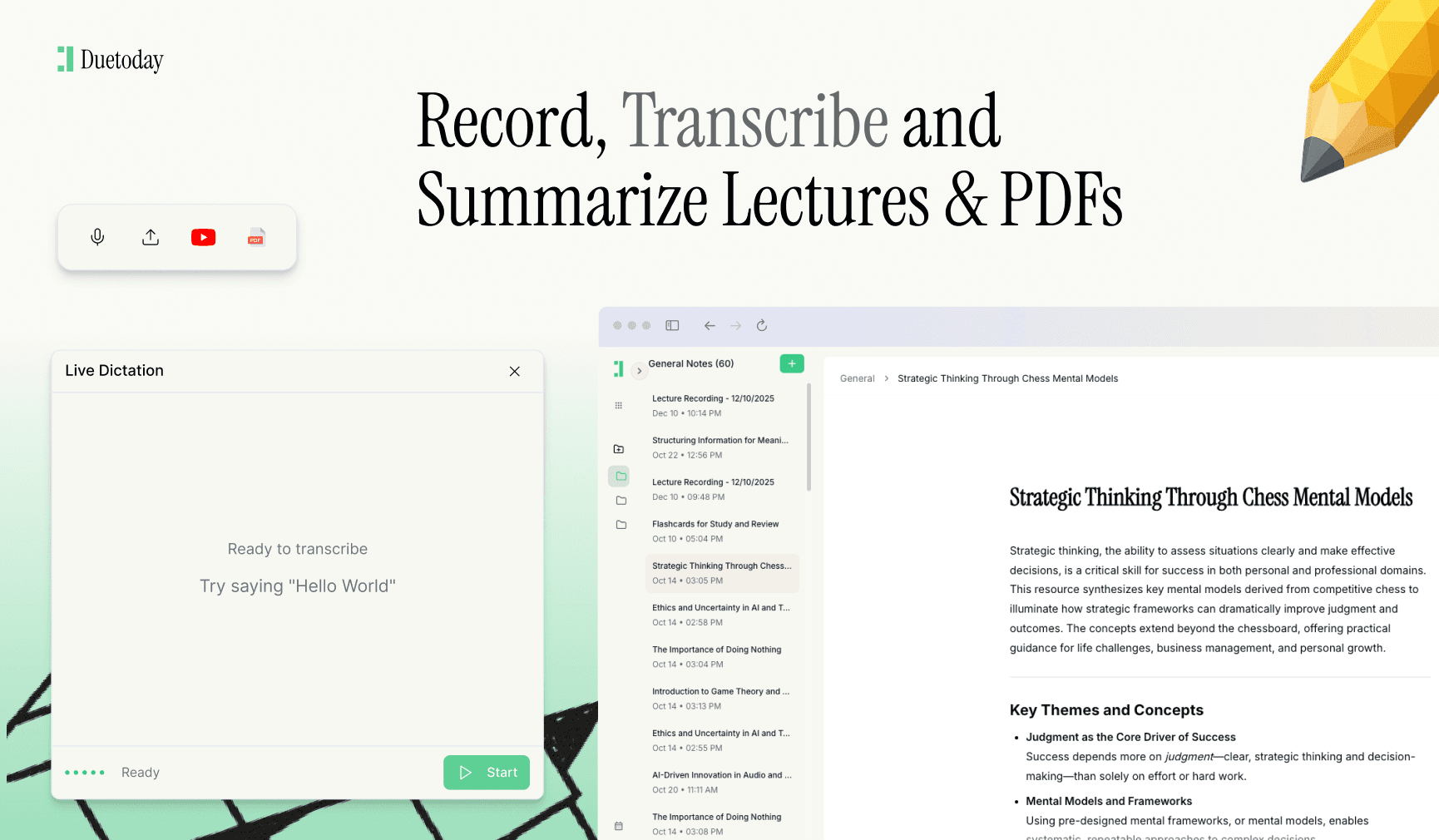
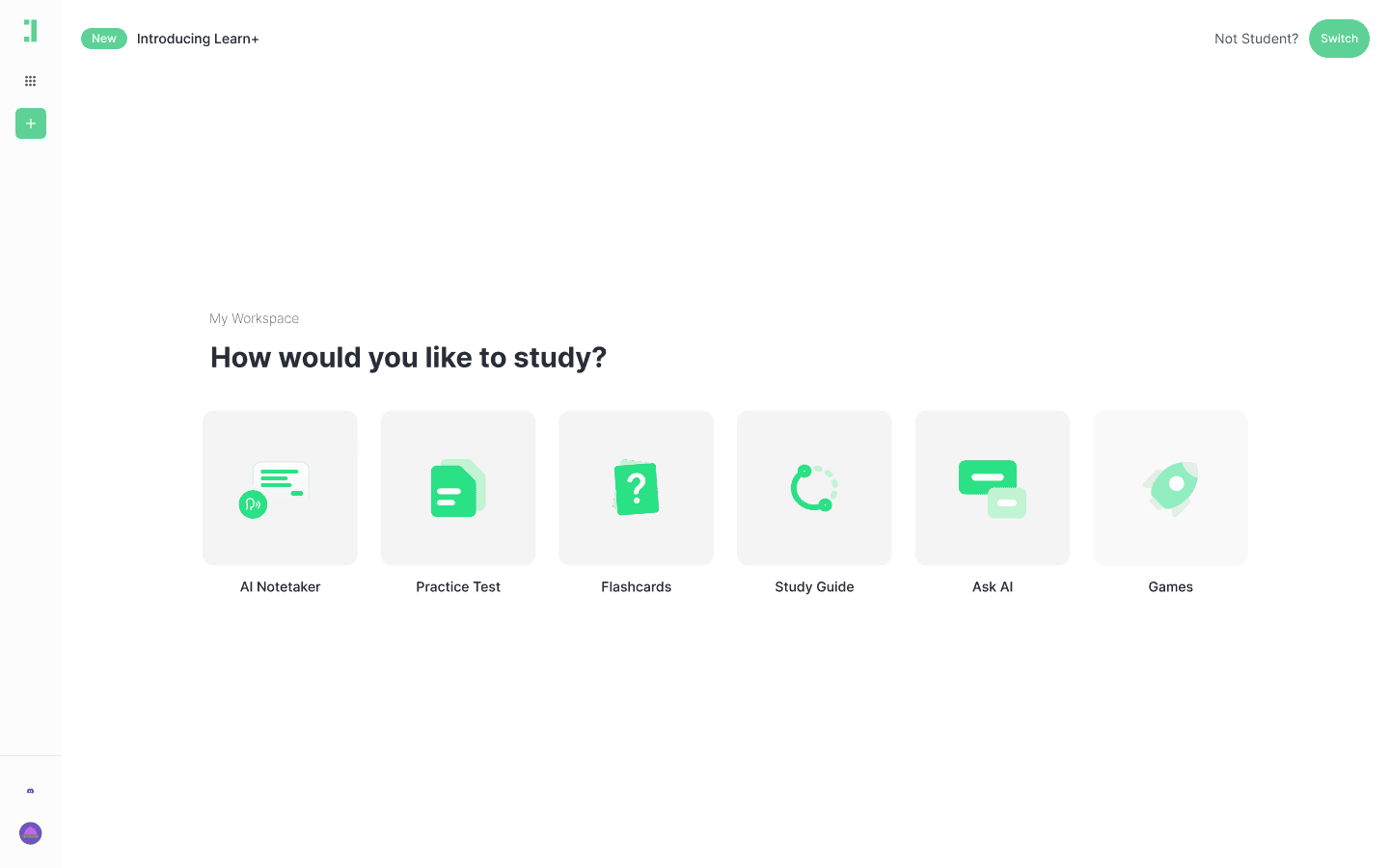
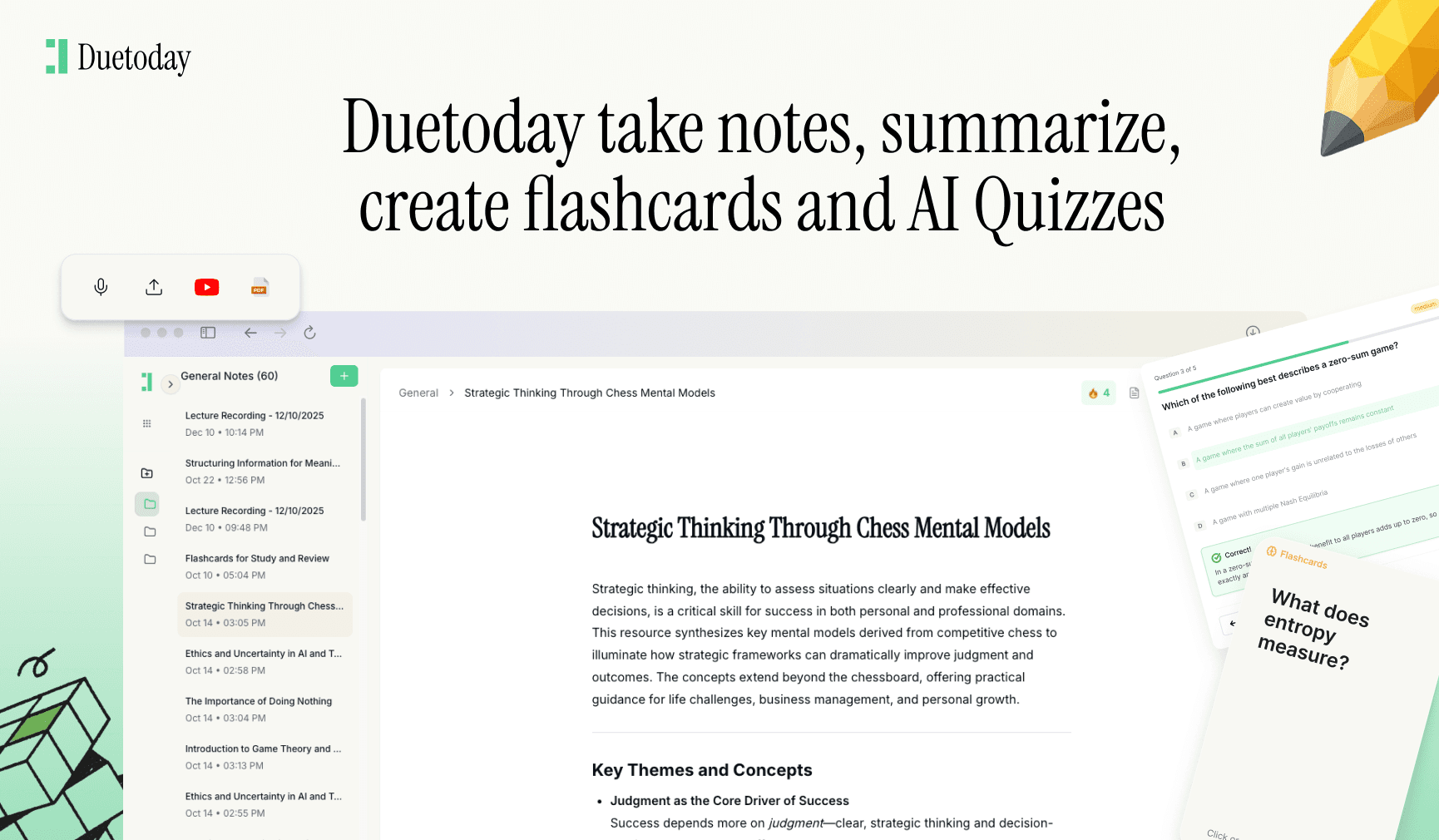
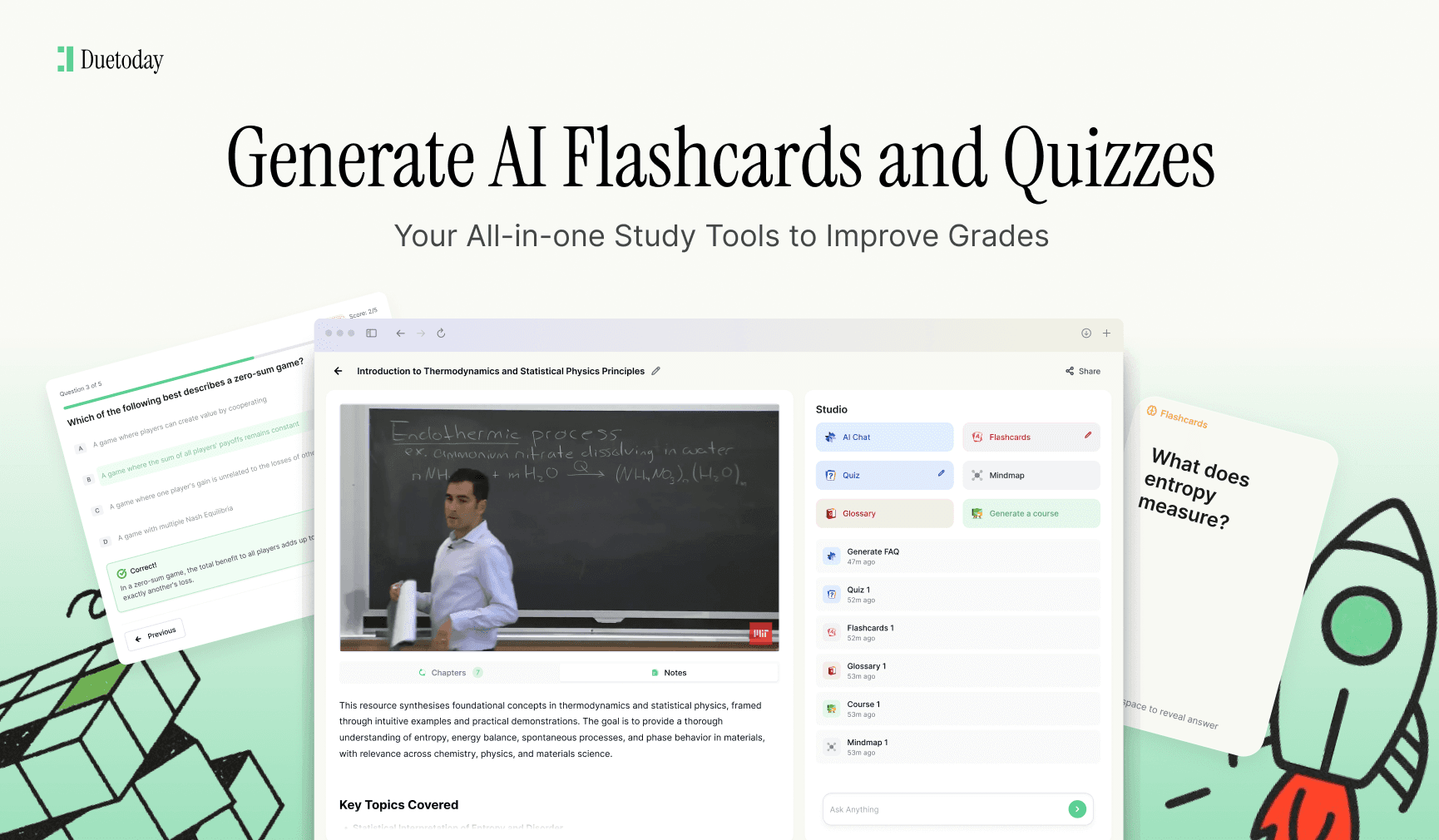
As you progress through your degree, you will likely encounter an overwhelming amount of lecture slides and research papers. This is where modern tools can save you hundreds of hours. Duetoday AI is an innovative learning platform designed specifically for the modern student. It takes your complex data science lecture notes or PDFs and instantly converts them into structured summaries, flashcards, and quizzes. By using Duetoday AI, you can transform a dry 50-page slide deck into a personalized study session, allowing you to focus on high-level concepts while the AI handles the organization and retention part of your learning journey.
The Role of Data Visualization
Data is useless if you cannot communicate what it means. Learning tools like Matplotlib, Seaborn, or even Tableau is essential for any aspiring data scientist. When studying visualization, focus on the story the data is telling. A good plot should be intuitive and clear. University projects are a great time to practice this. Instead of settling for a basic bar chart, think about how color, labeling, and scale can make your findings more persuasive to a non-technical audience.
Building Projects and Portfolios
One of the biggest mistakes university students make is focusing solely on their grades while ignoring their portfolio. In the world of data science, being able to show what you have built is often more important than the name of your degree. Start by looking for datasets on platforms like Kaggle or government open-data portals. Find a question that interests you and use your skills to find the answer. Document your process on GitHub or a personal blog so that future employers can see your logical thinking and coding style.
Effective Note-Taking and Retention
Data science is a cumulative subject, meaning what you learn in week one will be vital for week ten. Traditional note-taking often fails students because it is passive. Instead, try active recall. After a lecture, write down the three most important things you learned without looking at your notes. This forces your brain to retrieve information, which strengthens memory. Coupling this with spaced repetition ensures that you won’t forget the foundational concepts as you move on to more advanced topics like neural networks or deep learning.
Networking and Community Participation
Don’t study in a vacuum. The data science community is incredibly active and helpful. Join student clubs, attend hackathons, and participate in online forums like Stack Overflow or Reddit’s data science communities. Engaging with others allows you to see different perspectives on problem-solving and keeps you updated on the latest industry trends. Networking isn't just about finding a job; it is about finding mentors and peers who can help you when you are stuck on a difficult coding problem or a complex statistical proof.
Consistency Over Intensity
It is tempting to pull all-nighters right before a big project is due, but data science requires a level of focus that is hard to maintain when you are exhausted. Aim for consistency. Spending one hour every day coding or studying statistics is much more effective than a ten-hour marathon once a week. This steady pace allows your brain to process information in the background, leading to those 'aha!' moments that make the struggle worth it. Remember that becoming a data scientist is a marathon, not a sprint. Take breaks, stay curious, and keep building.
What skills are most important for data science?
Strong fundamentals in statistics, critical thinking, and problem-solving are essential. You should also be comfortable with programming (usually Python), data visualization, and basic machine learning concepts.
Is math required to learn data science?
Yes, but you don’t need advanced research-level math to start. Focus on probability, linear algebra basics, and statistics — these help you understand how models work rather than just using them blindly.
What tools do beginners usually start with?
Most beginners use Python with libraries like Pandas, NumPy, and Matplotlib. Jupyter Notebook is popular because it lets you write code and explanations in one place.
Can non-CS students learn data science?
Absolutely. Many students come from business, biology, economics, or psychology backgrounds. What matters more is curiosity, practice, and building real projects.
What projects should I build as a beginner?
Start with simple projects like analyzing study habits, predicting grades, exploring social media trends, or visualizing survey data. Real-world datasets help you learn faster than tutorials alone.
Is data science hard to learn?
It can feel overwhelming at first because it combines multiple skills, but breaking it into steps — Python basics, data analysis, visualization, then machine learning — makes it much more manageable.
What is the difference between data science and data analytics?
Data analytics focuses on understanding past data and creating reports, while data science often involves building predictive models and more advanced statistical methods.
Do I need to learn machine learning immediately?
No. Many beginners rush into machine learning too early. It’s better to first understand data cleaning, visualization, and exploratory analysis.
Which free resources are best for students?
Kaggle competitions, free YouTube courses, GitHub projects, and open datasets from governments or universities are great starting points.
How important is SQL for data science?
SQL is extremely useful because many real datasets are stored in databases. Knowing how to query and filter data can make you much more job-ready.
Should I learn Python or R first?
Python is usually recommended for beginners because it’s more versatile and widely used in industry. R is powerful for statistics and academic research.
Can AI tools help me learn data science faster?
Yes — AI can explain code, suggest improvements, and help you debug, but you still need to understand the logic behind what you’re building.
How much coding is involved in data science?
It varies by role, but most students should expect to write scripts for cleaning data, running analysis, and building simple models.
What does a typical data science workflow look like?
Collect data → clean and prepare it → explore patterns → build models → evaluate results → communicate insights with visuals or reports.
Is a portfolio more important than certificates?
For most student-level roles, a strong portfolio showing real projects is more valuable than many online certificates.
Can I learn data science while studying another major?
Yes. Many students learn it part-time alongside their degree by building small weekly projects.
What are common beginner mistakes?
Jumping into complex models too early, copying tutorials without understanding them, and not documenting projects clearly.
How do I know when I’m “ready” for internships?
When you can independently complete a small end-to-end project — from raw dataset to insights and visualizations — you’re usually ready to start applying.