How to Study Computer Science: A Complete Student Guide
Getting Started with Computer Science
Embarking on a journey into computer science is one of the most rewarding yet challenging paths a university student can take. It is not just about learning how to type code into a text editor; it is about developing a new way of thinking. This discipline focuses on problem-solving, logic, and the systematic decomposition of complex hurdles into manageable tasks. Whether you are aiming to build the next viral app or dive into the intricacies of cybersecurity, the foundation you build during your first few semesters will define your career trajectory.
The first rule of studying computer science is to embrace frustration. Unlike other subjects where you might read a textbook and understand the concept immediately, computer science requires active participation. You will encounter bugs that take hours to fix and logic puzzles that seem impossible at first glance. This is a normal part of the learning process. The goal is to move from a place of confusion to a place of clarity through consistent practice and incremental learning. You should focus on understanding the 'why' behind the code rather than just memorizing syntax.
Mastering the Fundamentals of Programming
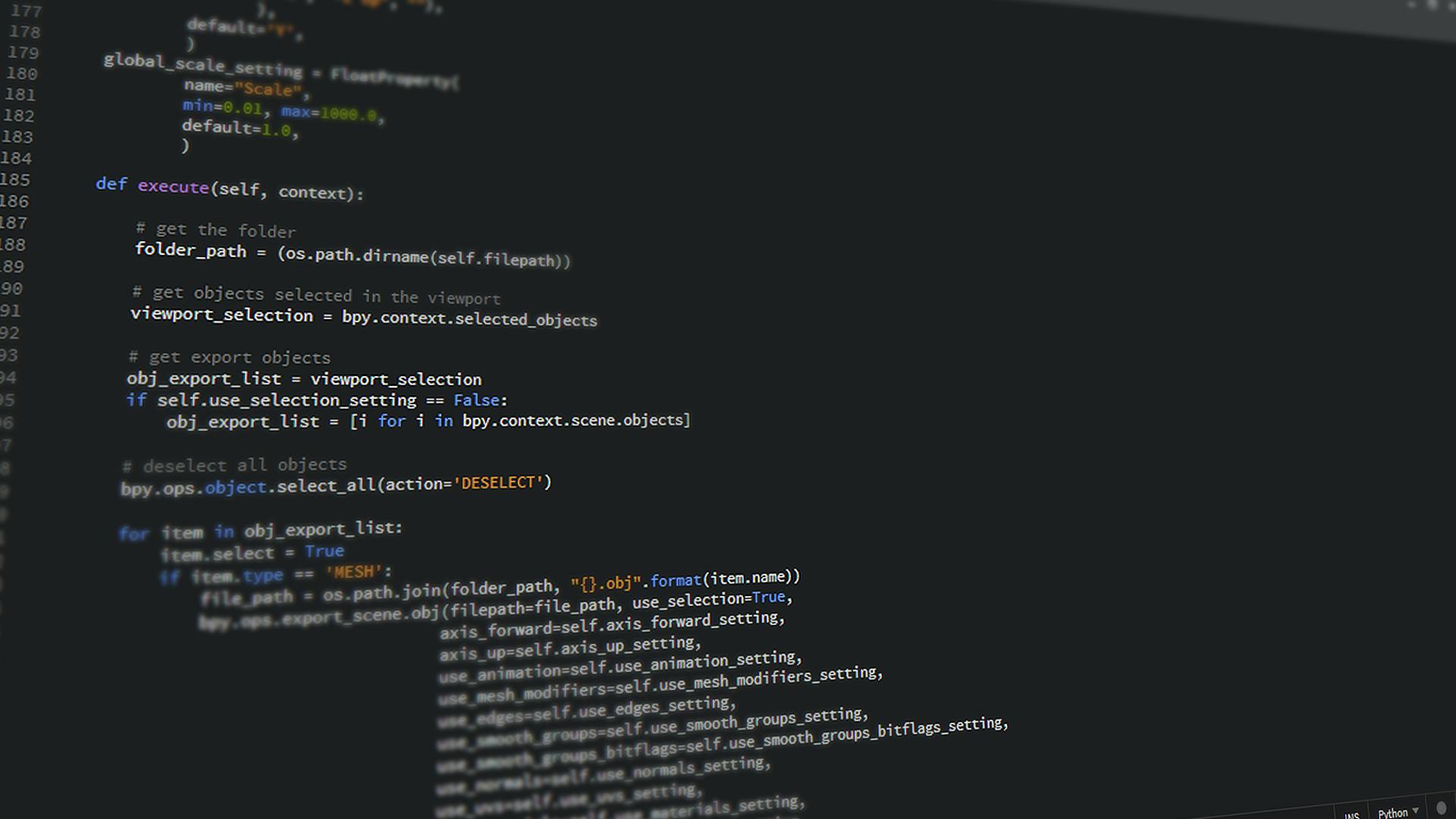
Before you jump into advanced topics like machine learning or cloud computing, you must have a rock-solid grasp of the basics. This includes understanding variables, loops, conditional statements, and data structures. Think of these as the building blocks of any program. If you do not understand how a list or an array works, you will struggle when you try to implement more complex sorting algorithms. Take the time to write small programs that test these concepts individually before trying to piece them together into a larger project.
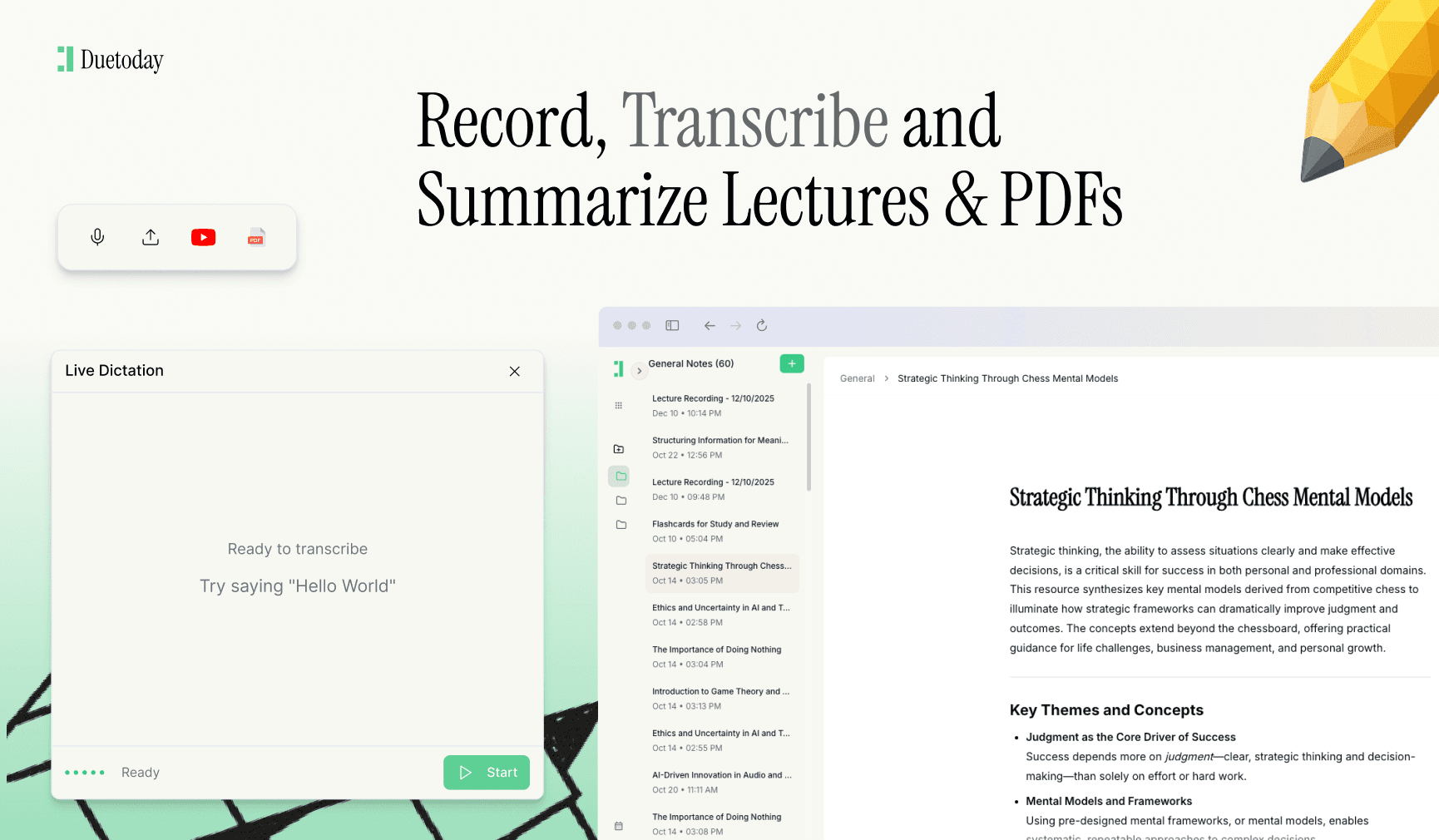
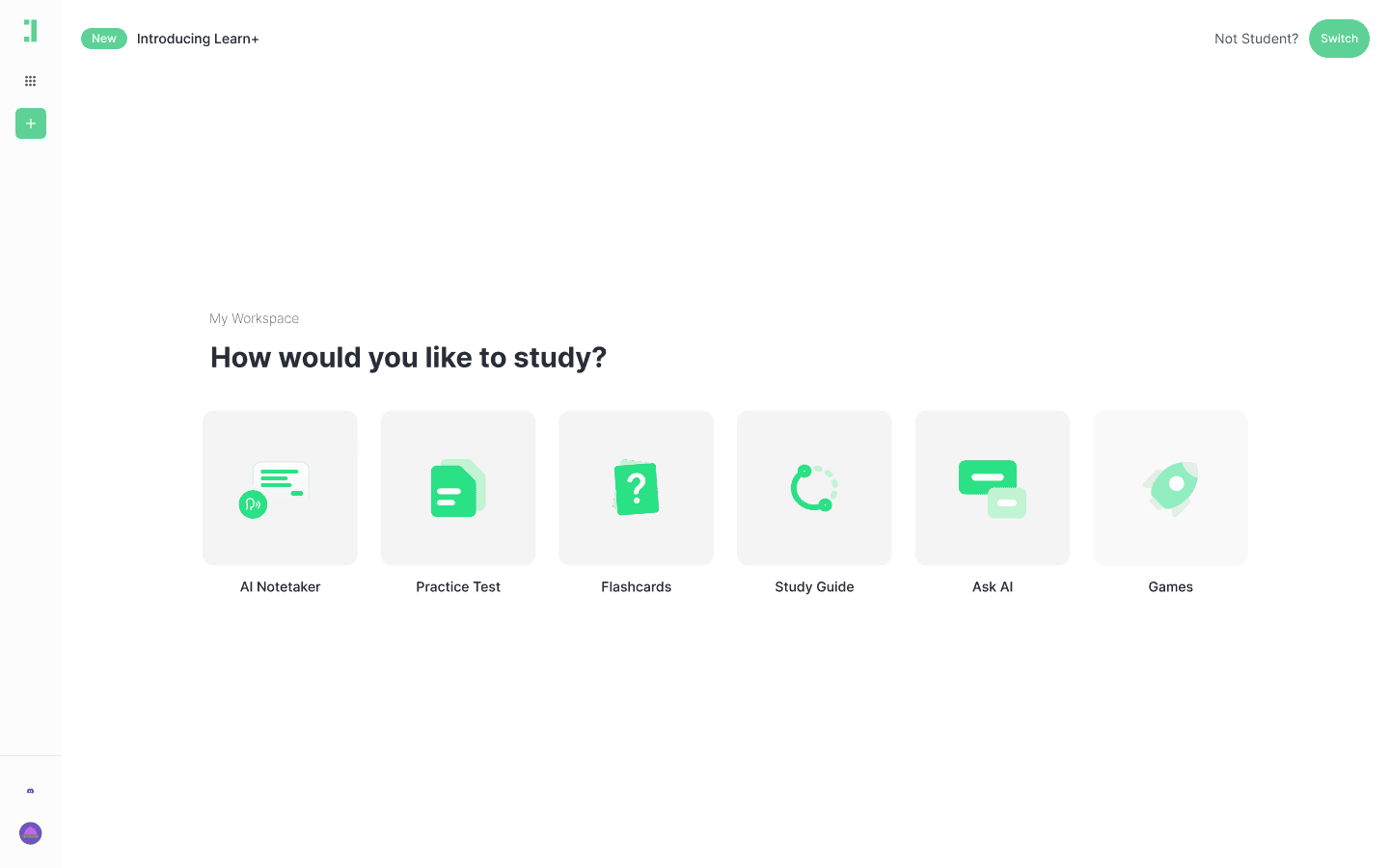
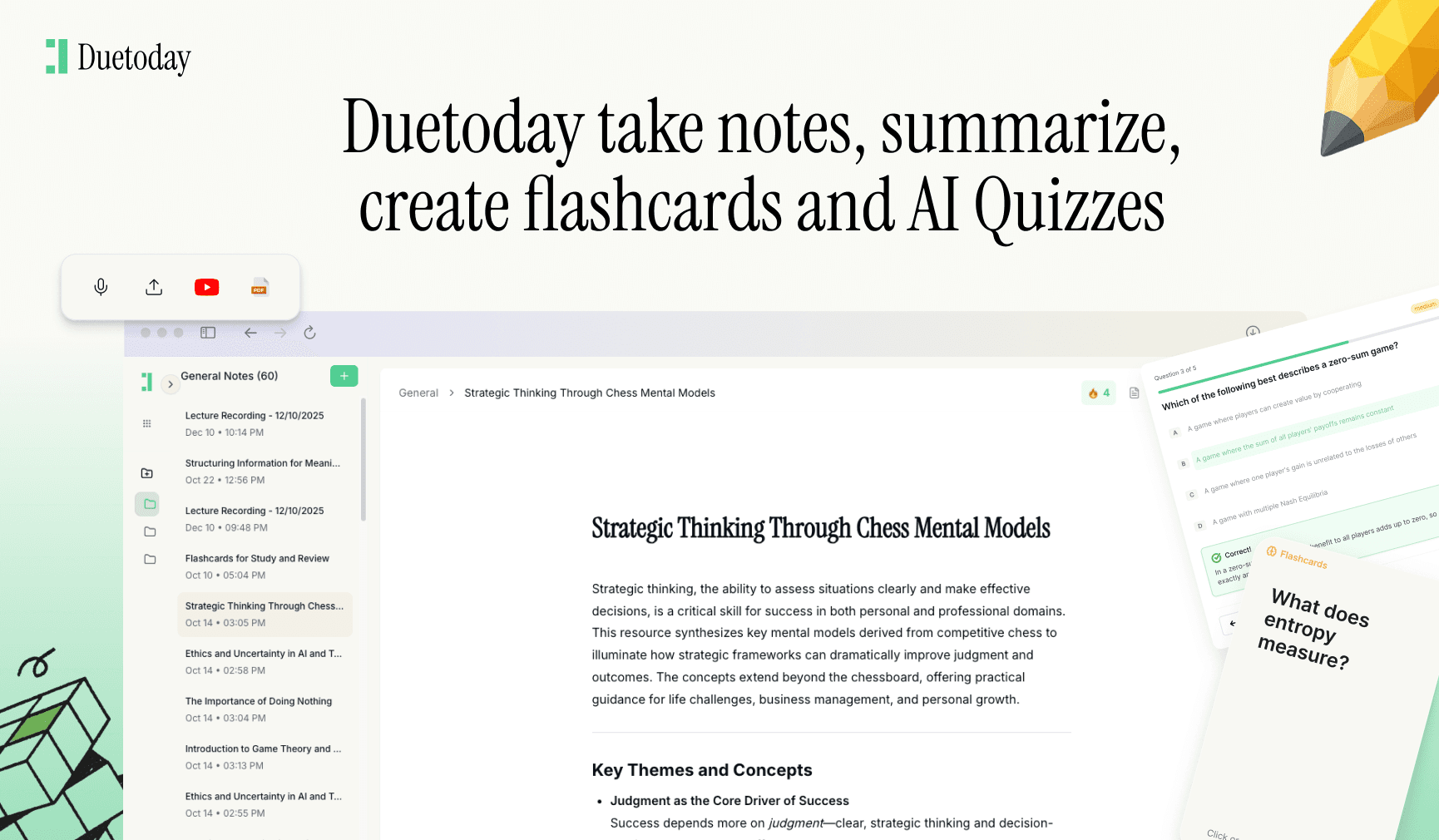
One of the best ways to keep your study sessions productive is by using tools that organize your learning material. Duetoday AI is an AI-powered learning platform that turns lectures, PDFs, and notes into summaries, flashcards, quizzes, and structured study tools automatically. It acts like a personalized AI tutor, helping students learn faster and stay organized, which is especially helpful when you are trying to keep track of various coding syntax and theoretical concepts without spending hours rewriting your class notes.
The Importance of Mathematical Logic
Many students choose computer science because they love technology, but they are often surprised by the amount of math involved. Discrete mathematics, linear algebra, and calculus are the backbone of high-level computing. Logic is particularly important because it mirrors the way computers process instructions. When you study math, you are actually training your brain to think algorithmically. If you can solve a complex proof, you can solve a complex bug in your code. Do not skip these classes or treat them as secondary; they are the key to becoming a high-level engineer rather than just a coder.
Developing an Effective Study Routine
Studying for long hours is not as effective as studying smart. Aim for deep work sessions where you eliminate all distractions. In computer science, context switching is expensive for your brain. It takes time to get into the flow of a programming problem, and every time you check your phone, you lose that momentum. Try to schedule blocks of two to three hours specifically for coding or theory. During these sessions, focus on one specific topic or assignment until it is completed or you have reached a logical stopping point.
Collaborating with peers is another vital strategy. Programming is often a solitary activity, but software engineering is a team sport. Join study groups or coding clubs at your university. Explaining a concept to someone else is the best way to ensure you actually understand it yourself. If you can explain how a recursive function works to a classmate, you have likely mastered the topic. Additionally, peer reviews of your code can reveal bad habits you might not have noticed on your own, helping you write cleaner and more efficient scripts.
Preparing for Exams and Technical Interviews
As you progress through your degree, your focus will shift toward exams and eventually job interviews. For computer science students, this means practicing LeetCode problems and understanding big O notation. High-stakes exams often test your ability to write code on paper, which is a very different skill than writing it in an IDE with autocomplete. Practice writing out functions by hand to ensure you truly know the syntax and the logic behind your operations. This builds a deeper mental model of the code.
Finally, always be building something. The best way to learn computer science is through projects. Start a GitHub repository and contribute to it regularly. Whether it is a simple calculator, a personal portfolio website, or a small script that automates a task, projects prove that you can apply your theoretical knowledge to real-world scenarios. This portfolio will be your greatest asset when applying for internships or your first full-time role after graduation. Keep pushing your boundaries, stay curious, and remember that every expert was once a beginner who refused to give up.
Staying Consistent with Industry Trends
The tech world moves fast, and what you learn in your first year might be updated by the time you graduate. It is important to stay updated with industry news through blogs, podcasts, and tech forums. However, do not let the latest hype distract you from your core curriculum. Foundations in networking, operating systems, and database management are timeless. Once you have those down, picking up a new framework or language becomes much easier because you understand the underlying principles that govern all software.

What is the hardest part of studying computer science?
Most students find the transition from theoretical concepts to practical application the most difficult. Developing the logic required to debug complex programs takes time and patience.
Do I need to be a math genius to study CS?
You do not need to be a genius, but you do need to be comfortable with logical reasoning and persistent in solving mathematical problems, as they form the basis of algorithms.
What language should I learn first?
Python is often recommended for beginners because of its readable syntax, but many universities start with C++ or Java to teach deeper memory management and object-oriented principles.
How can I stay motivated when my code does not work?
Take breaks and step away from the screen. Often, the solution comes to you when you are not actively looking at the code. Remember that debugging is where the actual learning happens.