How to Study Chemistry in University
Getting Started with University Chemistry
Stepping into a university chemistry lecture for the first time can feel overwhelming. Unlike high school, where you might have relied on memorizing a few formulas or periodic trends, university-level chemistry demands a deep conceptual understanding and the ability to apply logic to complex systems. Whether you are tackling General Chemistry, Organic Chemistry, or Thermodynamics, the secret to success lies in how you manage your study time and approach the material from day one.
The first rule of university chemistry is to never fall behind. The subject is highly cumulative, meaning that the concepts you learn in week two are the essential building blocks for week ten. If you miss a lecture or skip a set of practice problems, you might find yourself staring at an integration or a reaction mechanism later in the term with no clue how you got there. Setting a consistent schedule is the only way to stay afloat in a sea of laboratory reports and midterms.
The Power of Active Learning and Practice
One of the biggest mistakes university students make is passive studying. This involves reading the textbook over and over or highlighting notes until the page is neon yellow. In chemistry, this approach rarely works. Chemistry is a language of problem-solving. To get better, you have to actually solve problems. Every time you finish a chapter, dive straight into the end-of-chapter exercises. Don't look at the solutions manual until you have genuinely struggled with the problem for at least ten minutes. This cognitive struggle is where the real learning happens.
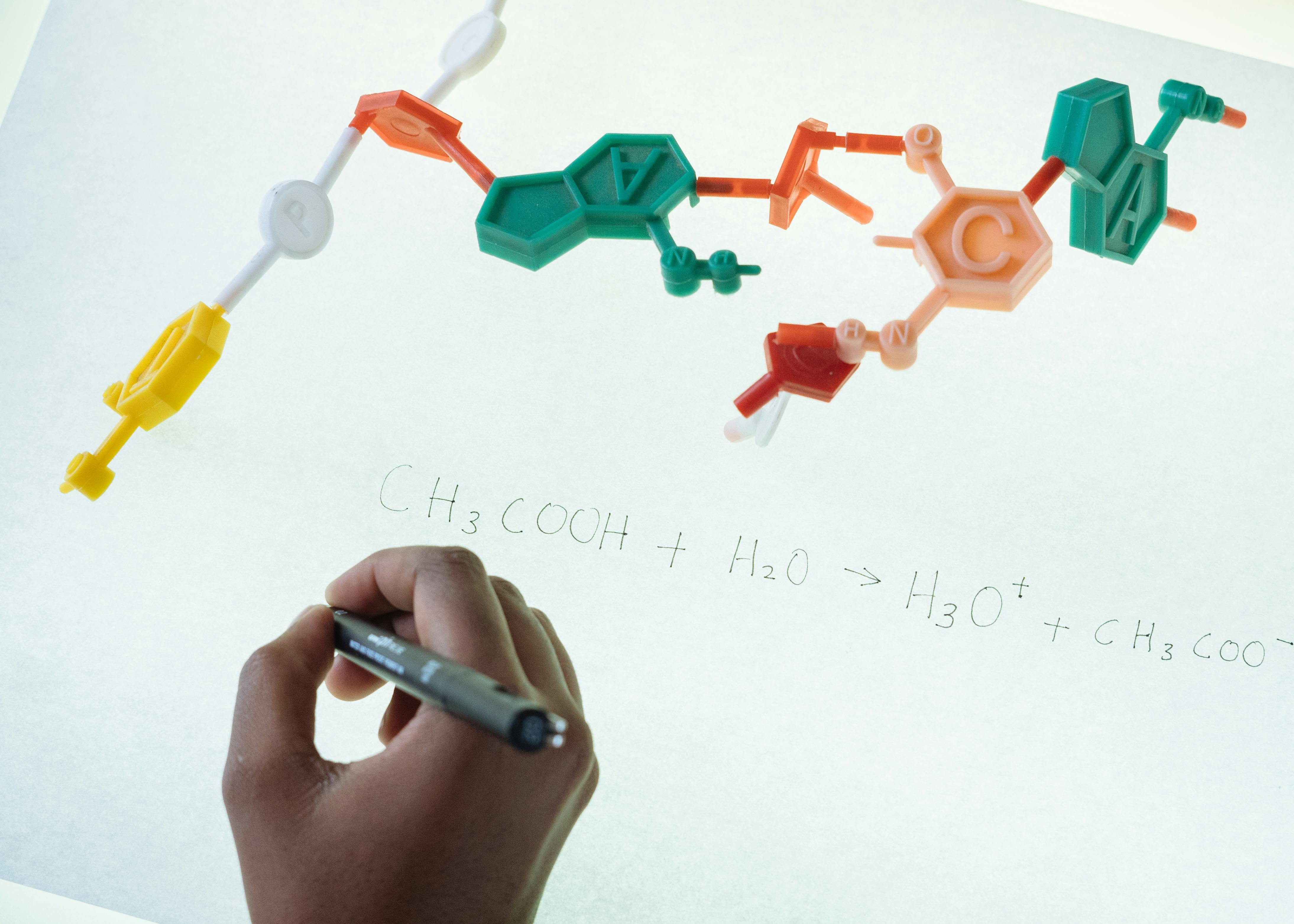
Visualizing molecules is another critical skill. Chemistry happens in three dimensions, yet we often study it on two-dimensional paper. Using molecular model kits or 3D simulation software can help you understand spatial arrangements, which is vital for stereochemistry and molecular geometry. When you can see how an atom attacks a carbonyl group in space, the reaction stops being a memorized arrow on a page and starts being a physical event you truly understand.
The Role of Smart Tools in Your Study Habit
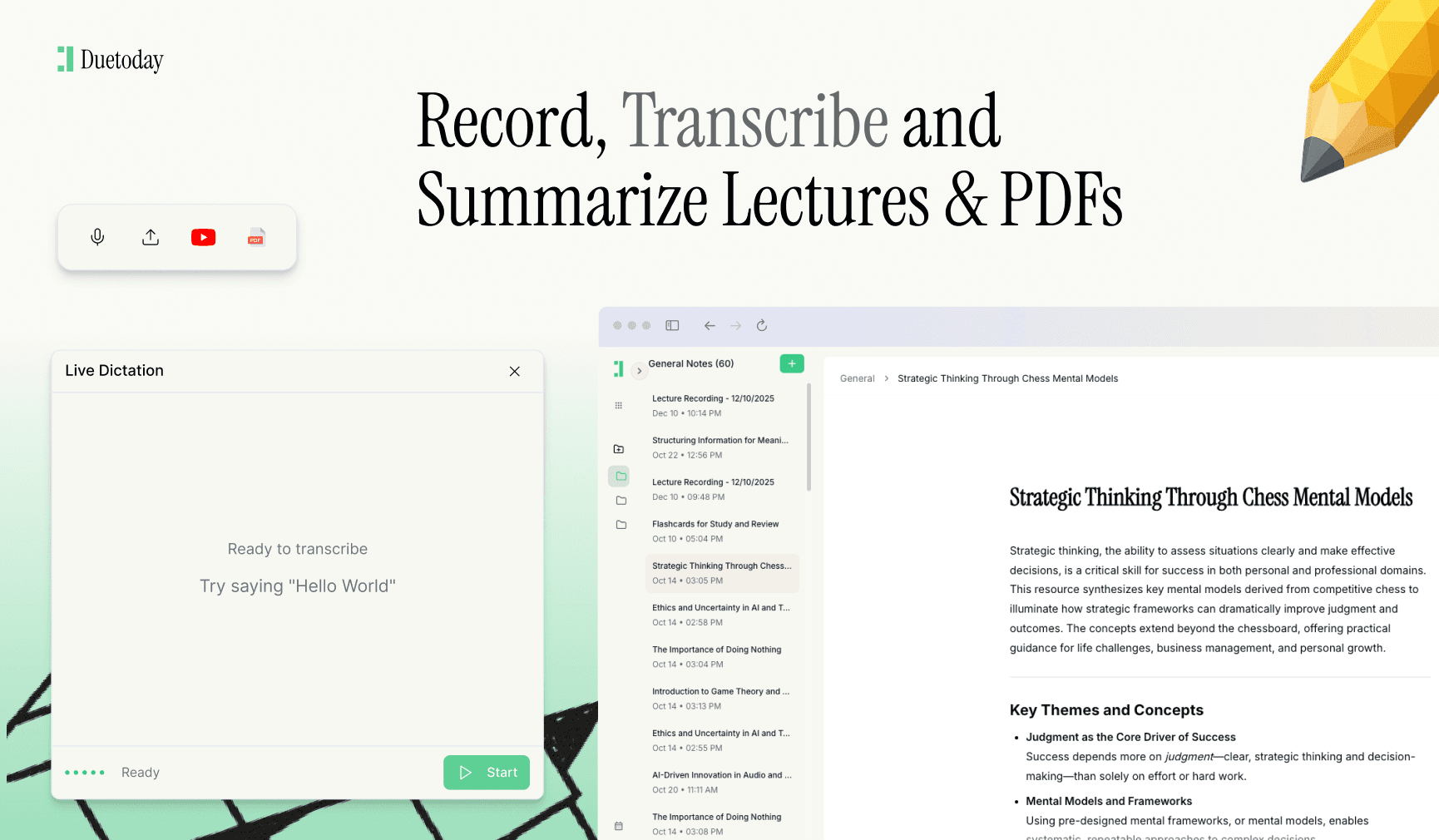
Between long lab sessions and detailed lectures, your time is at a premium. This is where Duetoday AI becomes your best study companion. Duetoday is an AI-powered learning platform that turns lectures, PDFs, and notes into summaries, flashcards, quizzes, and structured study tools automatically. It acts like a personalized AI tutor — helping students learn faster, stay organized, and retain information without spending hours rewriting notes. Instead of spending your Sunday night manually typing out flashcards for functional groups, you can upload your lecture slides and let the AI generate a customized quiz for you, giving you more time to actually practice the hard stuff.

Mastering the Chemistry Laboratory
The lab component of your course is just as important as the theory. Many students view the lab as a chore, but it is actually the place where abstract concepts become reality. To succeed here, preparation is everything. Read your lab manual before you step into the room. Understanding the purpose of each reagent and the safety protocols not only keeps you safe but also helps you write better lab reports. A well-documented lab notebook is the difference between an A and a C. Note down every observation, even if it seems insignificant, as these details often explain unexpected results in your final analysis.
Effective Note-Taking Strategies
During lectures, focus on capturing the 'why' rather than just the 'what.' If a professor derives an equation, try to follow the logic of the derivation rather than just scribbling down the final result. Use a shorthand that works for you, particularly for common chemical structures and elements. After the lecture, try to summarize the main points in your own words within 24 hours. This practice moves information from your short-term memory to long-term storage. Mapping out reaction mechanisms using different colored pens can also help differentiate between electron flow and stereochemical outcomes.
Group Study and Peer Teaching
Chemistry is often best learned in a group setting. Explaining a difficult concept like orbital hybridization or entropy to a peer is one of the most effective ways to solidify your own knowledge. If you can't explain it simply, you probably don't understand it well enough yet. Form a study group with people who are equally committed to the course. Use your sessions to tackle the hardest practice exams together and debate the reasoning behind your answers. This collaborative environment mimics the reality of scientific research and keeps you motivated during the more challenging weeks of the semester.
Preparing for Finals
As exams approach, shift your focus entirely to timed practice. Create a mock exam environment by sitting in a quiet room and working through past papers without your notes. This builds the mental stamina required for long chemistry finals. Pay close attention to unit conversions and significant figures, as these are easy places to lose marks. Rest and nutrition are also vital; your brain needs glucose and sleep to function at its peak during a three-hour chemistry marathon. Stay confident, stick to your process, and remember that every complex problem is just a series of smaller, simpler steps combined.

How many hours should I study chemistry per week?
Most university students find that 10 to 15 hours of independent study per week, outside of lectures and labs, is necessary to master the material.
Is organic chemistry as hard as everyone says?
It is challenging because it requires a different way of thinking focused on patterns and mechanisms rather than math, but with consistent practice, it is manageable.
What is the best way to memorize the periodic table?
Don't memorize it all at once. Focus on the trends—like electronegativity and atomic radius—and you will naturally learn the most important elements as you use them.
Should I read the textbook before or after the lecture?
Skimming the chapter before the lecture helps you recognize terms, while a deep read after the lecture helps solidify the concepts discussed by the professor.