How to Read Academic Papers Efficiently without Burnout
Mastering the Art of Academic Reading
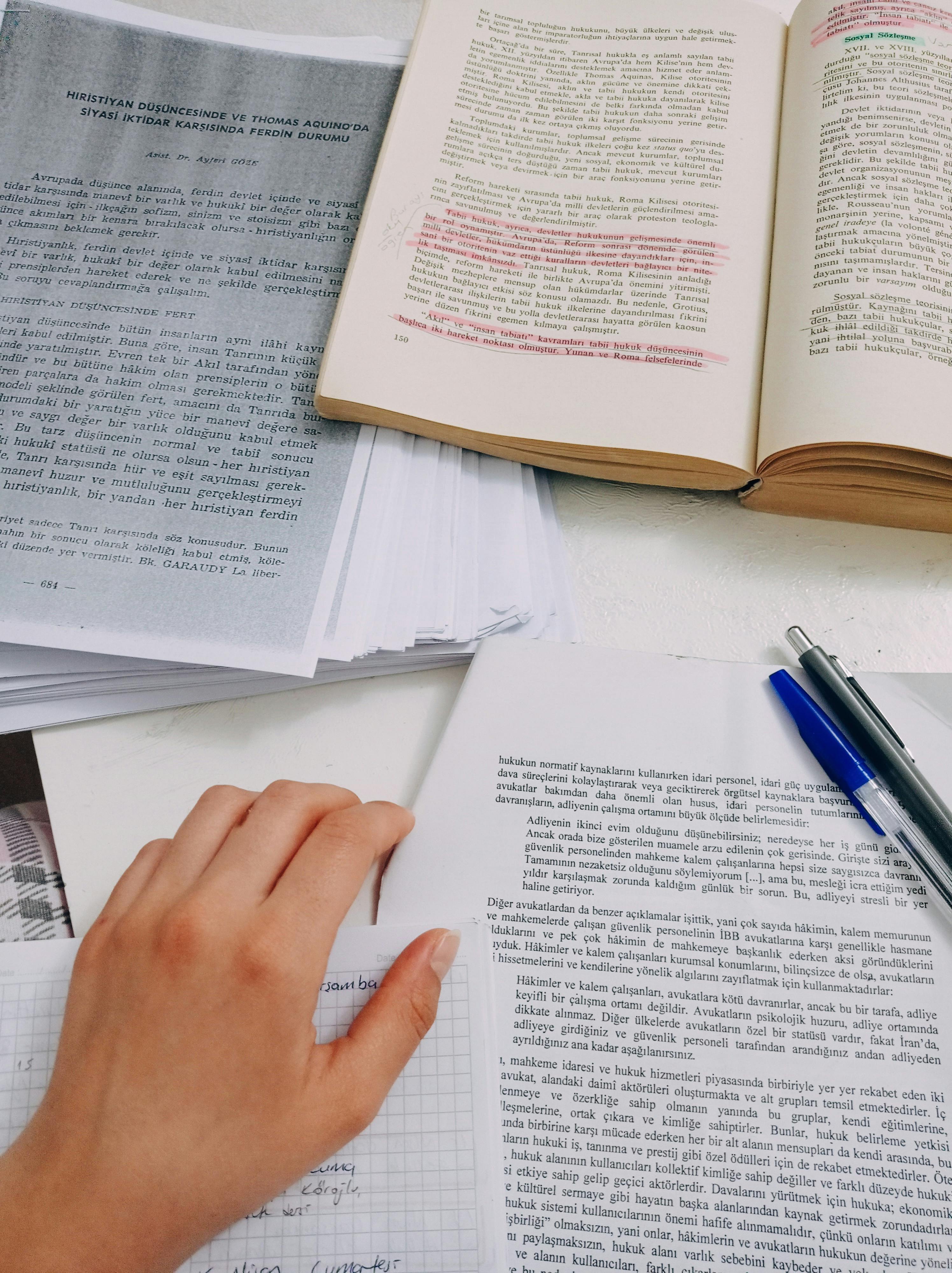
Stepping into university often feels like being thrown into a deep ocean of information. One of the most daunting tasks for any student is the sheer volume of academic papers you are expected to consume. Whether it is for a weekly seminar, a literature review, or your final dissertation, knowing how to read academic papers efficiently is a skill that will save you hundreds of hours over the course of your degree. Most students make the mistake of reading a research paper like a novel—starting from the first word and ending at the last. This is not only time-consuming but often leads to poor retention and cognitive fatigue.
Why Academic Papers Are Difficult to Read
Academic papers are not written for entertainment; they are written to communicate dense, complex findings to a specific scholarly audience. They are packed with jargon, intricate methodologies, and heavy data sets. Because of this, your brain naturally resists the process. The key to overcoming this hurdle is to change your approach from passive reading to active interrogation. Instead of just letting the words wash over you, you need to go into the paper with specific questions and a clear strategy for extracting value.
The Three-Pass Method Explained
The most effective way to tackle any research paper is the three-pass method. This technique allows you to gain a birds-eye view of the research before diving into the gritty details. In the first pass, you should focus strictly on the title, the abstract, and the introduction. This preliminary scan tells you if the paper is even relevant to your work. Many students waste hours reading papers that eventually turn out to be outside the scope of their research. By spending just five minutes on a quick scan, you can filter out the noise and focus on high-quality sources that actually matter for your grades.
During the second pass, you look at the headings, the figures, and the conclusion. Many researchers claim that the meat of an academic paper is actually in the graphs and the concluding remarks. If the conclusions align with your research goals, then it is worth committing to a deeper read. This structured approach prevents the feeling of being overwhelmed and helps you maintain focus throughout your study session.
Leveraging Technology with Duetoday AI
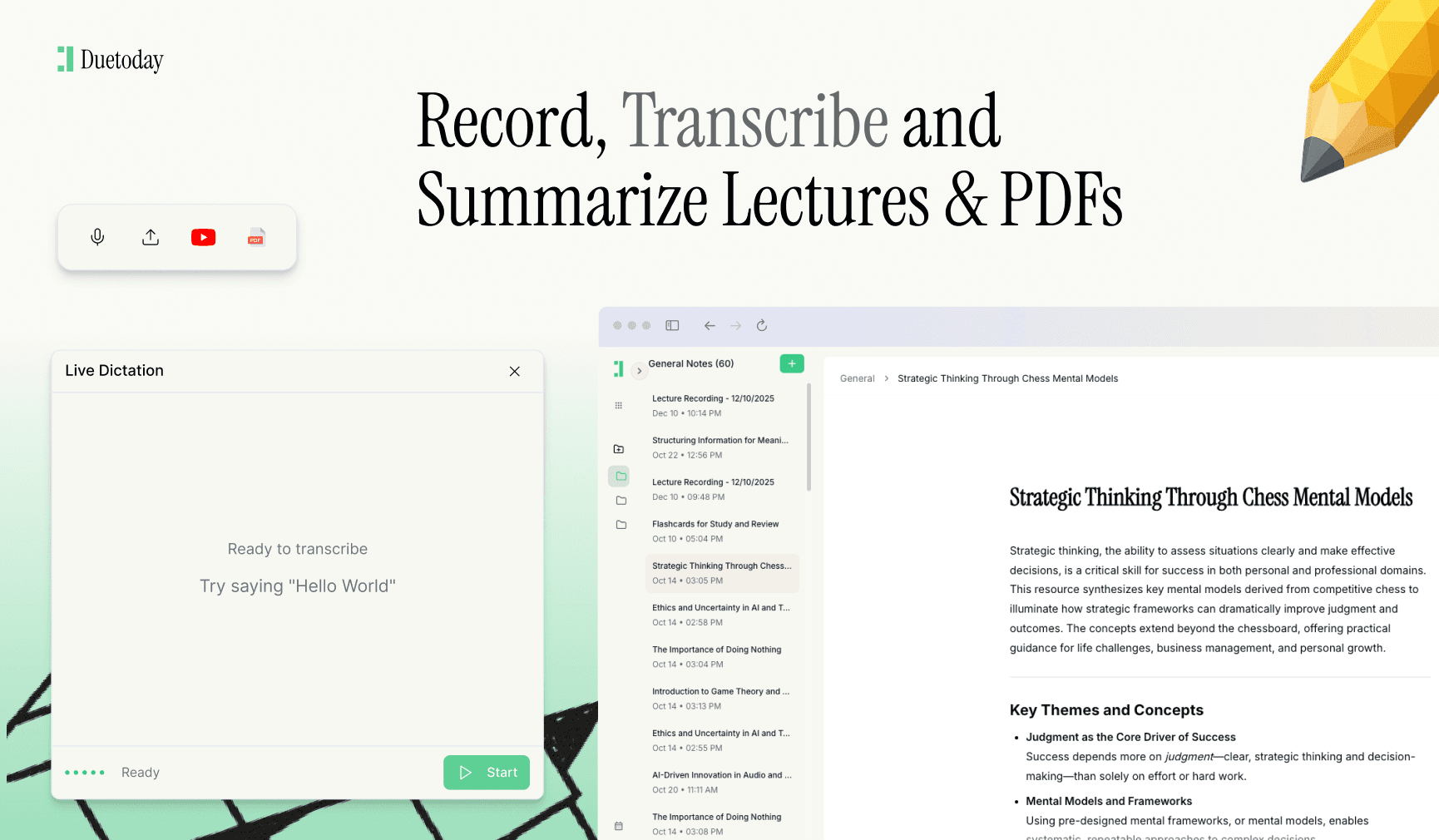
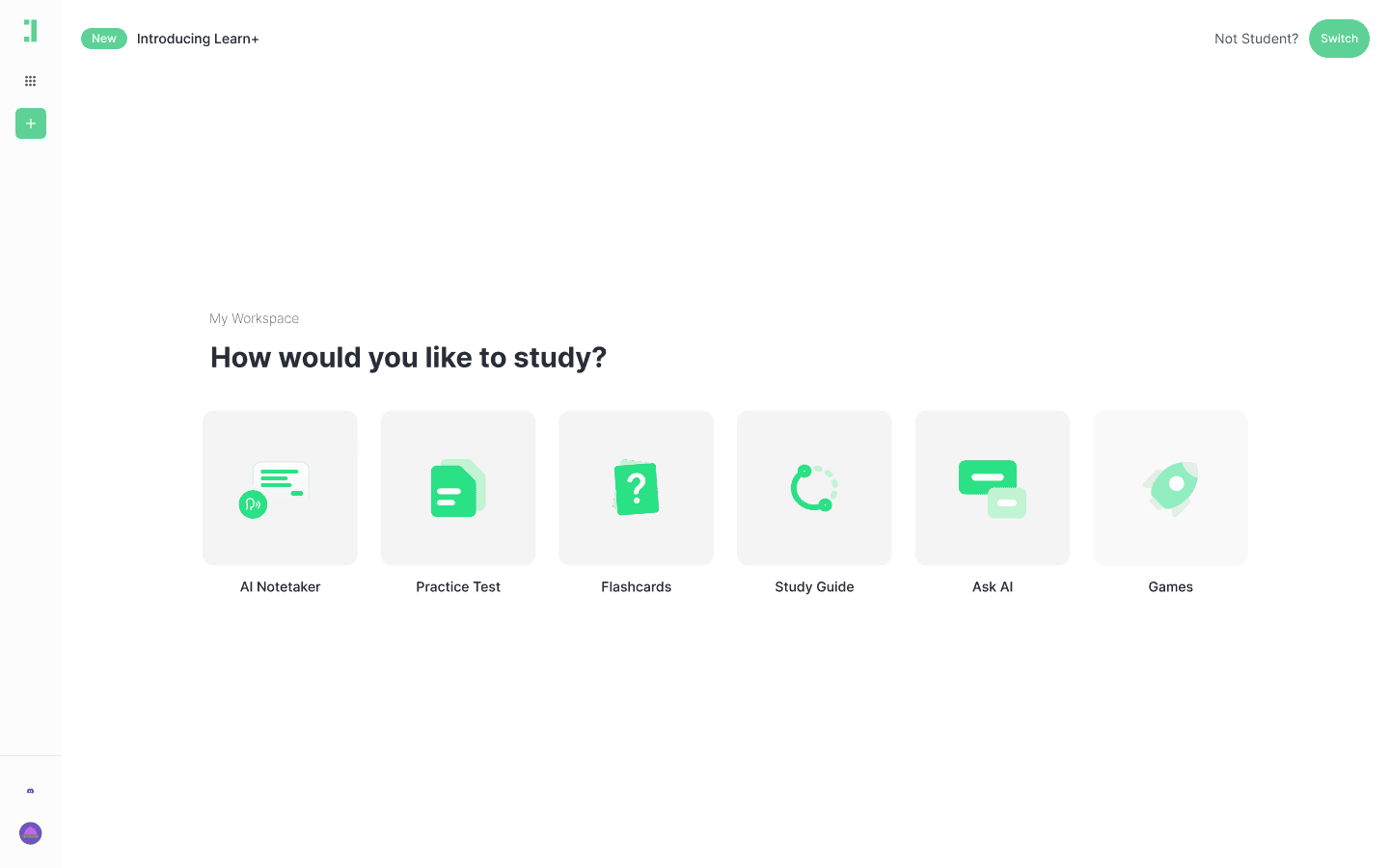
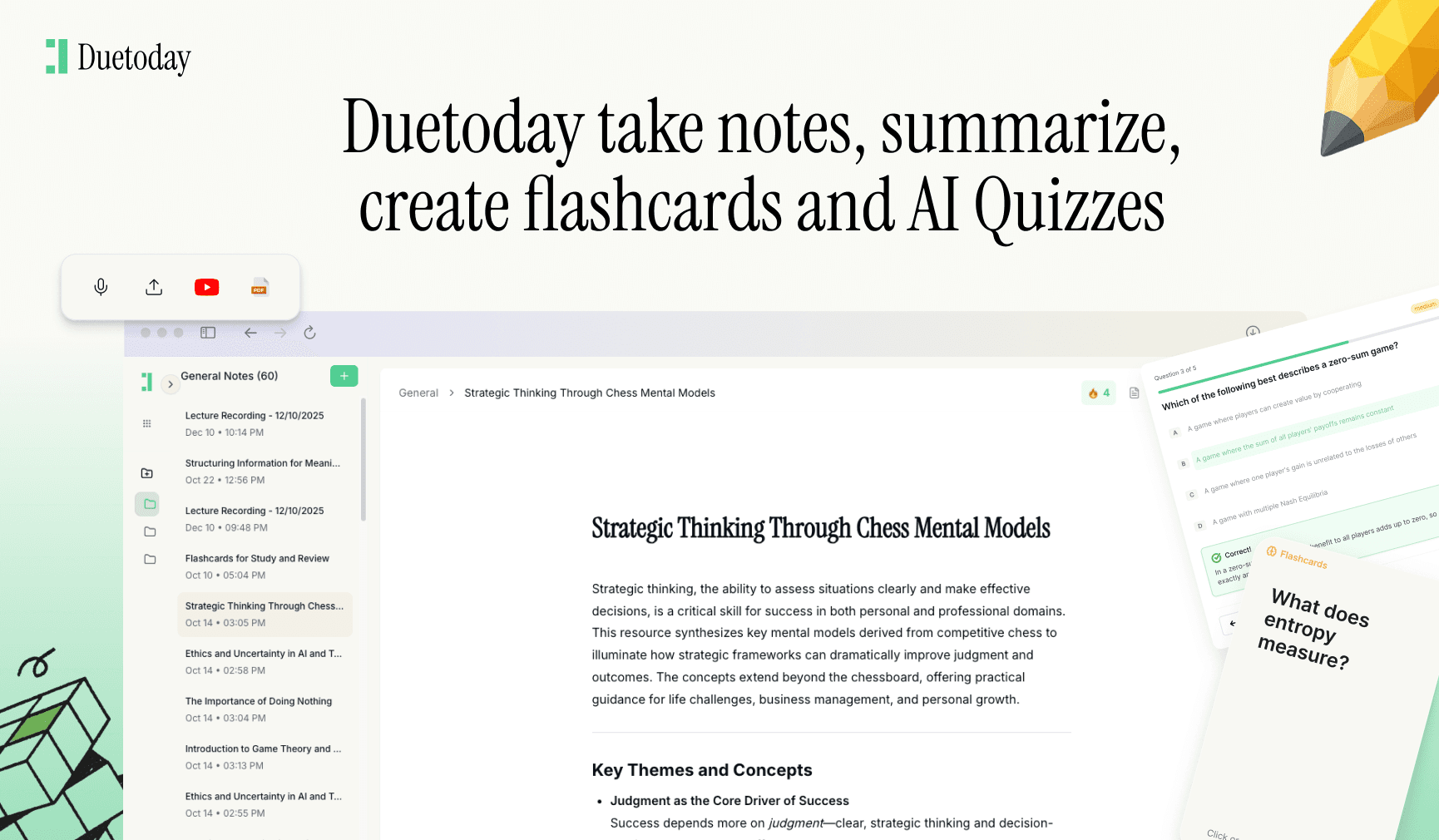
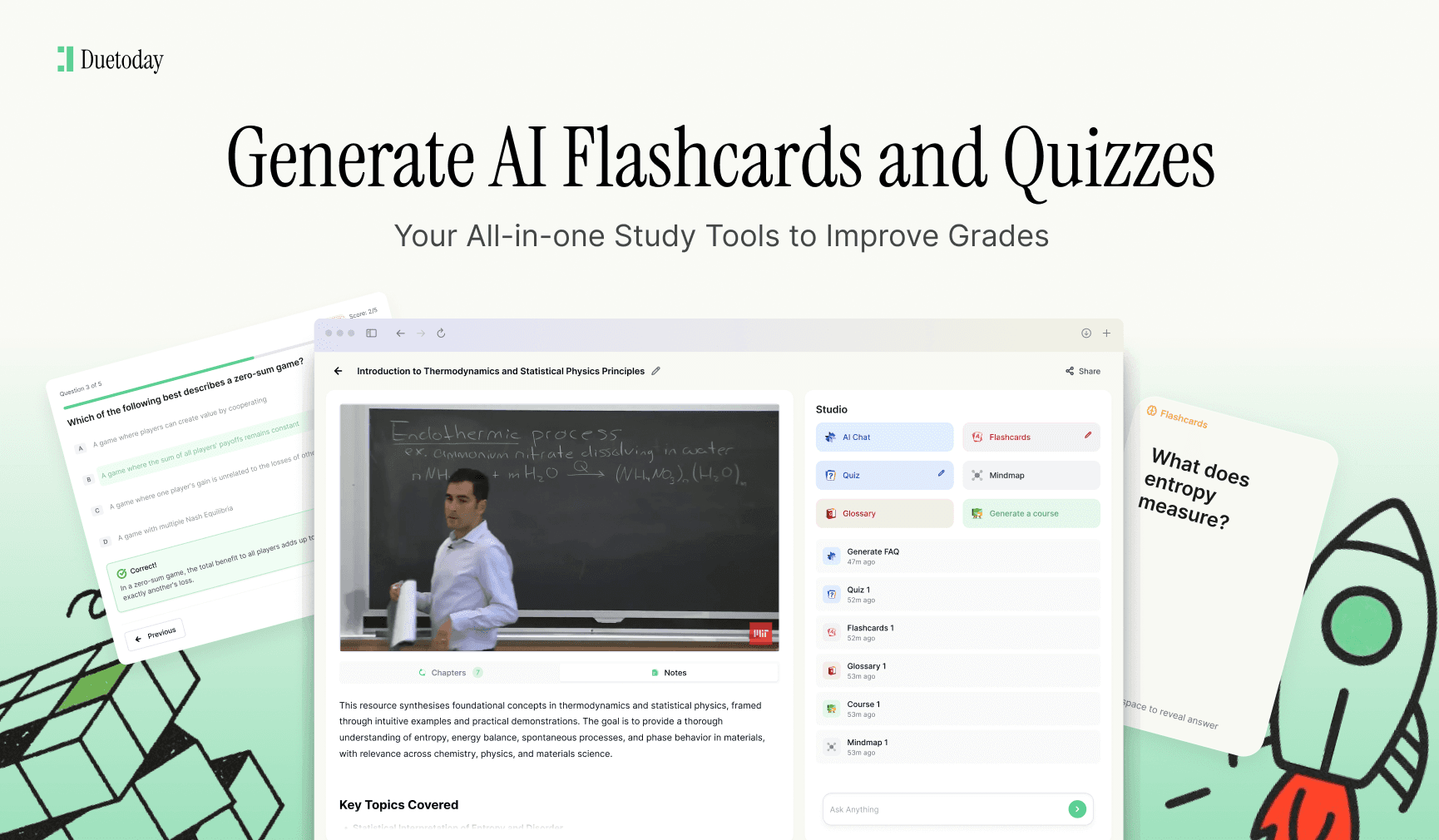
Even with the best strategies, the workload at university can become unmanageable. This is where Duetoday AI becomes a game-changer for modern students. Duetoday is an AI-powered learning platform that turns lectures, PDFs, and those dense academic papers into summaries, flashcards, quizzes, and structured study tools automatically. It acts like a personalized AI tutor, helping you learn faster and stay organized by distilling complex research into digestible pieces so you can retain information without spending hours rewriting notes from scratch.
Focusing on the Results and Methodology
Once you have decided a paper is worth your time, the third pass involves a deep dive into the methodology and results. You should pay close attention to how the researchers gathered their data. Are the sample sizes significant? Is there a bias in the geographical location or the demographic studied? Understanding the 'how' behind the research is what differentiates a top-performing student from an average one. It allows you to critique the work rather than just summarizing it, which is exactly what university professors look for in high-distinction essays.
Note-Taking and Synthesis
Reading is only half the battle; the other half is remembering what you read. You should never read an academic paper without a pen in hand or a digital note-taking tool open. Try to summarize each section in a single sentence in the margins. This process of synthesis forces your brain to clarify the information. When you come back to the paper weeks later while writing your assignment, those small margin notes will be far more valuable than the original text. Look for connections between different papers to build a coherent argument for your own work.
Setting a Time Limit
Parkinson’s Law states that work expands to fill the time available for its completion. If you give yourself all day to read one paper, it will take all day. Instead, set a timer for forty-five minutes. Use the first ten minutes for the first and second pass, twenty-five minutes for the deep dive, and the final ten minutes for synthesizing your notes. This time-blocking technique keeps your brain sharp and prevents the dreaded afternoon slump that comes from staring at a screen for too long. Efficiency is about working smarter, not harder.
How long should it take to read a research paper?
On average, a thorough reading takes about 45 to 60 minutes, but a quick scan using the three-pass method can be done in under 10 minutes.
Is it necessary to read every word of an academic paper?
No, many sections like the specific data tables or raw appendices are only necessary if you are replicating the study or need specific evidence for a point.
What should I do if I don't understand the jargon?
Keep a glossary of terms or use AI tools to simplify complex definitions so you don't get stuck on a single paragraph for too long.
Can I use the same technique for textbooks?
Yes, the skimming and scanning method works exceptionally well for textbook chapters to identify key concepts before detailed study.