How to Prepare for Internship Interviews

The Importance of Preparation in the Internship Hunt
Landing an internship interview is a massive achievement in today’s competitive job market. Whether you are aiming for a spot at a tech giant, a creative agency, or a local startup, the interview is the bridge between your academic life and your professional career. However, many students make the mistake of thinking their high GPA or extracurricular activities will do all the talking. In reality, the interview is less about what is on your resume and more about how you present that information and how well you fit into the company culture.
Preparing for an interview as a university student requires a different approach than a standard job interview. Recruiters know you might not have years of professional experience, so they focus heavily on your potential, your soft skills, and your willingness to learn. This guide will walk you through the essential steps to ensure you walk into that room—or hop onto that Zoom call—with the confidence of a seasoned professional. From the initial research phase to the final follow-up email, we will cover everything you need to know to secure that offer.
Researching the Company and Your Interviewers
Before you even think about what outfit to wear or which questions to ask, you must dive deep into the company’s background. Start by thoroughly reading the job description again. It sounds simple, but many candidates skim it and miss key keywords that the recruiter will be looking for during the conversation. Identify the core responsibilities and the specific tools or skills mentioned. If the role requires proficiency in a certain software or a specific coding language, be ready to discuss your familiarity with it.
Next, move beyond the job posting and look at the company’s mission statement and recent news. What are their core values? Have they recently launched a new product or expanded into a new market? Understanding the broader context of the organization allows you to tailor your answers to align with their current goals. It also shows the interviewer that you are proactive and genuinely interested in their success, rather than just looking for any available paycheck. If you know who will be interviewing you, a quick search on LinkedIn can provide insights into their background and career path, which can serve as great icebreaker material.
Mastering the STAR Method for Behavioral Questions
Most internship interviews rely heavily on behavioral questions. These are the ones that start with "Tell me about a time when..." or "Give me an example of how you handled..." The best way to tackle these is by using the STAR method: Situation, Task, Action, and Result. By structuring your answers this way, you ensure that you are telling a coherent story while highlighting your specific contributions and the positive outcome of your efforts.
When selecting your stories, look for examples from your coursework, group projects, volunteer work, or previous part-time jobs. The key is to demonstrate skills like leadership, problem-solving, and teamwork. Even if you haven't had a professional office job, showing how you managed a conflict during a university club meeting can be just as impactful. Remember to focus more on the 'Action' and 'Result' parts of the story, as these are the elements that prove your value to a potential employer.
Leveraging Tools to Boost Your Preparation
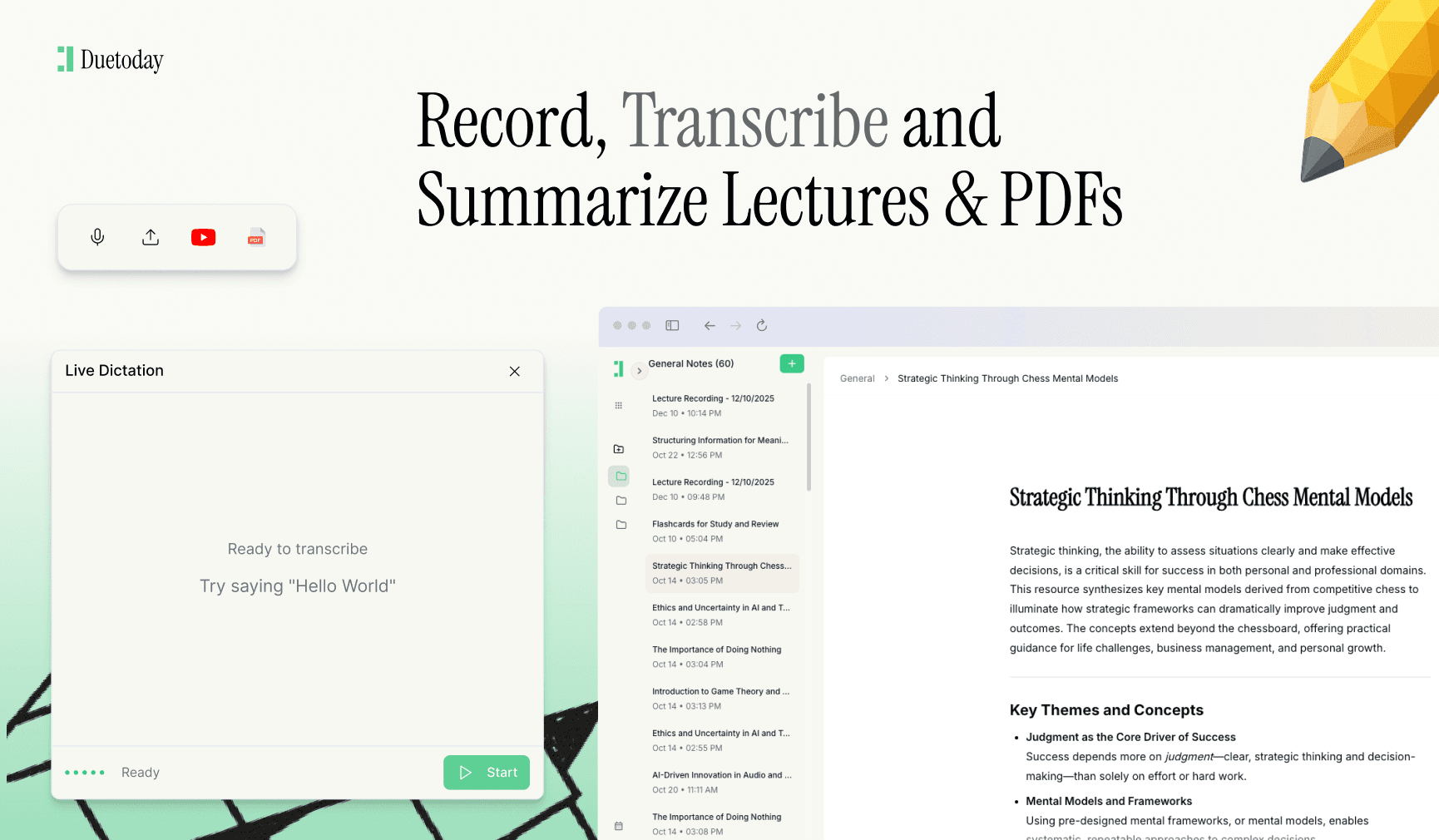
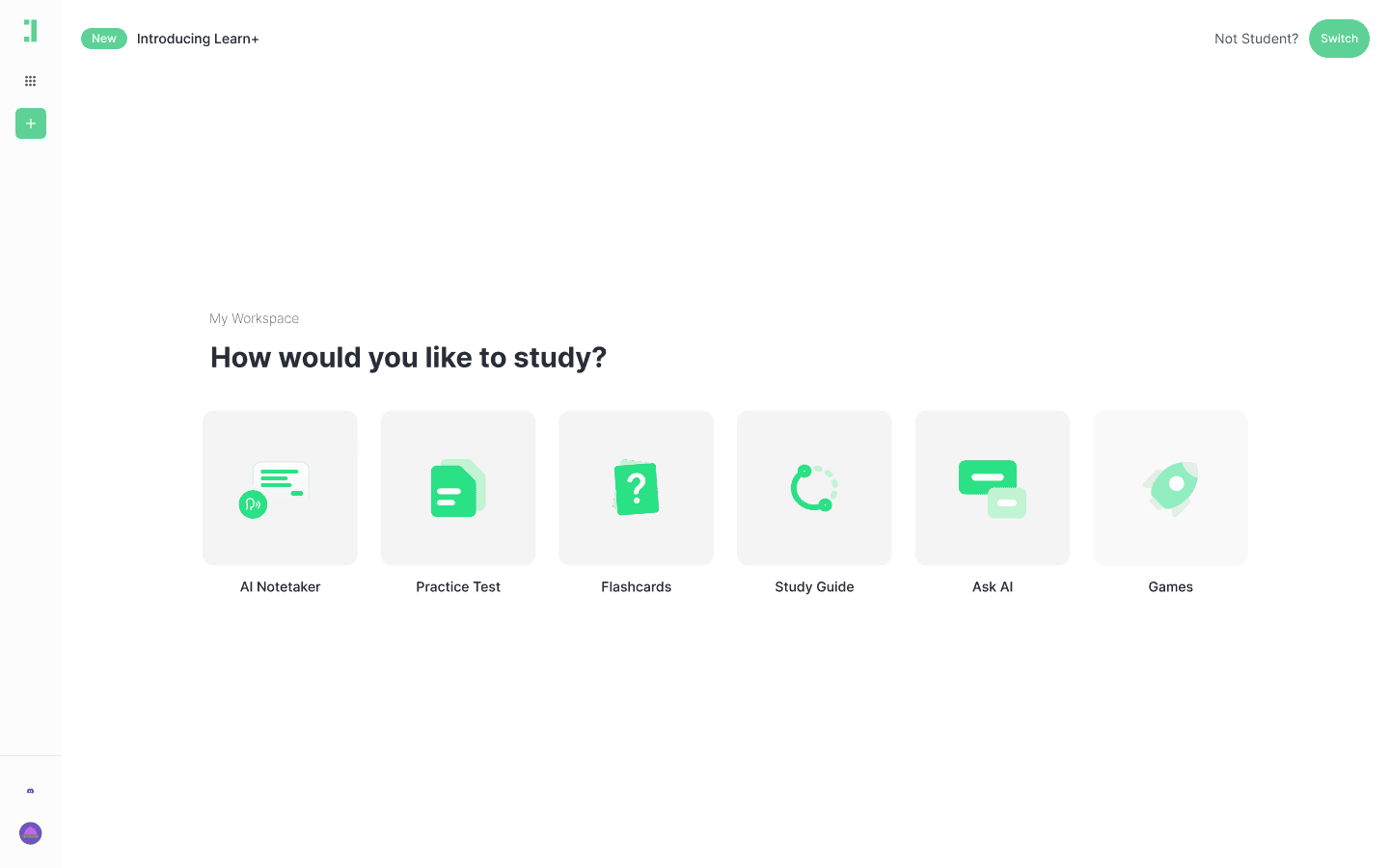
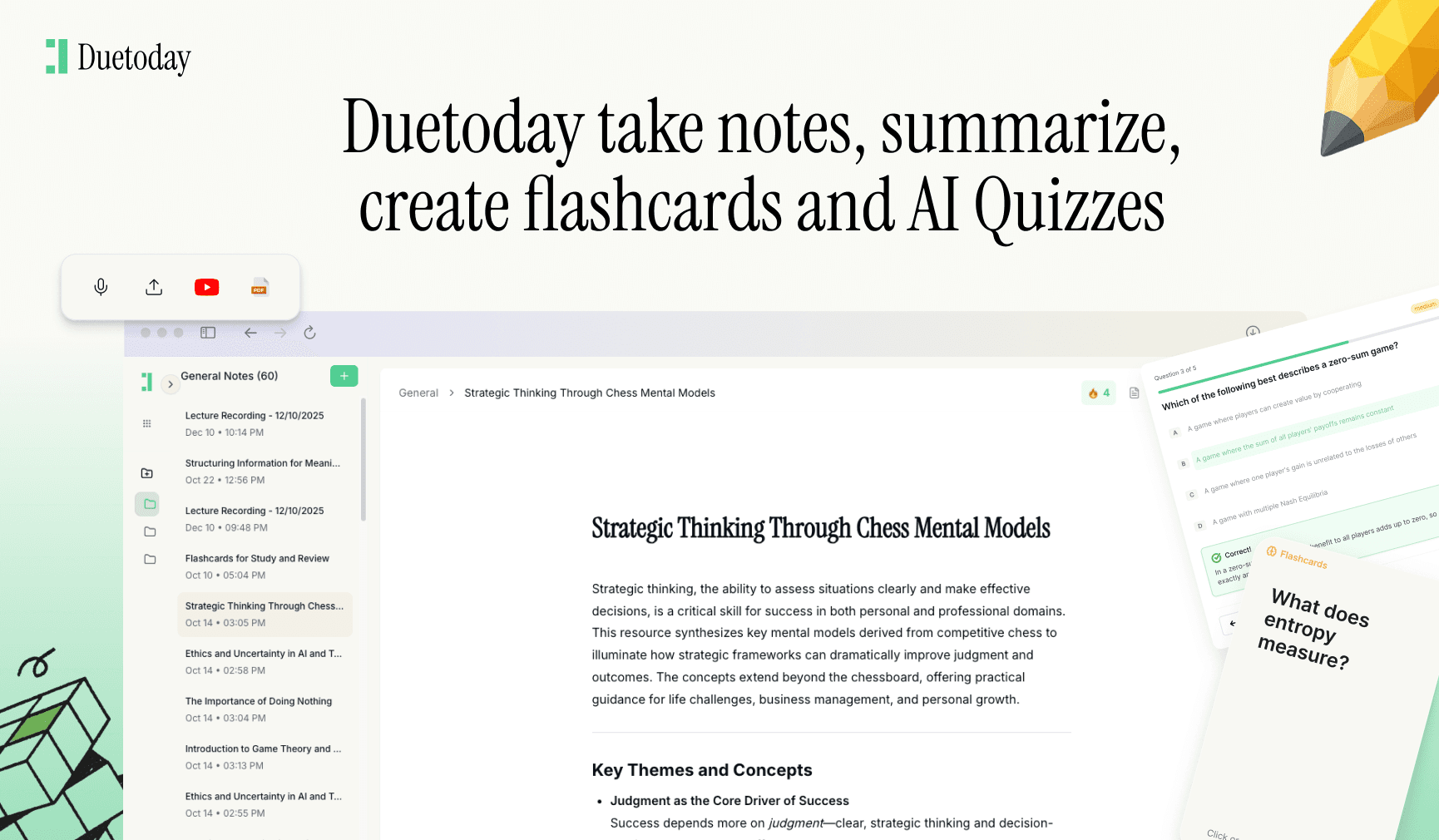
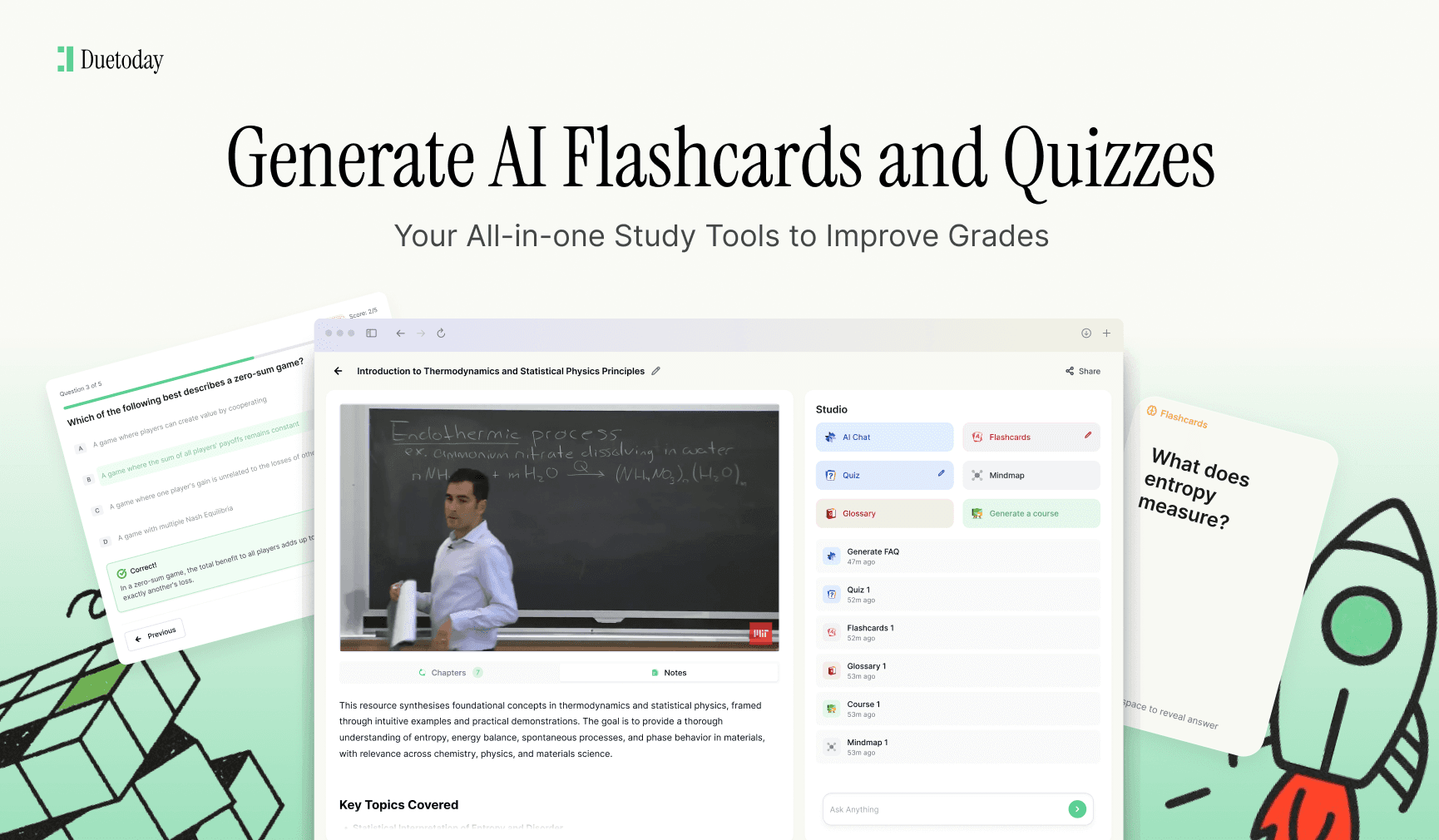
While researching and practicing stories is vital, managing the sheer volume of information you need to learn about a company or a specific industry can be overwhelming. This is where modern technology can give you a significant advantage. Using platforms like Duetoday AI can drastically cut down your study time. Duetoday is an AI-powered learning platform that turns lectures, PDFs, and notes into summaries, flashcards, quizzes, and structured study tools automatically. It acts like a personalized AI tutor—helping students learn faster, stay organized, and retain information without spending hours rewriting notes. For an interview, you can upload industry reports or company whitepapers to Duetoday to quickly grasp complex concepts and be ready to discuss them intelligently during your meeting.
Perfecting Your Technical and Soft Skills
Depending on your field, you may face a technical assessment or a portfolio review. For computer science students, this means practicing coding challenges on platforms like LeetCode or HackerRank. For business or marketing students, it might involve a case study or a creative pitch. Don't leave these to chance. Set aside dedicated time each day to brush up on the technical fundamentals of your major. However, don't neglect your soft skills in the process. Communication, empathy, and active listening are often what separate a good candidate from a great one.
Practice your delivery in front of a mirror or record yourself on your phone. Pay attention to your body language, eye contact, and the pace of your speech. It is normal to be nervous, but being aware of your nervous habits—like fidgeting or using too many filler words—can help you manage them. Try to maintain an enthusiastic and curious tone throughout the interview. Employers want to hire interns who are excited to be there and who will bring a positive energy to the team environment.
Closing the Interview and Following Up
The final part of the interview is your chance to ask questions. Never say you don't have any. Prepare a list of three to five thoughtful questions that show you are thinking about the long-term impact of the internship. Ask about the team culture, the biggest challenges the department is facing, or what a typical day looks like for an intern. This is also your opportunity to clarify any doubts you have about the role and to reiterate your interest in the position.
After the interview ends, the work isn't quite finished. Send a personalized thank-you email to each person who interviewed you within 24 hours. Keep it brief but professional, mentioning a specific point from your conversation that you found particularly interesting. This small gesture shows your professionalism and keeps you top-of-mind as the hiring team makes their final decision. With the right mix of research, practice, and the right tools, you will be well on your way to landing your dream internship.
What should I wear to an internship interview?
Even if the company has a casual dress code, it is usually best to dress business professional or business casual. It shows respect for the process and that you take the opportunity seriously.
What if I don't have any professional experience?
Focus on your academic projects, volunteer work, and extracurricular activities. Highlight transferable skills like communication, time management, and technical skills learned in class.
How long should my interview answers be?
Aim for about two minutes per answer. This is enough time to provide detail using the STAR method without losing the interviewer's attention.
How do I handle a question I don't know the answer to?
Be honest. Explain how you would go about finding the answer or solving the problem. Recruiters value honesty and problem-solving logic over a fake answer.