How to Prepare for Final Exams Without Losing Your Mind

The Countdown to Finals: Why Strategy Matters
As the semester winds down, the pressure of final exams starts to loom over every university student. It is that familiar cycle of caffeine-fueled nights, stacks of messy notes, and the constant feeling that there just is not enough time to cover everything. However, preparing for finals does not have to be a frantic scramble. The difference between a stressful exam week and a successful one usually comes down to your preparation strategy rather than just how many hours you spend staring at a textbook.
Success in finals is about working smarter. Many students fall into the trap of passive learning, which involves reading through textbooks over and over without actually engaging with the material. This method often leads to a false sense of security where you recognize the words but cannot recall the information during the actual test. To truly master your subjects, you need to shift toward active recall and structured planning. By breaking down your syllabus into manageable chunks, you can tackle the most difficult topics first while your brain is still fresh.
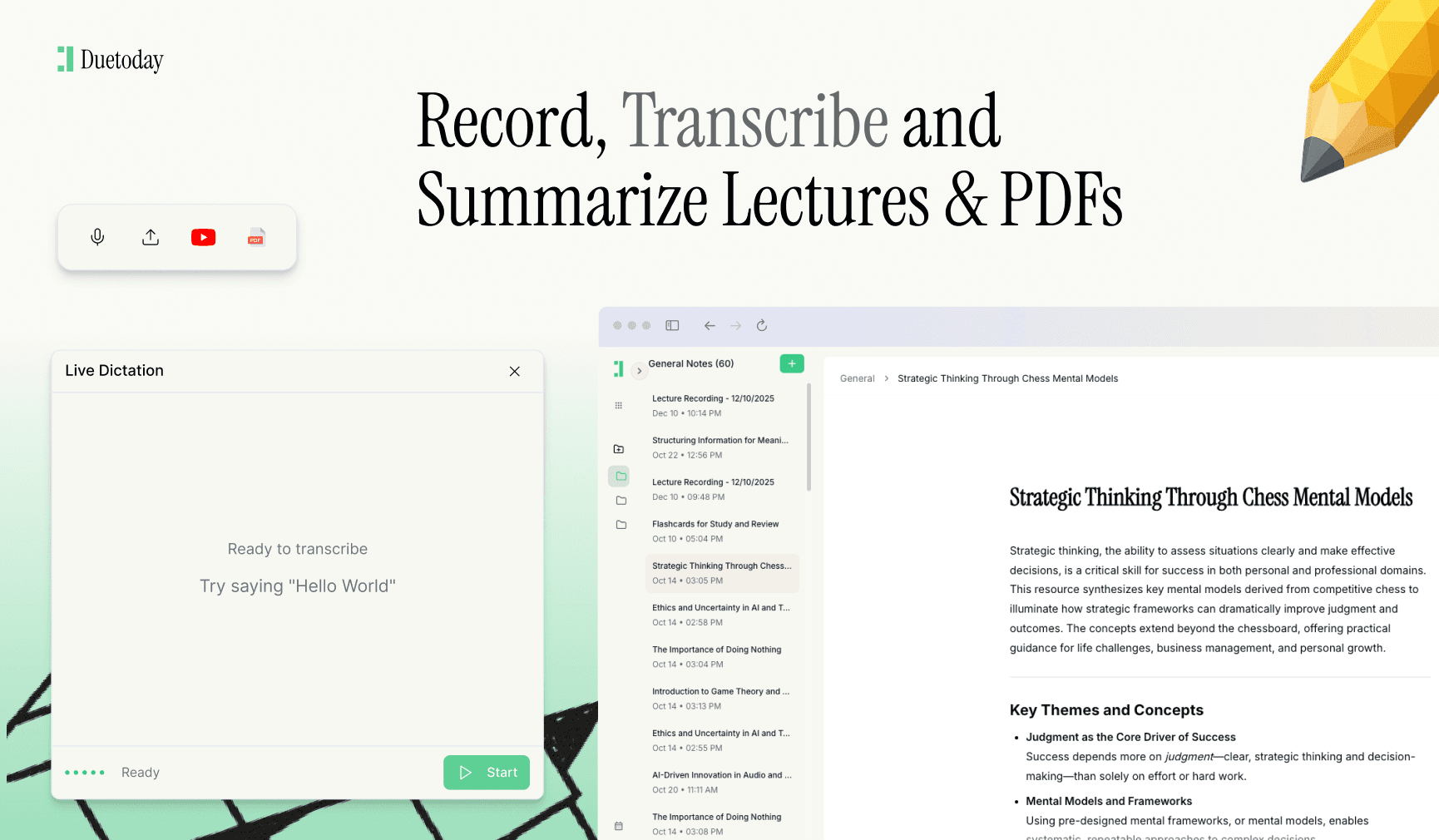
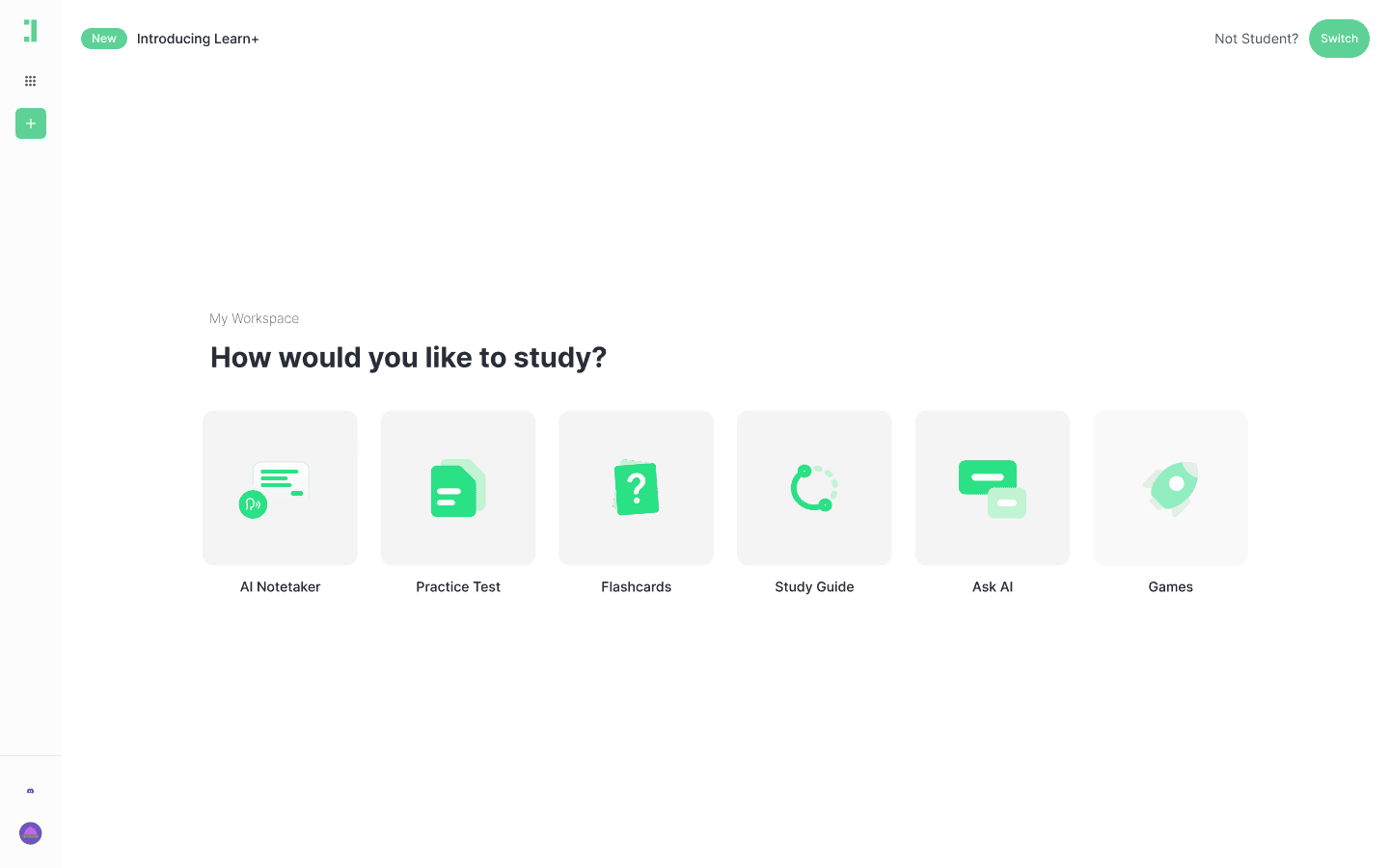
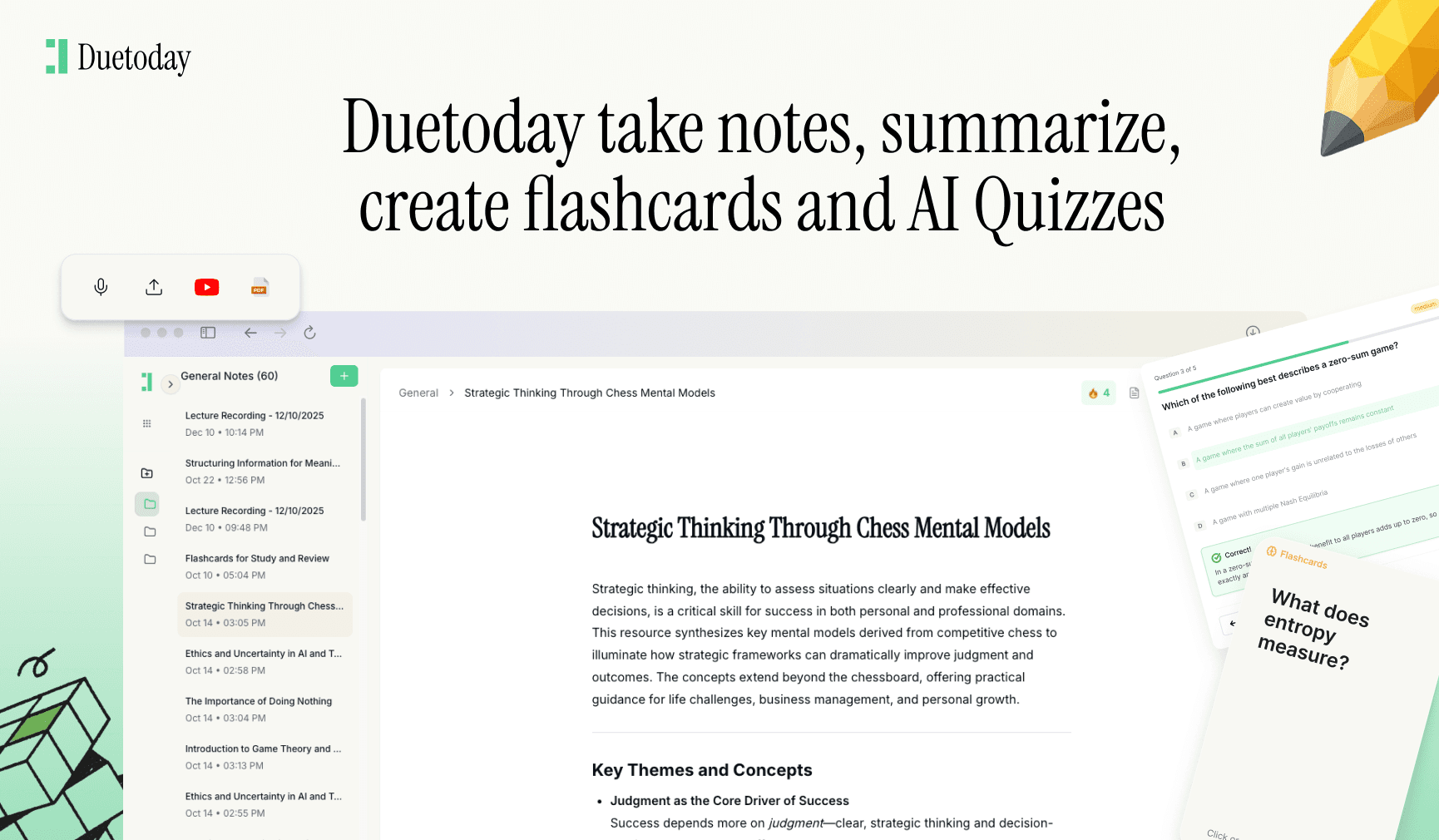
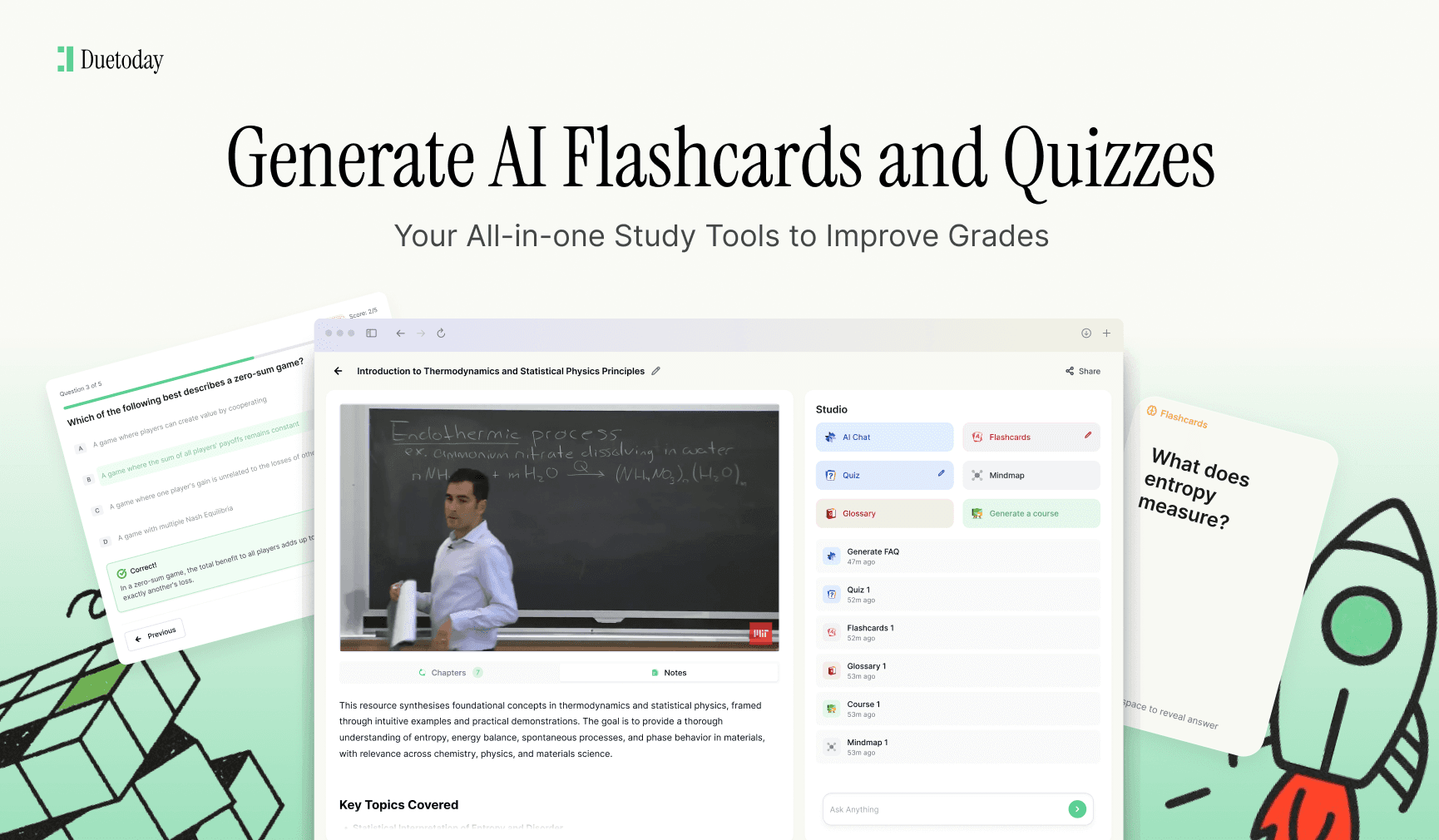
One of the most effective ways to streamline this process is by leveraging modern technology. This is where Duetoday AI becomes an essential part of your study toolkit. Duetoday is an AI-powered learning platform that turns lectures, PDFs, and notes into summaries, flashcards, quizzes, and structured study tools automatically. It acts like a personalized AI tutor, helping students learn faster and stay organized by doing the heavy lifting of organizing messy notes into clear study materials. Instead of spending five hours just trying to rewrite your notes, you can use Duetoday to generate a quiz in seconds, allowing you to focus purely on active learning and retention.
Create a Realistic Study Schedule
Before you dive into the books, you need a roadmap. A common mistake is trying to study for every subject at once or focusing only on your favorite class while ignoring the one you find most difficult. Start by listing all your exam dates and working backward. Allocate specific time blocks for each subject, making sure to prioritize the classes that carry the most weight or the ones where you feel the least confident. Stick to your schedule but remain flexible enough to adjust if a particular topic takes longer than expected to grasp.
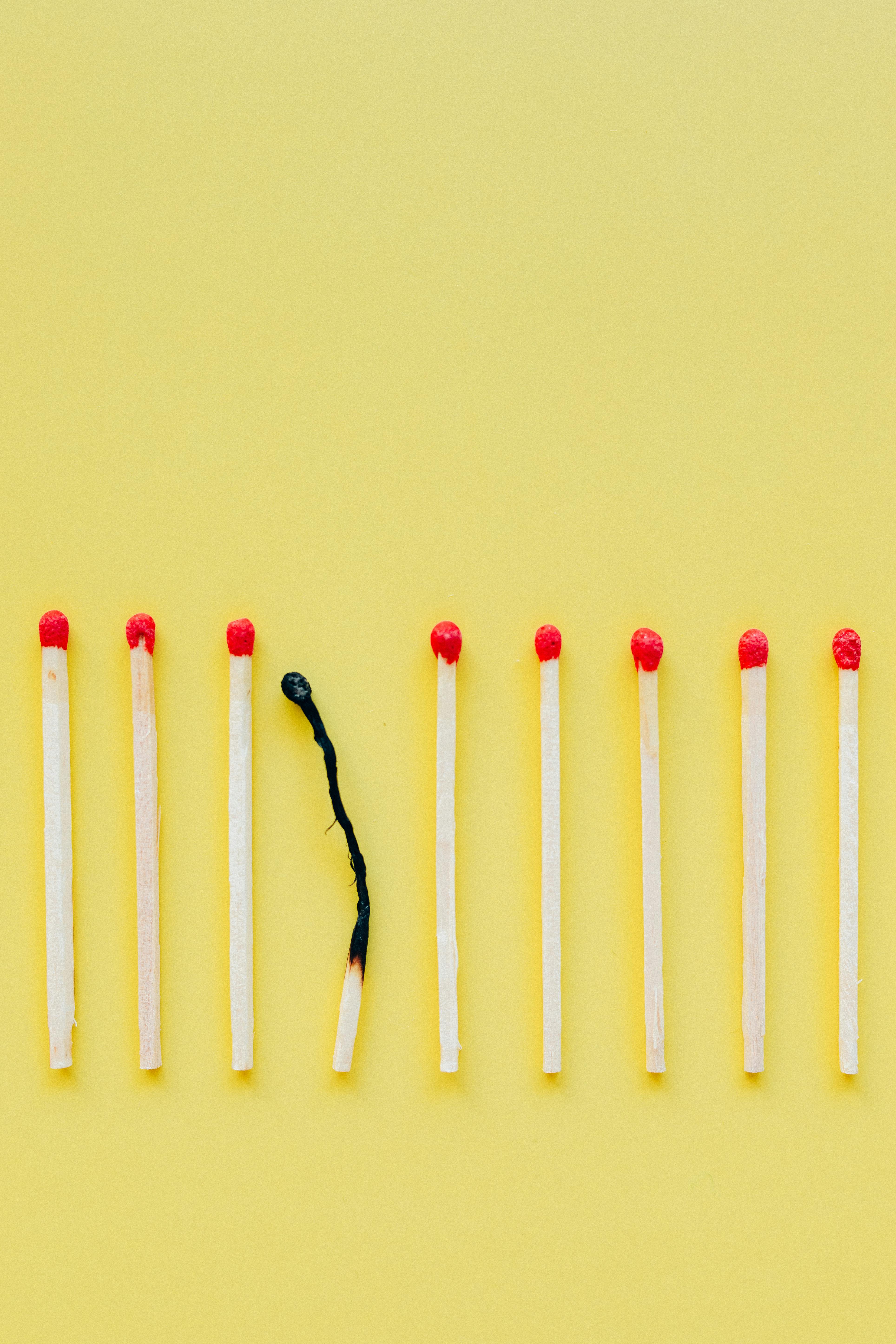
When building your schedule, remember the importance of the Pomodoro technique or similar time-management methods. Studying for four hours straight often leads to diminishing returns as your focus flags. Instead, try working in intense 25 or 50-minute bursts followed by a short break. This keeps your brain sharp and prevents the dreaded academic burnout that often hits right in the middle of finals week. Make sure your study environment is conducive to this focus, which means finding a quiet spot in the library or a dedicated desk space at home where distractions are kept to a minimum.
Master Active Recall and Space Repetition
Active recall is arguably the most powerful tool in a student's arsenal. Instead of reading a chapter, close the book and try to explain the core concepts out loud or write down everything you remember on a blank piece of paper. This forces your brain to retrieve the information, which strengthens the neural pathways associated with that memory. Combine this with spaced repetition, where you review the material at increasing intervals over several days, and you will find that the information sticks much better than it would during a last-minute cram session.
Practice exams are another goldmine for preparation. Most professors provide past papers or practice questions for a reason. They give you a feel for the exam format, the types of questions that are likely to be asked, and the time constraints you will face. Treat your practice sessions like the real thing by setting a timer and removing all distractions. This builds your 'exam stamina' and reduces the anxiety that comes from the unknown variables of the testing center.
Read more on Space Repetition
The Role of Physical and Mental Well-being
It is easy to neglect your health during finals, but your brain needs fuel and rest to function at its peak. Sleep is non-negotiable. While all-nighters are often worn as a badge of honor in university culture, they actually impair your cognitive function and memory consolidation. Aim for at least seven hours of sleep, especially the night before a big test. Similarly, staying hydrated and eating balanced meals prevents the energy crashes that come from relying solely on energy drinks and junk food.
Don't forget to manage your stress levels through movement. Even a short fifteen-minute walk across campus can clear your head and lower cortisol levels. If you find yourself spiraling into panic, take a moment to practice deep breathing or talk through your concerns with a friend. Remember that the goal is progress, not perfection. If you have prepared consistently, you have every reason to feel confident when you finally walk into that exam hall. By staying organized, using the right tools to simplify your workflow, and taking care of your body, you can navigate finals week with clarity and ease.
How early should I start studying for finals?
Ideally, you should begin your intensive review at least two to three weeks before the first exam. This gives you enough time to go through all the material without having to cram everything in at the last minute.
Is it better to study alone or in a group?
This depends on your learning style. Solo study is great for deep focus and initial memorization, while group study is excellent for clarifying difficult concepts and testing each other through discussion.
What should I do if I fall behind on my study schedule?
Don't panic. Re-evaluate your remaining time and prioritize the high-impact topics. Focus on understanding the core concepts of each module rather than trying to memorize every minute detail.
How can I stay motivated during long study sessions?
Set small, tangible rewards for yourself after completing specific tasks. Whether it is a favorite snack or an episode of a show, having something to look forward to can help you push through the more tedious chapters.