How to Paraphrase Without Plagiarising

The Importance of Mastering Paraphrasing in Academic Writing
Stepping into the world of university assignments can feel like navigating a minefield of citations and references. At the heart of every great essay lies the ability to take complex ideas from researchers and explain them in your own voice. This process, known as paraphrasing, is more than just swapping words with synonyms. It is about demonstrating that you truly understand the material enough to explain it to someone else without leaning on the original author's exact phrasing.
Many students fall into the trap of 'patchwriting,' which is essentially changing a few words here and there while keeping the sentence structure identical to the source. This is a risky move that can often trigger plagiarism detectors. To stay safe, you need to strip the idea down to its core and rebuild it using your unique vocabulary. This not only keeps you academically honest but also makes your writing much more fluid and engaging for your lecturers to read.
Understand the Source Material Fully
Before you even think about putting pen to paper or fingers to keys, you must have a solid grasp of what the author is saying. Read the passage multiple times. If there are technical terms you do not understand, look them up. A common mistake is trying to paraphrase a sentence you only half-understand, which leads to inaccurate representations of the data or theory.
A good trick is to read the paragraph, close the book or tab, and then try to explain the concept out loud. If you can explain it to a friend or even to yourself in the mirror using simple language, you are ready to write it down. This mental digest ensures that you are capturing the essence of the work rather than just mirroring the syntax.
Techniques for Effective Rewriting
One of the most effective ways to paraphrase is to change the structure of the sentence entirely. If the original author used an active voice, try switching to a passive construction where appropriate, or vice versa. You should also try to change the part of speech; for example, a noun in the original sentence could become a verb in yours. These structural shifts help distance your writing from the source while keeping the logic intact.
However, simply changing the grammar is not enough. You must also incorporate your own perspective or link the idea back to your specific essay argument. This contextualization proves that you are using the information to build a case, which is exactly what markers look for when they are grading high-level university papers.
Integrating Duetoday AI into Your Study Routine
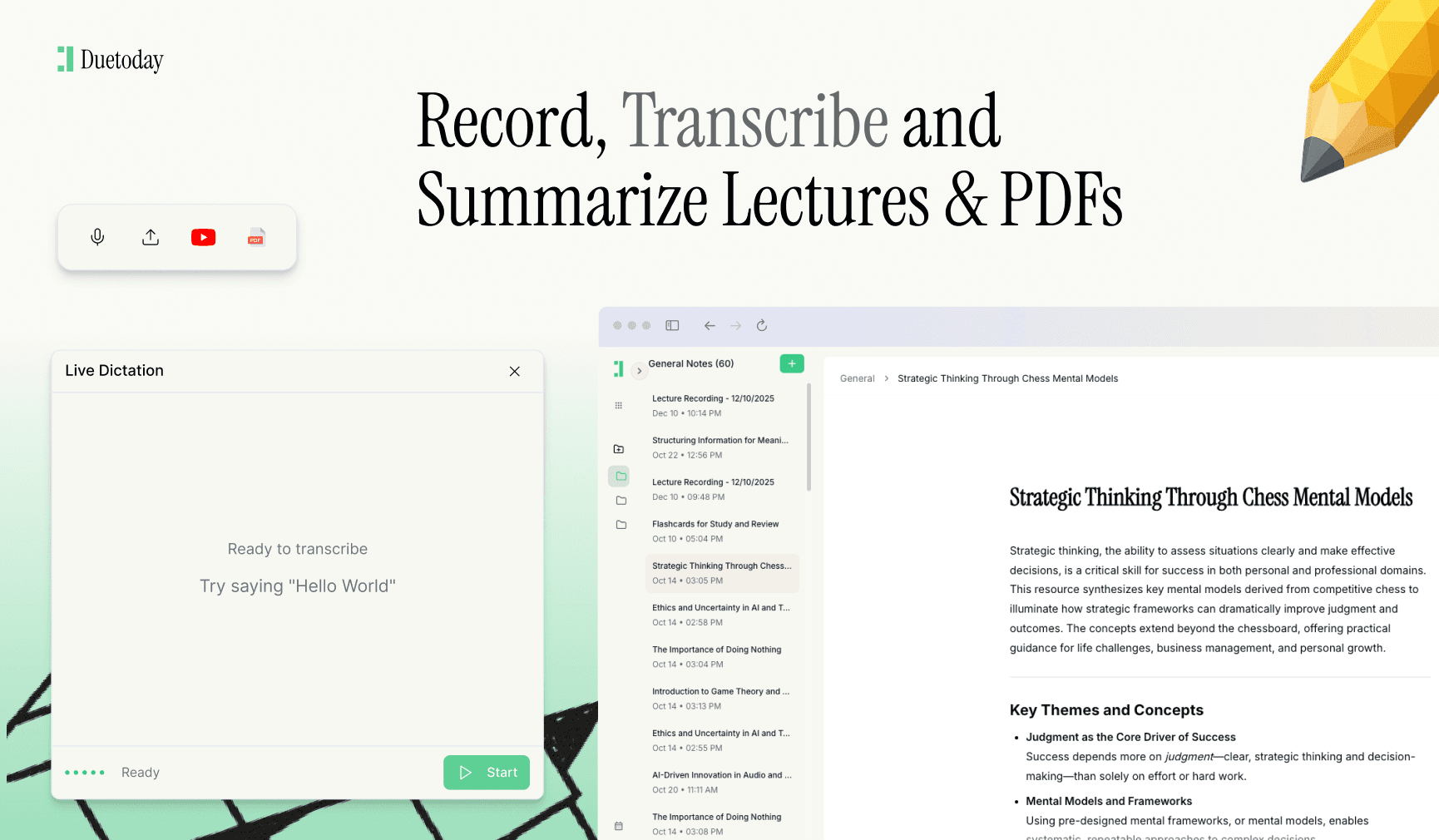
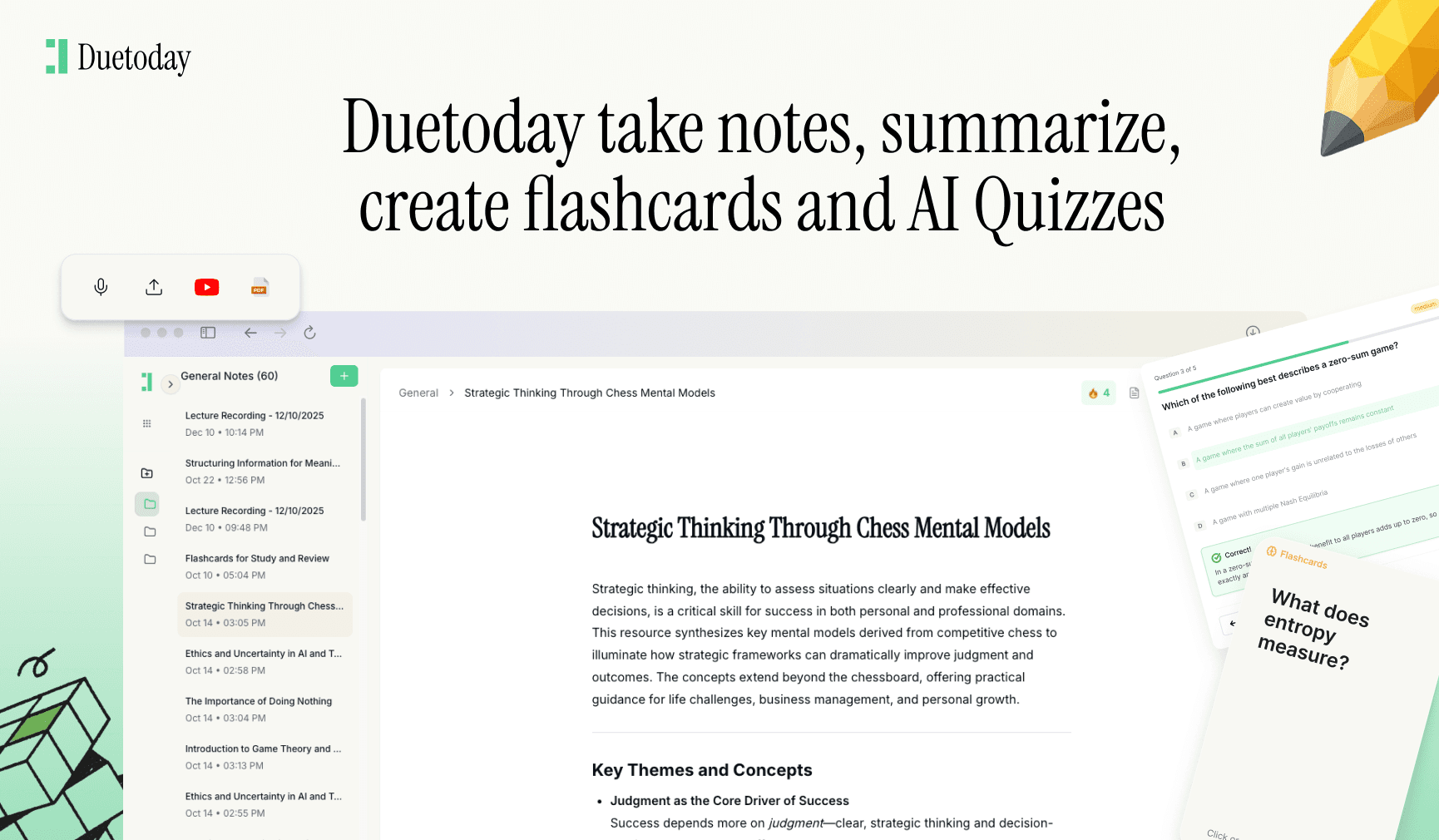
Managing multiple sources and trying to rewrite complex theories can be overwhelming, especially when deadlines are looming. This is where Duetoday AI becomes an essential companion for modern students. Duetoday is an AI-powered learning platform that turns lectures, PDFs, and notes into summaries, flashcards, quizzes, and structured study tools automatically. It acts like a personalized AI tutor, helping students learn faster, stay organized, and retain information without spending hours rewriting notes manually. By using structured summaries, you can grasp the core concepts of your reading material more quickly, making the paraphrasing process much more natural and less prone to errors.
Strategies to Avoid Accidental Plagiarism
Credit where credit is due is the golden rule of academia. Even when you have successfully rewritten a passage in your own words, you still must provide a citation. Paraphrasing is not a way to claim an idea as your own; it is a way to present someone else’s idea in your style. Failing to include a name and date usually results in plagiarism, regardless of how original your wording is.
To keep things organized, always take notes as you read. Write down the citation details immediately so you do not lose track of where a specific theory came from. Using a consistent system for your bibliography from day one will save you a massive amount of stress during finals week when you are trying to track down a single sentence from a book you returned to the library weeks ago.
The Difference Between Quoting and Paraphrasing
Knowing when to quote and when to paraphrase is a skill in itself. Direct quotes should be used sparingly, usually when the original wording is so unique or powerful that it cannot be improved upon. For almost everything else, paraphrasing is preferred. It shows your lecturer that you have processed the information rather than just copy-pasting it. Most universities prefer a paper that is 80% your voice and 20% referenced material, with very few direct quotes.
If you find yourself relying too heavily on quotes, it might be a sign that you have not fully mastered the topic yet. Take a step back and try to break the information down into smaller pieces. Summarizing large sections of a text into a single, punchy sentence is a great way to show off your analytical skills and keep your word count under control.
Common Pitfalls to Watch Out For
One major error students make is the 'thesaurus method.' This involves taking the original text and right-clicking every word to find a synonym. This often results in clunky, unnatural sentences that do not make sense. Professional academic writing flows logically, and the 'thesaurus method' usually destroys that flow. It is better to use simpler words that you are comfortable with than to use complex ones incorrectly.
Another pitfall is failing to check the final result against the original. Once you have finished your paragraph, compare it to the source. If it still looks too similar in rhythm or order, start over. It is better to spend an extra ten minutes getting it right than to face a meeting with the academic integrity board. Always aim for a completely fresh perspective on the data presented.
Final Polish and Review
Before submitting your work, read your paraphrased sections out loud. This helps you catch any awkward phrasing or grammatical errors that might have crept in during the rewriting process. It also ensures that your voice is consistent throughout the entire document. A well-paraphrased essay should feel like a single, cohesive narrative rather than a collection of different authors' voices stitched together.
Consistent practice is the only way to get better at this. The more you read and write, the easier it becomes to synthesize information. By following these steps and utilizing modern tools to help organize your thoughts, you can navigate your university years with confidence and academic integrity.

What is the difference between summarising and paraphrasing?
Paraphrasing involves rewriting a specific passage to maintain the original level of detail using different words. Summarising focuses on condensing the main points of a larger text into a shorter version.
Do I need a citation if I used my own words?
Yes. Even if the words are entirely yours, the idea belongs to the original author. You must always cite the source to avoid plagiarism.
Can I use AI to help me paraphrase?
AI tools can help you understand concepts, but you should always review the output to ensure it is accurate and reflects your own academic voice. Always check your university's policy on AI usage.
What happens if I accidentally plagiarise?
Most universities have strict penalties for plagiarism, ranging from mark deductions to expulsion. It is vital to use citations and double-check your work to prevent accidental errors.
How much of my essay should be paraphrased?
The majority of your evidence should be paraphrased. Direct quotes should only be used for impactful statements or specific definitions that cannot be changed.