How to Network as a University Students

Why Networking Matters Before You Graduate
Networking is often talked about as a corporate buzzword, but for university students, it is the secret gateway to the hidden job market. Most high-level internships and entry-level roles are filled through referrals before they ever hit a public job board. Starting your networking journey while still in school gives you a massive advantage because people are generally more willing to help a student who is eager to learn than a job seeker who is desperate for work.
The goal of student networking isn't just to collect business cards or LinkedIn connections. It is about building genuine relationships with people who can offer advice, mentorship, and eventually, professional opportunities. When you approach networking with a mindset of curiosity rather than transaction, you build a foundation that lasts your entire career. Whether you are an introvert or an extrovert, the strategies for building a professional circle remain the same: show up, be curious, and follow up.
Start With Your Immediate Circle
Many students overlook the most obvious resources right in front of them. Your professors, teaching assistants, and even your classmates are part of your professional network. Professors often have deep roots in their industries and are frequently approached by companies looking for top talent. By participating in class and visiting office hours, you distinguish yourself from the hundreds of other students in the lecture hall. Your peers are equally important; the person sitting next to you in your finance seminar today could be a hiring manager or a founder five years from now.
Leveraging Digital Tools for Academic Success
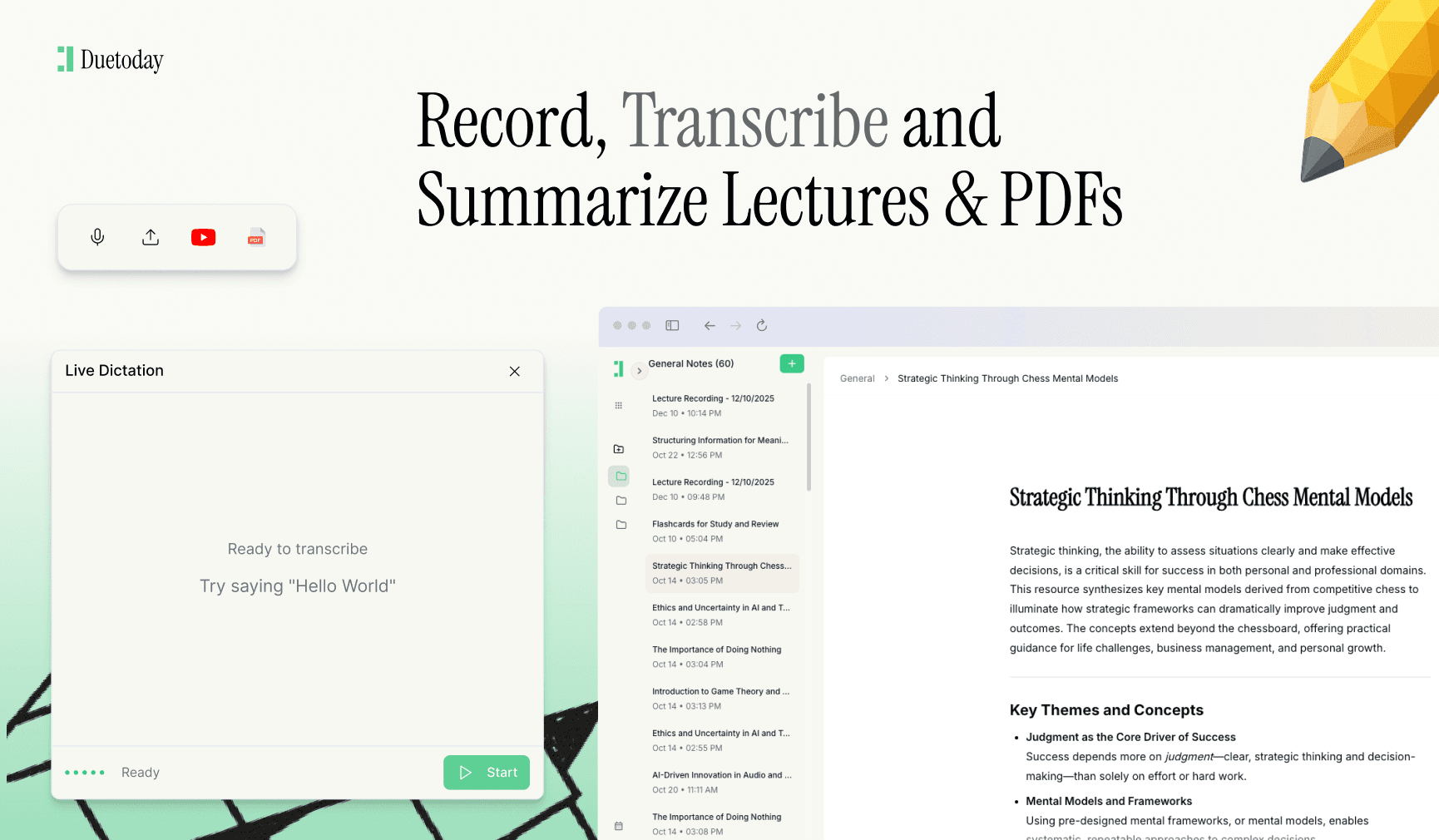
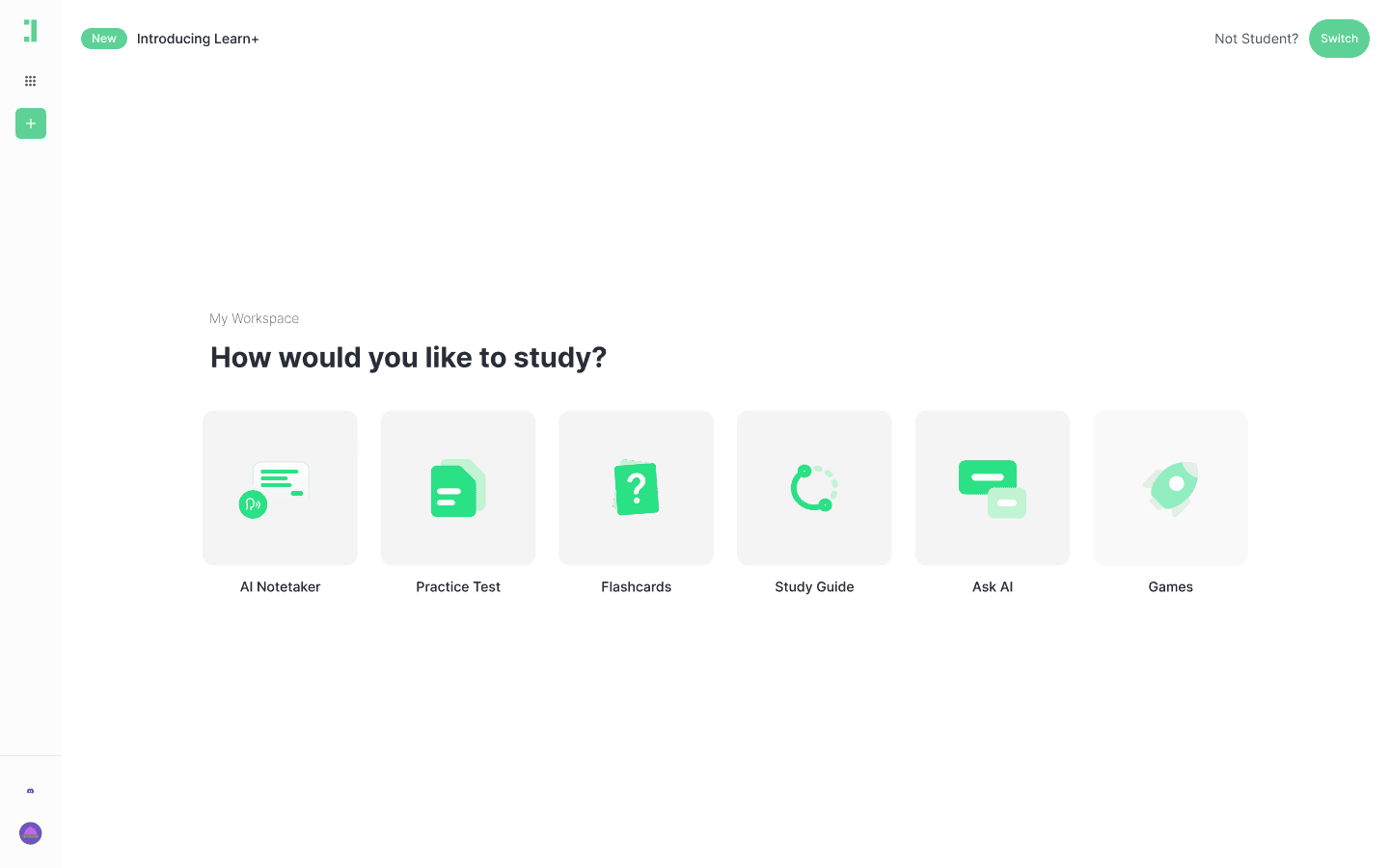
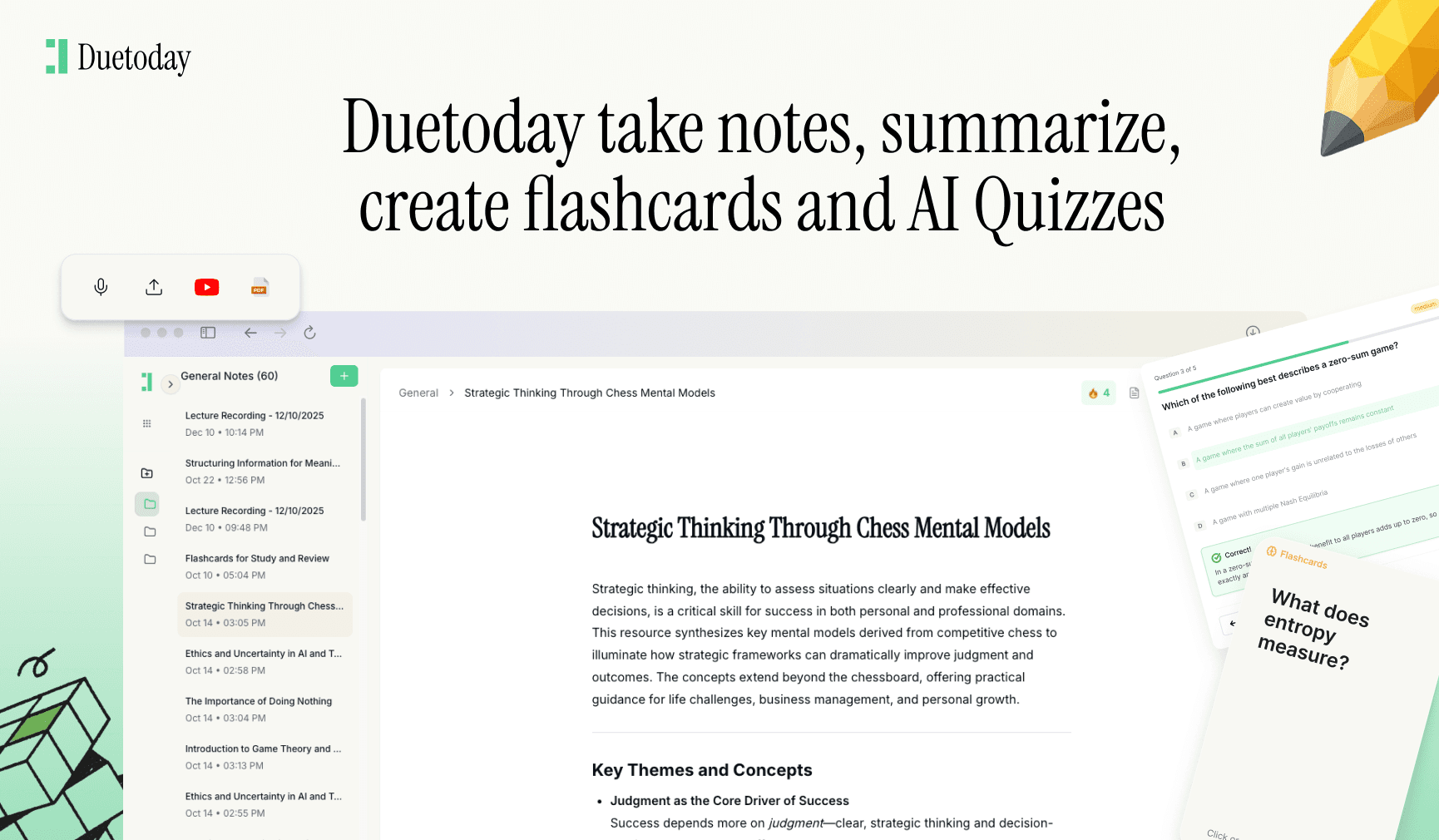
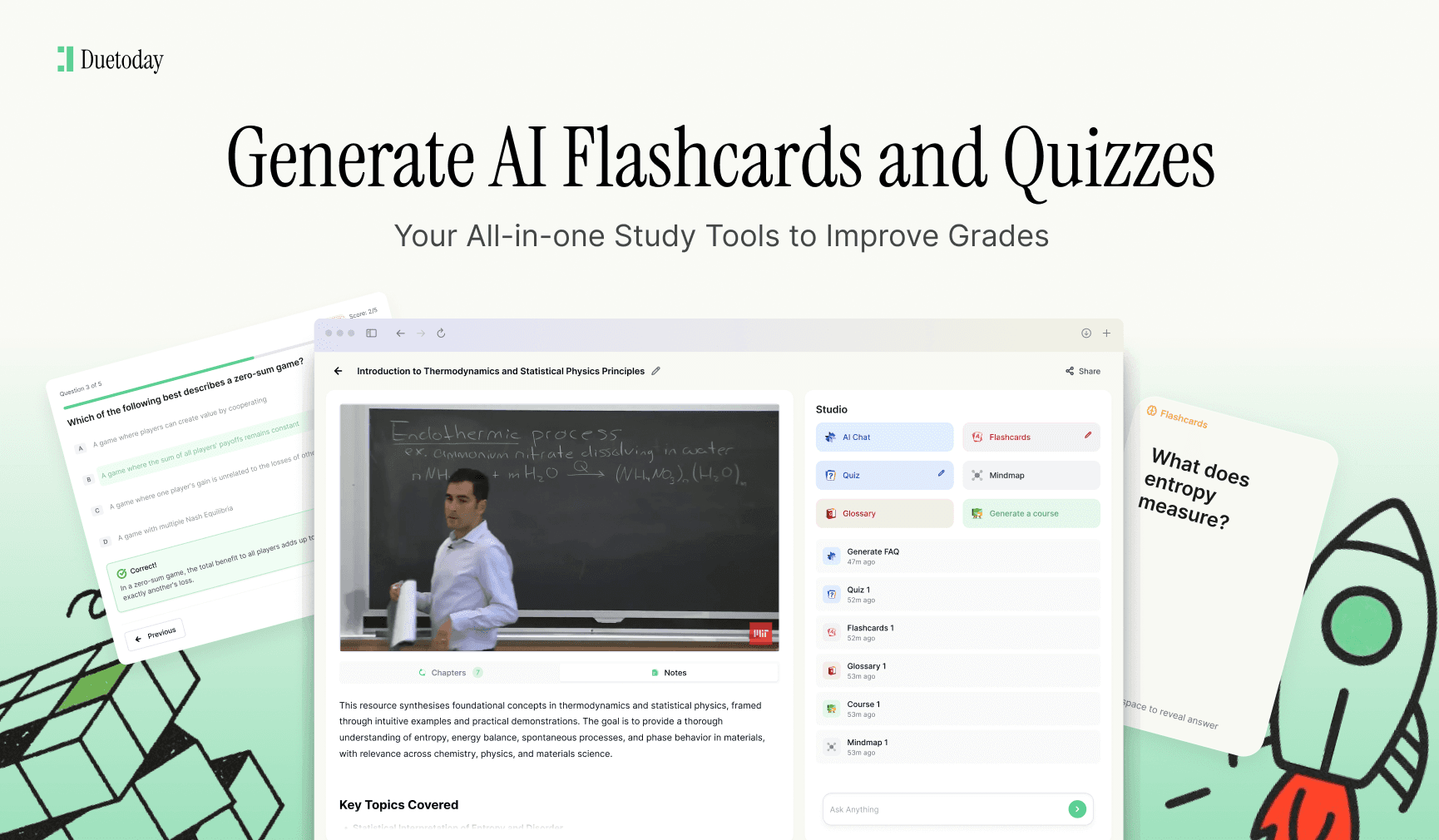
In the modern university landscape, being a good networker also means being a high-performing student because people are more likely to recommend those who demonstrate competence. Using tools like Duetoday AI can give you the edge you need to manage your workload effectively. Duetoday is an AI-powered learning platform that turns lectures, PDFs, and notes into summaries, flashcards, and quizzes automatically. It acts like a personalized AI tutor, helping you learn faster and stay organized so you have more time to attend networking events and coffee chats without falling behind on your studies.
Optimizing Your LinkedIn Presence
LinkedIn is the non-negotiable tool for professional growth. As a student, your profile doesn't need twenty years of experience, but it does need to be professional. Start with a clean, high-quality headshot and a headline that specifies what you are studying and what you are passionate about. Instead of just listing your classes, focus on projects, volunteer work, and skills you have acquired. When you reach out to professionals on the platform, always include a personalized message. Mention a specific article they wrote or a project their company finished. This small effort shows you have done your homework and aren't just spamming connection requests.
Attending Campus Events and Career Fairs
Career fairs can be intimidating, but they are incredibly efficient for meeting multiple recruiters in one go. The key to success at these events is preparation. Research the companies attending beforehand and prepare two or three specific questions for each. Avoid asking basic questions like "what does your company do?" which can be found in a quick Google search. Instead, ask about their culture, the challenges their team is currently facing, or what they look for in an ideal intern. After the event, send a thank-you email or a LinkedIn message to the recruiters you spoke with to keep the connection alive.
The Power of Informational Interviews
Informational interviews are perhaps the most effective networking tool for students. This involves reaching out to an alum or a professional in a field you are interested in and asking for fifteen minutes of their time to talk about their career path. Most people enjoy talking about themselves and are happy to help a student. Frame your request as seeking advice, not a job. During the conversation, focus on their journey: What do they wish they knew at your age? What skills are most valuable in their daily work? Always end by asking if there is anyone else they recommend you speak with.
Joining Student Organizations and Societies
Extracurricular activities provide a natural environment for networking. Joining a professional society related to your major, such as a marketing club or an engineering society, connects you with like-minded peers and industry professionals who often come to guest-speak. Taking on a leadership role within these organizations is even better. It demonstrates your work ethic and gives you a direct reason to contact industry leaders to invite them to campus events or collaborate on projects. These interactions build a level of rapport that a simple resume never could.
Following Up and Maintaining Relationships
The biggest mistake students make is letting a connection go cold. Networking is a long game. If you meet someone at an event or have a great coffee chat, send a follow-up message within 24 hours. Throughout the year, you can maintain the relationship by sending them an interesting article related to a conversation you had or giving them an update on a project you discussed. You don't need to bark up their tree every week, but a check-in every few months keeps you on their radar for when opportunities arise. Remember, the best time to build a network is before you actually need one.
How do I network if I am shy?
Start small by talking to your professors or joining smaller student clubs. Remember that networking is just a conversation about shared interests. Prepared questions can help ease the anxiety of small talk.
When should I start networking?
The best time to start is your freshman year. Building relationships takes time, and starting early removes the pressure of needing an immediate job offer.
What should I ask in an informational interview?
Focus on their experience. Ask about their daily routine, what they find most rewarding, and what advice they would give to someone entering the field today.
Do I need a LinkedIn premium account?
No, a standard free account is usually more than enough for most students. Focus on completing your profile and engaging with content rather than paying for extra features.