How to Get Work Experience Without Experience

The Catch-22 of Student Employment
Every university student has faced the same frustrating paradox: you need experience to get a job, but you need a job to get experience. It feels like a closed loop that is impossible to break into, especially when entry-level job descriptions ask for three years of industry practice. However, the secret lies in redefining what experience actually means. Most recruiters aren't just looking for a previous job title; they are looking for evidence of skills, reliability, and a proactive mindset. If you are sitting in a lecture hall wondering how to fill your CV, you have more opportunities than you think.
Maximizing Your Academic Projects
Your coursework is not just a hurdle to jump over for a grade; it is a goldmine for your professional portfolio. When you work on a complex research paper, a group presentation, or a coding project, you are developing transferable skills like data analysis, public speaking, and collaborative problem-solving. Instead of listing your modules on your resume, describe the specific outcomes of your major assignments. Treat your capstone project or dissertation as a professional consultancy gig. This approach shifts the focus from what you studied to what you actually achieved during your time at university.
Micro-Internships and Freelancing
You do not need a three-month summer internship at a Fortune 500 company to prove your worth. Micro-internships—short-term, paid professional assignments—are becoming increasingly popular. Platforms like Parker Dewey connect students with companies for discrete tasks like market research or social media auditing. Alternatively, you can start freelancing on sites like Fiverr or Upwork. Even if you only complete two or three small projects, you can officially call yourself a freelancer. This shows a level of initiative that traditional employment simply cannot match.
Leveraging Duetoday AI for Academic Success
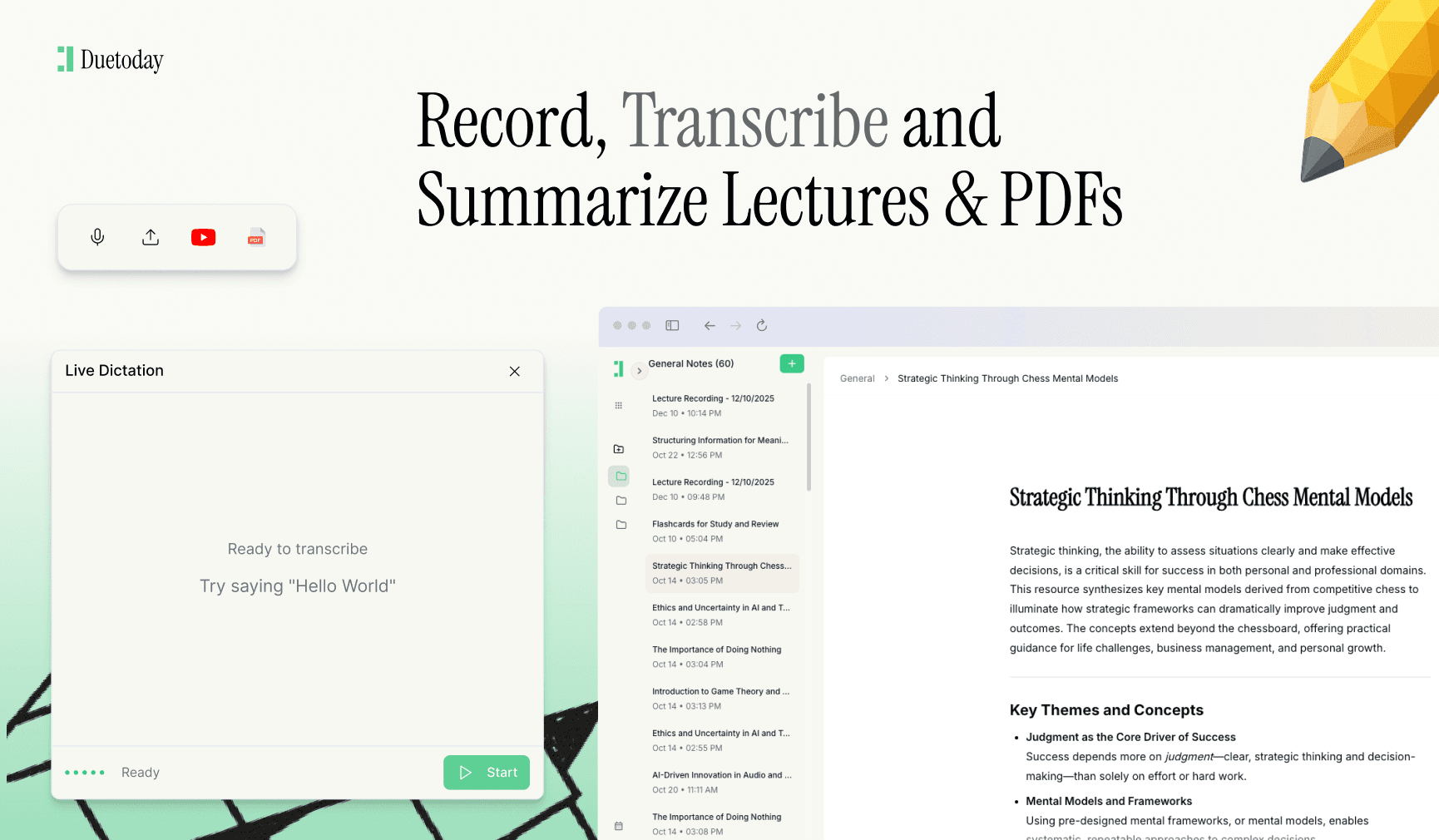
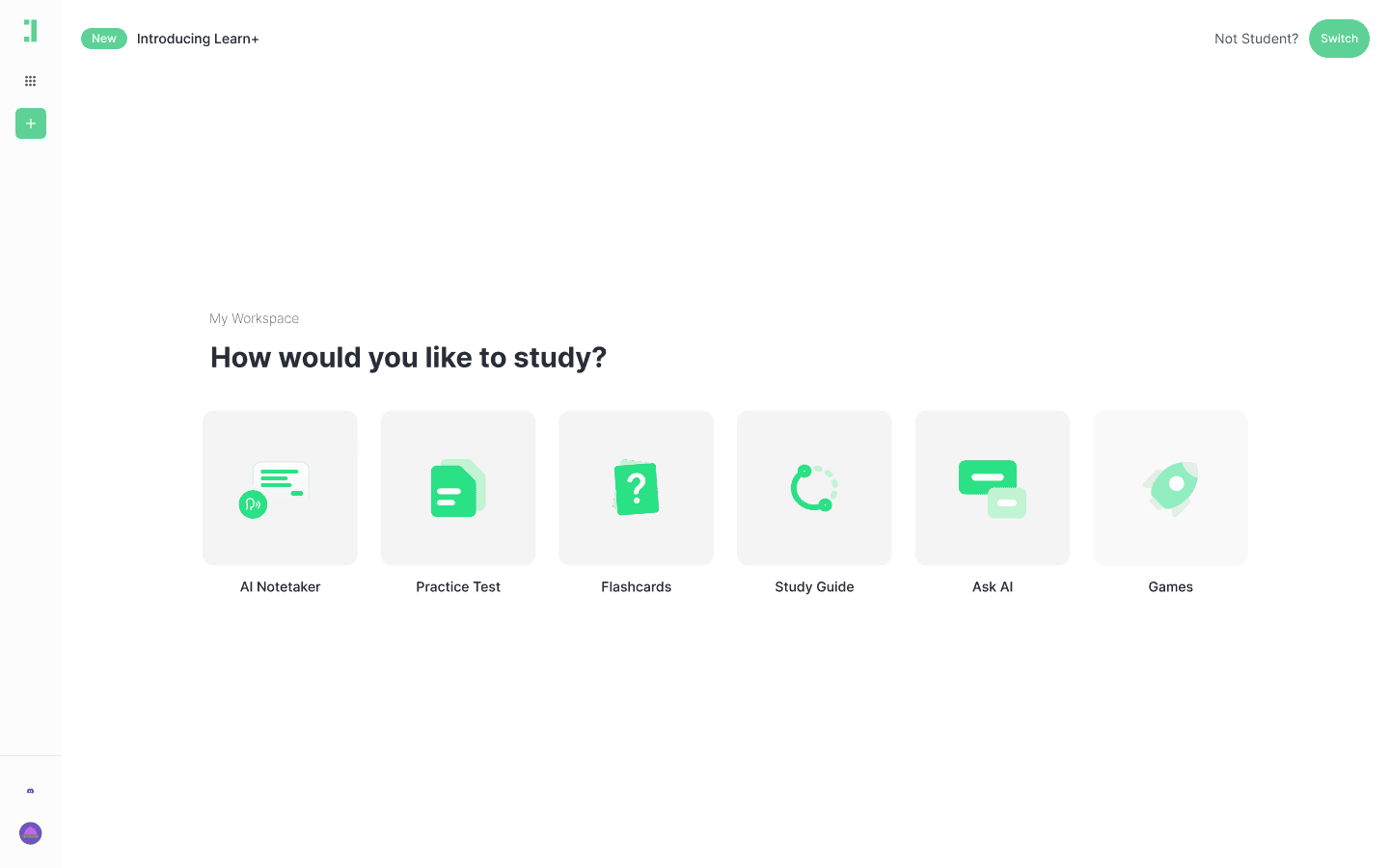
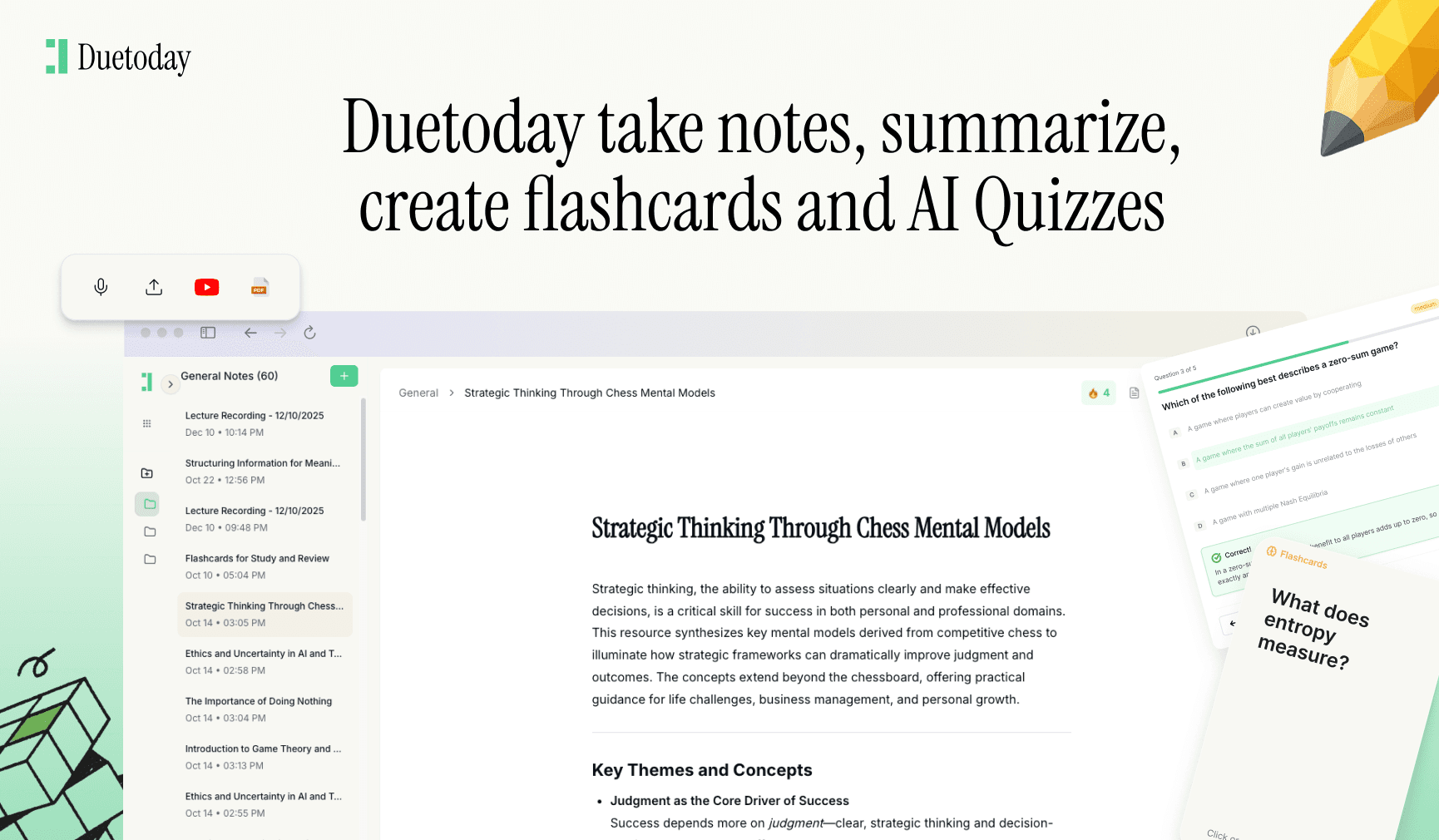
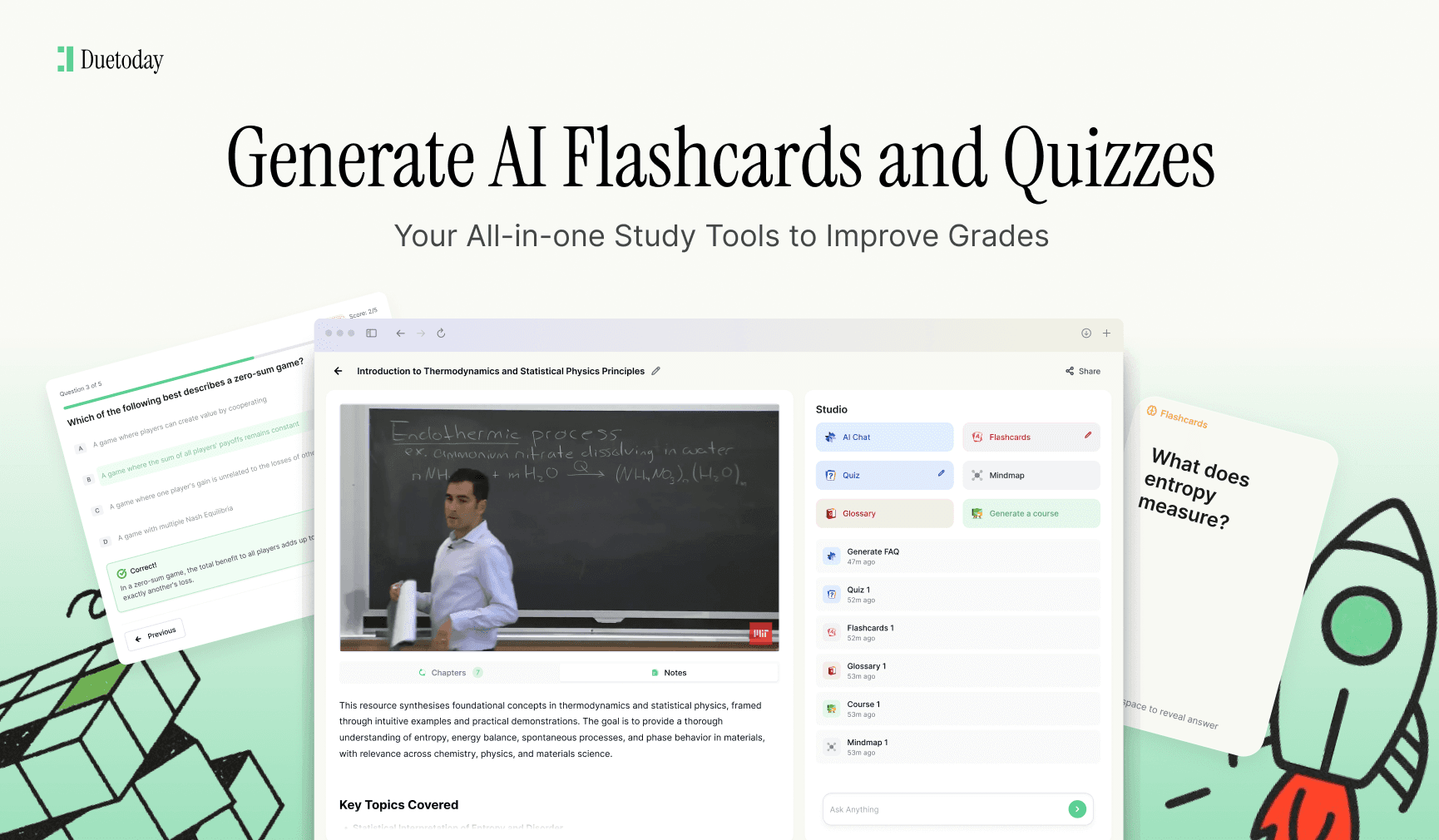
To find time for building a portfolio, you need to master your current workload. This is where Duetoday AI becomes your secret weapon. Duetoday is an AI-powered learning platform that turns lectures, PDFs, and notes into summaries, flashcards, quizzes, and structured study tools automatically. It acts like a personalized AI tutor—helping students learn faster, stay organized, and retain information without spending hours rewriting notes. By automating the tedious parts of studying, you free up dozens of hours each month to focus on networking, side projects, or landing that first internship without your grades suffering.
Volunteering with Purpose
Volunteering is often dismissed as just something to do for charity, but it is one of the most effective ways to build a niche skill set. If you want to go into marketing, offer to manage the social media accounts for a local non-profit. If you are an aspiring accountant, help a community center with their basic bookkeeping. The key is to seek out volunteer roles that align with your career goals rather than just general labor. When a recruiter sees that you managed a budget for a local charity, they see a candidate who can handle responsibility in a professional setting.
Society Leadership and Extracurriculars
Being a member of a university society is fun, but being on the committee is professional experience. Roles such as Treasurer, President, or Secretary require real-world management skills. You have to manage people, handle conflicts, organize events, and often deal with university bureaucracy. These are the exact 'soft skills' that employers crave. When writing your CV, use professional language to describe these roles. Instead of saying you organized a pizza night, say you managed event logistics, coordinated vendor relations, and oversaw a budget for a group of fifty people.
The Power of Virtual Experience Programs
In recent years, many top-tier firms like JPMorgan, Deloitte, and Accenture have launched virtual work experience programs. These are free, open-access simulations of the work employees do at these firms. Completing these programs gives you a certificate and, more importantly, a deep understanding of the daily tasks in your chosen industry. It shows employers that you have taken the time to learn their specific workflows and tools. It is a productive way to spend a weekend and provides a massive boost to your credibility when you have no formal office experience yet.
Networking and Informational Interviews
Sometimes, the best way to get experience is to ask for advice rather than a job. Reach out to alumni from your university who are working in your dream field. Ask for a fifteen-minute virtual coffee or an informational interview. Ask them how they got their start and what skills they value most in juniors. Often, these conversations lead to referrals or 'shadowing' opportunities where you can observe their work for a day or two. Shadowing is a low-pressure way to get a company name on your resume and build a bridge toward a full-time offer.
Can I put class projects on my resume?
Yes, especially if they involved significant research, technical skills, or collaboration. Describe them as 'Academic Projects' and focus on the results.
Do virtual internships count as real experience?
Absolutely. They demonstrate industry knowledge and the proactive nature of the student to learn outside of the classroom environment.
How do I find micro-internships?
Websites like Parker Dewey, Forage, and even LinkedIn are great places to look for short-term projects that require minimal previous experience.
Is non-paid work experience worth it?
If it provides you with a specific skill or a high-quality portfolio piece, it can be very valuable. However, always prioritize your time and ensure the role is genuinely educational.