How to Get a Graduate Job

The Reality of the Graduate Job Market
Getting your first professional role after finishing university is often described as a full-time job in itself. The transition from sitting in lecture theatres to sitting in high-pressure boardrooms can feel overwhelming. However, landing a graduate job is not just about having the best grades; it is about strategy, networking, and how you present your academic journey as professional value. Many students wait until after graduation to start looking, but the most successful candidates begin building their profile long before they toss their caps in the air.
The current job market values a mix of technical skills and soft skills. Employers are looking for graduates who can demonstrate resilience, adaptability, and a willingness to learn. This means your degree is the foundation, but your extracurricular activities, internships, and even part-time jobs are the bricks that build your professional house. To succeed, you must treat your job search with the same discipline you applied to your final year dissertation.
Starting Your Search Early
Most large corporate firms open their graduate schemes almost a year before the start date. If you are looking for a role in finance, law, or engineering, you need to be applying during the autumn term of your final year. Smaller companies and startups tend to hire on an ad-hoc basis, but even then, building your network early gives you a significant advantage. Start by identifying the industries that resonate with your career goals and research the specific requirements they look for in entry-level candidates.
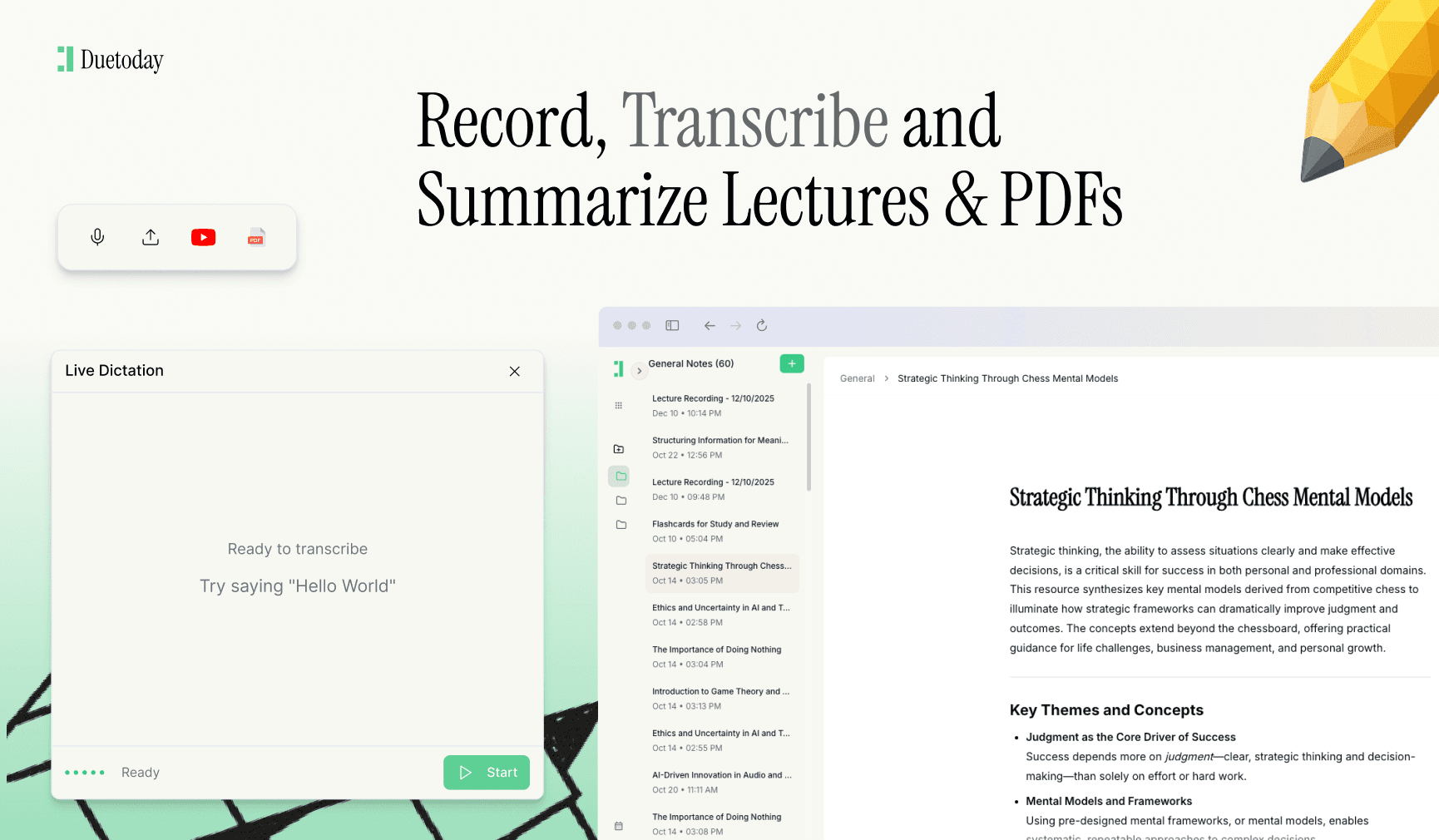
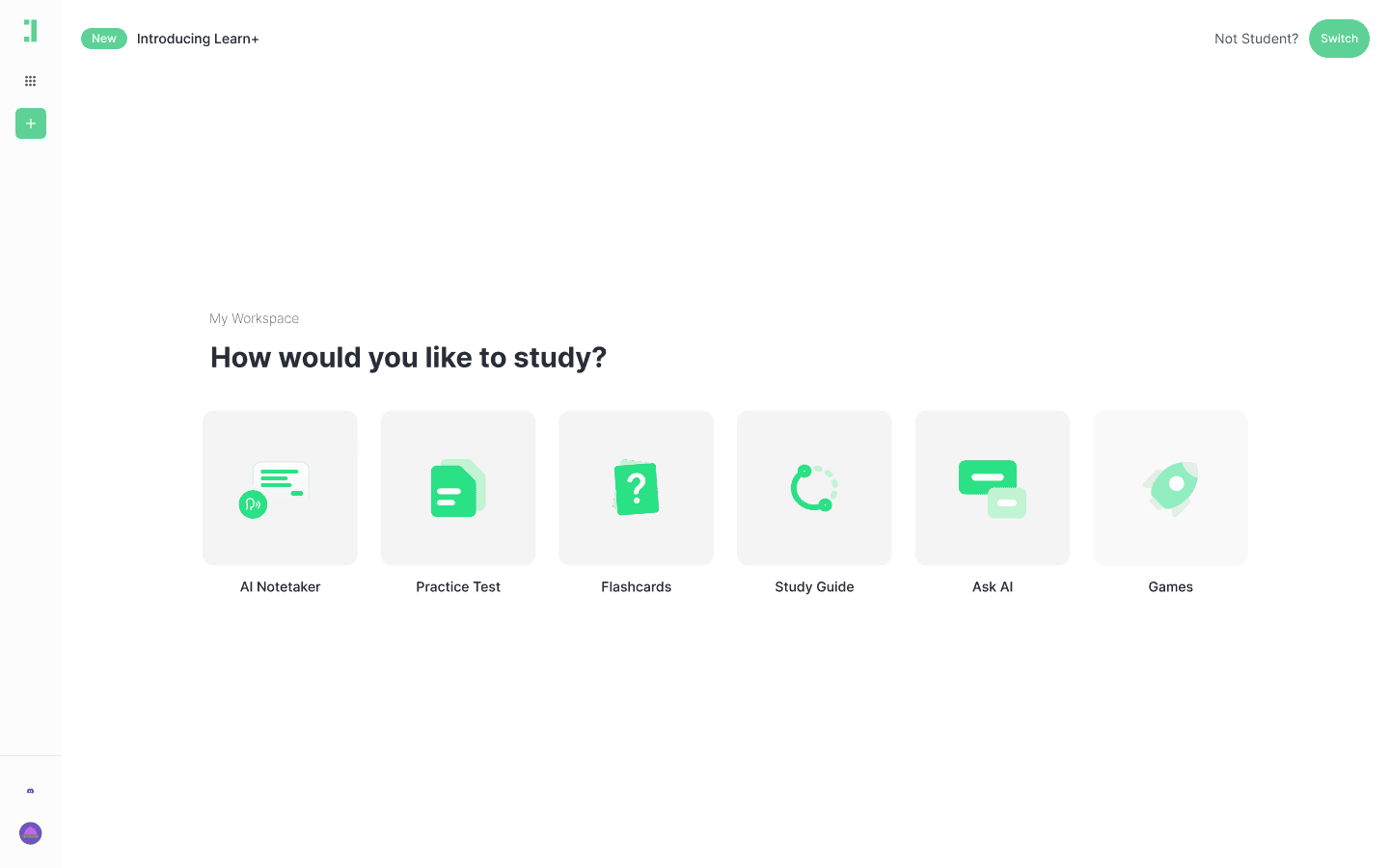
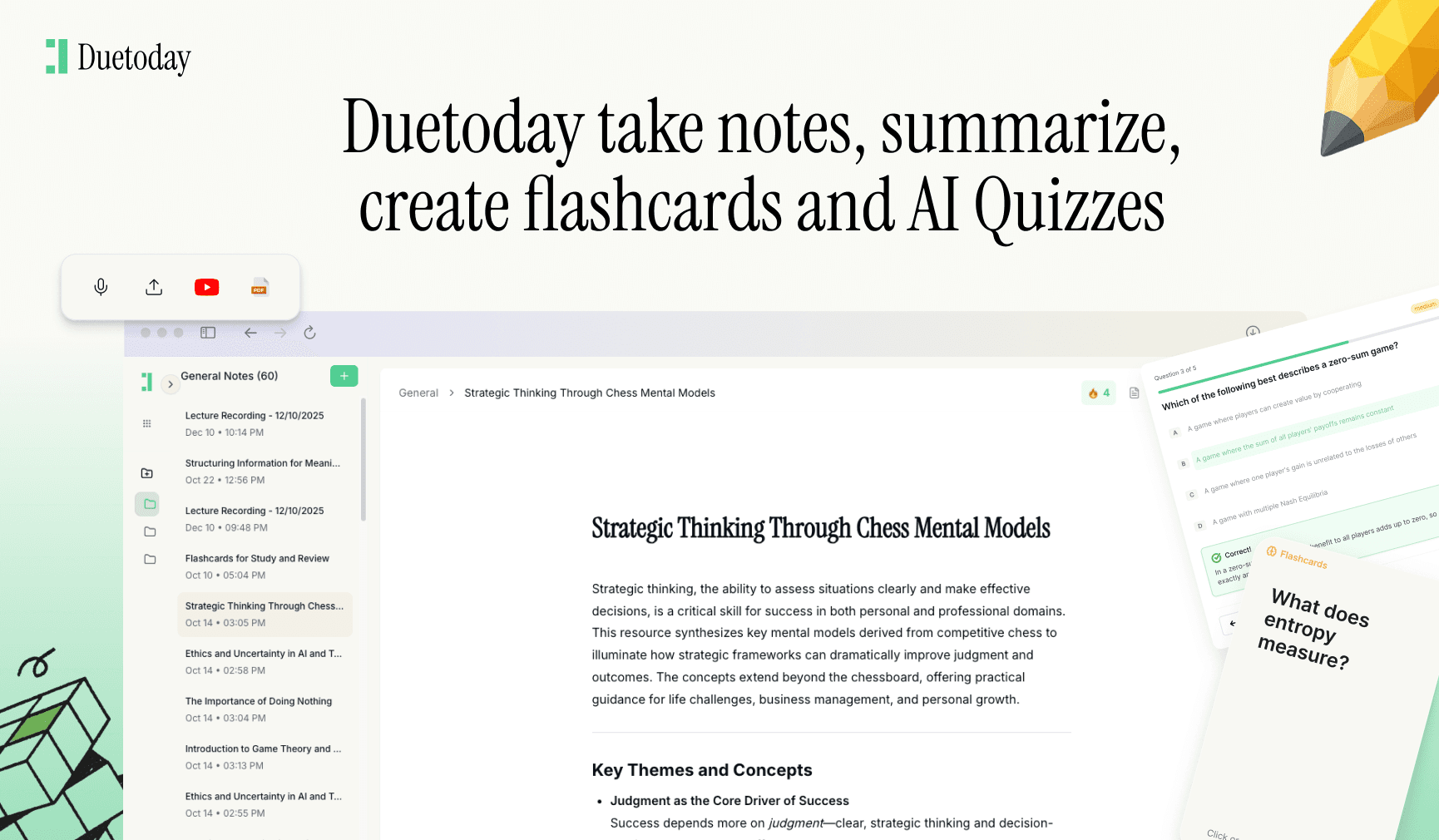
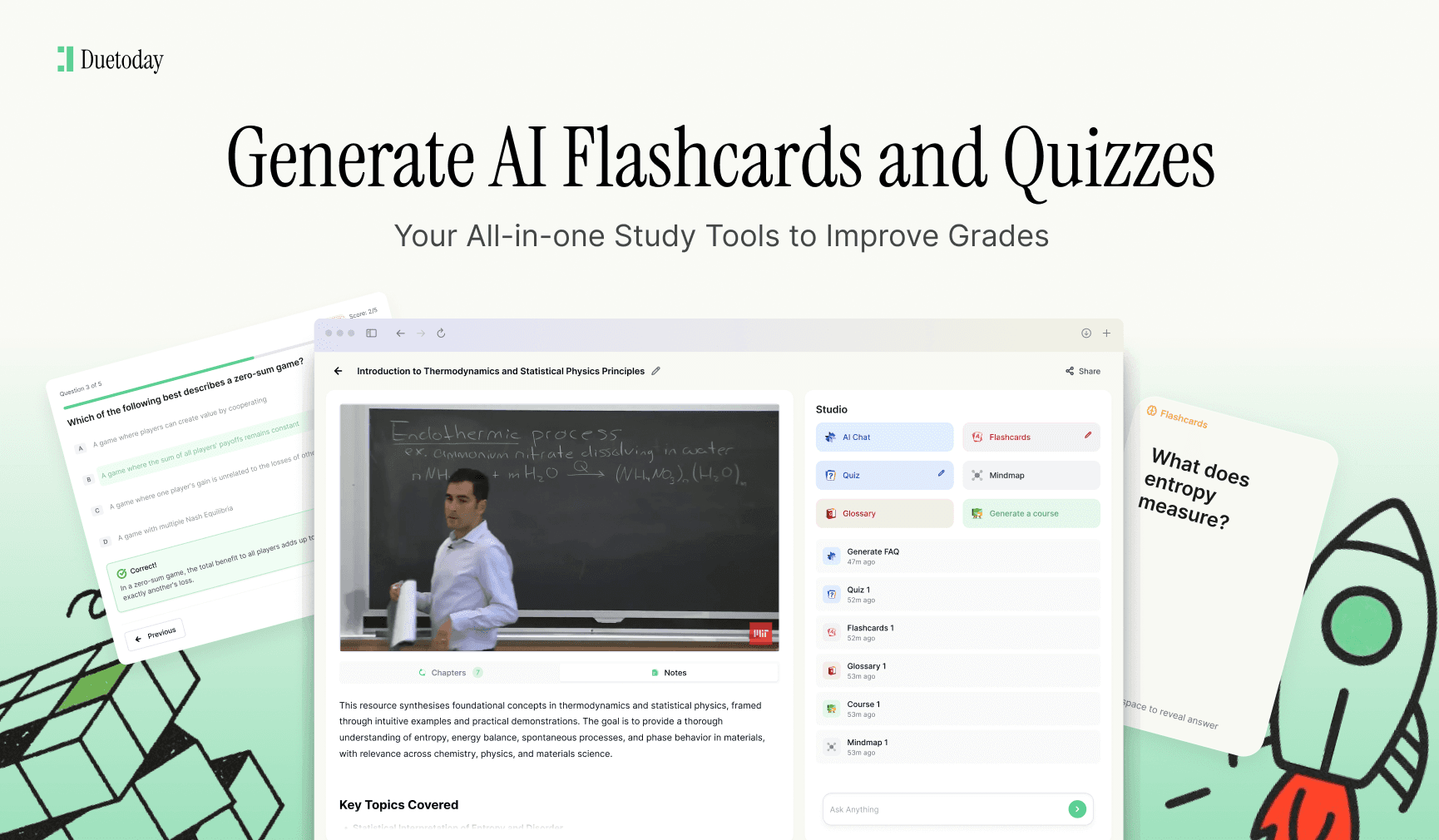
During this stressful period of balancing applications and exams, staying organized is the key to maintaining your mental health. This is where Duetoday AI becomes an essential part of your toolkit. Duetoday is an AI-powered learning platform that turns lectures, PDFs, and notes into summaries, flashcards, and structured study tools automatically. It acts like a personalized AI tutor, helping students learn faster and retain information without spending hours rewriting notes. By using Duetoday to streamline your revision, you free up valuable hours every week to focus on perfecting your job applications and attending networking events.
Crafting a Standout CV and Cover Letter
Your CV is your first impression, and in the digital age, it often has to pass through an Applicant Tracking System (ATS) before a human even sees it. Avoid overly complex designs or heavy graphics. Stick to a clean, readable format that highlights your skills and achievements. Instead of just listing your responsibilities at a previous job, focus on your impact. For example, instead of saying you managed social media, say you increased engagement by 20% over three months. This quantitative approach shows employers that you understand results.
Mastering the Interview Process
If you get invited to an interview, the company already thinks you can do the job on paper. The interview is about proving you are the right cultural fit and that you can communicate your ideas effectively. Research the company thoroughly—know their recent projects, their company values, and their competitors. Use the STAR method (Situation, Task, Action, Result) to answer competency-based questions. This structure ensures your answers are concise and highlight your problem-solving abilities.
Don't forget the importance of the digital interview. Many graduate roles now use asynchronous video interviews where you record your answers to prompts. Practice speaking clearly into a camera and ensure your background is professional. For live interviews, whether via Zoom or in person, come prepared with three to five insightful questions for the interviewer. This shows you are genuinely interested in the growth of the company, not just looking for a paycheck.
Networking and the Hidden Job Market
A large percentage of jobs are never publicly advertised; they are filled through referrals and internal networking. LinkedIn is your most powerful tool here. Optimize your profile with a professional photo and a headline that clearly states what you are looking for. Reach out to alumni from your university who are working in your target industry. Most people are happy to offer advice or a 15-minute coffee chat if you approach them politely and professionally. These connections can often lead to internal referrals which bypass the initial CV screening process.
Finally, remember that the graduate job search is a marathon, not a sprint. You will likely face rejections, but each one is a learning opportunity. Ask for feedback whenever possible and refine your approach. Stay persistent, keep refining your skills, and stay organized. By balancing your academic excellence with a proactive job search strategy, you will position yourself as a top-tier candidate in any field you choose to enter.
When should I start applying for graduate jobs?
For major corporate graduate schemes, you should start applying in September or October of your final university year. For smaller companies, you can start 3-4 months before you graduate.
What if I have no work experience?
Focus on transferable skills from your degree, volunteer work, or university societies. Highlight projects where you demonstrated leadership, teamwork, or technical proficiency.
How long should a graduate CV be?
A graduate CV should typically be no more than two pages. Keep it concise, focused on your most relevant achievements, and easy to read for recruiters.
Do I need a LinkedIn profile?
Yes, LinkedIn is essential for networking, researching companies, and being found by recruiters who often headhunt candidates for entry-level roles.