How to Find Internships in University: The Ultimate Student Guide

Getting Started with Your Internship Search
Finding an internship while managing university coursework can feel like a full-time job. However, landing that first professional role is one of the most significant steps you can take for your future career. Most students wait until their final year to start looking, but the most successful candidates begin exploring opportunities much earlier. The process involves more than just hitting apply on a job board; it requires a strategic approach to networking, personal branding, and skill development.
The first step in your journey is defining what you actually want to achieve. Are you looking for a big name on your resume, or are you more interested in the specific day-to-day tasks of a startup? Understanding your goals helps you narrow down your search and prevents application burnout. University life provides a unique safety net where you can experiment with different industries without long-term commitment. Use this time to explore niches you might be curious about, even if they don't perfectly align with your major.
Build a Strong Foundation
Before you start sending out your resume, you need to ensure your digital presence is polished. Most recruiters will look you up on LinkedIn the moment they see your name. Ensure your profile has a professional photo, a clear headline, and a summary that highlights your academic achievements and your eagerness to learn. You don't need years of experience to look professional; showcasing class projects or volunteer work can often display the same level of competence to an employer.
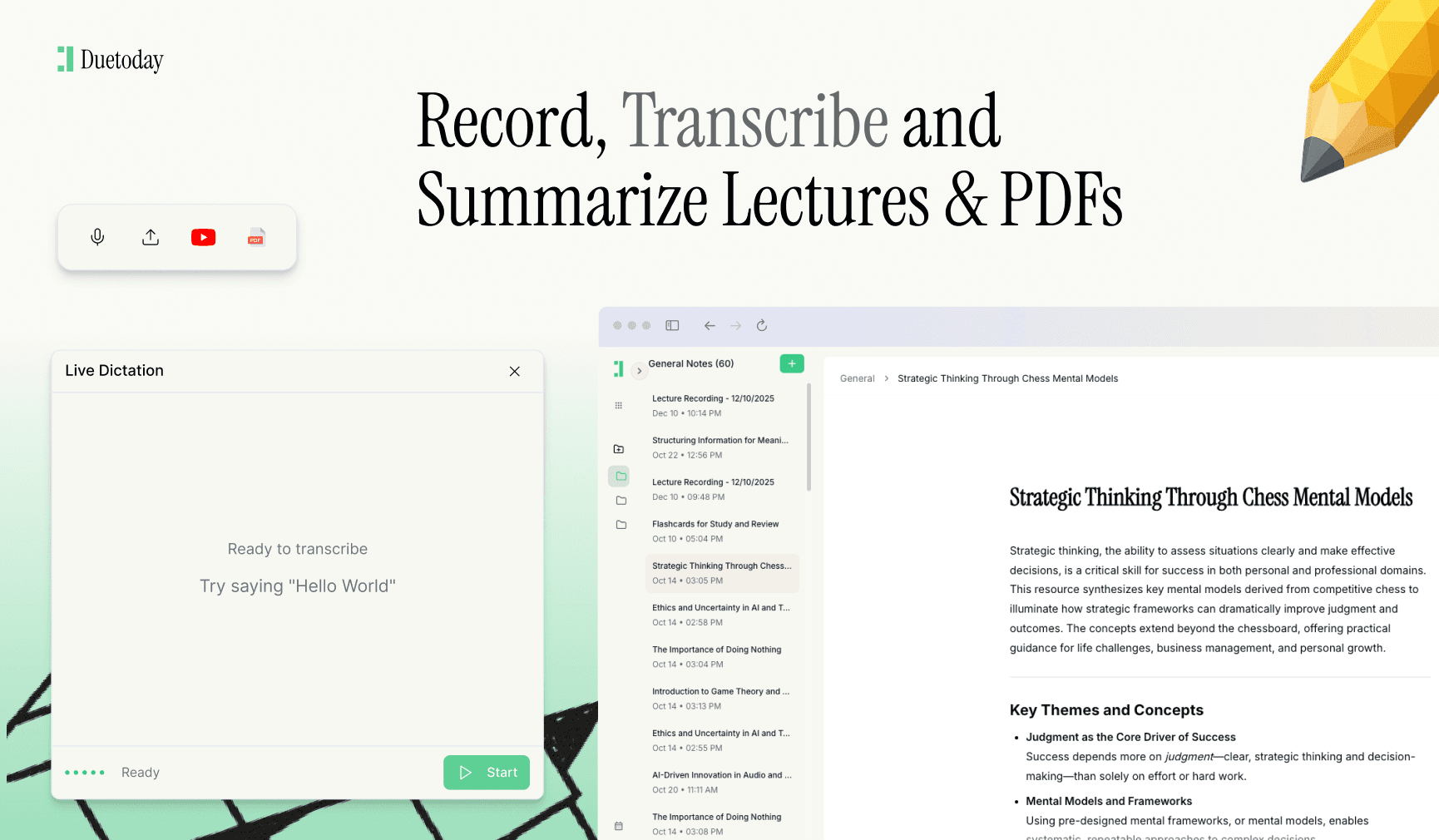
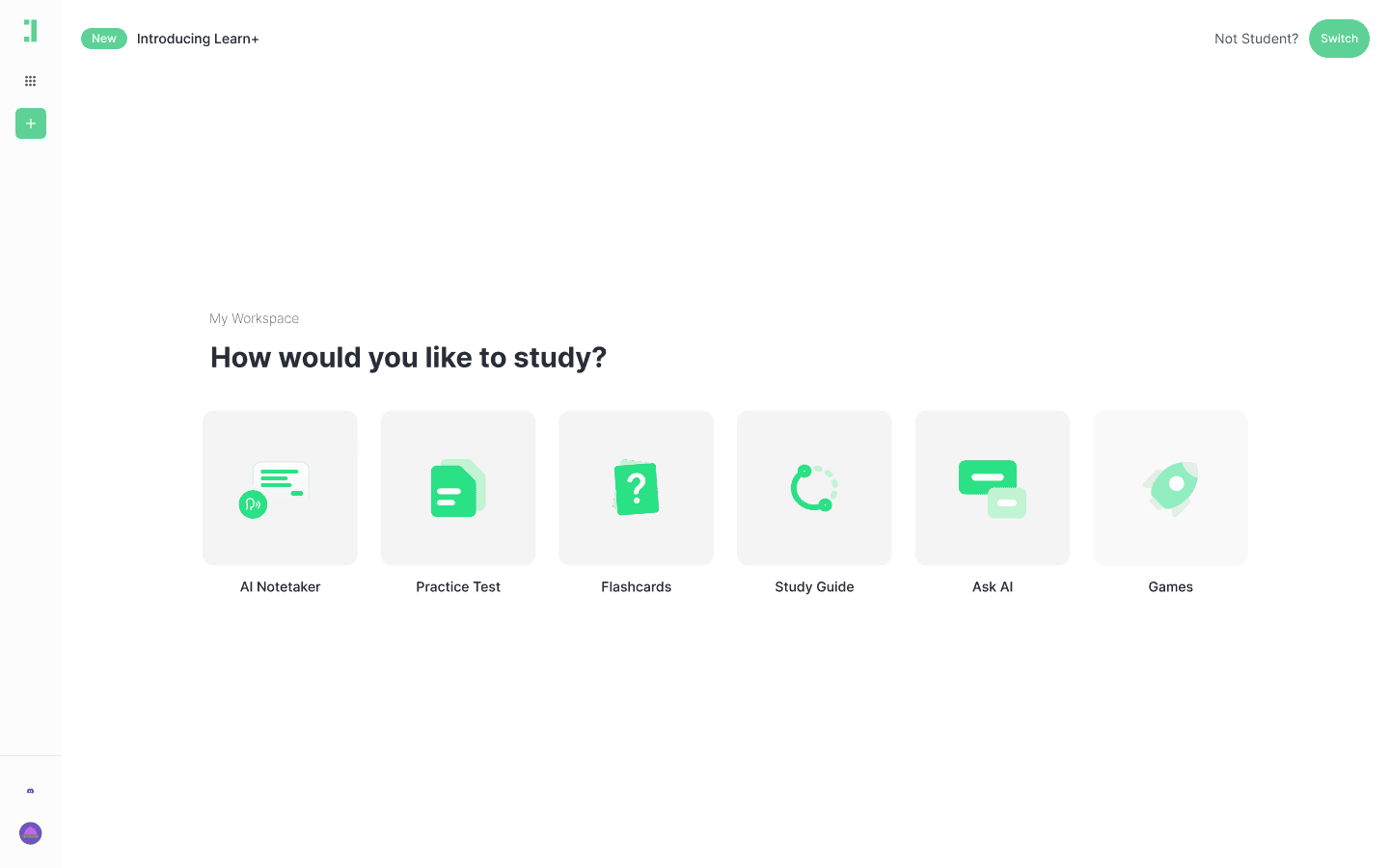
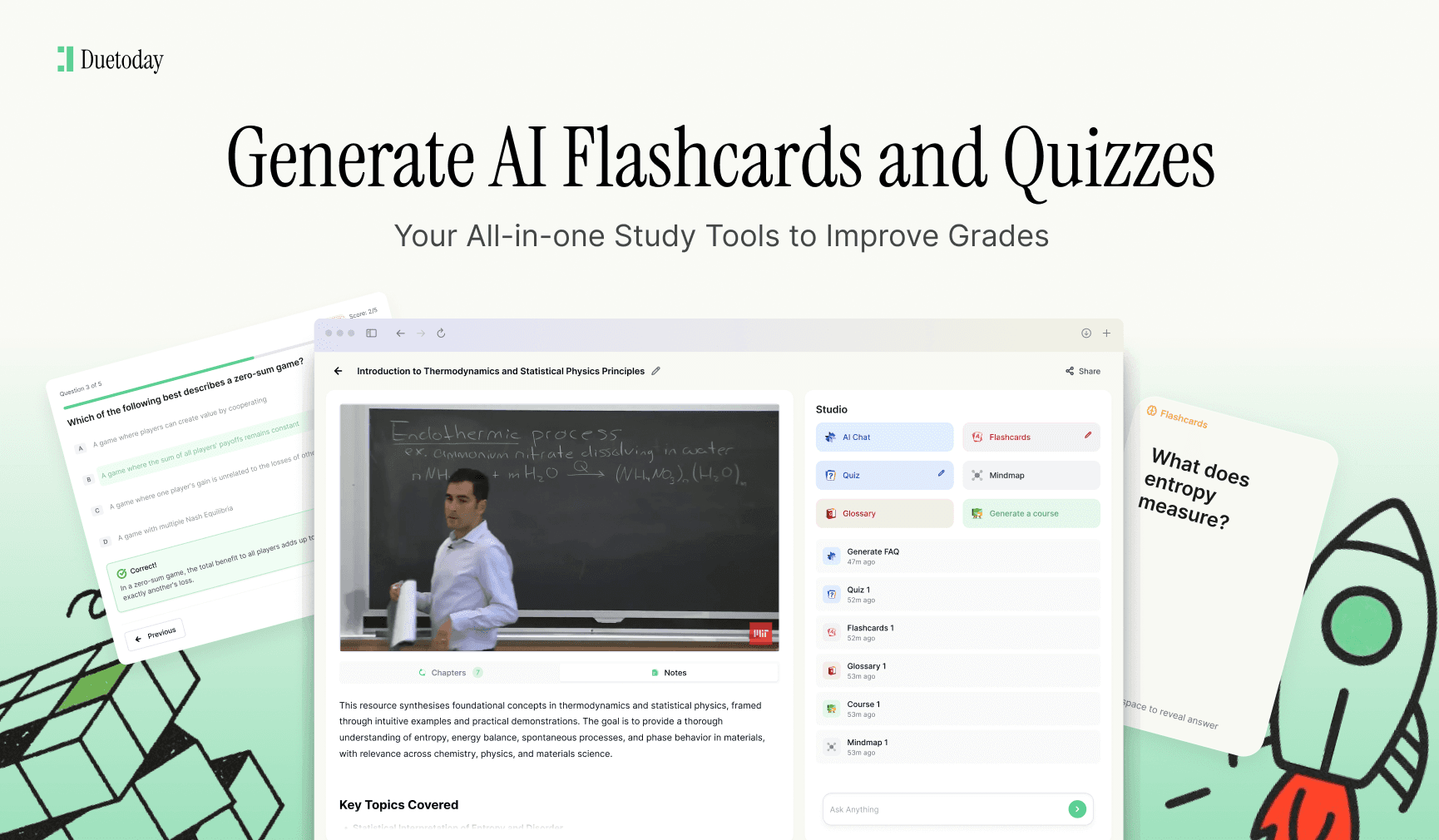
While preparing for these opportunities, staying on top of your current studies is vital. This is where Duetoday AI comes in as a game-changer for busy students. Duetoday is an AI-powered learning platform that turns lectures, PDFs, and notes into summaries, flashcards, quizzes, and structured study tools automatically. It acts like a personalized AI tutor, helping you learn faster and retain information without spending hours rewriting notes. By using Duetoday to streamline your study sessions, you free up valuable hours every week to focus on your internship applications and interview prep.
Utilizing University Resources
Your university's career center is an underrated goldmine. Most institutions have dedicated advisors whose entire job is to help you get hired. They often have direct pipelines to alumni and local companies that prioritize hiring from your specific school. Beyond just resume reviews, these offices frequently host career fairs and networking nights. Attending these events allows you to put a face to a name, which is far more effective than being just another PDF in an inbox.
Don't ignore your professors either. Many academics maintain strong ties to the industry and are often the first to know when companies are looking for interns. If you perform well in a specific class, reach out to your professor and express your interest in a summer internship. A recommendation from a faculty member can instantly move your application to the top of the pile. It’s all about leveraging the community you are already a part of to open doors that might otherwise stay closed.

The Power of Networking
Cold applying is often a numbers game with low success rates. Networking, however, bypasses the traditional filters. Reach out to students a year or two above you who have already completed internships. Ask them about their experience and if their company is hiring again. People are generally happy to help students because they were once in your shoes. A simple message asking for a fifteen-minute coffee chat can lead to a referral, which is the most powerful tool in your job search arsenal.
Social media isn't just for memes; platforms like Twitter and LinkedIn are hubs for industry professionals. Follow the companies you admire and engage with their content meaningfully. Don't just ask for a job right away. Instead, ask thoughtful questions about their projects or industry trends. Building a presence in these online communities makes you a familiar name, so that when a position does open up, you are already on their radar.
Applying and Interviewing
When you finally start applying, quality beats quantity every time. Tailor your resume and cover letter for every single role. Use keywords found in the job description to ensure your application passes through automated screening systems. Show that you have done your research on the company’s recent wins or challenges. This level of detail demonstrates a high level of interest and sets you apart from candidates who send out generic templates.
Once you land the interview, preparation is key. Practice common behavioral questions using the STAR method: Situation, Task, Action, and Result. Research the people who will be interviewing you and have a list of insightful questions ready for them. Remember that an interview is a two-way street; you are also assessing if the company culture is a good fit for you. Approach the conversation with confidence and curiosity, and don't be afraid to show your personality.
Staying Organized and Persistent
Rejection is a natural part of the process and shouldn't be taken personally. Many top-tier companies receive thousands of applications for a single spot. The key is to stay organized by tracking your applications in a spreadsheet, noting down deadlines, interview dates, and follow-up emails. Persistence eventually pays off. Keep refining your approach based on the feedback you receive, and continue building your skills in the meantime.
Finally, remember that every experience is a stepping stone. Even if you don't land your 'dream' internship right away, a smaller role at a local firm or a research position on campus provides valuable experience. These smaller wins build the foundation for bigger opportunities later. Stay focused on the long-term goal, keep your grades up, and continue expanding your network throughout your entire university journey.
When should I start looking for internships?
It is best to start looking at least six months in advance. For summer internships, many large companies begin their recruitment process as early as September or October of the previous year.
Do I need a high GPA to get an internship?
While some competitive firms have a minimum GPA requirement, many employers value relevant projects, skills, and work ethic more than a perfect grade point average.
How can I get an internship with no experience?
Focus on your university projects, volunteer work, and extracurricular activities. Highlight transferable skills like teamwork, communication, and problem-solving to show potential.
Are unpaid internships worth it?
Unpaid internships can be valuable for the experience and networking, but ensure they comply with labor laws and actually provide educational value rather than just free labor.