How to Create a Study Schedule That Actually Works

The Struggle with Academic Time Management
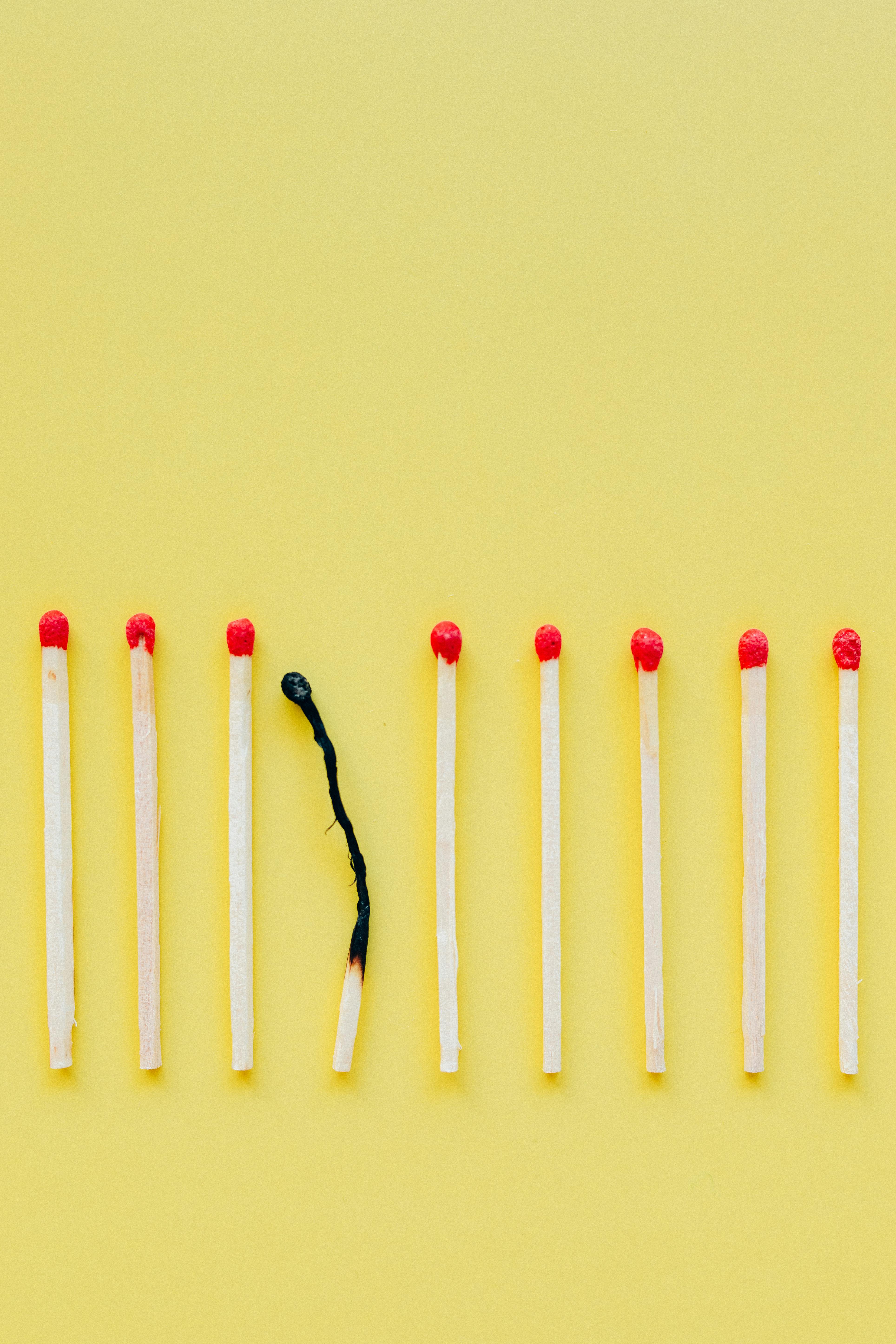
University life is a balancing act that often feels like it is leaning toward a total collapse. Between back-to-back lectures, endless reading lists, social commitments, and the need for at least a few hours of sleep, productivity can feel like a distant dream. Most students start the semester with good intentions, buying a crisp new planner and highlighting every deadline in neon colors. However, by week three, the plan usually falls apart because it was never realistic to begin with.
A study schedule that actually works isn't about filling every waking minute with work. It is about understanding your own energy levels and being honest about how long tasks actually take. When you create a rigid schedule that treats you like a robot, you are setting yourself up for failure. Instead, the goal is to build a flexible framework that allows for life to happen while ensuring your academic goals remain the priority. This guide will walk you through the psychological and practical steps to reclaiming your time and crushing your GPA.
Audit Your Current Routine
Before you can plan for the future, you need to understand where your time is currently going. For one week, try to track your activities without filtering them. You might be surprised to find that those fifteen-minute social media breaks actually add up to three hours a day. Logging your time helps you identify your peak productivity windows. Are you a morning person who can tackle complex calculus at 8:00 AM, or do you find your focus sharpening only after the sun goes down?
Once you have a clear picture of your habits, you can stop fighting against your natural rhythm. If you know you experience a massive energy slump at 3:00 PM, that is not the time to schedule a deep-dive research session. Instead, use that time for low-energy tasks like organizing your folders or responding to emails. Mapping out your non-negotiables like classes, work shifts, and gym time provides the skeleton of your schedule, allowing you to see the actual blocks of free time available for studying.
Prioritizing Based on Difficulty and Deadlines
Not all study sessions are created equal. One common mistake students make is spending too much time on easy subjects they already enjoy, while avoiding the difficult ones. To fix this, use a prioritization matrix. Rank your assignments based on two factors: urgency and importance. High-priority tasks are those with upcoming deadlines or those that carry a significant portion of your final grade. By tackling the hardest or most stressful task first—a concept often called eating the frog—you reduce anxiety for the rest of the day.
Effective prioritization also means breaking down massive projects into manageable chunks. Studying for a final exam should not be a single line item on your to-do list. Instead, break it down by chapters or concepts. This makes the workload feel less intimidating and provides a sense of accomplishment as you check off smaller milestones. When you see progress in small increments, you are much more likely to stay motivated throughout the semester.
Leveraging Modern Tools for Efficiency
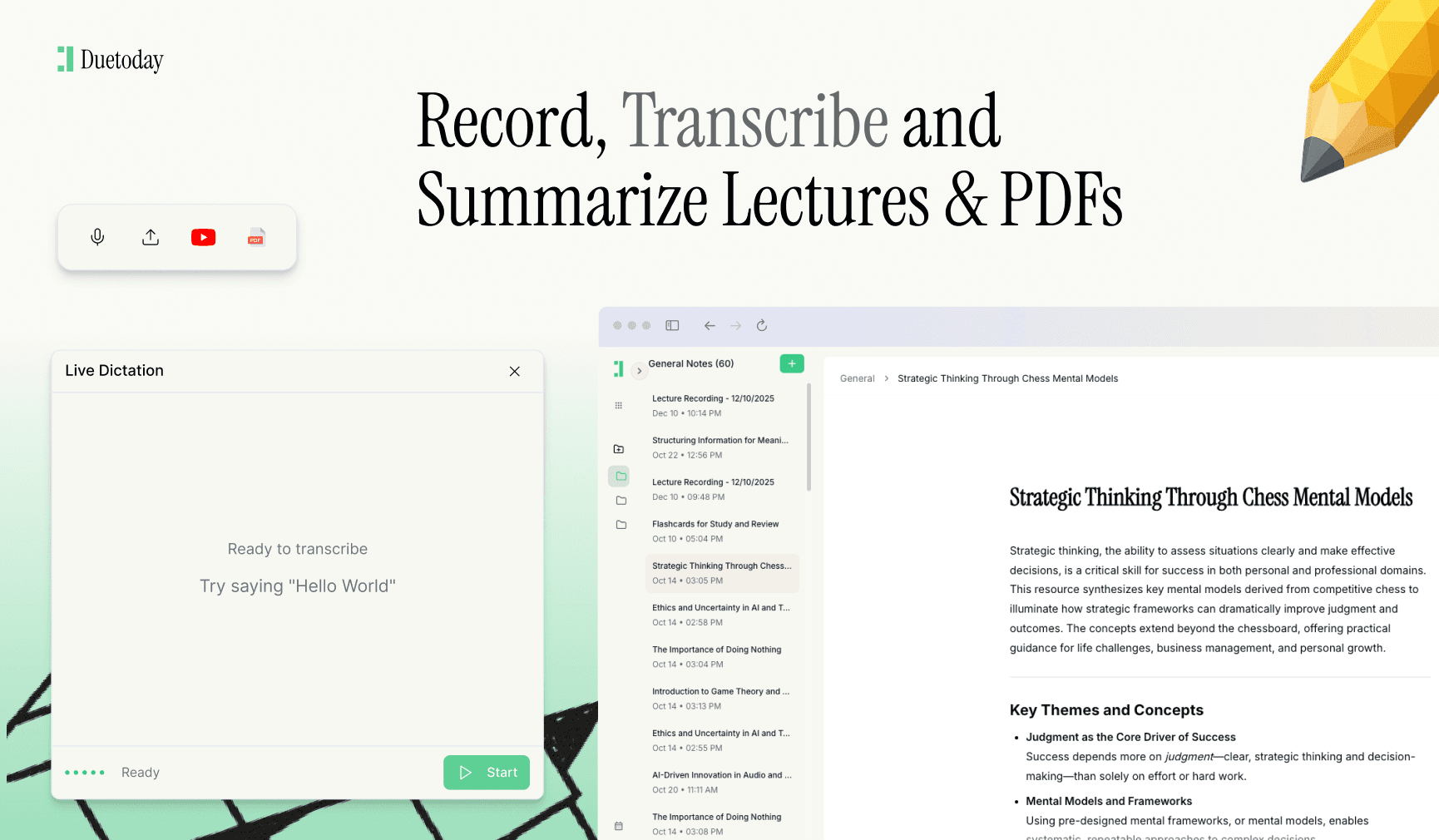
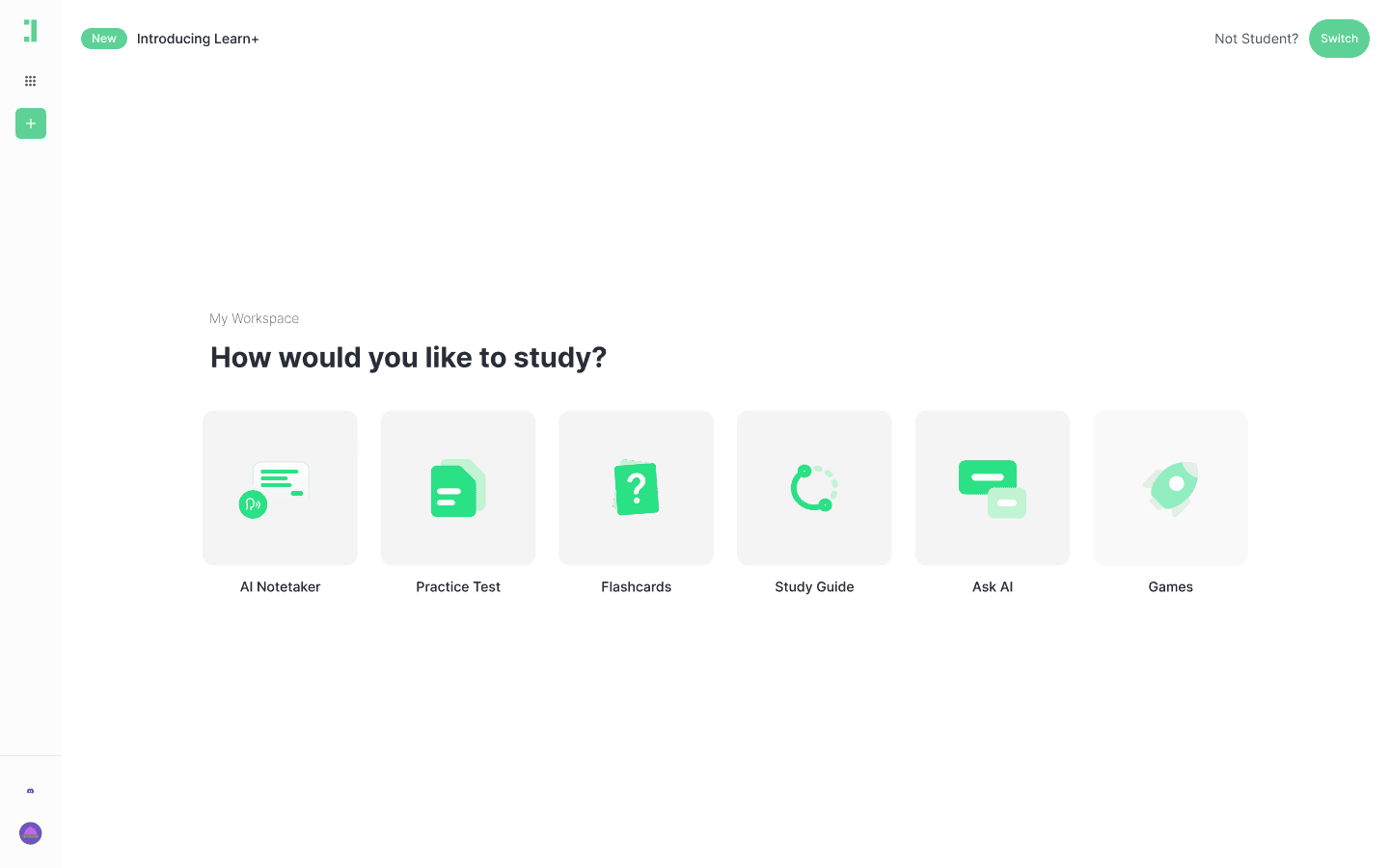
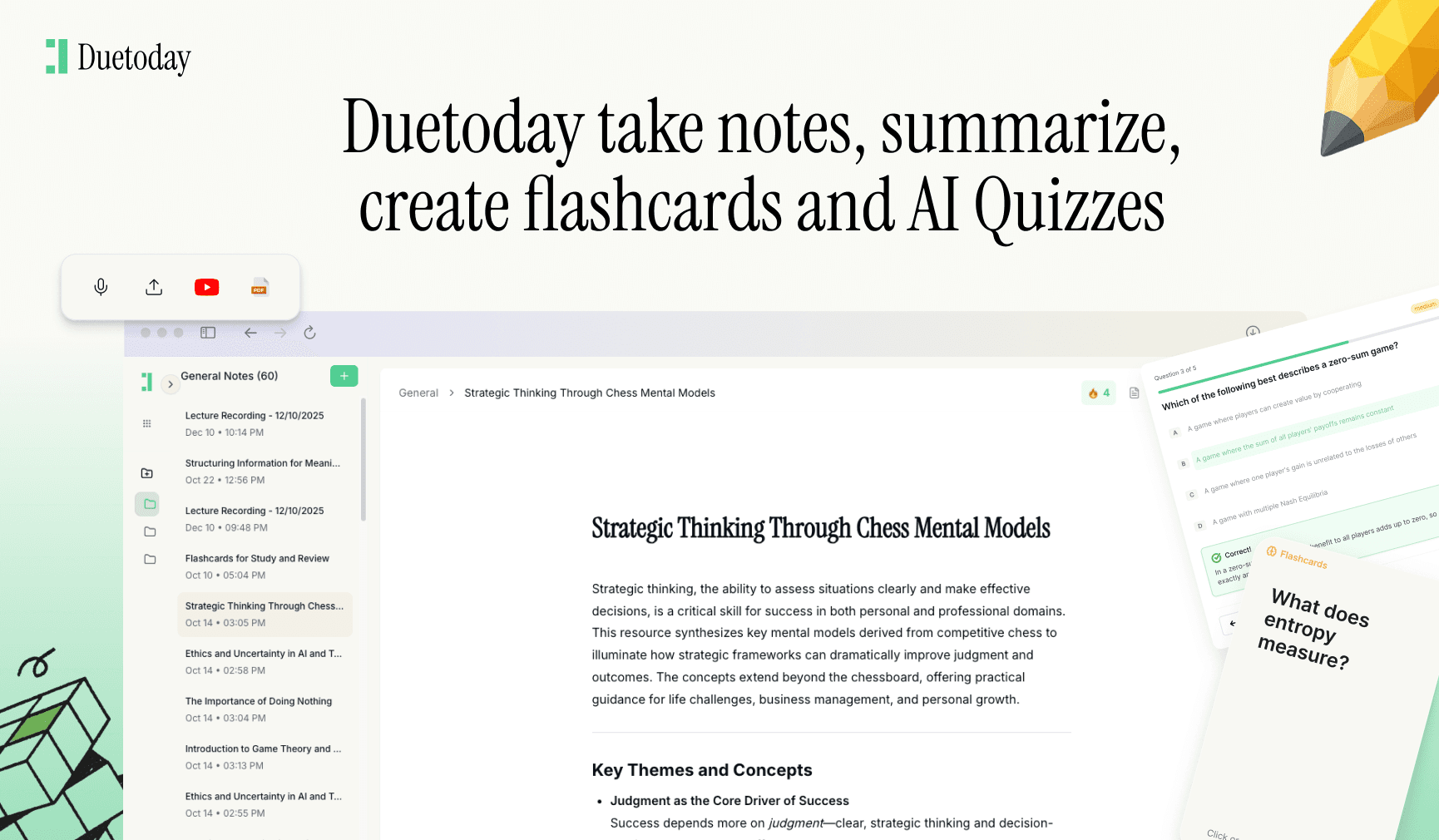
In the digital age, you don't have to manage your academic life entirely on your own. There is a wide range of technology designed to shorten the learning curve and help you retain information more effectively. This is where Duetoday AI comes into play. Duetoday is an AI-powered learning platform that turns your crowded lecture notes, PDFs, and textbook chapters into concise summaries, flashcards, and quizzes automatically.
It essentially acts as a personalized AI tutor, allowing you to skip the tedious process of manual rewriting and get straight to the heavy lifting of active recall and understanding. By integrating a tool like this into your routine, you can reclaim hours of your week that would have been spent on administrative study tasks.
The Pomodoro Technique and Strategic Breaks
Sustained focus is a muscle that needs to be trained, and like any muscle, it needs rest. The Pomodoro Technique is one of the most effective ways to maintain high levels of concentration without burning out. The method is simple: work with total focus for 25 minutes, then take a 5-minute break. After four cycles, take a longer break of 20 to 30 minutes. These intervals keep your mind fresh and prevent the 'brain fog' that occurs after hours of continuous reading.
During your breaks, it is vital to step away from screens. Scrolling through your phone does not count as a mental break; it actually adds to your cognitive load. Instead, try stretching, getting a glass of water, or taking a quick walk. These small physical movements reset your nervous system and prepare you for the next block of deep work. A schedule that includes mandatory downtime is far more sustainable than a marathon session that leaves you exhausted for the rest of the week.
Review and Adjust Regularly
The most important thing to remember about a study schedule is that it is a living document. Your needs in September will be very different from your needs during finals week in December. At the end of every week, take ten minutes to review what worked and what didn't. Did you underestimate how long your lab report would take? Were you too tired to study on Thursday nights? Adjust your plan for the following week based on these insights.
Consistency is more important than perfection. If you miss a study session because of an unexpected event, don't throw away the whole schedule. Simply acknowledge the slip, adjust your priorities for the next day, and get back on track. A resilient student is one who knows how to adapt to changes without losing sight of the end goal. By following these steps and utilizing smart tools, you can transform your academic experience from a chaotic scramble into a structured path toward success.

How many hours should I study per day?
It depends on your course load, but a general rule is 2-3 hours of independent study for every hour spent in class. Quality of focus always beats quantity of hours.
What is the best time of day to study?
There is no universal best time. Monitor your energy for a week to see if you are more alert in the morning or at night, then schedule your hardest subjects during those peaks.
How do I stop procrastinating on my schedule?
Start with the smallest possible task. Once you build a tiny bit of momentum, it is much easier to keep going. Using tools like Duetoday AI to generate quick summaries can also make starting feel less overwhelming.
Should I use a digital or paper planner?
Choose the version you are most likely to check. Digital planners are great for reminders and syncing across devices, while paper planners can help with memory retention and reducing screen time.