How to Create a Research Proposal [Full Guide]

Getting Started with Your Research Proposal
Writing a research proposal is often the most intimidating part of a university degree. Whether you are an undergraduate tackling your final year project or a postgraduate student preparing for a dissertation, the proposal serves as your roadmap. It is not just about telling your professor what you want to study; it is about proving that your project is feasible, valuable, and well-thought-out. A strong proposal acts as a contract between you and your supervisor, ensuring that everyone is on the same page before the real work begins.
Defining Your Research Question
The foundation of any great proposal is a clear and concise research question. You cannot simply say you want to study social media; you need to narrow it down to something specific, such as how Instagram usage affects the self-esteem of first-year university students. A good question should be researchable, narrow enough to be manageable, and broad enough to have academic significance. Spend time brainstorming and reading preliminary literature to ensure your question has not already been answered a thousand times over in the exact same way.
The Importance of the Literature Review
Once you have your question, you need to show that you understand the current landscape of your topic. This is where the literature review comes in. You are essentially setting the stage by discussing what other scholars have said and identifying the gaps that your research will fill. It is not just a summary of books and articles; it is an evaluation. You need to compare different viewpoints and explain how your specific study will contribute something new to the conversation. This section proves you have done your homework and that your research is grounded in existing academic theory.
Why Methodology Matters
This is the part of the proposal where you explain how you are going to get the job done. Will you use qualitative methods like interviews and focus groups, or quantitative methods like surveys and data analysis? Your methodology must be justified. You need to explain why a particular approach is the best fit for your specific research question. University markers look closely at this section to see if your plan is realistic. If you suggest interviewing 500 people in two weeks, they will know your plan is flawed. Keep it professional, detailed, and above all, practical.
Using Duetoday AI to Streamline Your Research
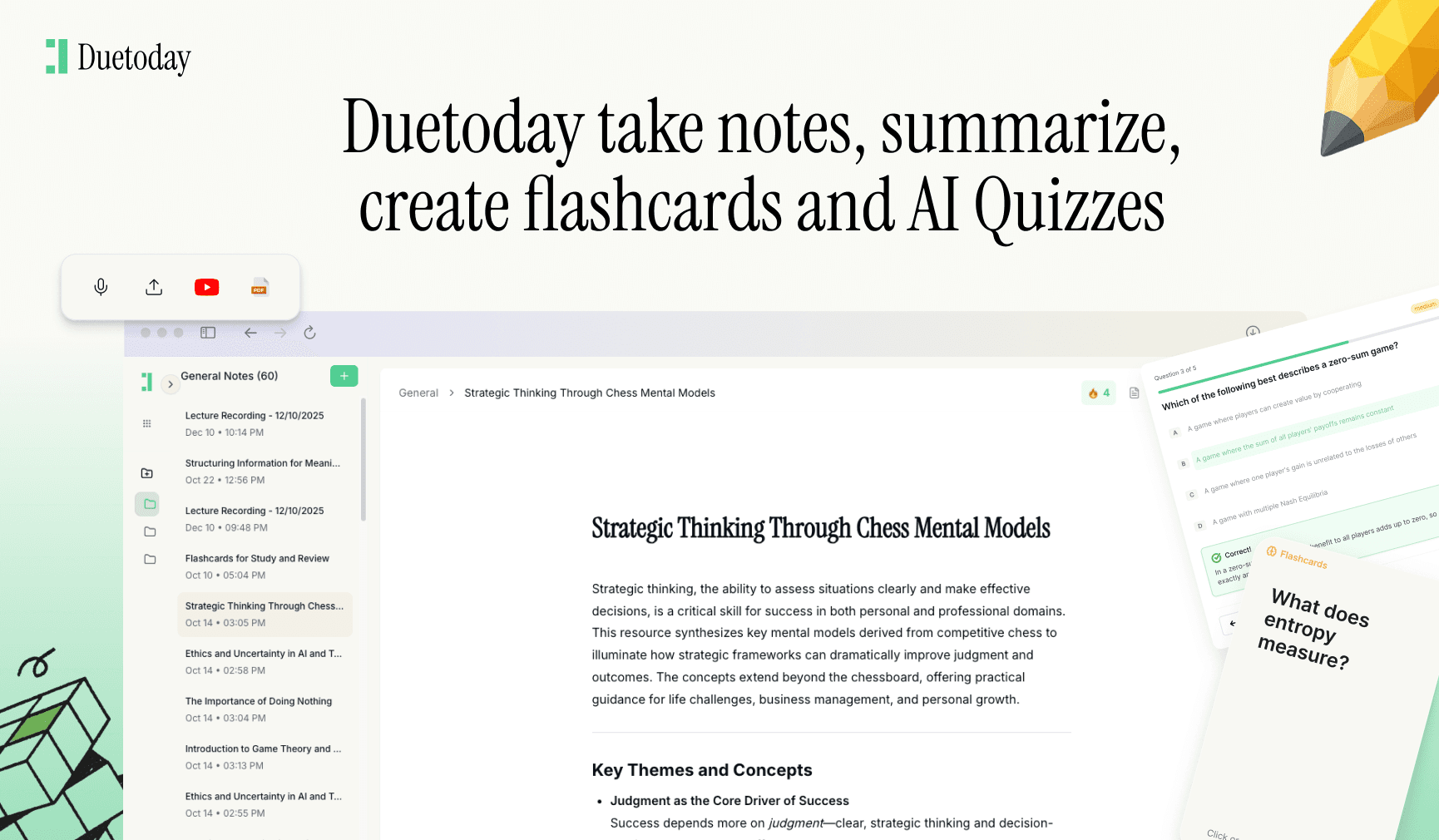
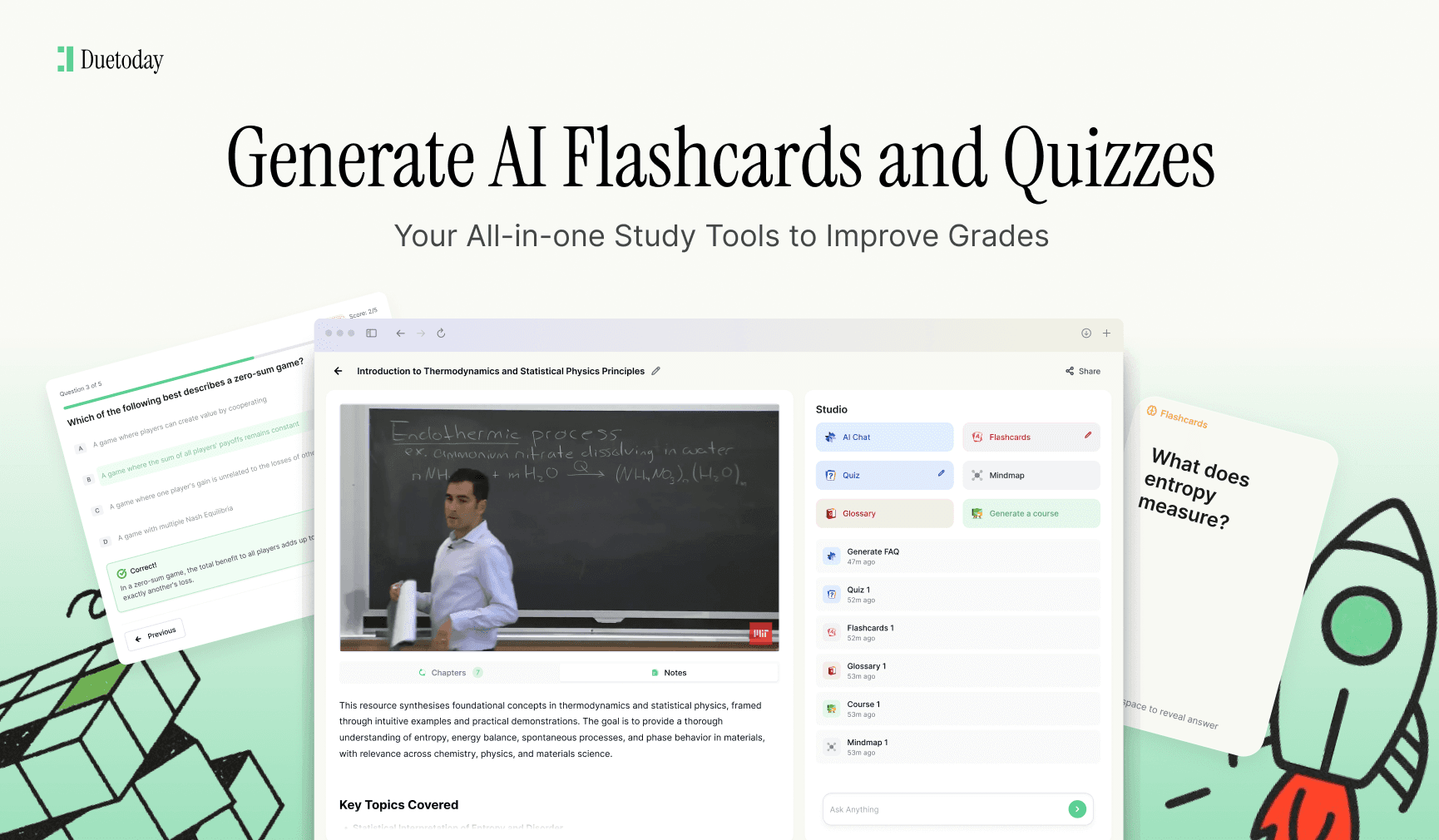
Between finding sources and structuring your methodology, the academic workload can quickly become overwhelming for any student. This is where Duetoday AI becomes an essential part of your toolkit. Duetoday is an AI-powered learning platform that turns lectures, PDFs, and notes into summaries, flashcards, quizzes, and structured study tools automatically. It acts like a personalized AI tutor, helping students learn faster, stay organized, and retain information without spending hours rewriting notes. When you are buried in research papers for your proposal, you can use Duetoday to summarize complex theories or generate quizzes to test your understanding of the literature, making the entire writing process much smoother.
Developing a Realistic Timeline
A research proposal must include a timeline or a GANTT chart. This shows your supervisor that you have a grasp of time management. Break your project down into phases such as data collection, analysis, and final drafting. Most students underestimate how long it takes to get ethical approval or to transcribe interviews. By being honest about your timeline, you demonstrate a level of maturity and project management skill that professors highly value. It also keeps you accountable so you do not end up rushing your final submission at the last minute.
The Ethical Considerations
In modern academia, ethics are non-negotiable. If your research involves human participants, you must outline how you will protect their privacy and obtain informed consent. Even if you are just doing a desk-based study of existing documents, you might need to address issues of data storage and bias. Mentioning ethics in your proposal shows that you are a responsible researcher who understands the implications of your work. It is better to address these concerns early on rather than having your proposal rejected later for ethical oversights.
Conclusion and Final Tips
Writing a research proposal is a marathon, not a sprint. Take the time to edit your work for clarity and ensure that every section flows logically into the next. Your introduction should lead naturally to your literature review, which in turn justifies your methodology. If you stay organized and use the right tools, you will find that the proposal actually makes the rest of your dissertation much easier to write because the hard planning is already done. Good luck with your academic journey.
What is the main goal of a research proposal?
The primary goal is to convince others that you have a worthwhile research project and that you have the competence and the work-plan to complete it.
How long should a research proposal be?
Length varies by university and department, but most undergraduate and master's proposals are between 1,000 and 2,500 words.
What are the common mistakes to avoid?
Common mistakes include being too vague, failing to cite relevant literature, and proposing a project that is too large to be finished in the given timeframe.
Can I change my research plan after the proposal is accepted?
Yes, research is an evolving process. However, any major changes usually need to be discussed and approved by your academic supervisor.