How to Create a Morning Routine for Students to Boost Focus

The Science of a Successful Morning for University Students
Waking up at university often feels like a race against time. Between late-night study sessions, social events, and 8 AM lectures, most students find themselves hitting the snooze button until the very last second. However, the way you spend your first sixty minutes sets the tone for your entire day. A structured morning routine isn't just about waking up early; it is about reclaiming your mental energy and preparing your brain for the heavy cognitive lifting required in higher education.
Most high-achieving students rely on a predictable start to their day to minimize decision fatigue. When you have a set routine, you don't have to think about what to eat or when to leave. This saves your brain power for actual learning. Understanding your own biology is the first step. Are you truly a night owl, or have you just fallen into bad habits? Research shows that consistent wake times help regulate your circadian rhythm, making it easier to focus during those long afternoon seminars when everyone else is crashing.
Building your routine starts the night before. You cannot expect to have a productive morning if you are scrolling through social media until 2 AM. Setting a digital sunset where you put away blue-light-emitting devices an hour before bed can drastically improve your sleep quality. Once you fix the sleep, the morning becomes an opportunity rather than a burden. Try to keep your phone in another room or across the desk so you are forced to physically stand up to turn off your alarm. This small movement is often enough to break the sleep cycle and get you moving.
Hydration and Nutrition Over Caffeine
While the first instinct for many students is to reach for a massive cup of coffee, your body is actually dehydrated after several hours of sleep. Drinking a full glass of water immediately upon waking can jumpstart your metabolism and wake up your internal organs. Caffeine is a great tool, but using it as a crutch the second you open your eyes can lead to a mid-morning crash that ruins your library sessions later on.
Feeding your brain is just as important as hydrating. A breakfast rich in protein and slow-release carbohydrates will keep you full through your second-period classes. Think oatmeal with nuts or eggs on whole-grain toast. These foods provide a steady stream of glucose to the brain, which is essential for memory retention and focus. Avoiding sugary cereals or pastries will prevent the insulin spike and subsequent brain fog that often hits right as your professor starts explaining the most complex part of the lecture.
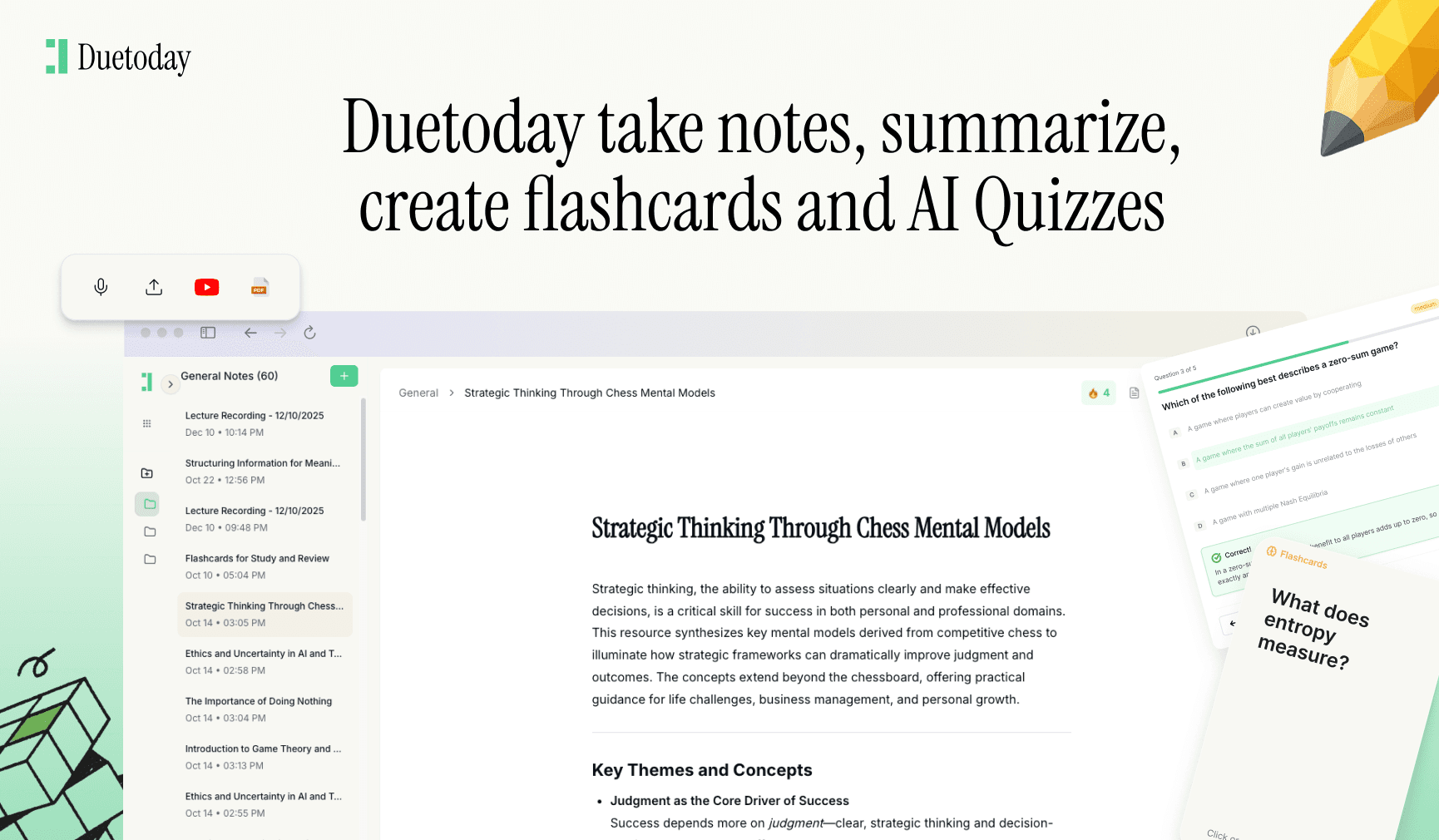
Mastering Your Study Prep with Duetoday AI
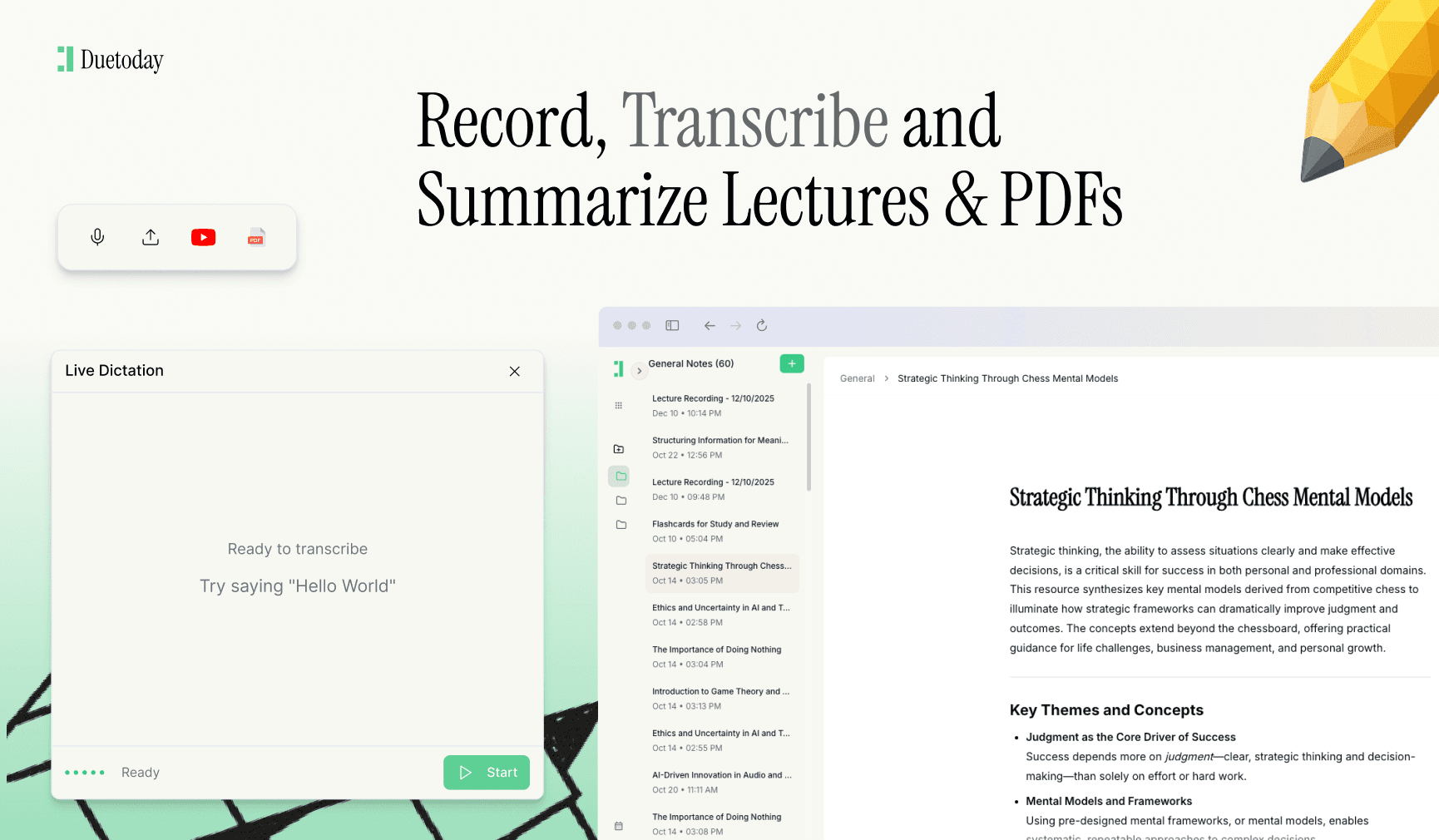
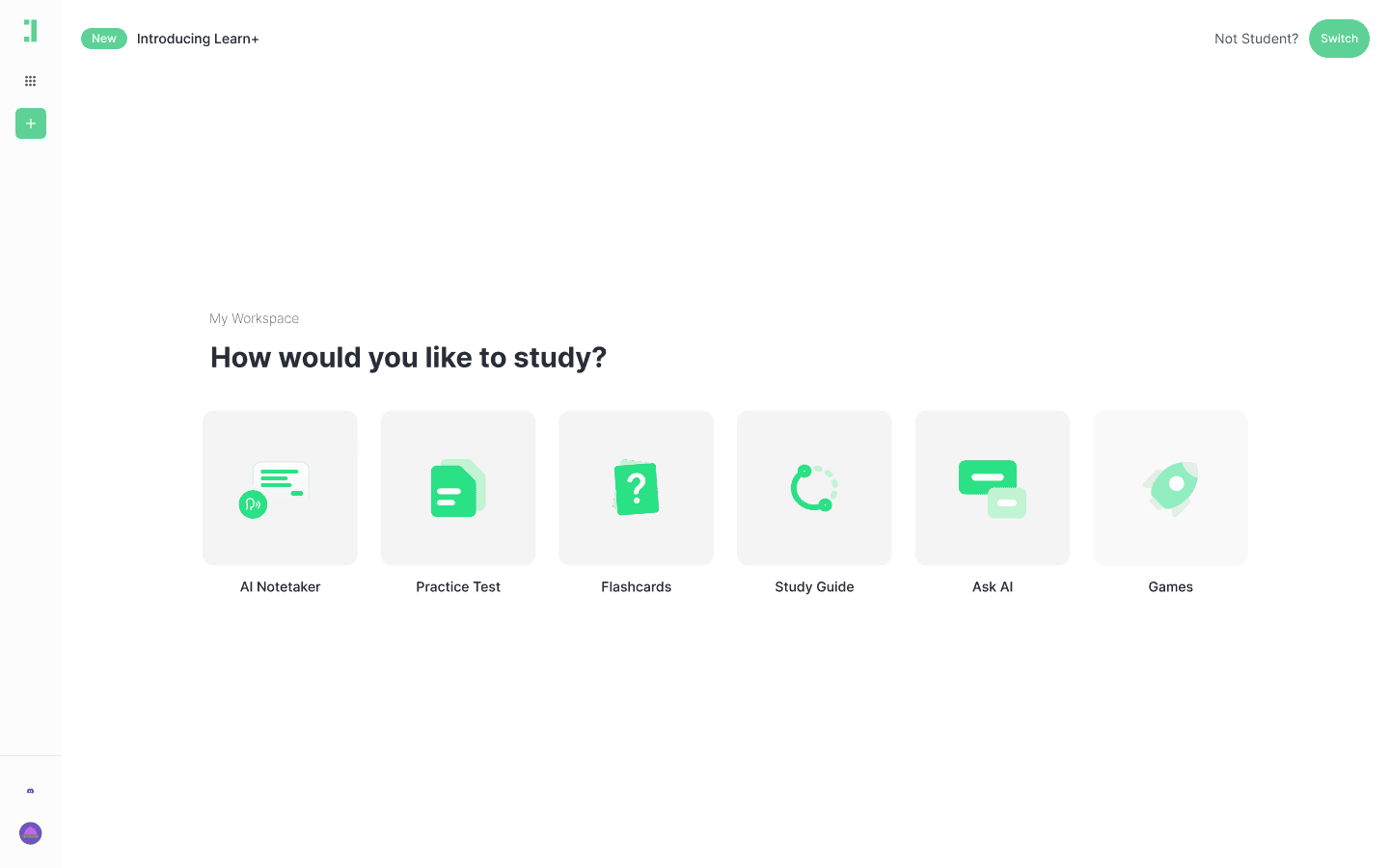
As you settle into your morning, the anxiety of upcoming deadlines often starts to creep in. This is where modern tools can transform your stress into a streamlined workflow. Duetoday is an AI-powered learning platform that turns lectures, PDFs, and notes into summaries, flashcards, quizzes, and structured study tools automatically. It acts like a personalized AI tutor, helping students learn faster and stay organized without spending hours rewriting notes while you drink your morning tea. By incorporating a quick review session into your morning routine, you can ensure that you are always ahead of the curve.
Light Movement and Mental Clarity
Incorporating some form of movement into your morning doesn't mean you need to hit the gym for two hours. Even ten minutes of stretching or a quick walk to the campus coffee shop can increase blood flow to the brain. This physical activity releases endorphins, which improve your mood and reduce the stress of a heavy workload. If you live on campus, take the long way to your first class to get some fresh air. This time away from screens allows your mind to enter a default mode where creative problem-solving happens naturally.
Journaling or planning your day is another high-impact habit. Instead of checking emails or messages first thing, take five minutes to write down your top three priorities for the day. This keeps you proactive rather than reactive. When you know exactly what needs to be done, you avoid the trap of 'fake work'—where you spend hours doing low-priority tasks just to feel busy. Focus on your hardest task first, whether it is a difficult lab report or a dense reading assignment, while your mind is at its freshest.
Consistency is Better Than Perfection
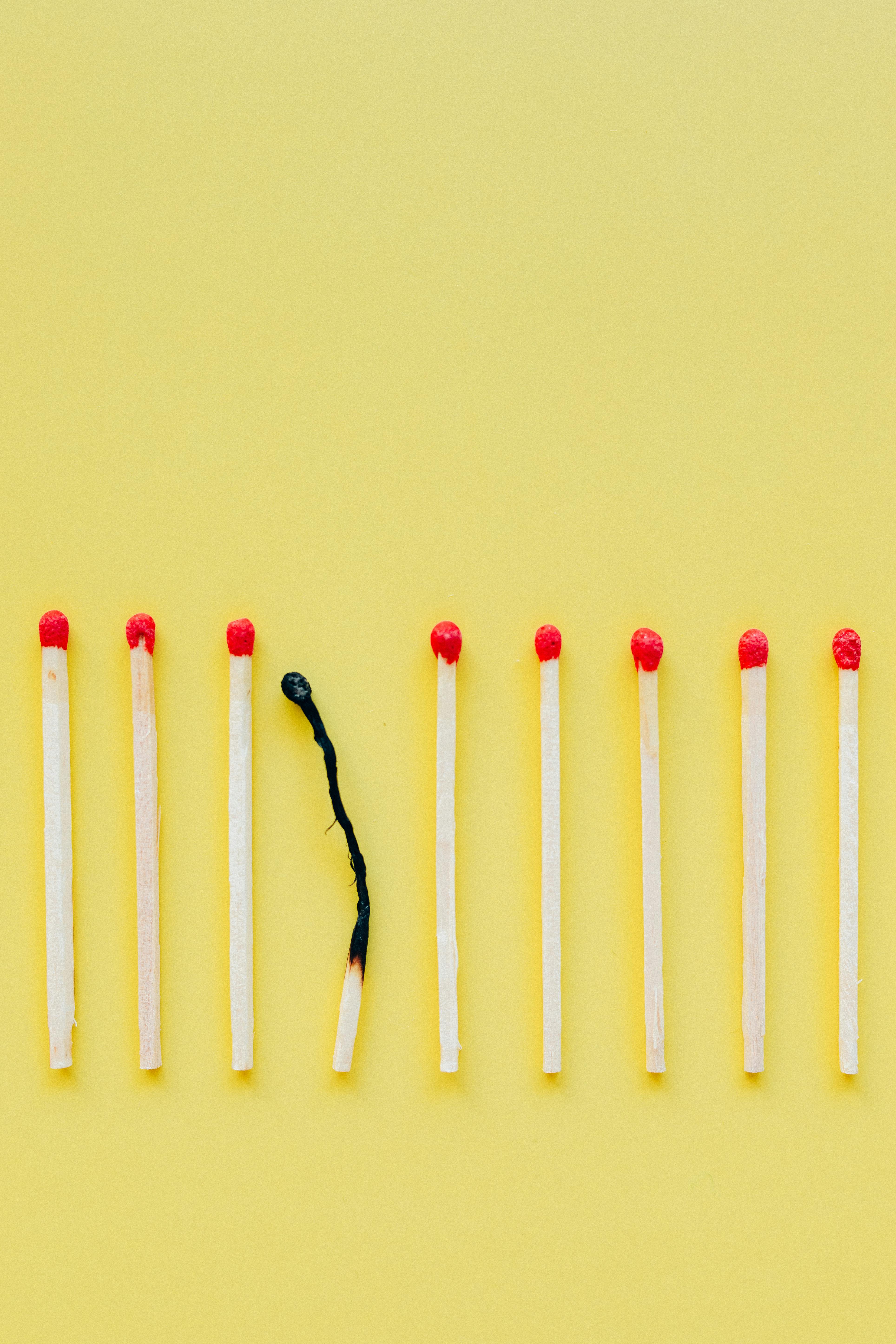
The biggest mistake students make is trying to implement a ten-step routine all at once. Start small by adding one habit every week. Maybe this week you just focus on drinking water, and next week you try to wake up fifteen minutes earlier. There will be days when you stay up late or feel unwell, and that is okay. The goal is to return to your routine the next day. A successful morning routine is a long-term investment in your mental health and academic success, providing a stable foundation in the often chaotic world of university life.
Evening Preparation for Morning Success
Finally, remember that the morning begins with your bag being packed and your clothes being laid out the night before. Removing these tiny obstacles prevents the 'morning panic' that leads to forgotten chargers or missing notebooks. When you eliminate friction, you make it easier for your future self to succeed. By the time you sit down in the lecture hall, you will feel calm, prepared, and ready to absorb information while your peers are still rubbing sleep from their eyes.

How long should a student morning routine take?
An effective routine can take anywhere from 30 to 90 minutes. The key is quality over duration; even a short 20-minute routine is better than none.
What if I am not a morning person?
You don't have to wake up at 5 AM. A morning routine is simply about the sequence of events you follow after you wake up, regardless of the time.
Should I study immediately after waking up?
It depends on your peak focus times. Many students find that their brain is most alert shortly after waking, making it a great time for heavy reading or review.
Can I look at my phone during my routine?
It is best to avoid social media for at least the first 30 minutes. This prevents your brain from being overstimulated by external information and keeps you focused on your own goals.