How to Conduct Academic Research [The Ultimate Student Guide]

Mastering the Foundation of Academic Research
Stepping into the world of academic research can feel like exploring a massive, unmapped library. For university students, the transition from basic googling to scholarly investigation is a significant milestone. It is not just about finding facts; it is about joining a global conversation that has been happening for decades. Effective research requires a mix of curiosity, skepticism, and a very organized strategy to ensure you are not drowning in information that does not serve your thesis.
The first step in any successful research project is defining your scope. Many students make the mistake of choosing a topic that is far too broad, leading to a shallow analysis. Instead of trying to cover the history of economics, focus on a specific policy or a niche timeframe. Once you have your focus, you need to identify the right databases. While Wikipedia is a great place to get a general overview, your university library and platforms like JSTOR or Google Scholar are where the real heavy lifting happens. These platforms host peer-reviewed articles that have been vetted by experts, giving your work the credibility it needs to earn top marks.
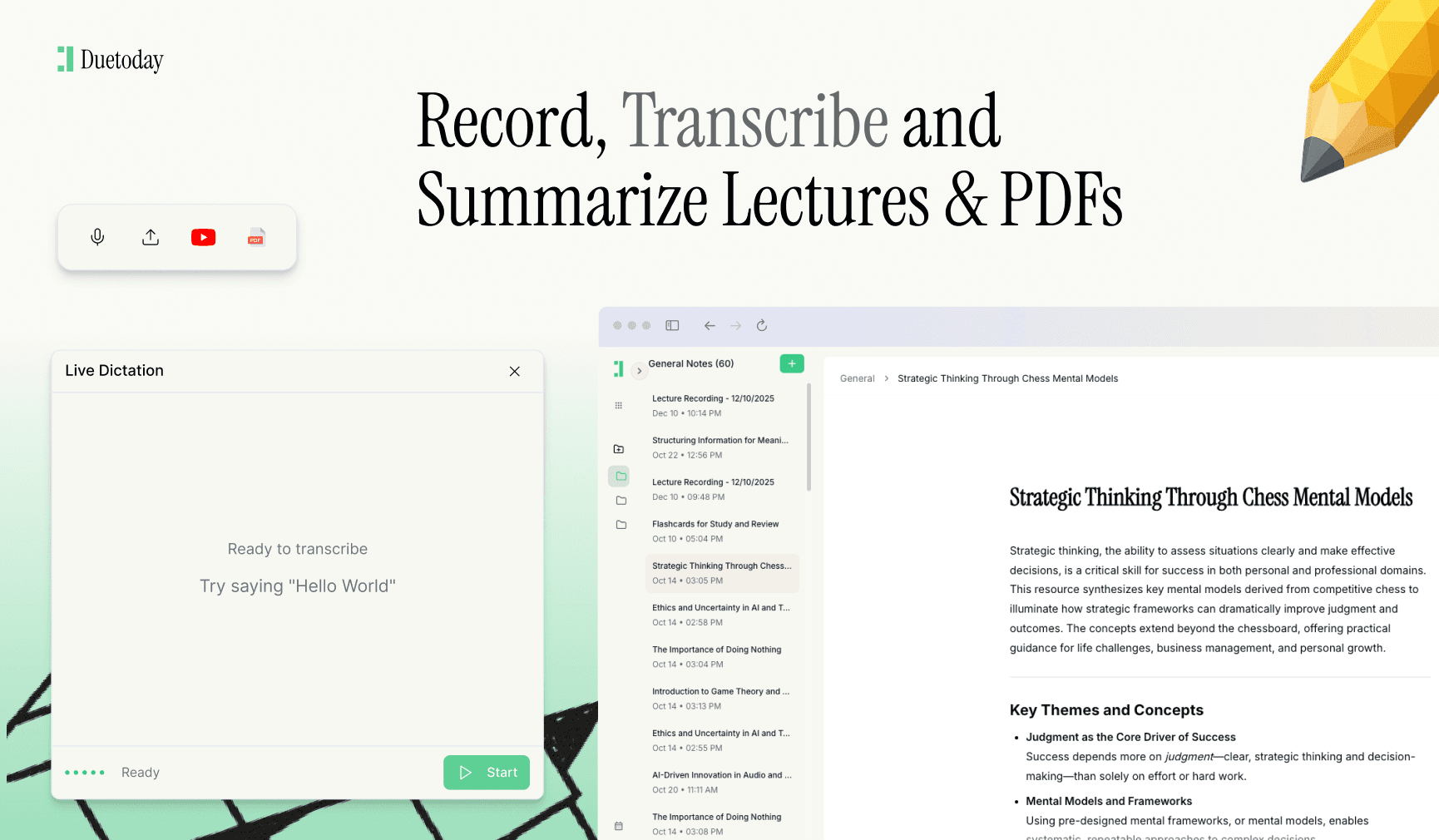
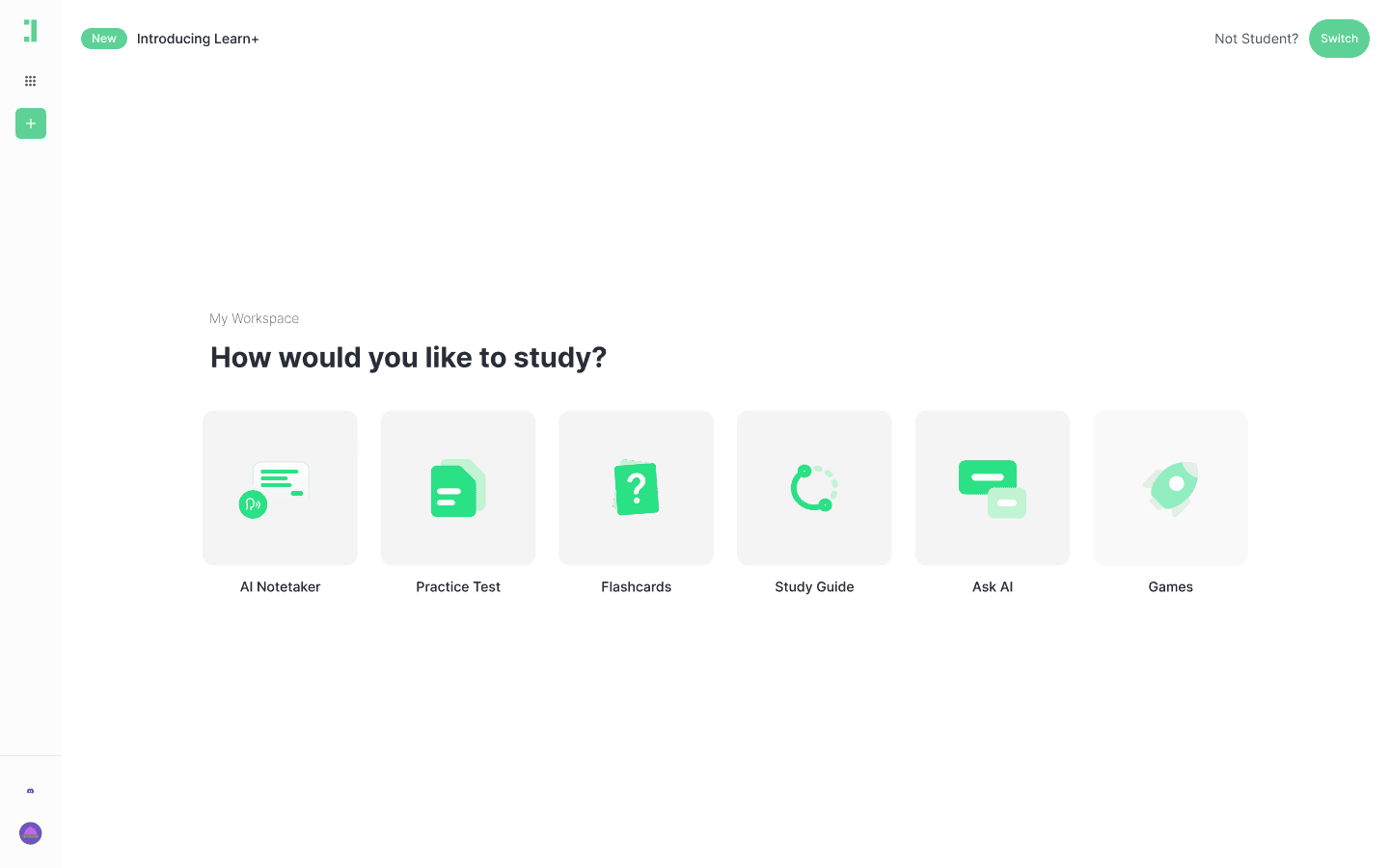
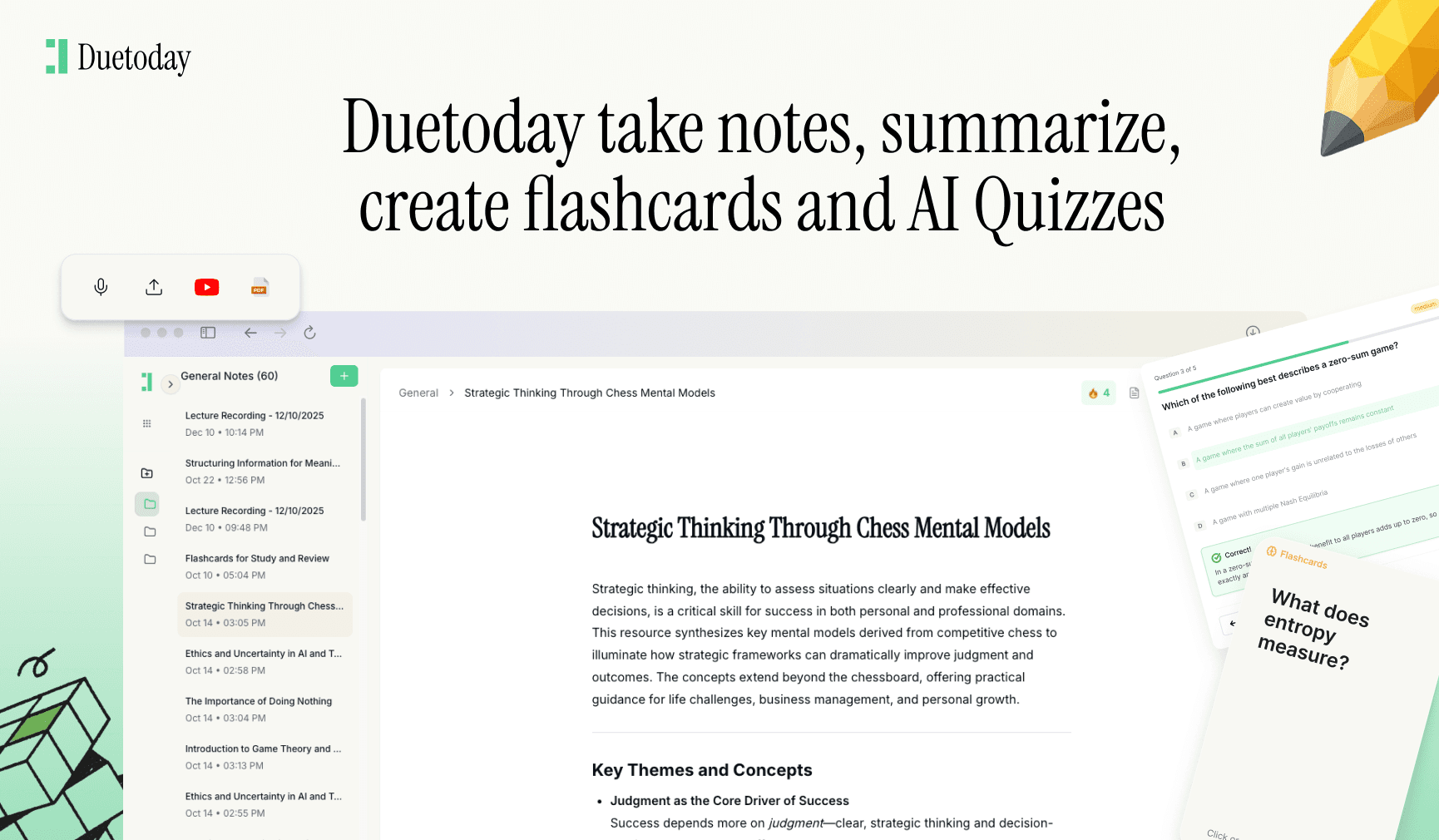
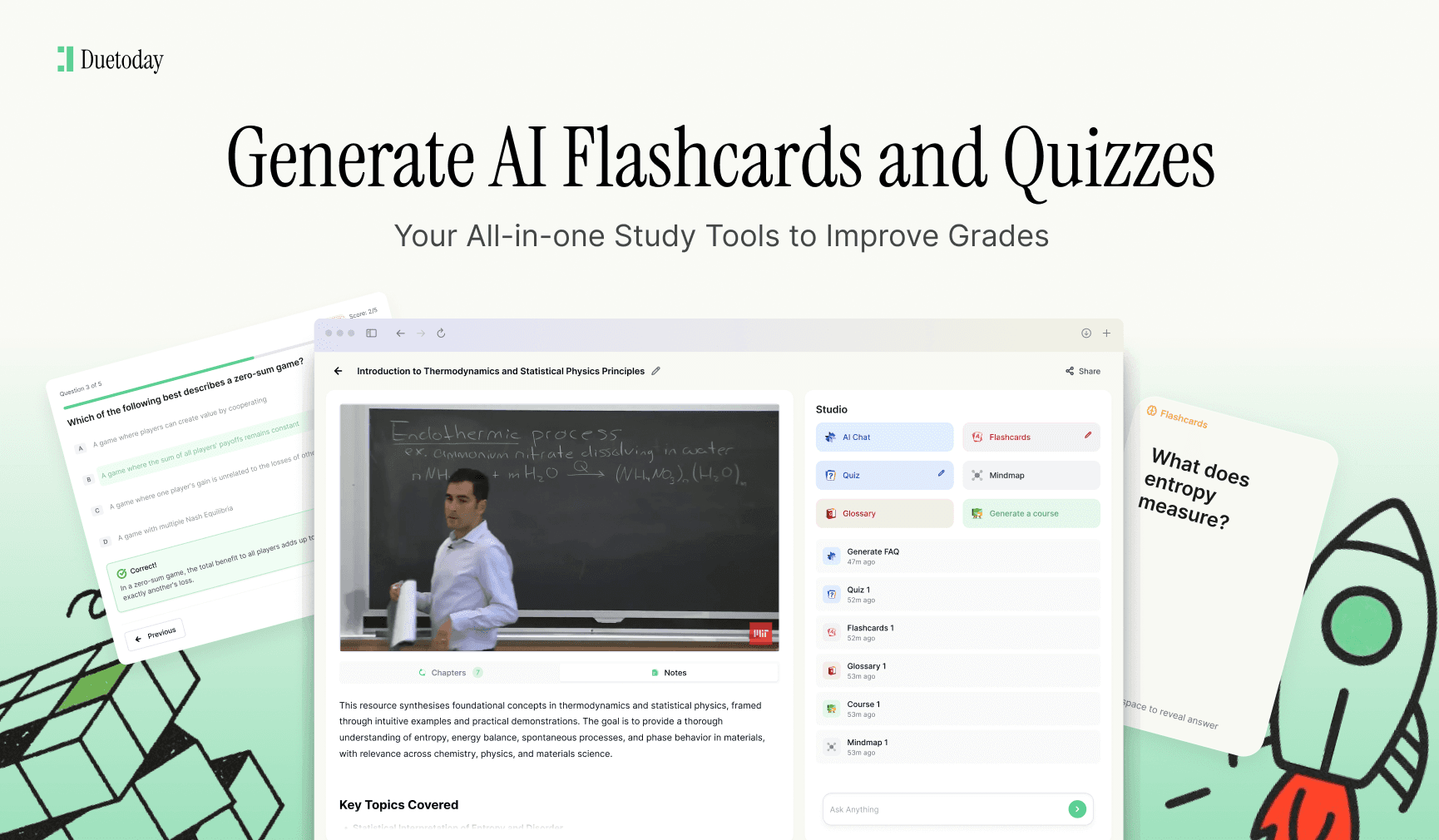
As you gather your initial sources, you will quickly realize that managing all that information is the hardest part. This is where modern technology changes the game for busy students. Duetoday AI is an AI-powered learning platform that turns lectures, PDFs, and notes into summaries, flashcards, quizzes, and structured study tools automatically. It acts like a personalized AI tutor—helping students learn faster, stay organized, and retain information without spending hours rewriting notes. Instead of getting lost in three-hundred-page documents, you can use tools like these to extract the core arguments and bridge the gap between reading and understanding.
Developing Your Research Question
Before you dive deep into the archives, you must have a clear research question. This question acts as your North Star throughout the entire process. A good research question should be clear, focused, and complex enough to require a detailed investigation. It should not be something that can be answered with a simple yes or no. Instead, it should challenge you to look at the relationships between different variables or viewpoints. As you read, you might find that your original question needs to be tweaked. This is a natural part of the process and shows that you are actually engaging with the material rather than just looking for quotes to support a preconceived notion.
Evaluating Your Sources for Credibility
Not all information is created equal, especially in an era where everyone with an internet connection can publish their opinions. When you find a source, you need to apply the CRAP test—Currency, Relevance, Authority, and Purpose. Is the information up to date? Does it actually relate to your specific topic? Is the author an expert in the field? Why was this piece of information created in the first place? If you cannot answer these questions confidently, the source might not belong in your bibliography. Academic research demands a high level of integrity, so prioritizing journal articles over blog posts or news snippets is essential for building a robust argument.
Organization is the silent partner of every high-achieving student. As you find useful data, create a system that allows you to find it again later. Whether you use a digital citation manager or a simple spreadsheet, recording the author, date, and page number immediately will save you from a late-night panic during the final drafting phase. Think of your research phase as building a skeleton; the more solid the bones are, the easier it will be to add the muscle of your own analysis and the skin of your writing style later on. Take detailed notes, but avoid copying and pasting large chunks of text without clear labels, as this often leads to accidental plagiarism.
Synthesizing Information and Final Writing
The final stage of conducting academic research is synthesis. This is the moment where you stop being a reader and start being an author. Synthesis involves looking across all your gathered sources and finding the common threads, contradictions, and gaps. You are not just summarizing what others have said; you are explaining how their ideas interact with one another and how they support your unique thesis. This is where your critical thinking skills truly shine. By the time you reach the writing phase, the actual drafting should be much easier because you have already done the intellectual work of understanding the landscape of your topic.
Remember that academic research is a skill that improves with practice. Each paper you write and each database you navigate makes you faster and more discerning. Do not be afraid to visit your university librarian—they are often underutilized resources who can help you unlock specific archives or teach you advanced search strings that make finding sources a breeze. Stay curious, stay organized, and don't be afraid to challenge the existing literature if you find evidence that points in a new direction. Your voice matters in the academic community, but it is your research that gives that voice its power.
How do I know if a source is peer-reviewed?
Most academic databases allow you to filter results by peer-reviewed content. You can also check the journal's website under the about section to see their editorial process.
What is the difference between primary and secondary sources?
Primary sources are original materials like diaries, interviews, or raw data. Secondary sources are interpretations or analyses of those primary materials, such as textbooks or critique articles.
How many sources do I usually need for a university paper?
This varies by the length of the assignment and the subject, but a general rule of thumb is 1 to 2 credible sources per page of writing. Always check your specific assignment rubric for the professor's requirements.
How can I avoid burnout during the research phase?
Break your research into smaller tasks. Spend one session just finding titles, another session reading abstracts, and another taking notes. Using AI tools to help summarize long documents can also reduce the cognitive load.