How to Cite Sources Properly (APA Guide)

Mastering the Basics of APA Style
Stepping into a university library or opening a blank Google Doc for your first major research paper can be overwhelming. One of the biggest hurdles students face isn't just finding the right information but making sure they give credit where it is due. The American Psychological Association, or APA, provides a standard framework that scholars use to communicate their ideas clearly and credit their sources consistently. Understanding this format is essential for maintaining academic integrity and ensuring your hard work is taken seriously by professors.
APA style relies on an author-date system of in-text citations. This means whenever you paraphrase a theory or quote a researcher, you must include the author's last name and the year the work was published. This system allows readers to quickly identify the source material and find the full details in your reference list at the end of the paper. While it might seem tedious at first, getting these details right is what separates a professional academic paper from a casual blog post.
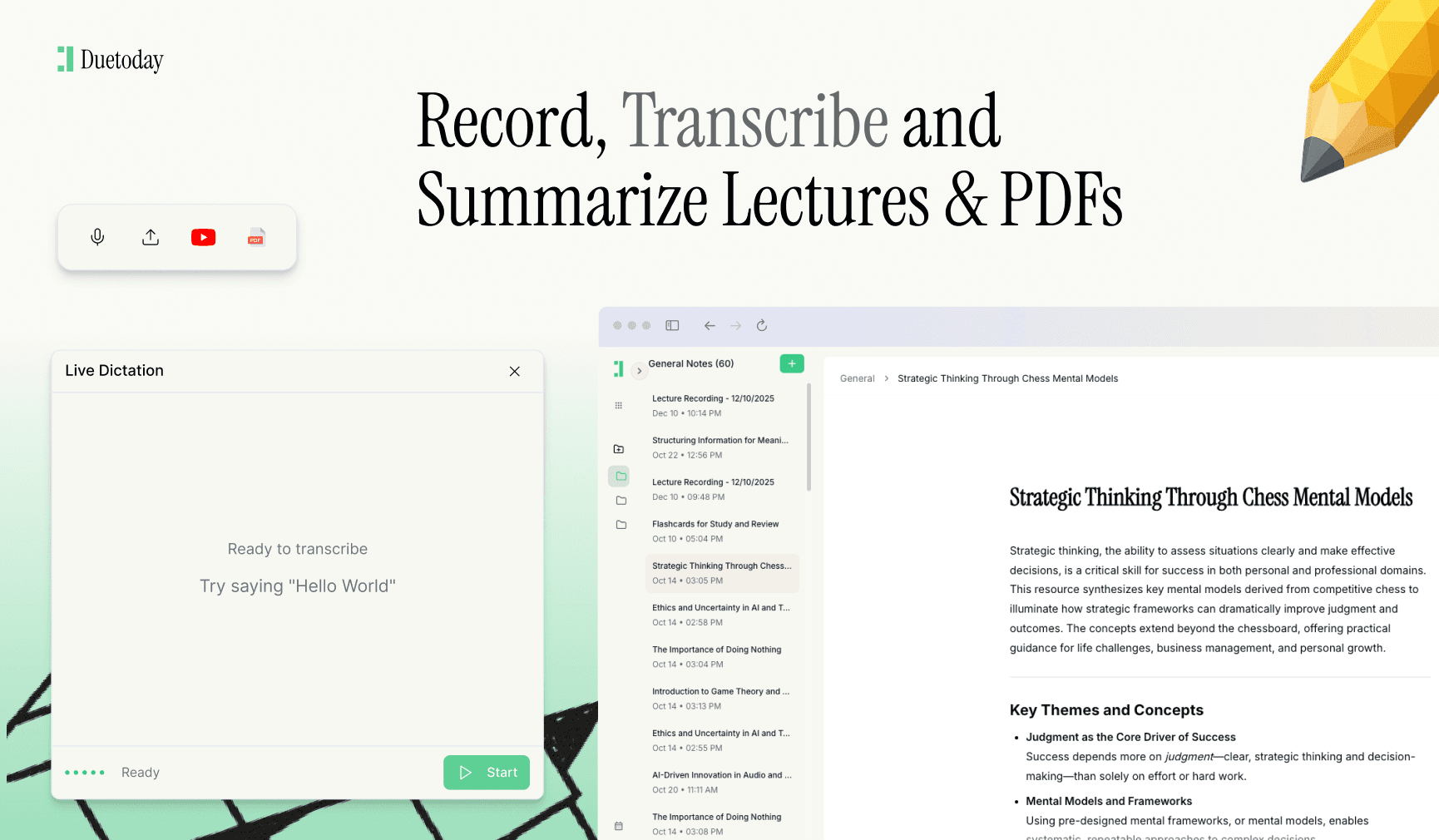
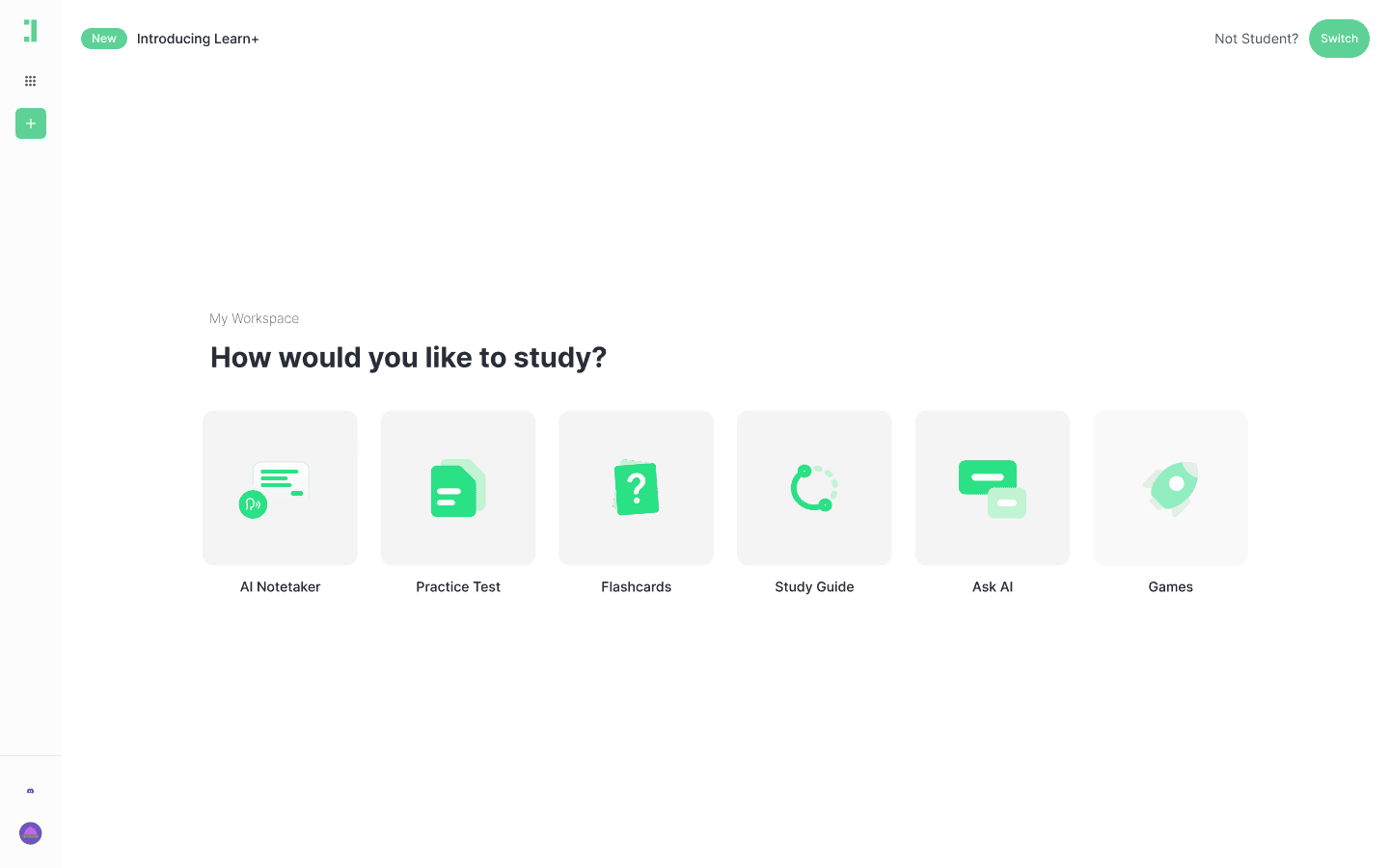
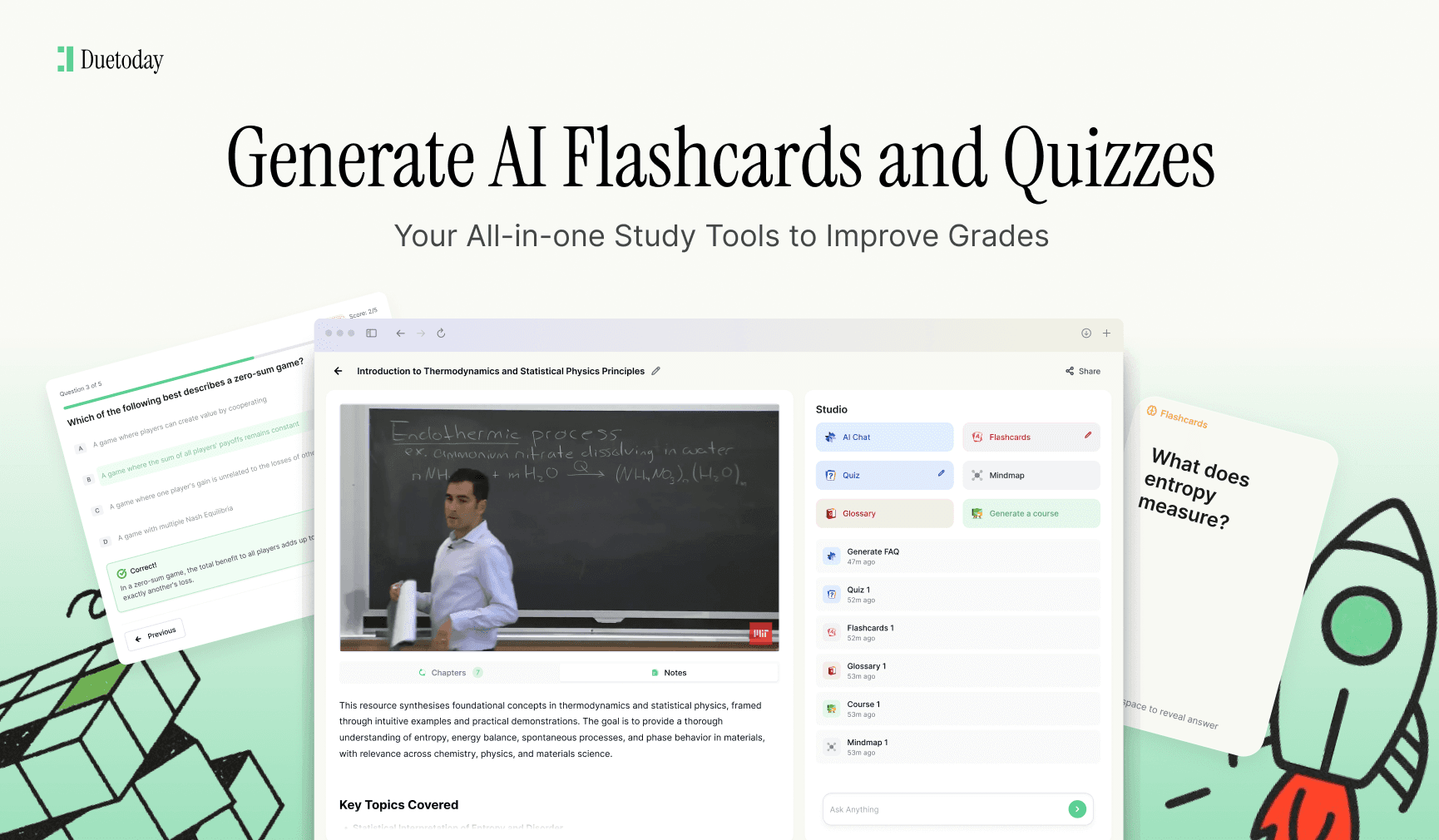
When you are managing dozens of sources across multiple assignments, it is easy to feel buried under a mountain of PDFs and lecture notes. This is where Duetoday AI becomes an essential part of your workflow. Duetoday is an AI-powered learning platform that turns lectures, PDFs, and notes into summaries, flashcards, quizzes, and structured study tools automatically. It acts like a personalized AI tutor, helping you organize your research materials so that when it comes time to cite your sources, you already have the key information summarized and ready to go.
The Mechanics of In-Text Citations
The core of APA formatting is the in-text citation. There are two main ways to handle this: parenthetical and narrative. A parenthetical citation is placed at the end of a sentence, containing both the author and the date inside parentheses. For example, you might write that research shows a correlation between sleep and academic performance (Smith, 2023). This keeps the focus on the data while providing the necessary credit.
Narrative citations, on the other hand, weave the author's name directly into the sentence. You might write that according to Smith (2023), students who sleep eight hours perform better on exams. This style is often used when you want to highlight a specific researcher's contribution to the field. Both methods are equally valid, and the best student writers use a mix of both to keep their prose engaging and fluid throughout the essay.
If you are quoting a source directly, remember that you must also include a page number. This allows your professor to flip to the exact spot where the quote exists. For instance, using the previous example, it would look like (Smith, 2023, p. 45). Without that page number for a direct quote, your citation is technically incomplete. Consistency is the primary goal here; if you get it right in the first paragraph, make sure you maintain that same level of detail until the final page.
Building a Comprehensive Reference List
The reference list is the final section of your paper where you provide the full details of every source you cited in your text. This list should be alphabetized by the author's last name. Each entry needs to follow a specific structure: Author, A. A. (Year). Title of work. Publisher. While the title of a book is usually italicized, the title of a journal article is not; instead, the name of the journal and the volume number get the italics. It sounds complex, but it follows a logical rhythm once you practice it a few times.
For online sources, which are the most common in modern university research, you must include a DOI (Digital Object Identifier) or a URL. The DOI is preferred because it is a permanent link that will never break. If you are citing a website, include the site name and the date you accessed it if the content is likely to change. Keep in mind that your reference list should only include sources you actually cited in your paper. It is not a bibliography of everything you read, but a direct map of the evidence used in your arguments.
Formatting the page itself is also important. Use a hanging indent for your references, which means the first line of each entry is flush against the left margin, but every subsequent line is indented. This makes it much easier for readers to scan the list for specific authors. Double-check your punctuation as well; the periods and commas in an APA reference list carry a lot of meaning, indicating where one piece of metadata ends and the next begins.
Common Pitfalls and How to Avoid Them
One of the most frequent mistakes students make is using outdated sources or failing to check the version of the APA manual required. As of now, the 7th edition is the standard. This edition simplified many rules, such as removing the need to include the city of publication for books and expanding the guidelines for citing social media and online videos. Always clarify with your instructor which edition they expect to see in your bibliography.
Another common error is over-citing or under-citing. You don't need to cite common knowledge, such as the fact that the earth revolves around the sun. However, any specific data, unique theories, or direct phrases must be attributed to the original creator. When in doubt, it is always safer to cite. It protects you from accidental plagiarism and shows that you have done extensive research to back up your claims.
Finally, remember that citations are a way to join a larger conversation. By correctly using APA format, you are respecting the intellectual labor of the people who came before you. It builds your credibility as a student and researcher. Take it slow, use your tools, and double-check your work before hitting that submit button. With a bit of practice, these formatting rules will become a natural part of your writing process, allowing you to focus more on your ideas and less on where the commas go.
What is the main difference between APA 6th and 7th edition?
The 7th edition is more streamlined. It no longer requires the publisher's location for books and allows for up to 20 authors in a reference list before using ellipses.
Do I need to cite a source if I paraphrase it?
Yes. Even if you use your own words, the original idea belongs to someone else. You must include an in-text citation with the author's name and year.
How do I cite a source with no author?
If no author is listed, use the first few words of the title in your in-text citation and the full title in your reference list.
What is a DOI and why is it important?
A DOI is a unique string of numbers and letters used to identify a journal article or document permanently. It is better than a URL because it never changes.