How to Build Good Study Habits for University Success

The Foundation of Academic Success
Entering university is a major milestone, but it often comes with a workload that can feel overwhelming. The key to navigating this transition isn't just working harder; it is about working smarter. Building good study habits is the most effective way to reduce stress and improve your grades consistently over time. When you establish a routine, you stop relying on fleeting moments of motivation and start relying on a system that works even when you are tired. Most students fail because they wait until the last minute to cram, which leads to burnout and poor retention. By focusing on small, daily improvements, you can transform your academic experience.
Create a Dedicated Study Environment
Your brain is highly sensitive to environmental cues. If you try to study in bed, your mind might shift into sleep mode. If you study in front of the TV, you will inevitably get distracted. To build a lasting habit, you need a designated space that is reserved solely for deep work. This could be a specific corner of the library, a quiet cafe, or a desk in your room that is kept clutter-free. When you enter this space, your brain should automatically recognize that it is time to focus. Ensure you have proper lighting, a comfortable chair, and all your materials ready before you start so you don't have excuses to get up.
Mastering Your Schedule
Time management is often the biggest hurdle for university students. Between lectures, social events, and part-time jobs, study time often gets pushed to the bottom of the list. Instead of fitting study sessions into your free time, you should schedule them as non-negotiable appointments. Using a digital or paper planner allows you to visualize your week and identify gaps where you can be productive. Breaking your work into manageable blocks—rather than four-hour marathon sessions—keeps your mind fresh. Consistency is much more powerful than intensity when it comes to long-term memory and understanding complex topics.
The Power of Active Recall
One of the most common mistakes students make is passive learning. Reading a textbook or highlighting notes feels productive, but it doesn't actually help you learn. Active recall involves testing yourself on the material without looking at your notes. This process strengthens neural pathways and makes it easier to retrieve information during an exam. To implement this, try summarizing a chapter in your own words immediately after reading it. This temporary struggle to remember is exactly what signals to your brain that the information is important and needs to be stored in long-term memory.
Utilizing Modern Tools for Efficiency
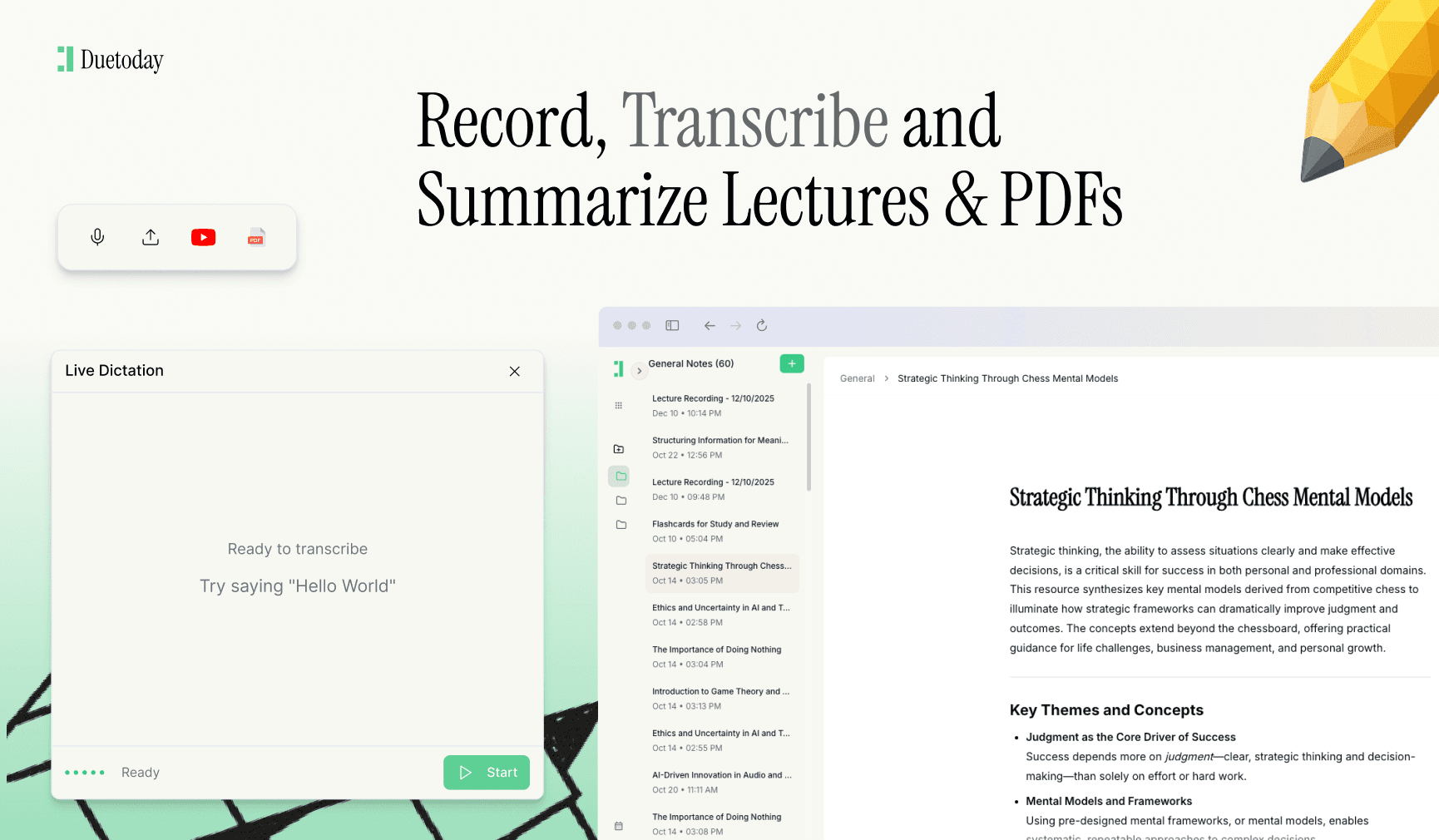
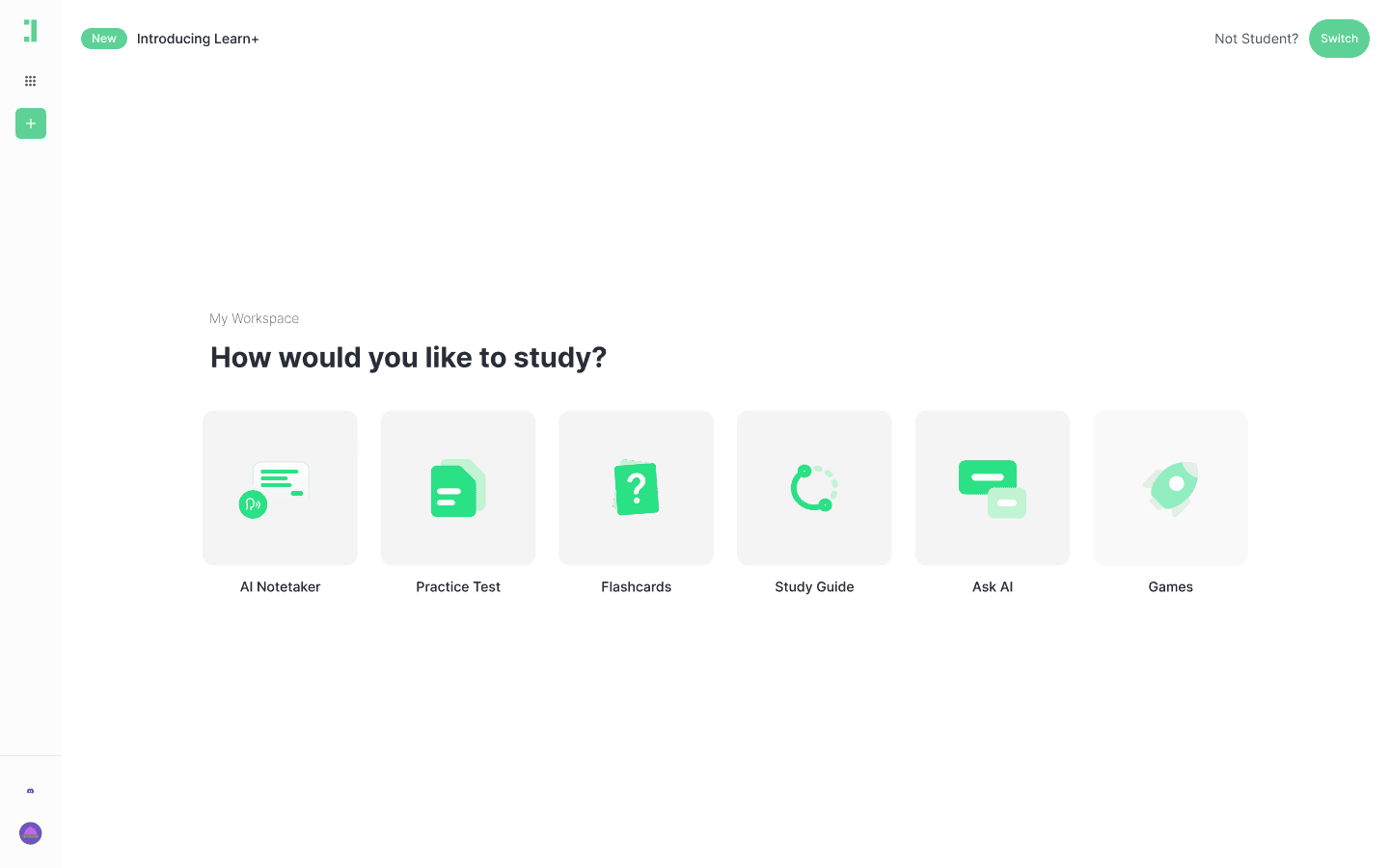
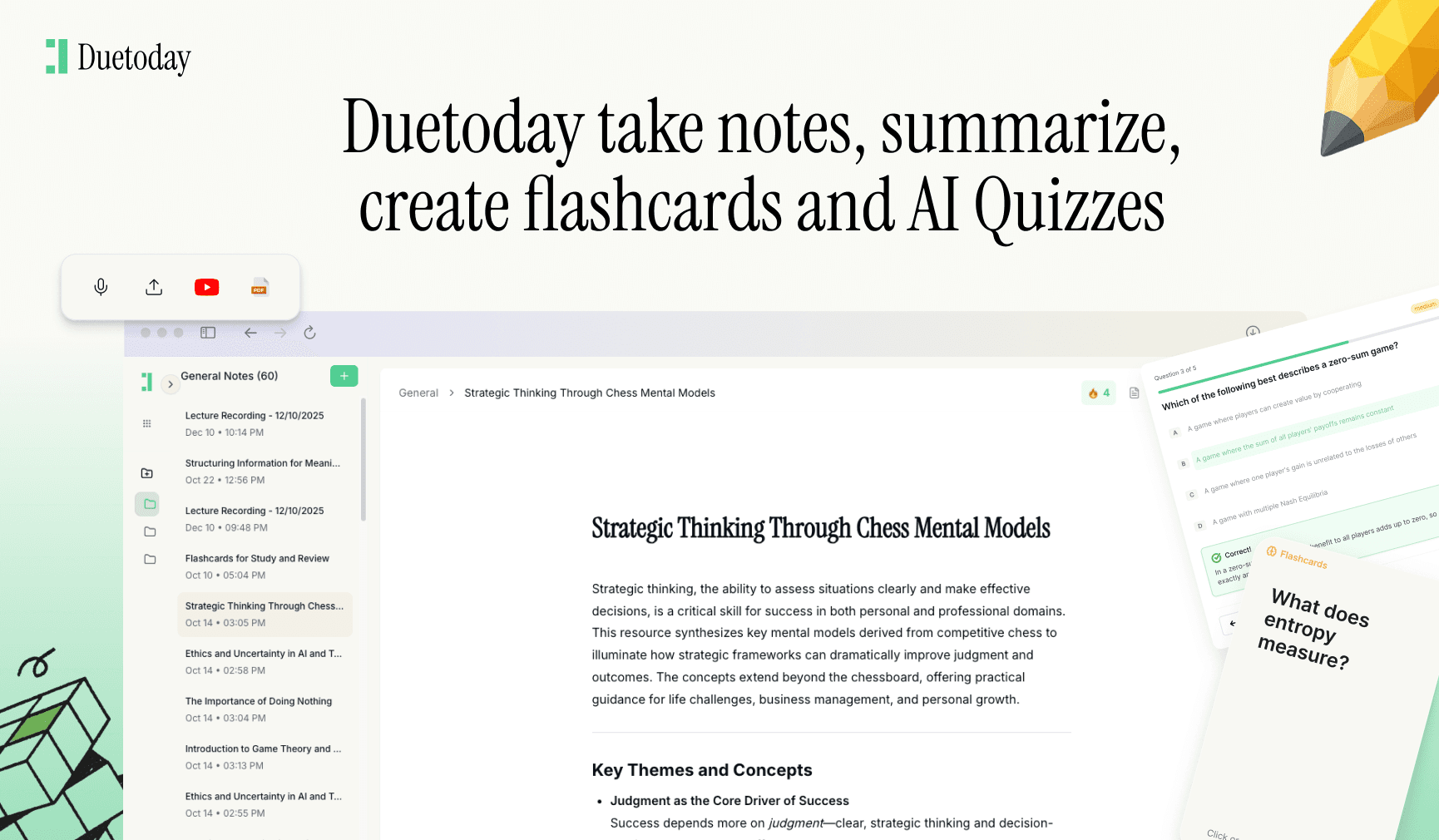
In the digital age, you don't have to do everything manually. Using technology can significantly speed up your learning process. This is where Duetoday AI comes into play. Duetoday is an AI-powered learning platform that turns lectures, PDFs, and notes into summaries, flashcards, quizzes, and structured study tools automatically. It acts like a personalized AI tutor, helping students learn faster, stay organized, and retain information without spending hours rewriting notes. By letting an AI handle the organization and summarization, you can spend more of your time actually understanding the core concepts and practicing active recall.
The Importance of Healthy Breaks
Studying for hours on end without a break is counterproductive. The human brain can only focus intensely for about 45 to 90 minutes before performance begins to decline. Implementing techniques like the Pomodoro method—where you work for 25 minutes and take a 5-minute break—can help maintain high levels of concentration. During your breaks, avoid scrolling through social media, as this often leads to 'context switching' that makes it harder to get back into the flow. Instead, stand up, stretch, grab a glass of water, or take a quick walk to reset your mental energy.
Reviewing and Reflecting
Learning is a marathon, not a sprint. A common habit of top-performing students is the weekly review. At the end of each week, spend an hour looking over everything you learned. This prevents you from forgetting the material you covered at the start of the semester. It also allows you to identify gaps in your knowledge early on, so you aren't surprised by difficult topics right before finals. Reflecting on what study methods worked and what didn't will allow you to refine your habits over time, making you a more efficient and confident learner.
Staying Socially Balanced
While academics are a priority, isolation can lead to burnout. Good study habits include knowing when to step away and engage with your peers. Study groups can be incredibly beneficial for discussing complex ideas and hearing different perspectives. Explaining a concept to a friend is one of the best ways to solidify your own understanding. Balance is the key to longevity in university; a student who manages their time well can enjoy a vibrant social life while still hitting their academic goals.

How long does it take to form a new study habit?
While many people believe it takes 21 days, research suggests it can take anywhere from two to eight months to make a behavior automatic. The key is consistency rather than perfection.
What is the most effective study technique for exams?
Active recall and spaced repetition are scientifically proven to be the most effective methods. Instead of re-reading, test yourself frequently over increasing intervals of time.
How do I stop procrastinating on big assignments?
Break the assignment into the smallest possible tasks. Instead of 'write essay,' make your first task 'open a blank document and write one sentence.' Reducing the barrier to entry makes it easier to start.
Can music help or hinder my study sessions?
It depends on the individual, but generally, instrumental music or lo-fi beats are better than music with lyrics, which can interfere with the language-processing parts of your brain.