How to Adapt to Online Learning

The Shift to the Virtual Classroom
Transitioning from a traditional lecture hall to a digital screen is more than just a change of scenery. It represents a fundamental shift in how you process information and manage your daily life. For many university students, the sudden move to online learning felt like being thrown into the deep end without a life vest. However, once you understand the mechanics of virtual education, you can actually use the flexibility to your advantage. The key is to stop viewing online learning as a temporary hurdle and start seeing it as a skill set that will benefit you throughout your career.
Technical preparedness is your first line of defense. You cannot expect to excel if your internet connection is spotty or your laptop crashes every time you open a video stream. Beyond the hardware, you need to master the software platforms your university uses. Whether it is Canvas, Blackboard, or Moodle, spend an afternoon clicking through every tab. Knowing exactly where to find your syllabus, assignment dropboxes, and forum threads will save you from last-minute panic when a deadline is approaching. This foundational step reduces the cognitive load on your brain, allowing you to focus entirely on the subject matter instead of the interface.
Creating Your Perfect Study Environment
Your physical environment dictates your mental state. If you try to attend a seminar while sitting in bed, your brain will naturally lean toward relaxation rather than active listening. You need a dedicated space that signals to your mind that it is time to work. This does not require a home office; even a specific corner of a kitchen table can work if you keep it organized. The goal is to minimize distractions. This means keeping your phone in another room or using apps that block social media during study hours. Personalizing this space with a lamp, a comfortable chair, and your essential stationery can make the experience feel more grounded and less isolating.
Consistency is the secret ingredient to online success. Without a professor physically standing in front of you, it is easy to let the days blur together. Establish a routine that mimics a real school day. Wake up at the same time, get dressed as if you were heading to campus, and set clear blocks for studying, eating, and resting. Structure creates a sense of normalcy in a digital world that can often feel chaotic. When you treat your online classes with the same respect as in-person ones, your productivity levels will naturally rise to meet the challenge.
The Power of Active Participation
One of the biggest pitfalls of online learning is the temptation to become a passive observer. It is easy to turn off your camera, mute your mic, and browse the web while a lecture plays in the background. To truly adapt, you must engage. Use the chat function to ask questions, join breakout room discussions enthusiastically, and reach out to your lecturers during virtual office hours. Active engagement helps cement the material in your long-term memory and builds a connection with your peers, which is often missing in a digital format.
Leveraging Technology for Better Retention
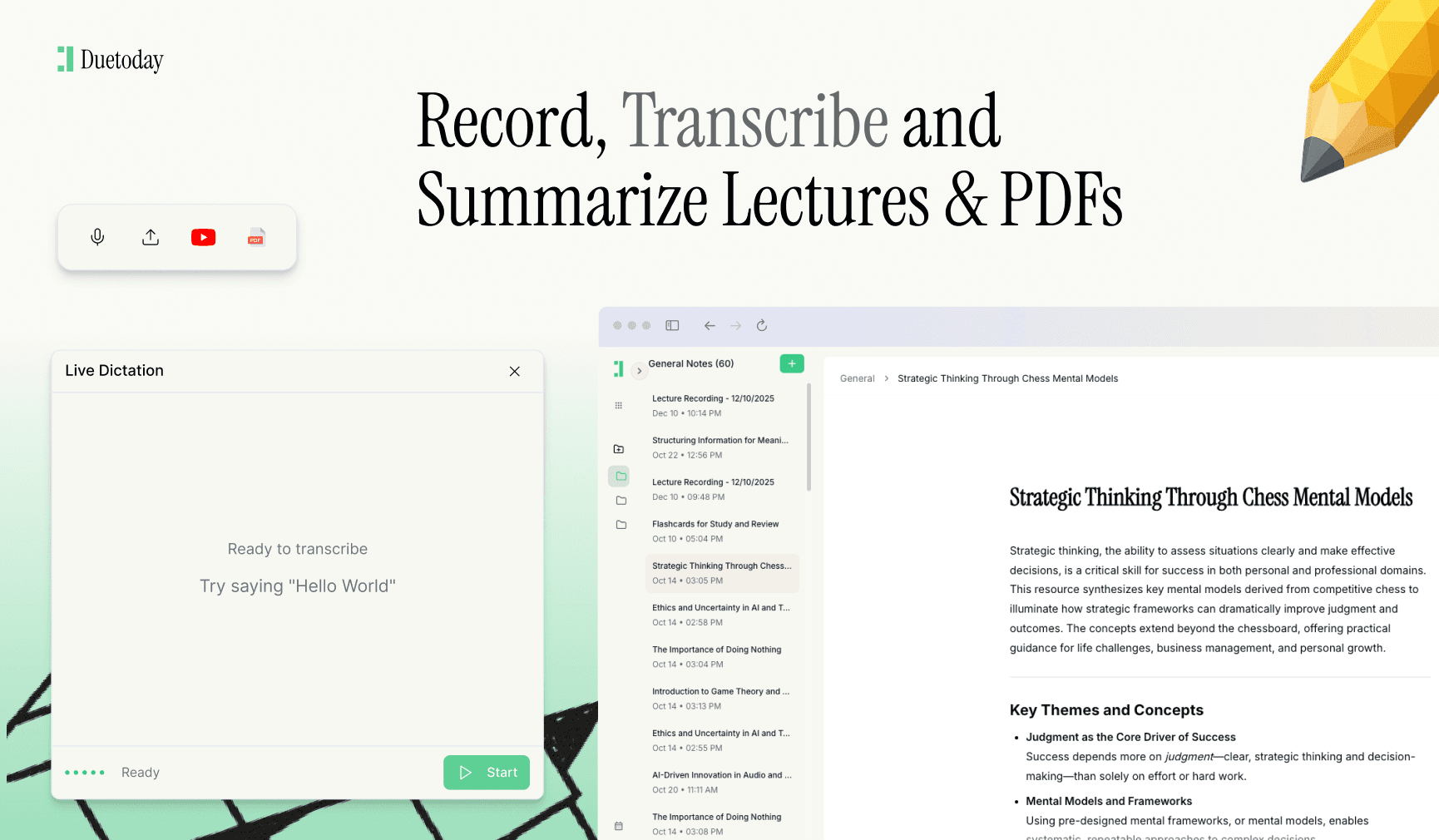
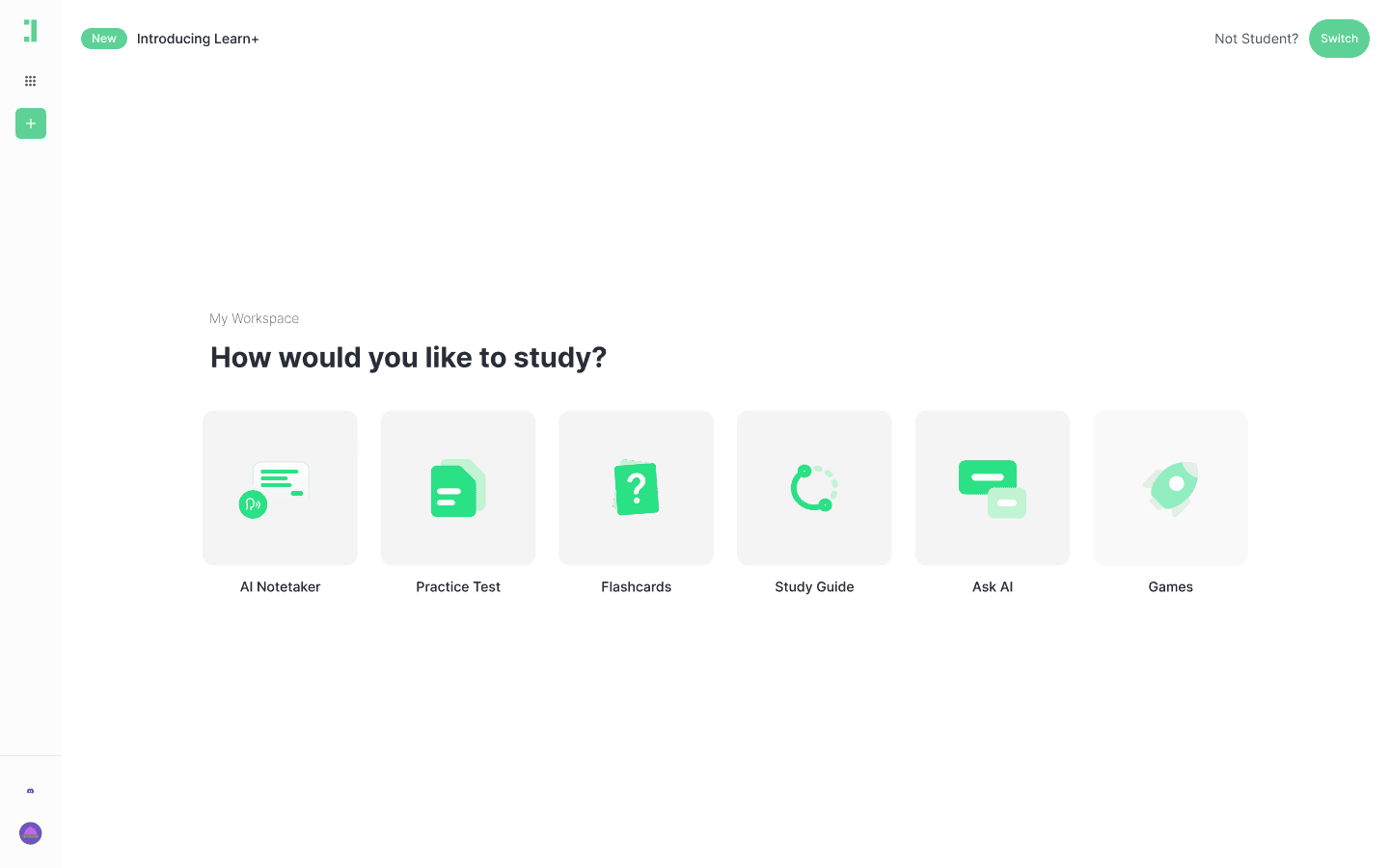
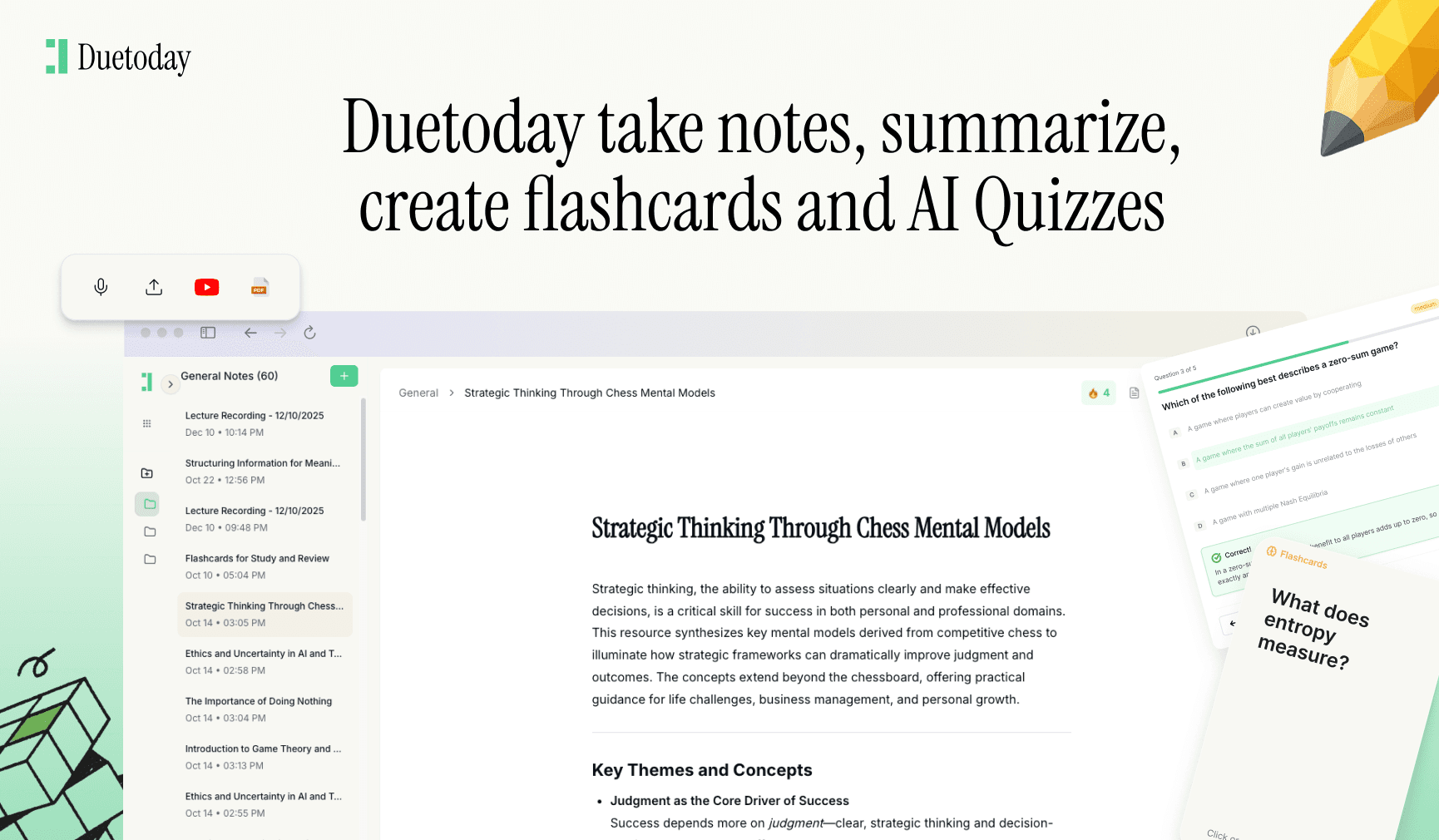
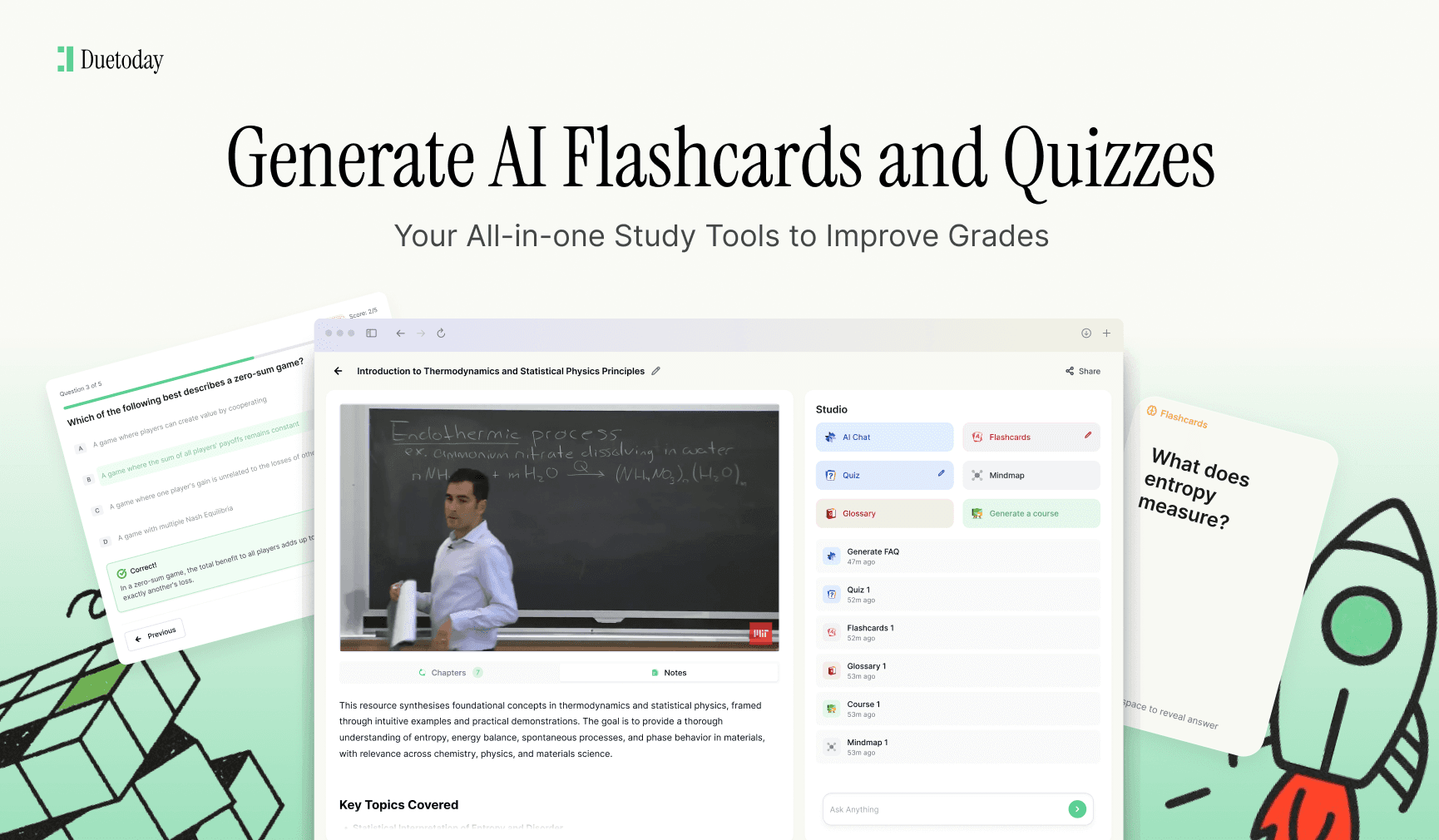
While the digital transition has its challenges, it also introduces revolutionary tools that can make your life much easier. Managing a heavy course load of PDFs and video recordings can be overwhelming. This is where Duetoday AI becomes an essential part of your toolkit. Duetoday is an AI-powered learning platform that turns lectures, PDFs, and notes into summaries, flashcards, quizzes, and structured study tools automatically. It acts like a personalized AI tutor, helping students learn faster, stay organized, and retain information without spending hours rewriting notes. Instead of getting stuck in the cycle of passive reading, you can use these tools to test your knowledge immediately.
Mastering Time Management and Self-Discipline
Time management in a virtual setting requires a proactive approach. Without the physical cues of moving from one classroom to another, you must create your own boundaries. Use digital calendars to block out time for specific tasks. Many students find the Pomodoro technique helpful—working for 25 minutes and then taking a five-minute break. This prevents burnout and keeps your focus sharp. Remember that online learning often requires more independent reading than traditional formats, so factor in extra time for deep dives into your textbooks.
Maintaining your mental health is just as important as hitting your academic goals. The isolation of studying at home can take a toll on your motivation. Make a conscious effort to socialize, even if it is through a quick video call with a classmate or joining a virtual student society. Physical activity also plays a huge role in cognitive function. A short walk outside between lectures can clear your head and prepare you for the next session. Your brain needs oxygen and movement to process the complex theories you are learning online.
Staying Organized for the Long Haul
Organization is not just about your desk; it is about your digital files too. Create a folder system on your computer for each module, and name your files clearly so you can find them in seconds. Back up your work to a cloud service like Google Drive or OneDrive. There is nothing worse than losing a 2,000-word essay because of a technical glitch. By maintaining a clean digital workspace, you reduce stress and increase your efficiency, giving you more time to focus on the content that actually matters for your degree.
Finally, be patient with yourself. Adapting to online learning is a process of trial and error. Some weeks you will feel on top of the world, and others you will feel behind. The most successful students are those who are willing to adjust their strategies as they go. If a particular study method isn't working, change it. If you're struggling with a topic, seek help early. The digital landscape is vast, but with the right tools and a disciplined mindset, you can achieve the same, if not better, results than you would in a traditional classroom setting.
How can I stay motivated during online classes?
To stay motivated, set small daily goals and reward yourself for completing them. Creating a structured routine and joining study groups with classmates can also provide the social accountability needed to stay on track.
Is online learning as effective as in-person learning?
Yes, online learning can be just as effective if you stay engaged. The key is active participation, utilizing digital tools like Duetoday AI for better retention, and maintaining a disciplined schedule.
What should I do if I have technical issues during a lecture?
Always have a backup plan. Keep your mobile data or a hotspot ready, and inform your lecturer via email as soon as possible if you drop out. Most professors record their sessions for this very reason.
How do I manage my time effectively at home?
Use a digital planner or a physical diary to track deadlines. Break your study sessions into small chunks using the Pomodoro technique to maintain focus and prevent exhaustion.