Streamline Tax Staff Onboarding [Full Guide]
Busy season doesn’t expose “who’s smart.” It exposes whether your onboarding system works. In a tax practice, the difference between a smooth season and a chaotic one often comes down to how quickly new staff can interpret prior-year files, follow firm-specific checklists, and apply procedures consistently—without asking the same questions 20 times or making avoidable errors that trigger rework.
The hard part is that tax onboarding isn’t like onboarding in most roles. It’s not just tools and policies. It’s judgment, workflow discipline, and an internal standard of quality that’s rarely written down cleanly. The best firms have great templates and processes—but they’re scattered across folders, partner preferences, and old files that new hires don’t know how to “read.”
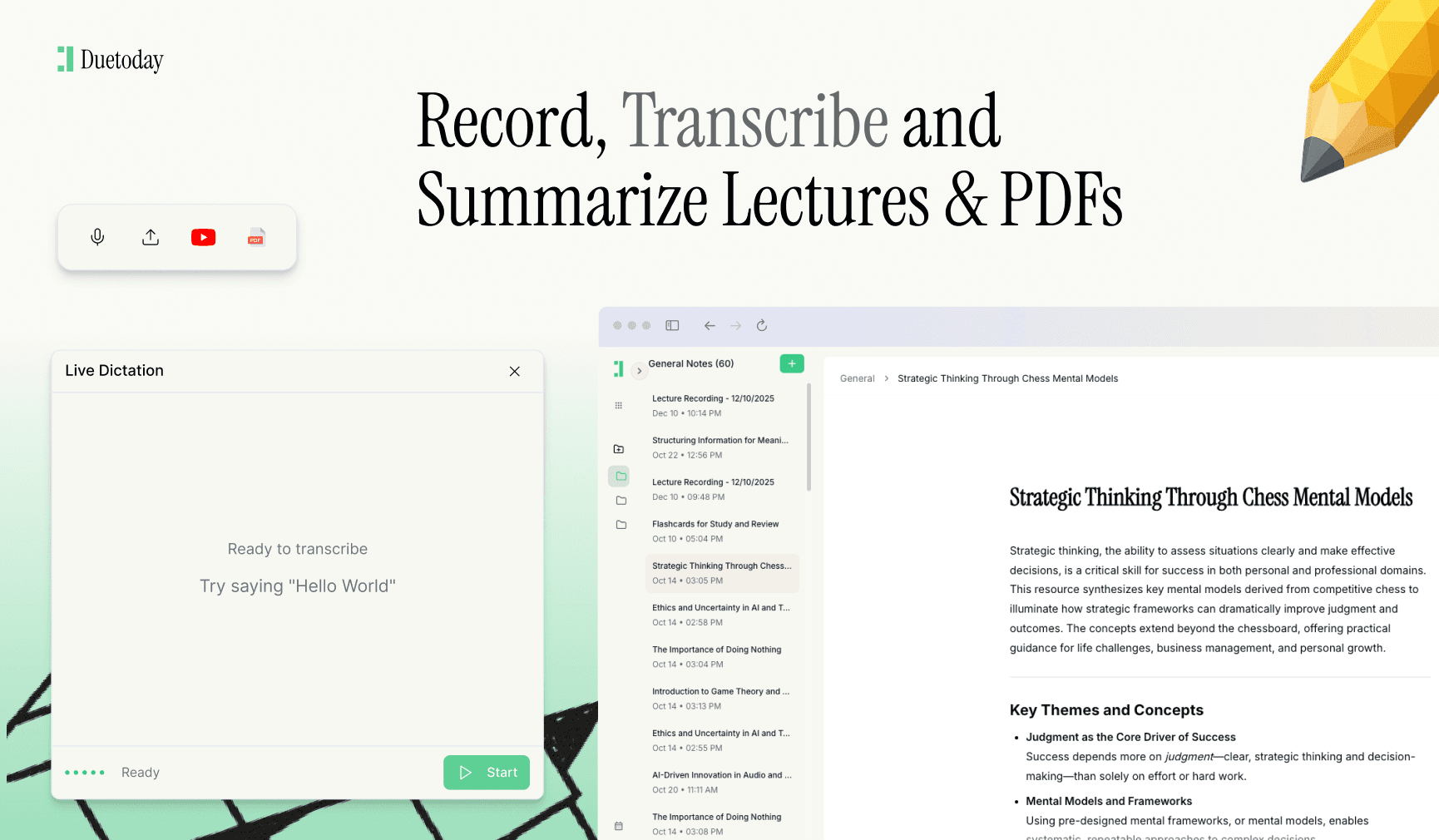
This article shows a practical way to streamline tax staff onboarding using Duetoday: take your prior-year returns, checklists, and internal procedures and turn them into clear training modules with quick quizzes—so new hires ramp faster, avoid common mistakes, and deliver confidently when it matters most.
What this approach improves quickly:
Faster time-to-billable work for grads and new intermediates
Fewer review notes caused by basic misses (GST, workpaper links, missing support)
More consistent delivery across teams and managers
Less senior time spent re-explaining the same “firm way”
Why tax onboarding breaks during busy season
Most firms try to onboard tax staff with a mix of shadowing, “read last year,” and ad-hoc coaching. That can work when you have time. But during busy season, those same methods become a bottleneck because every question becomes an interruption, and every interruption compounds across the team.
Prior-year files are useful, but they’re not self-explanatory to a new hire. A strong prior-year file contains decisions, assumptions, and patterns—yet the “why” often lives in someone’s head. Without context, new staff copy forward incorrectly, miss exceptions, or don’t know which checklist matters for which client type.
Tax procedures also tend to be “mostly documented” but not operationally teachable. New hires might be handed a folder of templates and a long SOP, but that doesn’t translate into confident execution on a live job with a deadline and review pressure.
Where new hires commonly struggle:
Understanding the firm’s workpaper standards and what “complete” looks like
Knowing which checklist applies (entity type, industry, complexity level)
Identifying where prior-year treatment should not be copied forward
Managing common risk areas (GST codes, trust distributions, Div 7A, FBT triggers, payroll tax flags)
The better model: onboarding as a repeatable learning pipeline
The goal isn’t to create more training content. The goal is to convert what you already have into training that’s easy to follow, easy to refresh, and easy to validate.
Tax firms already have the raw material:
prior-year returns and workpapers
checklists and sign-off sheets
internal procedures (how we prepare, review, lodge, and file)
training calls, walkthroughs, and “review note” patterns
The missing step is packaging that raw material into modules that teach the firm’s standards clearly, with just enough practice to lock in the habit.
A good onboarding system answers three questions for every task:
What does “good” look like here?
What are the common failure points?
What do I do when something looks different from last year?
How Duetoday streamlines tax onboarding
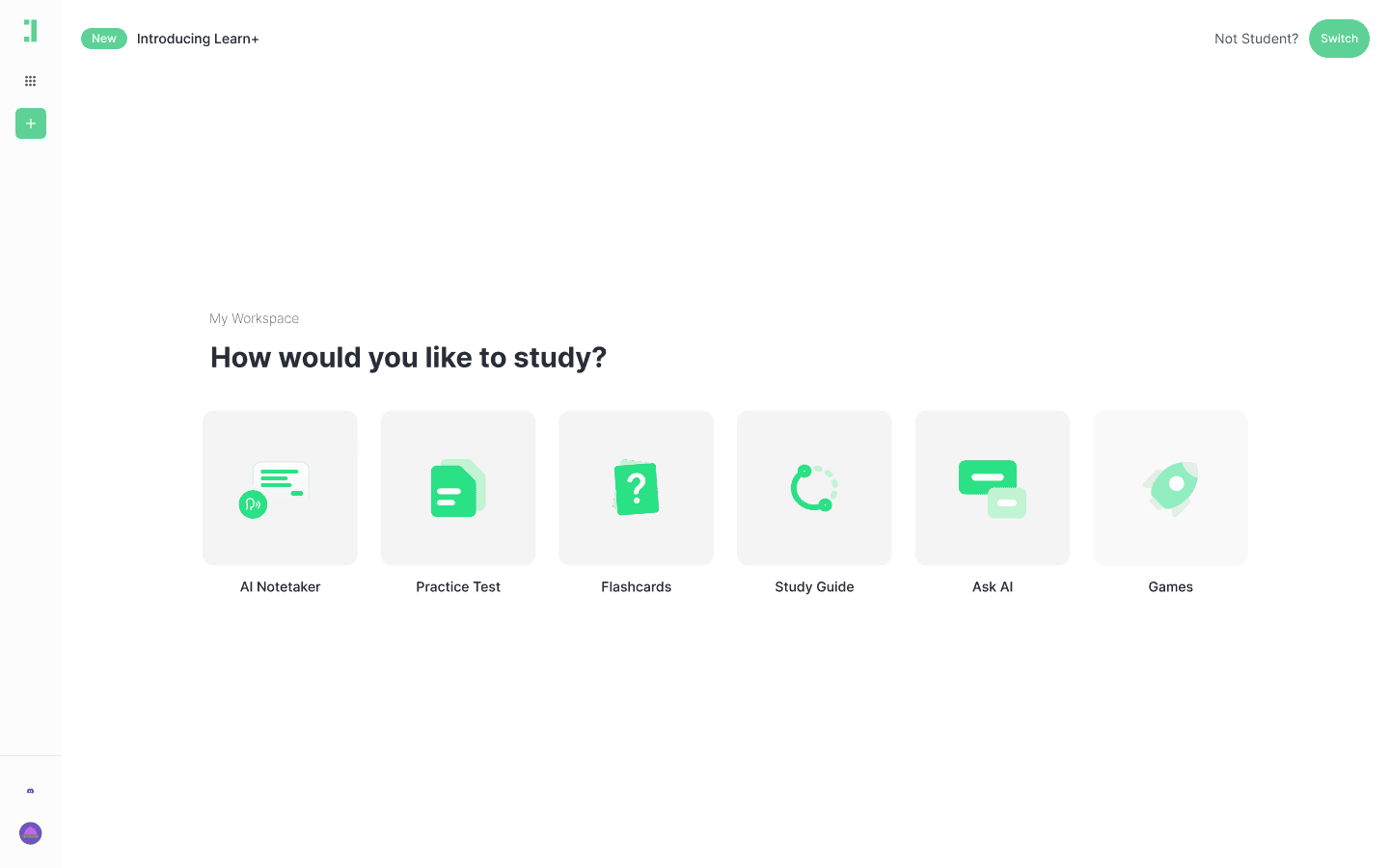
Duetoday helps by turning messy internal knowledge into structured learning assets. Instead of forcing new staff to learn through guesswork, you can create a repeatable system that converts your existing files and procedures into teachable modules and quick checks.
1) Convert prior-year files into “how to read this client” modules
Prior-year files are gold—if someone explains them. With Duetoday, you can take a prior-year package and produce a clear “client map” that new hires can follow.
That module can include:
entity type and key tax drivers
recurring schedules and where support is located
treatments that are “copy-forward safe” vs “verify every year”
the review expectations (what gets checked, what gets evidenced)
This is especially powerful for recurring client types (medical practices, tradies, ecommerce, property trusts) where patterns repeat but exceptions still matter.
2) Turn checklists into step-by-step workflows
Checklists often exist as static PDFs. New hires still don’t know the order, the “why,” or the evidence standard.
Duetoday can turn each checklist into a guided workflow:
task purpose (why it exists)
action steps (what to do)
proof/evidence required (what to attach or reference)
“red flags” (when to escalate)
When new staff can follow a workflow instead of a generic list, they make fewer mistakes and rely less on seniors.
3) Use quick quizzes to reduce repeated review notes
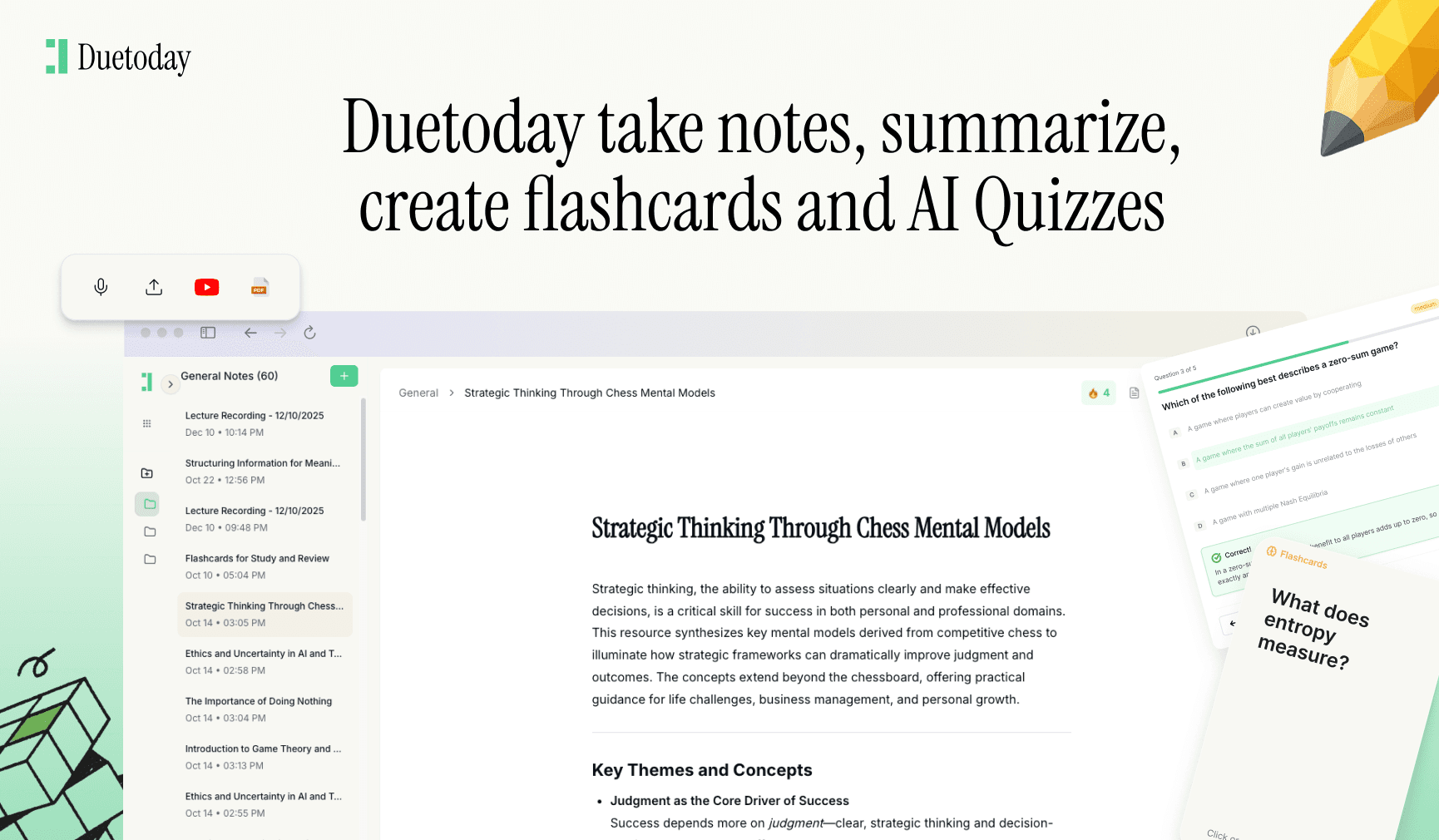
A 5-minute quiz sounds small, but in tax it prevents hours of rework. Quizzes force active recall and catch misunderstandings early—before the return hits review.
You can build micro-quizzes around:
common firm rules (naming, filing, workpaper linking)
entity-specific tax basics
GST coding patterns by client type
documentation standards (“what counts as support?”)
Keep quizzes short (3–6 questions) and focused on mistakes you actually see.
4) Create scenario practice for judgment calls
Tax work includes judgment. Staff need practice responding to “this looks different” moments.
Scenario prompts can be things like:
revenue mix changed vs last year—what do you check first?
new asset purchase appears—what’s the workflow and evidence required?
director loan movements—what’s the firm’s standard approach and escalation?
GST mismatch or coding uncertainty—what’s the safe handling process?
Scenarios train decision-making, not just knowledge.
Pulsify: Safer Accounts Payable Automation for Australian Finance Teams
Complex bills, simplified. Errors caught early. Hours saved. Pulsify delivers safer, faster accounts payable for Australian finance teams by reducing review, rework, and month-end stress—without relying on blind automation.
Instead of manually coding, splitting, matching, and reconciling invoices, Pulsify auto-codes tax-ready bills, flags only the exceptions that carry real risk, and gets complex invoices right the first time. The result is a workflow where routine invoices flow through cleanly, and humans focus attention where it actually matters.
The onboarding structure that works in real firms
A practical onboarding system for tax staff should be role-based and modular. Your grads don’t need the same depth as intermediates. Your reviewers need a different track than preparers. And everyone needs a consistent foundation.
Here’s a simple structure you can roll out quickly:
Foundation (Week 1):
firm workflow: prep → review → lodge → archive
workpaper and evidence standards
file hygiene: naming, linking, documenting assumptions
“how to use prior-year properly” rules
Role modules (Weeks 2–3):
business returns basics (what you do every job)
GST handling and common traps
trust/company specifics depending on your client base
recurring schedules and reconciliation routines
Busy-season reinforcement (Ongoing):
weekly 10-minute refreshers on top mistakes
micro-quizzes tied to common review notes
scenario prompts for tricky changes and edge cases
3–4 bullets that make this onboarding stick:
Keep modules short and job-aligned (one task per module)
Teach the “firm way” explicitly (standards + examples)
Reinforce with quizzes (stop errors before review)
Build scenarios (train judgment under time pressure)
How to launch in 7 days (minimum viable onboarding)
If you want speed, don’t try to train everything. Train the 20% that prevents 80% of review notes.
Day 1–2: Pick your top 10 recurring client types and grab 1–2 strong prior-year examples each.
Day 3–4: Turn each into a “client map” module + checklist workflow module.
Day 5: Create micro-quizzes based on your most common review notes.
Day 6: Add 5 scenarios that reflect “things that changed vs last year.”
Day 7: Roll it out to the next intake and measure rework reduction.
Your onboarding will improve again after every season if you update modules using real review notes and retrospectives.

How do we avoid AI making up tax rules or missing nuance?
Only generate modules from your approved sources (prior-year files, internal SOPs, firm checklists, and partner-approved guidance). Use a firm rule: if it isn’t in the source, it doesn’t become a rule in training. Then have a senior reviewer approve the final “firm standard” once.
Will this replace partner/manager coaching?
No—and it shouldn’t. It replaces repetitive explanations and “where do I find this?” questions. Coaching time becomes higher-quality: judgment, client nuance, and deeper technical development.
What’s the fastest win for tax onboarding?
“Client map” modules from prior-year files + a short quiz on your top 10 review note causes. That alone cuts rework and makes new hires confident faster.
How do we measure whether onboarding improved?
Track: time-to-first billable work, number of review notes per job (and types), rework cycles, and how often seniors get the same repeated questions. Even small improvements here save huge time in busy season.
How do we keep onboarding current as procedures change?
Make onboarding modular. When a checklist changes, update one module and regenerate its quiz. Don’t rebuild a giant deck. Add a short “what changed + why” refresher for impacted roles.