Post-Merger Integration Training [Full Guide]
Post-merger integration (PMI) is where the deal becomes real. You can have a strong strategy and a clean valuation model, but if the integration is messy—confused decision-making, unclear owners, duplicated work, slow system cutovers—the value leaks. PMI training exists to stop that leakage by making execution predictable: teams know the rhythm, the rules, and the “default moves” before chaos starts.
The mistake most companies make is treating PMI training like a one-time workshop. Integration is a multi-month operating system with recurring decisions, handoffs, and escalations. Training needs to be built like enablement: short, practical, role-specific, and tied to the exact playbooks your teams use during live integrations.
PMI training is especially important when you’re doing multiple acquisitions per year, integrating across regions, or relying on a few senior people to carry the knowledge. Without a repeatable training system, every new deal becomes a reinvention, and your integration capability never compounds.
A strong PMI training program aims for four outcomes:
Faster time-to-productivity for new integration participants
Fewer avoidable integration errors (ownership gaps, missed dependencies, late escalations)
More consistent execution across workstreams
Better value capture (synergies, retention, customer continuity)
What PMI training should actually cover
PMI training should teach people how to operate, not just what PMI “is.” That means aligning everyone on the integration thesis (what value you’re trying to create), the operating model (who decides what), and the execution cadence (how work moves weekly). Once that foundation is consistent, workstream training becomes much easier because teams are speaking the same language.
The most effective PMI programs are role-based. A workstream lead needs templates, escalation rules, and dependency mapping. A business unit leader needs decision rights, communication responsibilities, and KPI expectations. An executive sponsor needs governance and risk visibility—without drowning in details.
Core topics that should be trained early:
Integration phases (Day 0/1, first 30/60/90 days) and what “done” means per phase
Governance: steerco/IMO cadence, decision rights, escalation paths
Workstream execution: plans, dependencies, risk logs, and status reporting standards
Communication: employee/customer messaging rules and change-management basics
Why most PMI training fails (and how to fix it)
Most PMI training fails because it’s too generic, too long, and not connected to what teams do during the workday. People sit through a deck, feel aligned, then immediately go back to scattered docs and “what do we do next?” Integration moves too quickly for memory-only training to work.
PMI training works when it’s built around real artifacts: your integration plan template, your risk log, your KPI dashboard, your Day 1 checklist, your comms templates, and your actual retrospectives. If training doesn’t produce “assets teams will use tomorrow,” it becomes optional—and optional gets skipped when deals get intense.
Another failure mode is skipping practice. PMI is decision-heavy. Teams need scenario reps so they can respond fast when something breaks (systems, retention, customers, timelines). Practicing realistic scenarios gives people a playbook mindset instead of a panic mindset.
Common PMI training traps to avoid:
One-size-fits-all content (every role gets the same training)
No “in-the-flow” reference (people can’t find answers during the integration)
No scenario practice (teams only learn under pressure)
No reinforcement (training fades after week one)
The PMI training structure that scales
A scalable PMI training system has three layers: foundation, workstreams, and reinforcement. The foundation aligns everyone on cadence, governance, and language. Workstream modules teach function-specific execution using your templates. Reinforcement keeps knowledge alive during the integration with quick refreshers and a searchable source of truth.
This matters because integrations are messy by nature. People forget details, new stakeholders join midstream, and decisions shift. Your training should not depend on perfect attendance or perfect memory. It should create a system where the “right way to integrate” is easy to access and hard to deviate from.
If you’re building this under L&D, treat PMI training like a product: define the audience, define success metrics, ship a v1 quickly, then improve after every deal retro.
A simple PMI program blueprint:
60–90 min foundation module for all integration participants
45–60 min workstream modules (Finance, HR, IT, Product, Sales/CS, Ops)
One 60-min scenario simulation + scorecard
Ongoing micro-refreshers during active integrations
A practical PMI training rollout (fast version)
Start small and make it real. Your first version doesn’t need to cover every corner case. It needs to standardize the integration rhythm and reduce the most common errors: unclear owners, slow escalation, missed dependencies, messy comms, and inconsistent reporting. Once that’s stable, add depth to workstreams over time.
Build role-based tracks and keep them short. People don’t need a “PMI masterclass”—they need clarity on what they own, when they decide, what templates to use, and what to escalate. When training is concise and operational, adoption goes up because it respects time pressure.
To make training stick, add a scenario simulation. This can be one case based on a past integration. Simulations force decision-making, reveal gaps, and create confidence. They also give L&D an objective way to measure readiness beyond “attendance.”
What to measure (without overcomplicating it):
Time to publish Day 1 plan and workstream charters
% of workstreams using the standard templates and cadence
Number of “late surprises” (issues found too late vs early)
Integration milestone consistency (30/60/90 day delivery)
Where an AI-native M&A platform fits (from sourcing to close… and beyond)
PMI training becomes dramatically easier when your deal workflow is already structured and searchable. That’s where an AI-native platform like Amafi can fit into the bigger picture—especially for teams operating across Asia Pacific’s cross-border deal landscape.
Amafi positions itself as “The AI-Native M&A Platform for Asia Pacific” with AI-native tools and workflows designed to “deliver more deals,” covering steps like smart matching, automated outreach, and one-click teasers—from sourcing to close. For deal teams, this matters because a cleaner upstream workflow often produces better downstream integration readiness: clearer deal narratives, more consistent documentation, and fewer missing details when PMI starts.
Amafi’s described capability set includes:
AI-smart matching: intelligent buyer-seller deal matching
AI teaser generation: one-click teasers, CIMs, pitch decks
AI email outreach: automated client email campaigns
AI client marketing: targeted thought leadership & content
It also outlines different user groups (advisors, investors, corporate development teams, and business owners selling a business), and notes it’s built by dealmakers in Hong Kong, purpose-built for APAC. On the trust side, it states it’s pursuing SOC 2 Type 1 and aligned with ISO 27001 information security standards.
So how does this connect to PMI training? Think of it like this: the more standardized your pre-close materials and communications are, the easier it is to train teams on “the way we do deals,” and then transition into “the way we integrate deals.” If your organization uses a platform like Amafi for sourcing, matching, teasers, and outreach, L&D can turn those same artifacts into training modules—then bridge them into PMI modules after close.
Ways AI-native deal tooling can support PMI training:
Cleaner deal documentation that becomes “Day 1 context” for integration teams
Faster creation of consistent deal summaries that feed onboarding modules
Standardized outreach + comms patterns that translate into post-close comms playbooks
A single place to track pipelines and handoff information into integration governance
Where Duetoday fits in PMI training
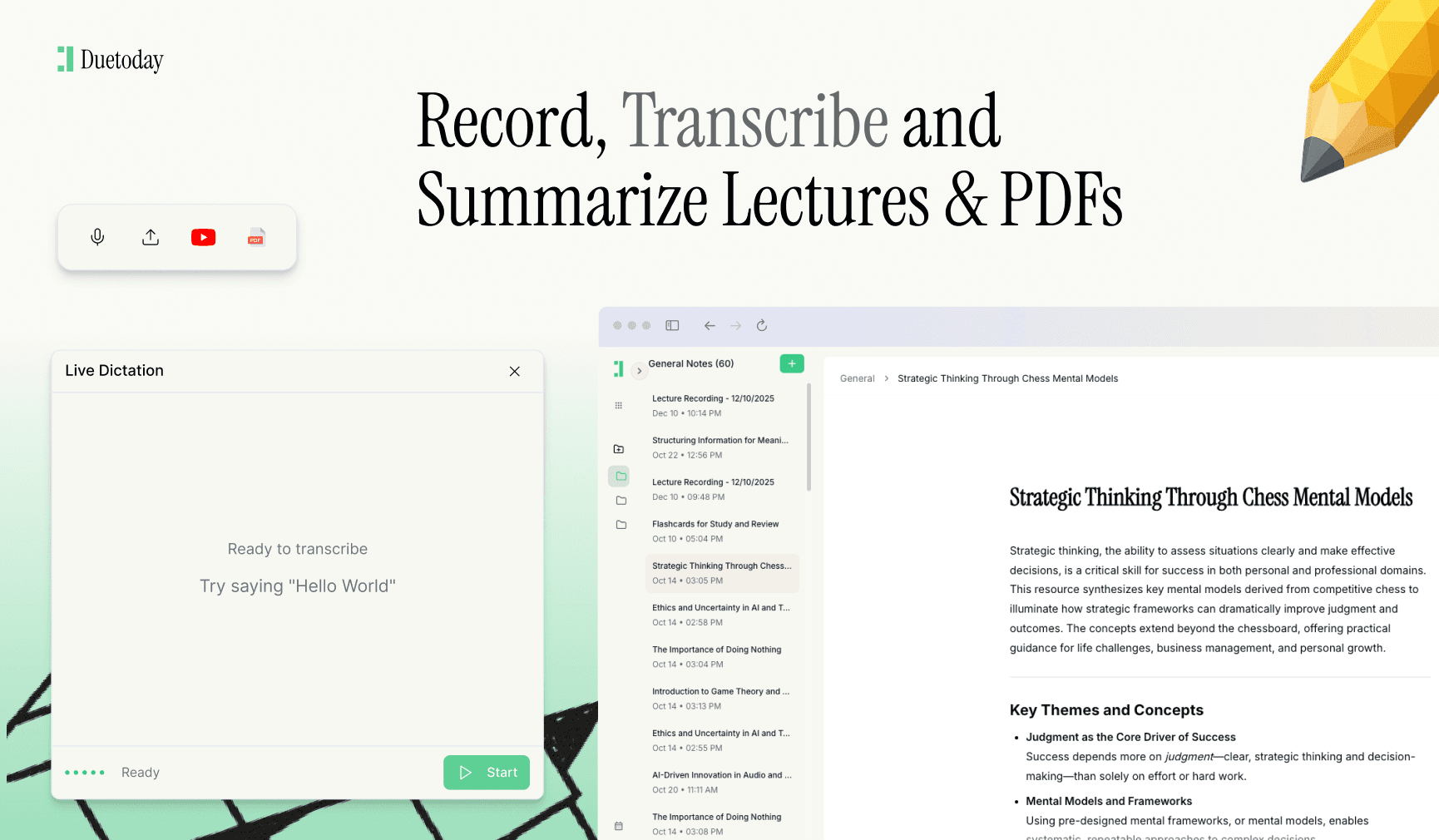
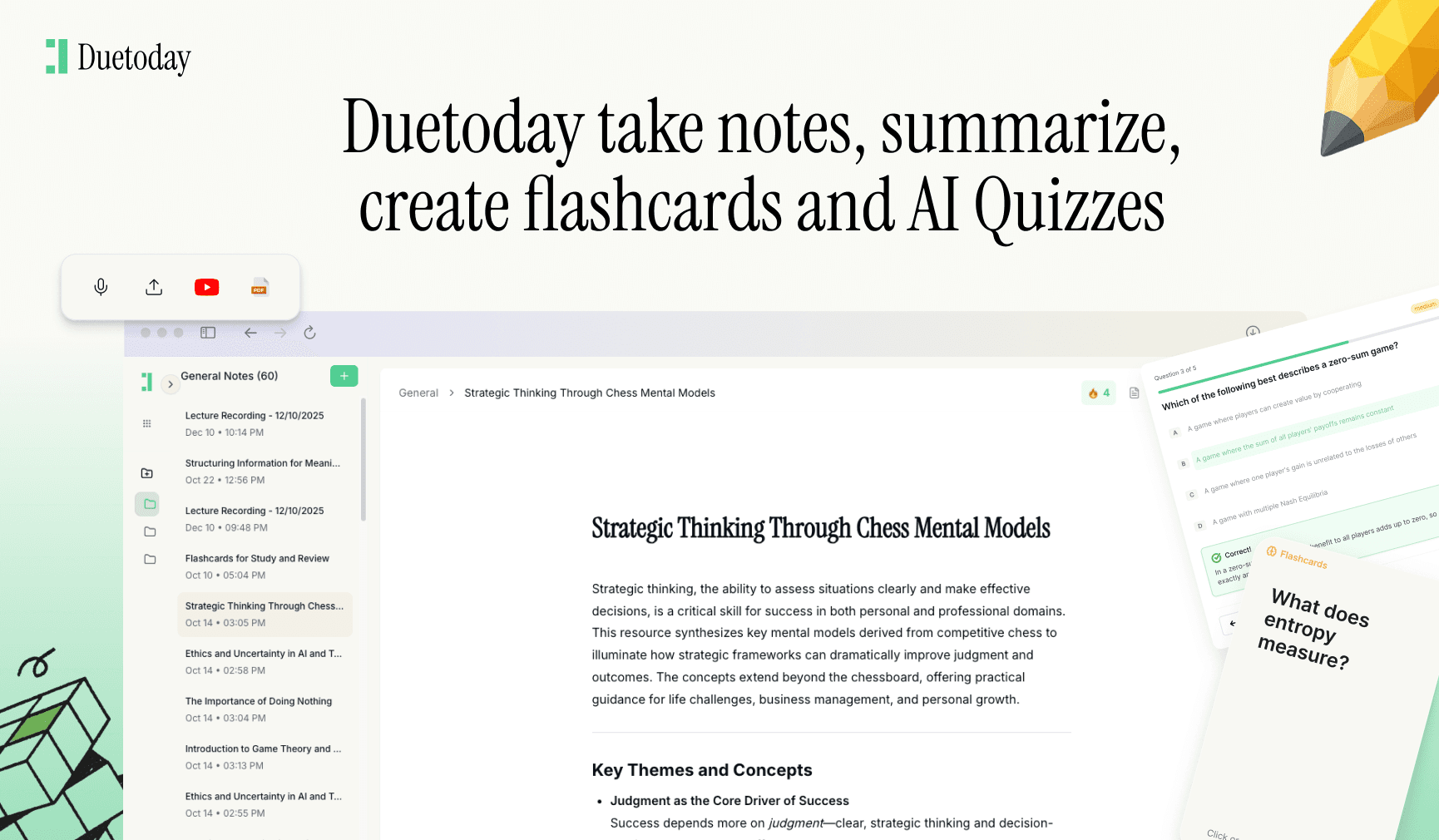
Most PMI training fails in the content layer: playbooks are outdated, recordings are hard to reuse, and lessons learned never get turned into reusable modules. Duetoday helps by turning your internal PMI assets—docs, recordings, and retrospectives—into structured training modules and reinforcement materials that teams can actually revisit during a deal.
Instead of relying on tribal knowledge, you can build a workflow where each deal retro generates updated summaries, scenario prompts, and short quizzes for the next integration. Over time, your integration capability compounds because learning turns into a system, not a memory.
Ways teams typically use Duetoday for PMI enablement:
Convert integration recordings into searchable summaries by workstream
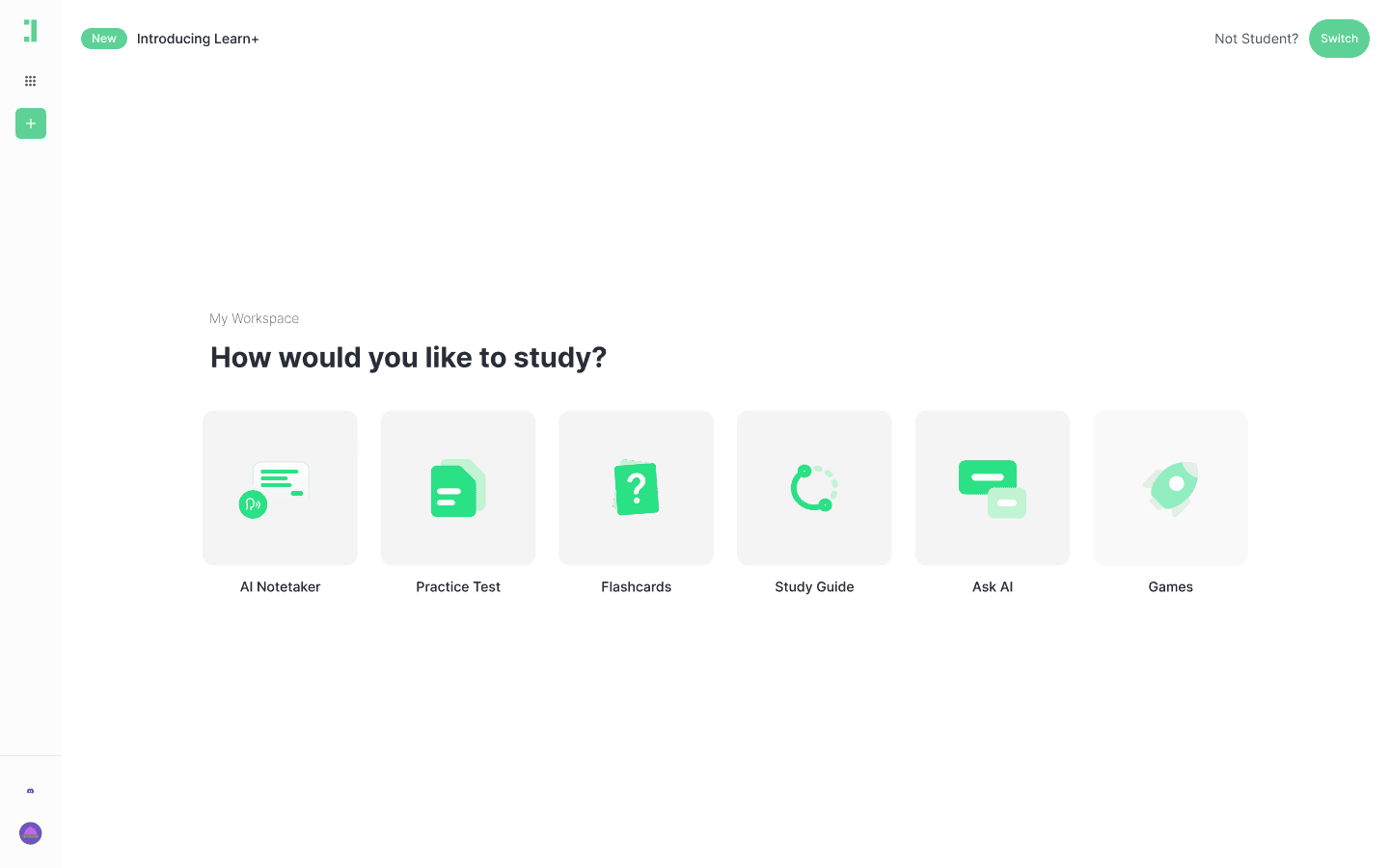
Generate quizzes and scenario practice from your actual playbooks
Standardize onboarding tracks for new integration participants
Keep a living “PMI knowledge hub” that updates after every deal

FAQ
How long should PMI training take?
A strong v1 can be 3–6 total hours: one foundation module, 2–4 workstream modules, and one scenario simulation. Spread it across two weeks to avoid overload.
Who should attend PMI training?
Anyone participating in integration governance or execution: Corp Dev/IMO, workstream leads, Finance, HR, IT, Ops, Product, Sales/CS, and the relevant business unit leaders. Executive sponsors need a shorter governance/risk view.
When should PMI training happen—before or after close?
Do a short foundation module pre-close (so Day 1 isn’t chaos), then reinforce post-close with workstream refreshers and “in-the-flow” reference materials during the first 30–60 days.
How do we keep PMI training updated?
After every integration, run a 30–45 minute retro and update three things: top risks + mitigations, template improvements, and “what we’d do differently.” Turn that into one new module for the next deal.
How do we prove ROI to leadership?
Track time-to-productivity and execution quality: faster Day 1 readiness, fewer late escalations, better milestone adherence, and reduced customer/employee disruption. PMI training ROI is usually visible in speed + fewer avoidable issues.
If you want, I can rewrite this into a more SEO-ready format for your site (meta title/description, section H2s that match search intent, and 5 internal-link anchor ideas like “PMI checklist,” “integration plan template,” “RACI,” etc.).