How to Lead a Group Assignment [For Uni]

The Challenges of Student Leadership
Stepping up to lead a group assignment can feel like a daunting task, especially when you are balancing your own heavy course load. Most university students have experienced the frustration of a group project where communication breaks down, deadlines are missed, or one person ends up doing all the work. However, taking the lead is one of the best ways to ensure the project stays on track and you secure the grade you deserve. Leadership in a university setting isn't about being bossy; it is about organization, empathy, and clear communication.
Defining Roles and Expectations Early
The first step in leading any successful group project is setting the foundation. As soon as your group is formed, schedule a brief kickoff meeting. This is the time to establish how you will communicate, whether through WhatsApp, Discord, or Slack, and to set internal deadlines that fall a few days before the actual submission date. During this meeting, focus on identifying the strengths of your team members. Some people excel at research, while others are better at formatting or public speaking. By matching tasks to natural skills, you increase the quality of the final output and keep everyone motivated.
Maintaining Transparent Communication
Effective leaders keep the lines of communication open without micromanaging. It is important to create a shared space, such as a Google Drive folder or a Trello board, where everyone can see the progress of different sections. This transparency prevents the 'I didn't know I had to do that' excuse. When you notice someone is falling behind, reach out privately rather than calling them out in the group chat. Often, a student might be struggling with a specific concept or personal issue, and a quick supportive check-in can get them back on track much faster than a public confrontation.
Streamlining the Study Process with Technology
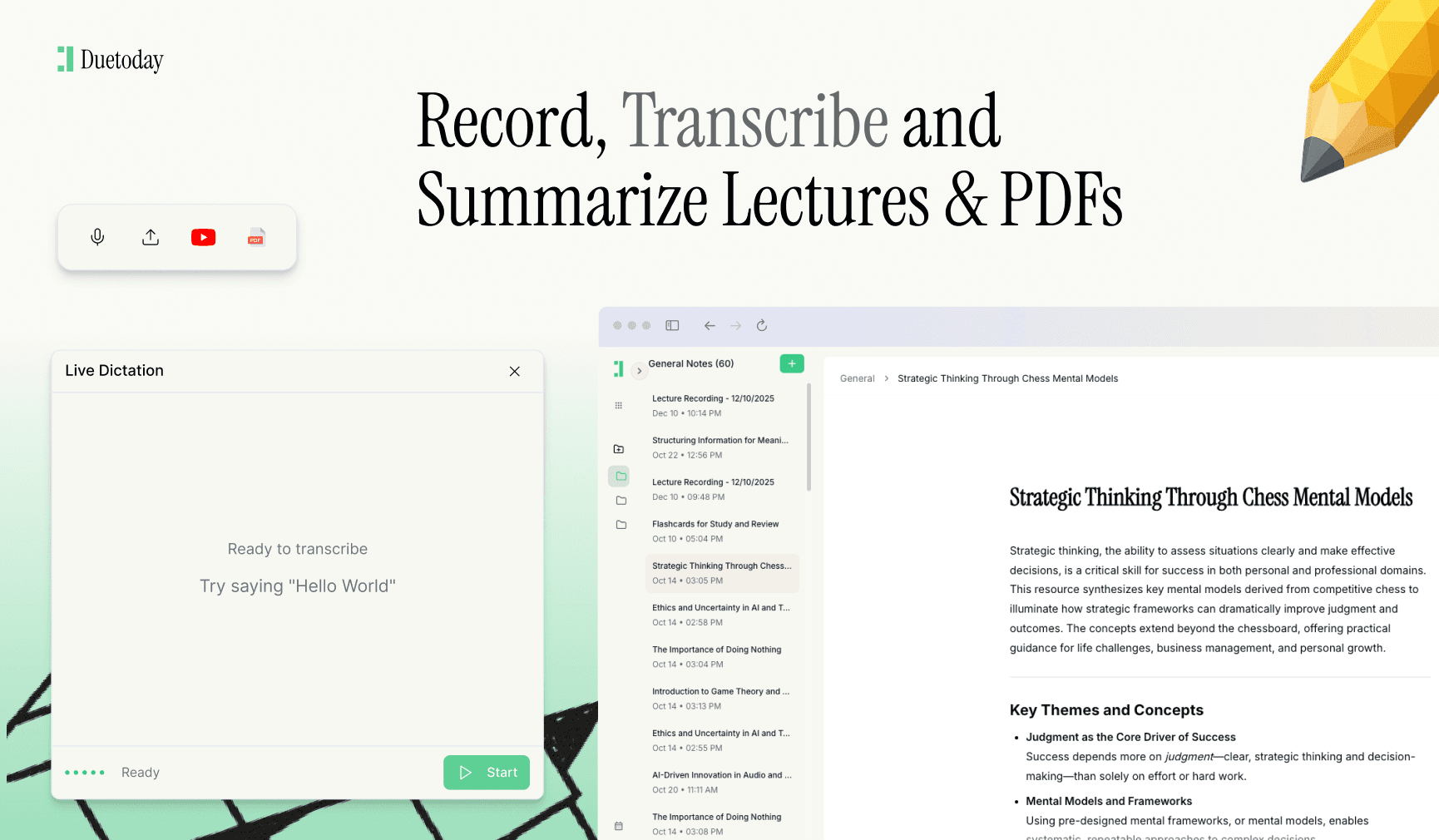
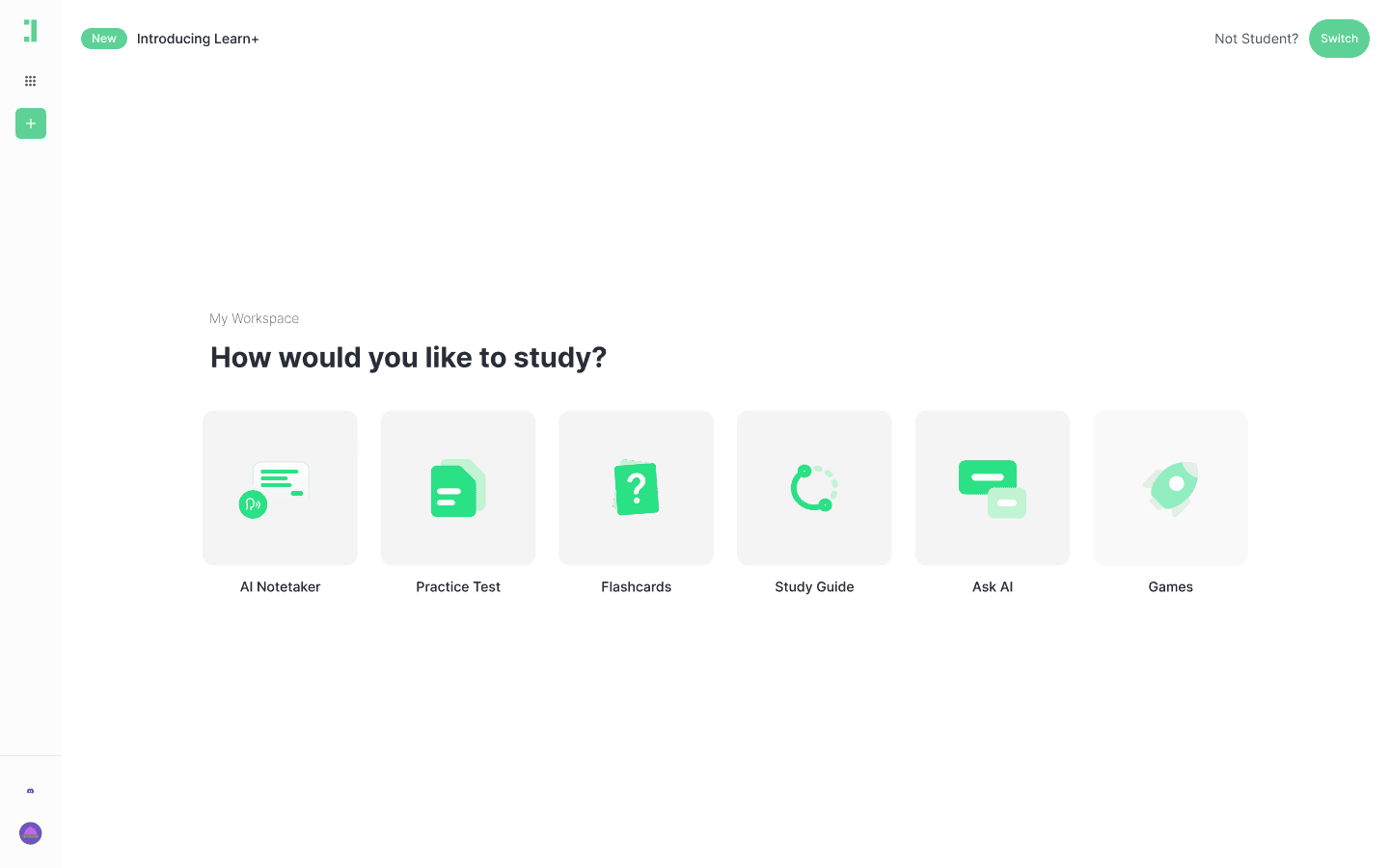
Modern university life requires modern tools to stay ahead of the curve. While you handle the logistics of the group, you still need to ensure your own academic performance stays high. This is where Duetoday AI becomes an essential part of your toolkit. Duetoday is an AI-powered learning platform that turns lectures, PDFs, and notes into summaries, flashcards, quizzes, and structured study tools automatically. It acts like a personalized AI tutor, helping students learn faster and retain information without spending hours rewriting notes. For a group leader, using a tool like this means you can grasp complex topics quickly, allowing you more time to focus on coordinating the team’s success.

Mastering Conflict Resolution
Conflict is almost inevitable in group work, but as the leader, your job is to mediate rather than take sides. If two members disagree on the direction of the project, pull the conversation back to the marking rubric. What does the professor actually want? By focusing on the objective requirements of the assignment, you can remove personal bias from the equation. Always stay neutral and encourage your team to voice their opinions, but make it clear that once a group decision is made, everyone needs to pull in the same direction to meet the deadline.
The Final Polish and Submission
In the final days before the deadline, your role shifts from a coordinator to an editor. Even if everyone has written their sections perfectly, a group project often suffers from 'patchwork' syndrome, where different writing styles make the paper feel disjointed. As the leader, spend time smoothing out the transitions between paragraphs and ensuring the tone remains consistent throughout. Check the citations, formatting, and word count one last time. This final layer of quality control is often what separates an average grade from a top-tier one. Once the submission is confirmed, take a moment to thank your team for their hard work; a little appreciation goes a long way for future collaborations.
The Long-Term Benefits of Leading
Beyond the immediate grade, leading a group assignment builds soft skills that are highly valued by employers. Project management, team coordination, and problem-solving are all highlights for a resume. When you take the initiative in university, you are practicing for the professional world. Leaders who can navigate different personalities and deliver results under pressure are always in high demand. So, next time a professor asks who wants to be the group representative, don't be afraid to raise your hand and take charge of your academic destiny.

How do I deal with a group member who isn't doing any work?
The best approach is to reach out directly and privately to ask if they need help with their section. If they continue to be unresponsive, document your attempts to contact them and consult your tutor or professor about the situation well before the deadline.
How do I delegate tasks without sounding bossy?
Focus on asking rather than telling. Frame tasks based on the group members' strengths and ask, 'Would you be comfortable taking on the research for this section?' instead of 'You do the research.'
What are the best tools for managing a group project?
Google Docs for collaborative writing, WhatsApp or Slack for communication, and Duetoday AI for personal study and summarizing research papers quickly are all excellent choices for university students.
Is it okay to do all the work myself to ensure a good grade?
While tempting, this is not sustainable and defeats the purpose of group work. Your role as a leader is to facilitate the team, not to be a martyr. Work on motivating others first, as it builds a better project and saves you from burnout.