How to Find Credible Sources for University [Full Guide]
Why Credibility Matters in University Research
In the age of information overload, the ability to distinguish between fact and fiction is perhaps the most critical skill a university student can possess. When you are writing a research paper, your arguments are only as strong as the evidence you use to support them. Using unreliable sources can lead to point deductions, loss of academic integrity, and a general misunderstanding of your subject matter. Finding credible sources means looking for information that is trustworthy, authored by experts, and backed by evidence.
Understanding what makes a source credible begins with recognizing the intent of the author. Is the piece written to inform, to persuade, or to sell something? Academic writing requires sources that aim to inform through rigorous methodology. This usually involves peer-reviewed journals, books from reputable academic publishers, and reports from established organizations. By focusing on these types of documents, you ensure that your work stands on a foundation of verified knowledge rather than opinion or unverified claims.
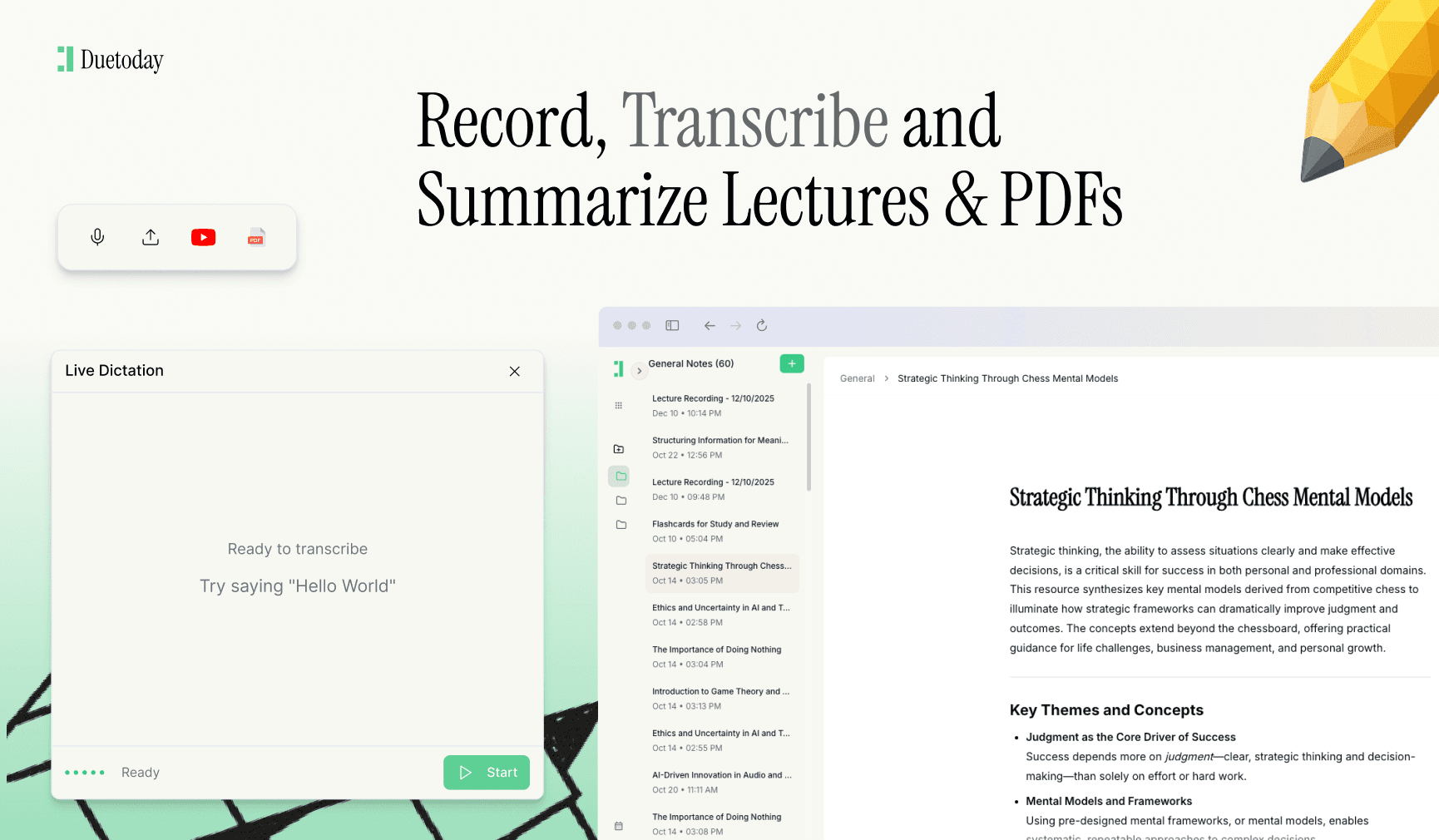
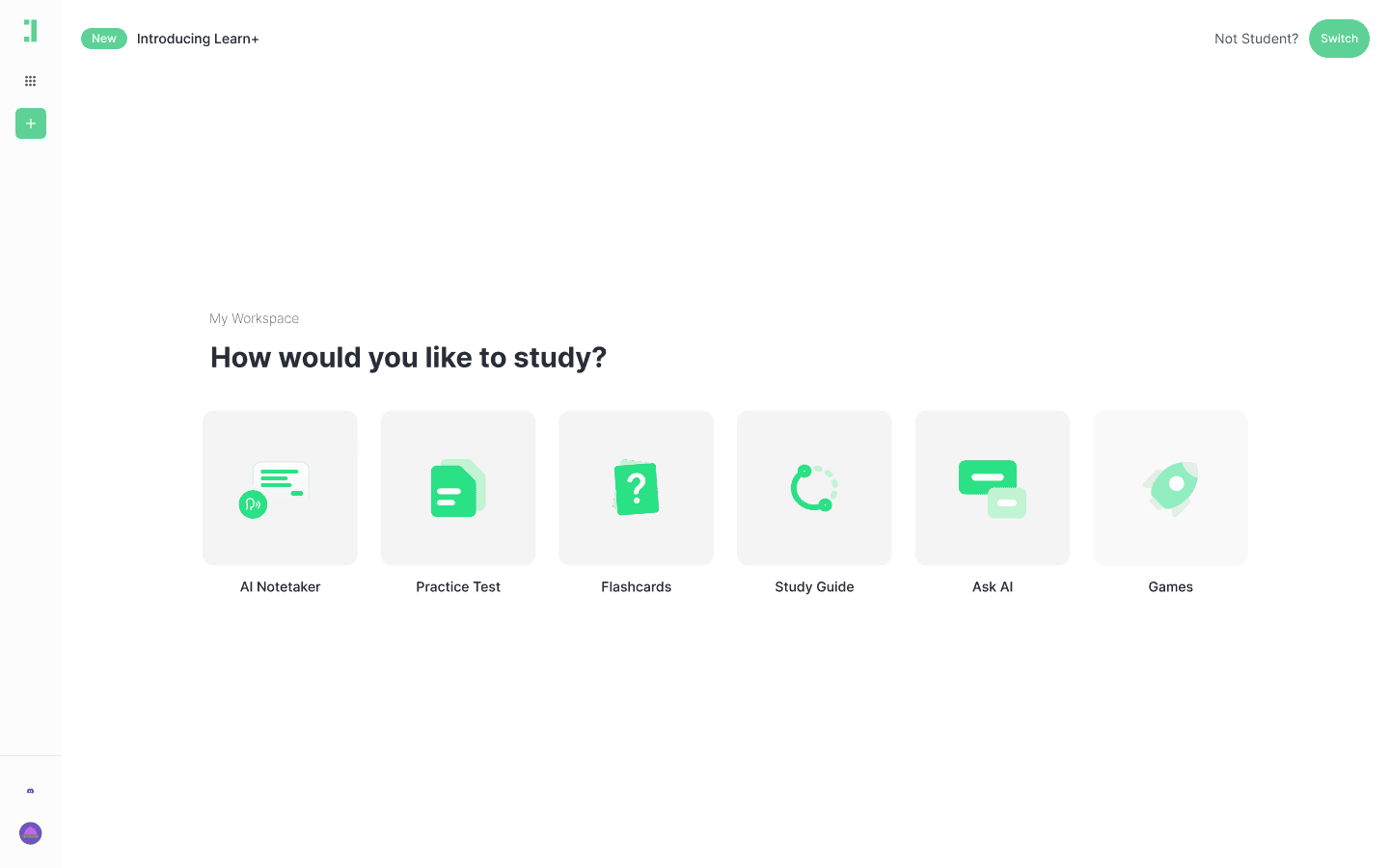
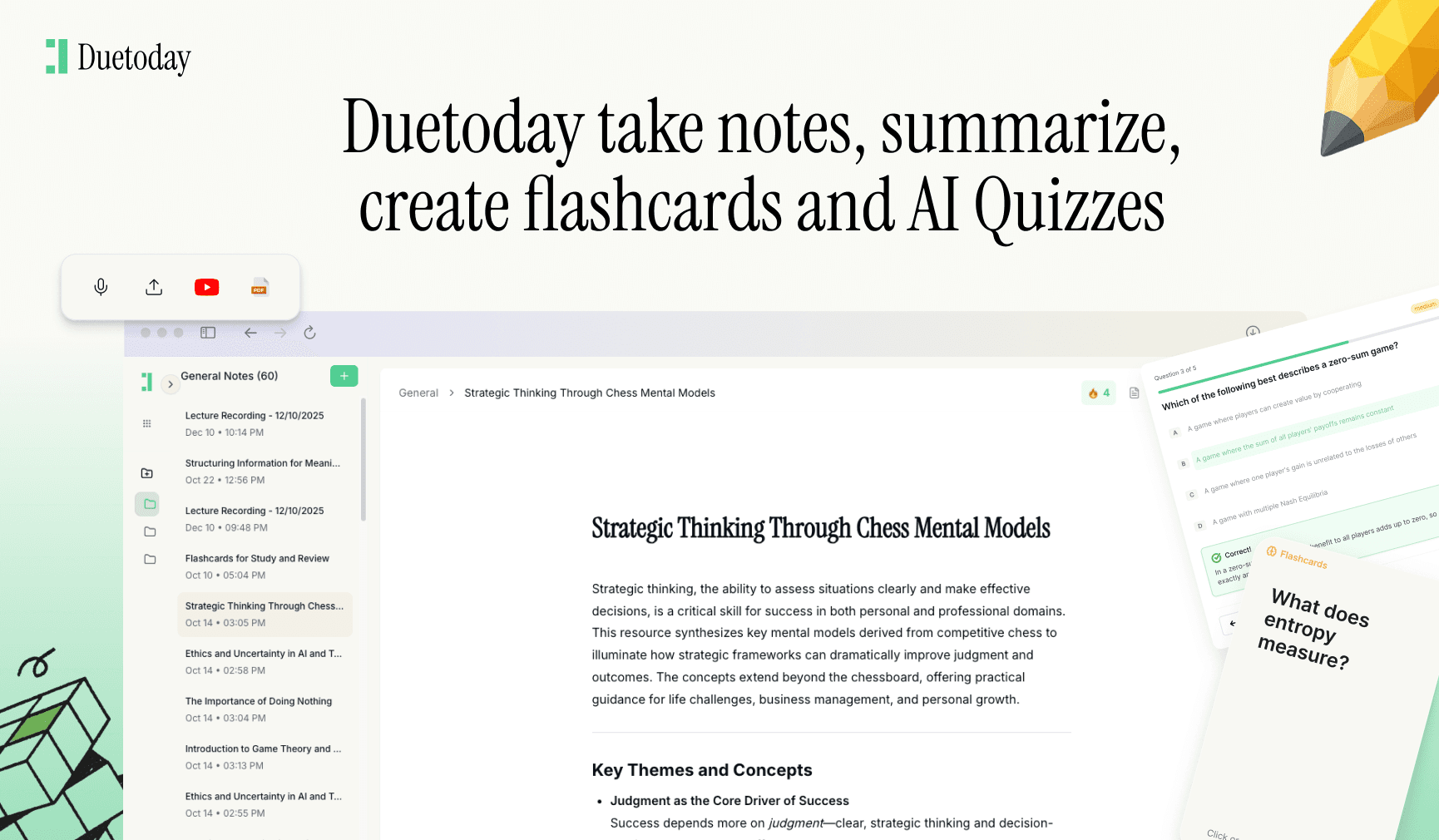
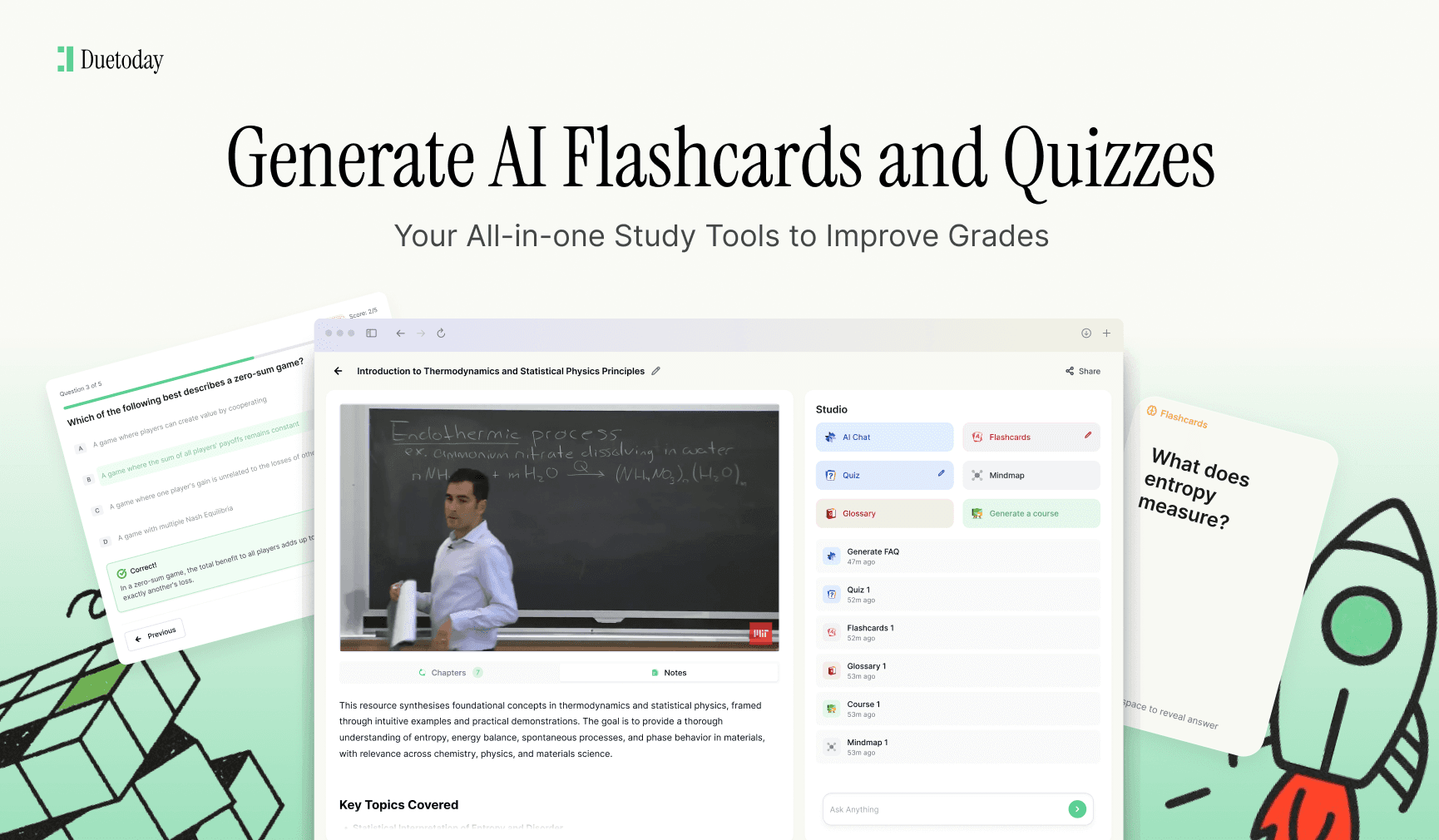
One of the most efficient ways to manage this academic workload is by using modern technology. Duetoday AI is an AI-powered learning platform that turns lectures, PDFs, and notes into summaries, flashcards, quizzes, and structured study tools automatically. It acts like a personalized AI tutor—helping students learn faster, stay organized, and retain information without spending hours rewriting notes. When you find high-quality academic PDFs, tools like Duetoday can help you break down complex methodology sections into understandable summaries, making your research phase significantly more productive.
The Core Criteria: The CRAAP Test
A popular framework used by librarians worldwide is the CRAAP test, which stands for Currency, Relevance, Authority, Accuracy, and Purpose. Evaluating currency involves checking when the information was published or posted. For fields like medicine or technology, info from five years ago might be outdated. Relevance asks if the information actually relates to your specific research question and who the intended audience is. You should always aim for sources written for an academic audience rather than the general public.
Authority and Accuracy go hand in hand. You need to investigate who the author is and what their credentials are. Do they have a PhD in the field? Are they affiliated with a university? Accuracy involves checking if the information is supported by evidence and if it has been peer-reviewed. Finally, Purpose helps you identify any hidden biases. If a website is selling a product related to the topic they are discussing, the information is likely biased. Staying objective in your selection process is the only way to maintain the high standards expected at the university level.
Where to Look: Beyond a Simple Google Search
While Google is a great starting point for general knowledge, it is rarely sufficient for deep academic research. Instead, students should head straight to Google Scholar or their university’s library database. These platforms filter out the noise of blogs and commercial websites, providing access to peer-reviewed articles and eBooks that have already passed through a rigorous editorial process. Many universities pay thousands of dollars for subscriptions to databases like JSTOR, EBSCOhost, or ScienceDirect, so take advantage of these resources while you have free access.
Government (.gov) and Educational (.edu) websites are generally considered highly reliable. These domains are restricted, meaning not just anyone can buy them. However, even within these domains, you must remain critical. A blog post on a university website might just be a student’s opinion, whereas a research report hosted on a government portal carries much more weight. Always look for the 'About Us' section to understand the organization’s mission and funding sources before citing them in your bibliography.
Recognizing Bias and Red Flags
Spotting an unreliable source is often easier than finding a good one if you know what to look for. One major red flag is the presence of clickbait headlines or overly emotional language. Academic writing is usually neutral and cautious. If an article uses words like 'shocking' or 'miracle cure,' it is likely not a credible academic source. Another sign of poor quality is the lack of citations. Credible authors are always eager to show where they got their information by providing a robust bibliography or list of references.
Furthermore, pay attention to the website design. While not always a dealbreaker, credible academic and professional organizations usually maintain professional-looking websites. A site cluttered with intrusive advertisements, pop-ups, and flashing banners is often a sign of a low-quality content farm. Your goal is to find information that has been vetted by other experts in the field. This peer-review process is the gold standard of academia because it ensures that other specialists have checked the data and the conclusions for logical errors.
Mastering the Art of Source Synthesis
Once you have gathered your credible sources, the final step is synthesis. This is the process of combining information from various sources to form a cohesive argument. Do not just list what Author A said and then what Author B said. Instead, look for connections. Do they agree? Do they contradict each other? Pointing out these nuances shows your professor that you have truly engaged with the material. Effective research involves more than just finding facts; it involves understanding the ongoing conversation in your field of study and positioning your own voice within that dialogue.
What is a peer-reviewed source?
A peer-reviewed source is an article or paper that has been evaluated by experts in the same field before being published. This process ensures the research is accurate, original, and of high quality.
Can I use Wikipedia for my university essay?
Generally, no. Wikipedia is a great place to get an overview of a topic, but because anyone can edit it, it is not considered a primary credible source. Use it to find the citations at the bottom of the page, then go to those original sources instead.
How do I know if a website is biased?
Check the 'About' page, look for the funding sources, and analyze the tone of the writing. If the language is highly emotional or if the site is trying to sell a product related to the topic, it is likely biased.
Is a news article considered a credible source?
It depends on the context. For current events, reputable news outlets like the BBC or New York Times are credible, but for scientific or historical claims, you should prioritize academic journals.