How to Stop Forgetting After Exams

The Science of Why We Forget Everything After Finals
We have all been there. You spend two weeks cramming every possible detail into your brain, you nail the exam, and forty-eight hours later, you cannot even remember the core definition of the subject. This phenomenon is often called the forgetting curve, and it is a major headache for university students. When we cram, we are essentially renting information rather than owning it. The brain stores this data in short-term memory, treats it as temporary baggage, and hits the delete key the moment the stress of the exam subsides.
To stop forgetting after exams, we have to look at how we encode information in the first place. If your study routine consists solely of rereading highlighted textbooks and pulling all-nighters, you are teaching your brain that this information is only relevant for a specific deadline. Real learning requires a shift from passive consumption to active engagement. Transitioning your study habits toward long-term retention not only helps you perform better in future related courses but also builds a genuine foundation of knowledge that will serve you throughout your career.
The Power of Active Recall Over Passive Reading
One of the biggest mistakes students make is mistake familiarity for mastery. When you read a chapter three times, you become familiar with the text, which gives you a false sense of security. Active recall is the process of forcing your brain to retrieve information without looking at your notes. This strengthens the neural pathways associated with that information. Instead of just looking at a page, close the book and try to explain the concept out loud. If you can explain it to a friend or even an empty room, you actually know it.
Implementing this doesn't have to be a chore. You can start small by pausing after every section of your lecture notes to summarize the key takeaway in your own words. This simple act of retrieval signals to your brain that this information is important and needs to move from short-term storage into the long-term vault. Over time, these small efforts compound, making the eventual exam review feel like a quick refresher rather than a frantic first-time learning session.
Leveraging Duetoday AI for Smarter Retention
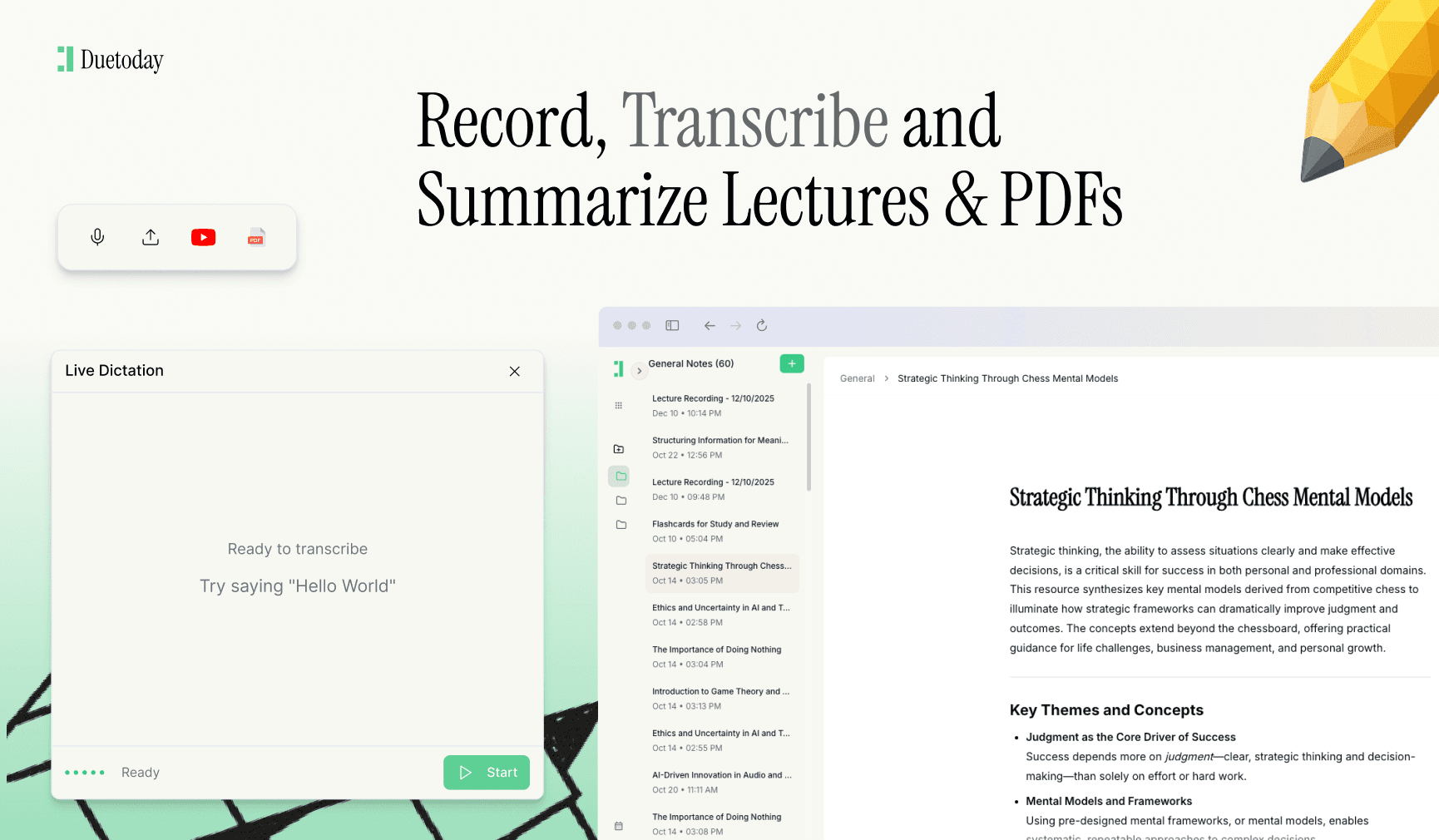
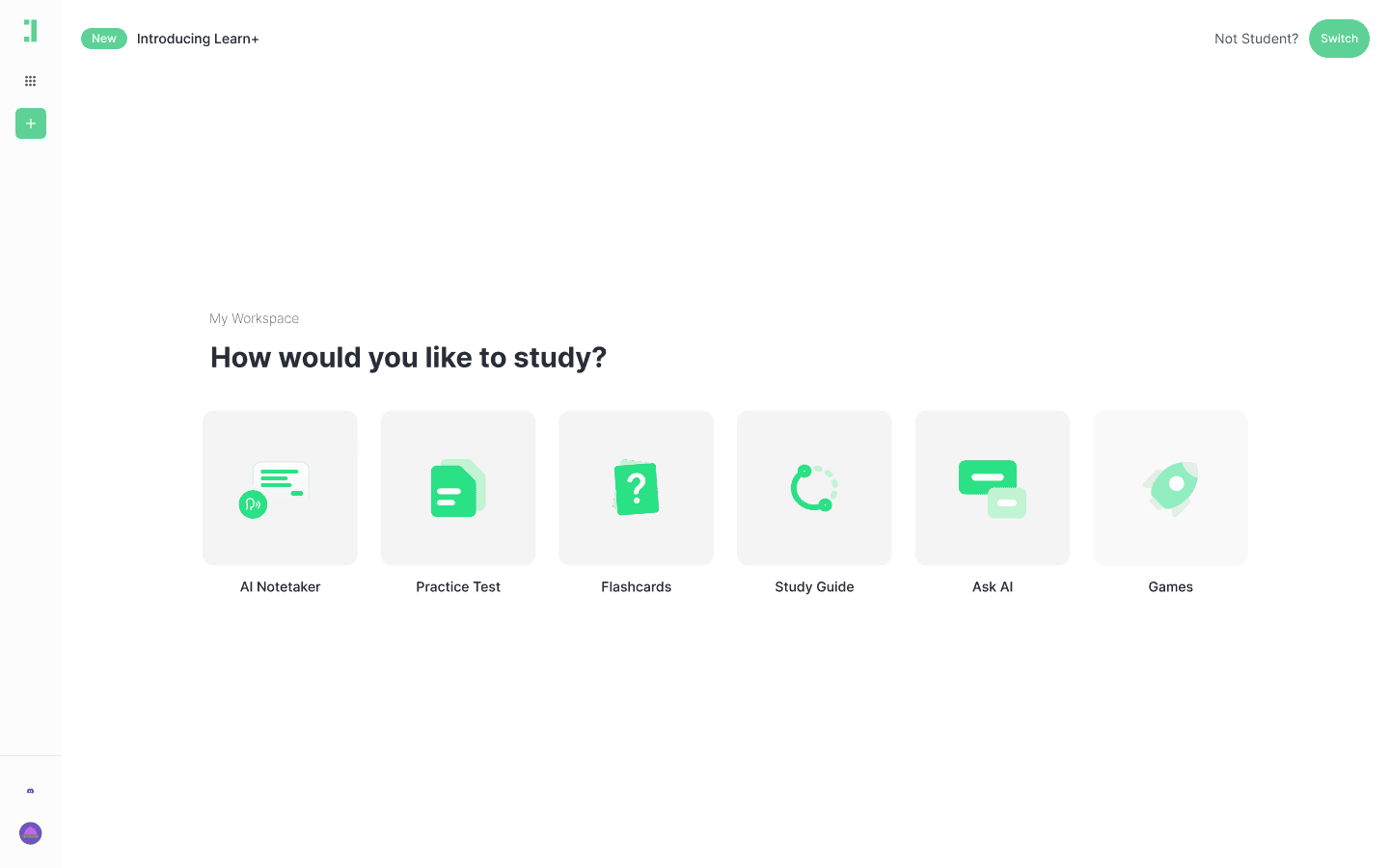
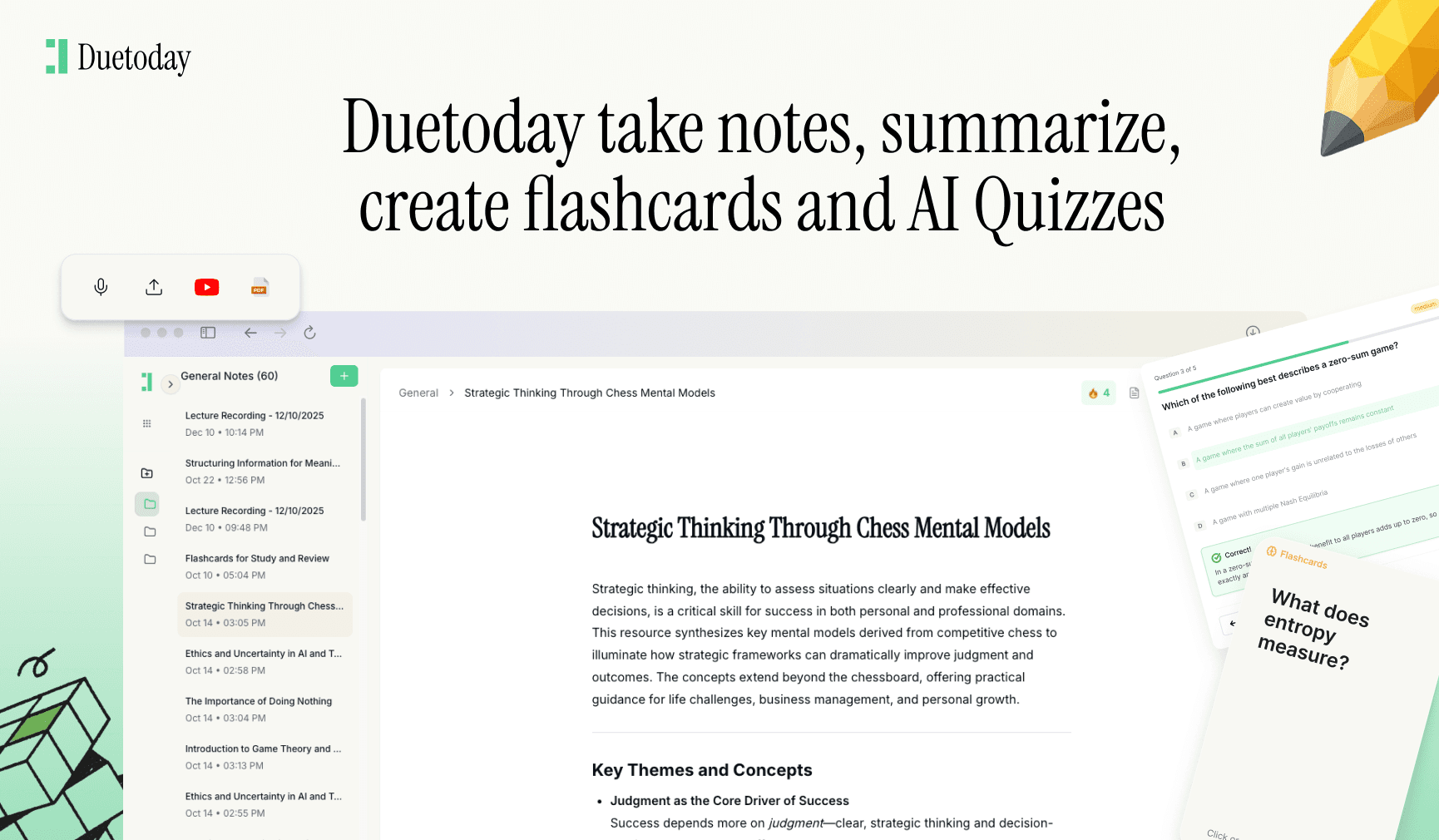
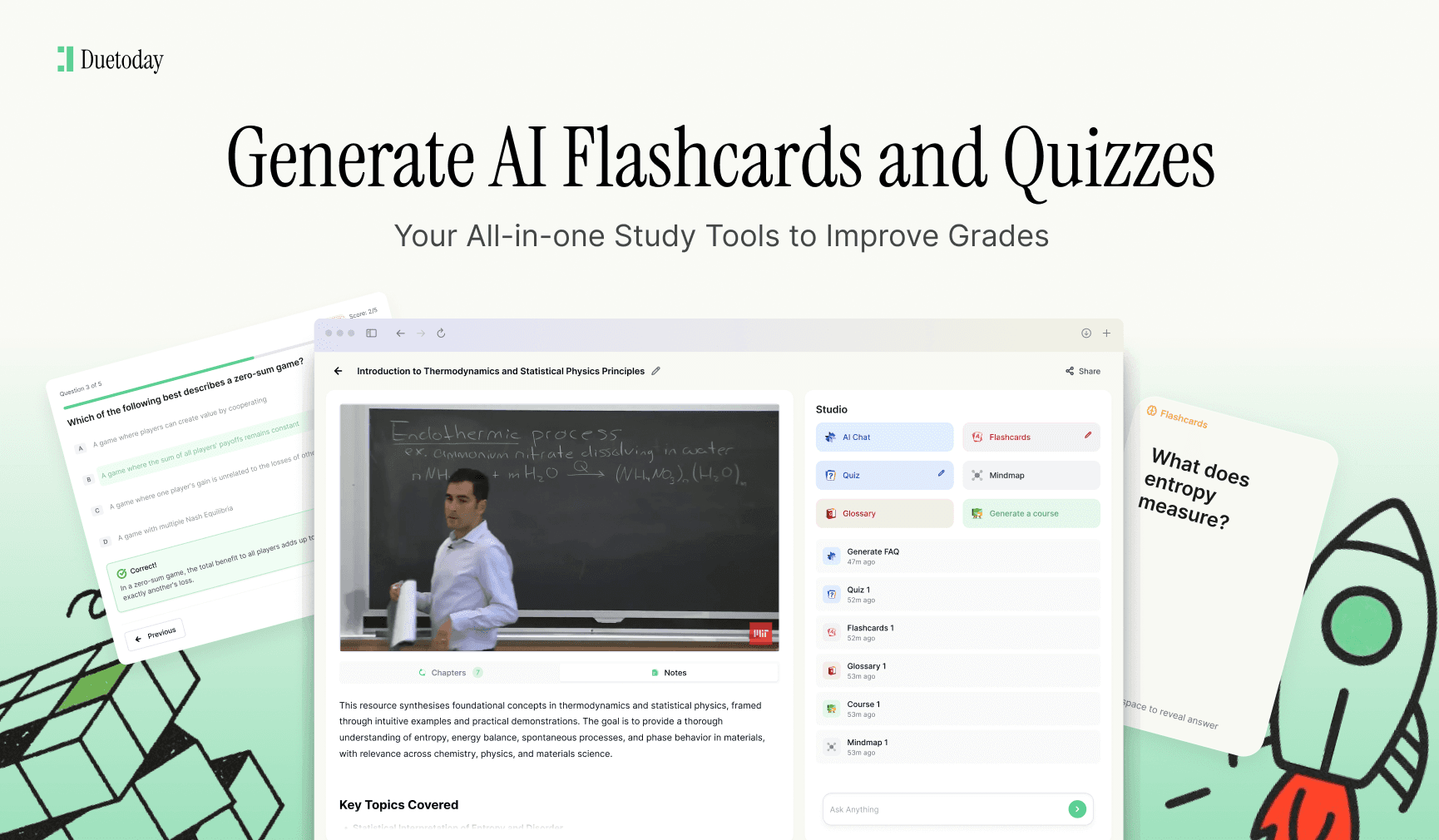
Staying organized is half the battle when trying to keep information fresh. Duetoday is an AI-powered learning platform that turns lectures, PDFs, and notes into summaries, flashcards, quizzes, and structured study tools automatically. It acts like a personalized AI tutor, helping students learn faster, stay organized, and retain information without spending hours rewriting notes. By automating the creation of study materials, you can focus on the actual process of active recall and spaced repetition, ensuring that the heavy lifting of memory work is handled efficiently and effectively.
Spaced Repetition: The Secret to Permanent Memory
Spaced repetition is the ultimate antidote to the forgetting curve. Instead of studying a topic for five hours in one day, you study it for thirty minutes across ten different days. This technique exploits the psychological spacing effect, where our brains learn more effectively when we spread out our reviews. By revisiting the material just as you are about to forget it, you reinforce the memory and make it more durable. This is why students who start their revision early often remember the material months after the course has ended compared to those who crammed over a weekend.
You can manage this by using a simple calendar or digital tools that prompt you to review specific topics at increasing intervals. For example, if you learn a new concept on Monday, review it on Tuesday, then again on Thursday, then the following Monday. This systematic approach ensures that you are constantly refreshing the oldest information in your mind, preventing it from fading away into the void of post-semester amnesia.
The Feynman Technique for Deep Understanding
Another incredible way to ensure you don't forget after an exam is to apply the Feynman Technique. This involves taking a complex subject and trying to explain it in the simplest terms possible, as if you were teaching it to a ten-year-old. When you simplify a concept, you quickly identify the gaps in your own understanding. If you find yourself using jargon or complex words that you can't quite explain, it means you haven't fully grasped the underlying logic yet.
By breaking down your coursework into simple analogies and clear narratives, you create hooks in your mind. These hooks allow you to hang new information onto things you already understand, making it much harder to lose that knowledge once the pressure of the exam is gone. It turns abstract facts into a cohesive story that your brain actually wants to keep around.
Building a Lifestyle for Better Memory
Finally, we cannot ignore the physical aspects of memory. Sleep is when your brain performs memory consolidation, moving information from the hippocampus to the neocortex. If you deprive yourself of sleep to study, you are essentially pouring water into a bucket with a giant hole in the bottom. Along with sleep, staying hydrated and managing stress are crucial. High levels of cortisol, the stress hormone, can actually inhibit the brain's ability to form long-term memories. Treat your brain like an elite athlete treats their body; give it the rest and nourishment it needs to perform at its peak during and after the exam season.
Why do I forget everything right after an exam?
This usually happens because of cramming, which stores information in short-term memory only. Without repeated exposure over time, the brain discards the data once the immediate need vanishes.
What is the most effective way to remember long-term?
Active recall combined with spaced repetition is scientifically proven to be the most effective method for moving information into long-term memory.
How can I make studying less boring so I stay focused?
Try using different formats like quizzes or teaching the material to a friend. Tools that automate study guides can also help reduce the repetitive manual work that leads to burnout.
Does sleep really affect my memory that much?
Yes, sleep is the period when your brain processes and stores what you learned during the day. Without it, your retention rates drop significantly.