How to Stay Mentally Healthy in University: A Full Guide

The Importance of Mental Wellness in Higher Education
University life is often painted as the best years of your life, filled with new friendships, late-night adventures, and intellectual growth. While this is true for many, the reality also includes significant pressure. Between keeping up with grades, managing a budget, and navigating social dynamics, it is easy for your mental health to take a backseat. Staying mentally healthy isn't just about avoiding burnout; it is about creating a lifestyle that allows you to thrive both in and out of the lecture hall.
The transition to university represents a massive shift in independence. For the first time, you are likely responsible for your own schedule, your own meals, and your own academic success. This level of freedom is exciting but can lead to a sense of overwhelm if you don't have the right coping strategies in place. Mental health starts with recognizing that you are a human being before you are a student. Your worth is not defined by a GPA or your ability to pull an all-nighter.
Establishing a Sustainable Daily Routine
One of the most effective ways to protect your mental health is to build a routine that feels grounding. When life gets chaotic, having certain 'anchors' in your day can reduce decision fatigue and anxiety. A routine doesn't have to be rigid or boring. It can be as simple as waking up at the same time most days, having a dedicated hour for movement, or ensuring you get enough natural light during the winter months. Consistency provides your brain with a sense of safety, which lowers cortisol levels throughout the day.
Furthermore, balancing your social life and study time is crucial. It is tempting to spend every waking hour in the library when finals approach, but isolation usually leads to diminished returns. Make time for at least one social interaction a day, even if it is just a quick coffee with a friend. These small moments of connection act as a buffer against the stress of academic competition.
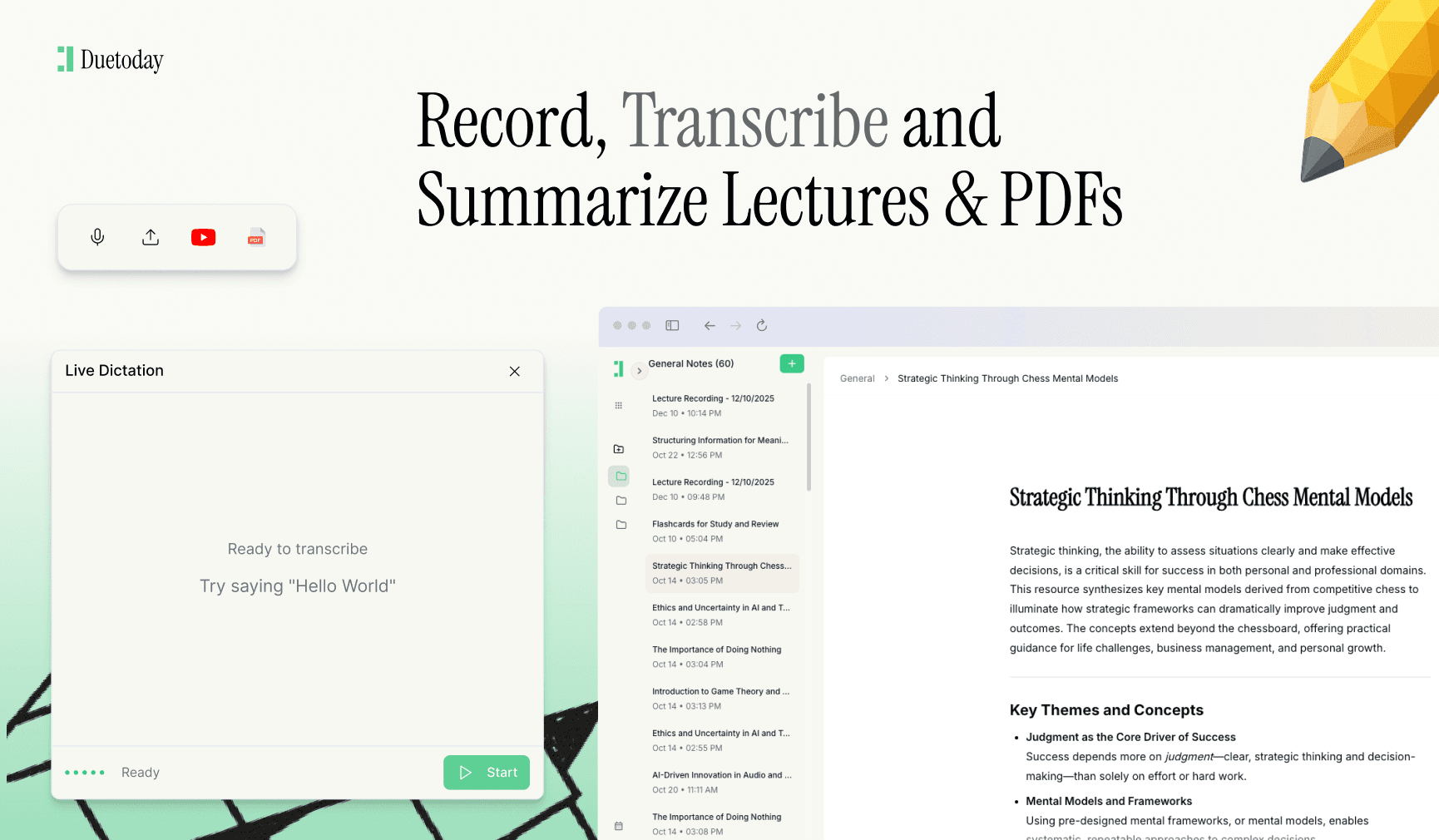
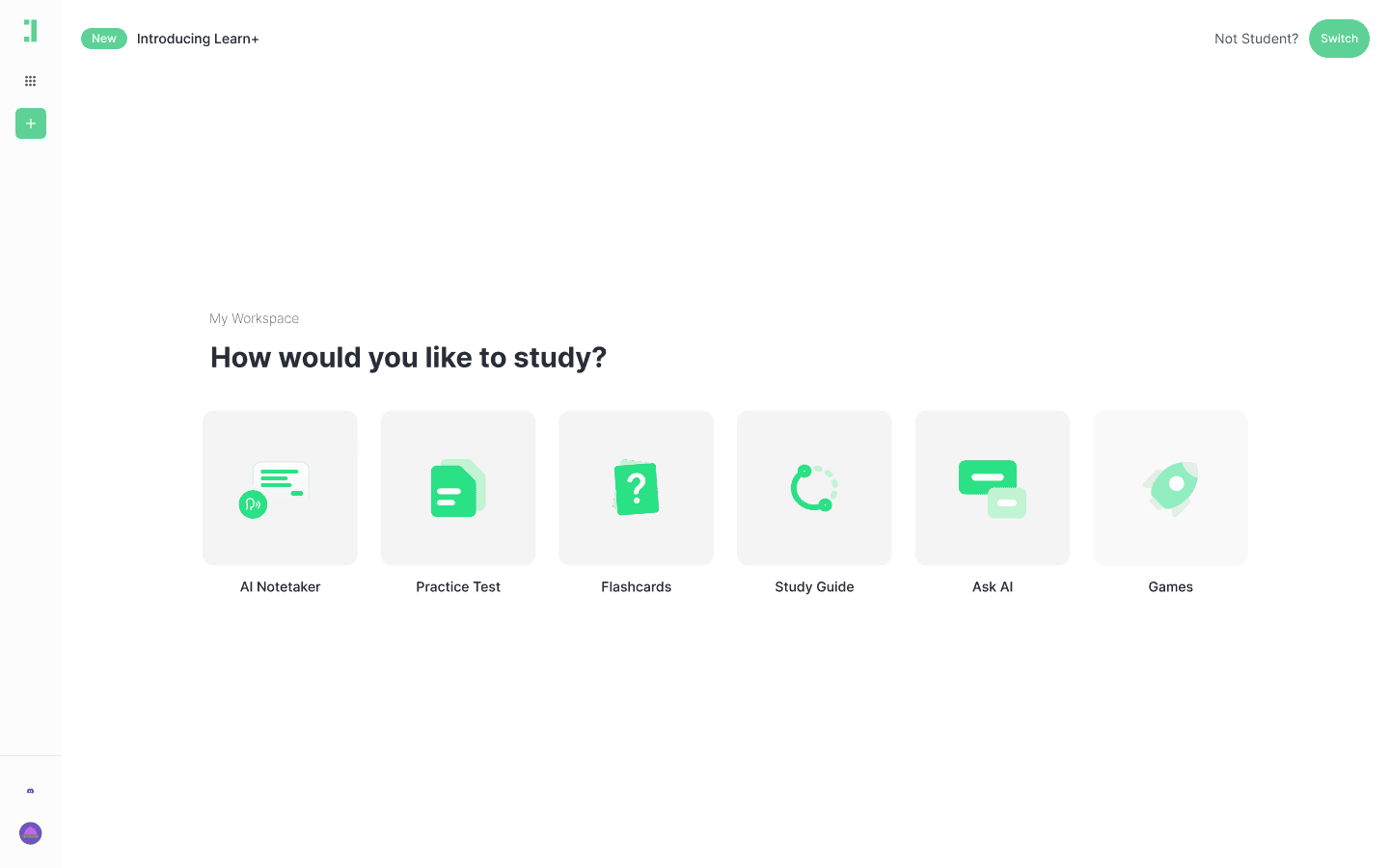
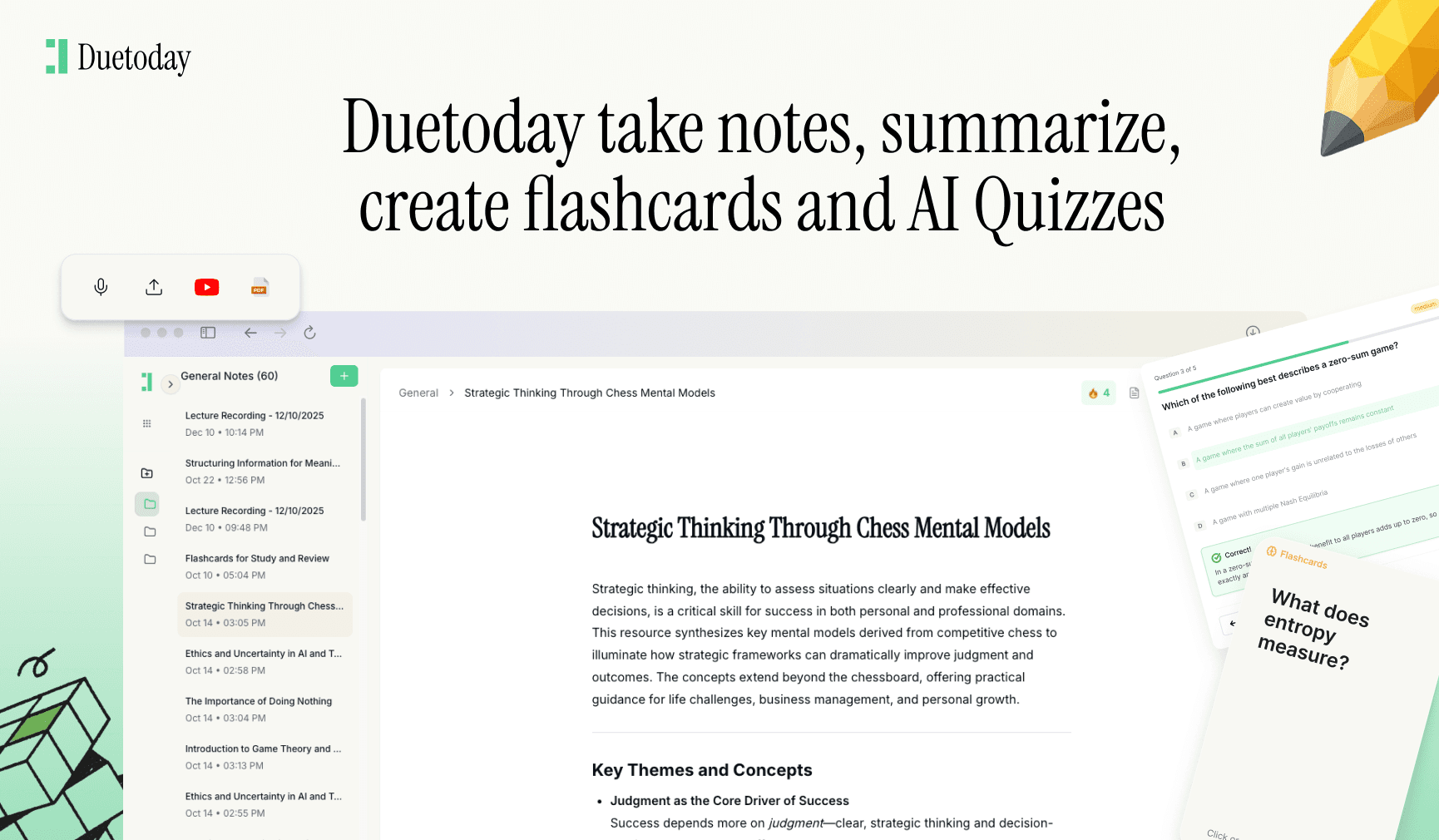
To make this balance easier to achieve, many students are turning to smart technology. Duetoday AI is an AI-powered learning platform that turns lectures, PDFs, and notes into summaries, flashcards, quizzes, and structured study tools automatically. It acts like a personalized AI tutor, helping students learn faster, stay organized, and retain information without spending hours rewriting notes. By letting an AI handle the repetitive parts of studying, you free up mental energy for self-care and relaxation.
Managing Academic Stress and Expectations
Academic pressure is perhaps the most significant contributor to mental health struggles in university. The fear of failure can be paralyzing, leading to procrastination and even more stress. The key is to break tasks down into manageable chunks. Rather than staring at a 3,000-word essay as one giant monster, view it as a series of small tasks: research, outlining, and drafting. Celebrating small wins helps maintain motivation and keeps anxiety at bay.
The Role of Physical Health in Mental Well-being
We often treat the mind and body as separate entities, but they are deeply interconnected. What you eat and how you move directly affects your mood. The university diet of instant noodles and energy drinks is a rite of passage, but it can wreak havoc on your brain chemistry. Try to incorporate whole foods, stay hydrated, and limit excessive caffeine, which can mimic the physical symptoms of anxiety. Exercise is also a natural antidepressant; even a twenty-minute walk around campus can clear a foggy mind and improve your sleep quality.
Building a Support System on Campus
You don't have to navigate University life alone. Building a support system is one of the most resilient things you can do. This includes friends, family, and faculty members, but it also includes professional resources. Most universities offer free counseling services, wellness workshops, and peer support groups. There is no shame in seeking help before a situation reaches a crisis point. Talking to a therapist can provide you with tools to manage stress that will serve you long after you graduate.
Social media can often make it feel like everyone else is having a perfect time while you are struggling. Remember that most people only post their highlight reels. If you find yourself doom-scrolling and feeling inadequate, it might be time for a digital detox. Focus on real-life connections and hobbies that have nothing to do with your degree. Whether it is joining a sports club, a gaming society, or a volunteering group, these outlets provide a sense of belonging and purpose outside of academics.
Setting Boundaries for Your Time and Energy
Learning to say 'no' is a superpower in university. Between club meetings, parties, and extra credit opportunities, your schedule can fill up fast. Over-committing is a fast track to exhaustion. It is okay to skip a night out because you need sleep, and it is okay to pass on a leadership role if your plate is already full. Boundaries protect your peace and ensure that when you do show up, you are doing so with full energy and focus.
Sleep hygiene is another area where boundaries are essential. The culture of bragging about how little sleep you got is toxic. Your brain processes information and regulates emotions while you sleep. Aiming for 7 to 9 hours of rest is not a luxury; it is a fundamental requirement for mental health. Try to put your phone away at least thirty minutes before bed to allow your mind to wind down from the blue light and information overload.
Practicing Self-Compassion and Mindfulness
Finally, be kind to yourself. You are learning how to be an adult in a high-pressure environment. There will be days when you aren't productive, and that is perfectly fine. Practicing mindfulness—the act of being present in the moment without judgment—can help reduce the cycle of negative self-talk. Whether through meditation apps, deep breathing exercises, or simple journaling, finding a way to check in with yourself daily is vital. Reflect on what you are grateful for and acknowledge the hard work you are putting in every single day.
In conclusion, staying mentally healthy in university is an ongoing process of trial and error. By prioritizing your physical health, utilizing tools like Duetoday AI to manage your workload, and fostering strong social connections, you can navigate your degree with your well-being intact. Remember that your health is your greatest asset, and taking care of it is the smartest investment you can make for your future career and happiness.

What are the signs of university burnout?
Common signs include chronic fatigue, a lack of motivation, feeling cynical about your studies, and physical symptoms like headaches or stomach issues. If you find yourself unable to concentrate or losing interest in things you once enjoyed, it might be time to take a break.
How can I manage exam anxiety?
Preparation is key, but so is physical regulation. Use deep breathing techniques during the exam, ensure you have eaten a balanced meal beforehand, and try to visualize a positive outcome. Breaking your study sessions into small, timed intervals can also make the task feel more approachable.
Are university counseling services private?
Yes, university counseling services are generally confidential. They are there to provide a safe space for students to discuss their mental health without fear of it affecting their academic records. Always check with your specific institution for their privacy policies.
How can I make friends if I am shy?
Joining societies or clubs based on your interests is the best way to meet like-minded people. Activities provide a natural icebreaker, and because you share a common interest, conversation usually flows more easily than in a random social setting.