How to Write an Essay Step by Step: The Ultimate Student Guide
Mastering the Art of Essay Writing
Writing an essay often feels like a daunting mountain to climb, especially when you are staring at a blank document at 2 AM. However, university-level writing is less about raw talent and more about following a structured process. Whether you are tackling a short reflection or a complex research paper, breaking the task into manageable steps is the secret to getting high grades without the typical stress that comes with deadlines.
The first step in any successful essay is understanding the prompt. Take the time to deconstruct exactly what your professor is asking. Are you being asked to analyze, compare, evaluate, or simply describe? Missing the core objective of the assignment is the most frequent reason students lose marks, regardless of how well their prose is written. Look for keywords and instruction verbs that dictate the direction of your arguments.
Conducting Efficient Research
Once you understand the brief, it is time to gather your evidence. In the digital age, we have access to more information than ever, which can ironically make research harder. Stick to academic databases, peer-reviewed journals, and library resources. As you read, keep a running bibliography. Nothing is more frustrating than finding a perfect quote but forgetting which PDF it came from. Take notes that summarize the key points in your own words to avoid accidental plagiarism later on.
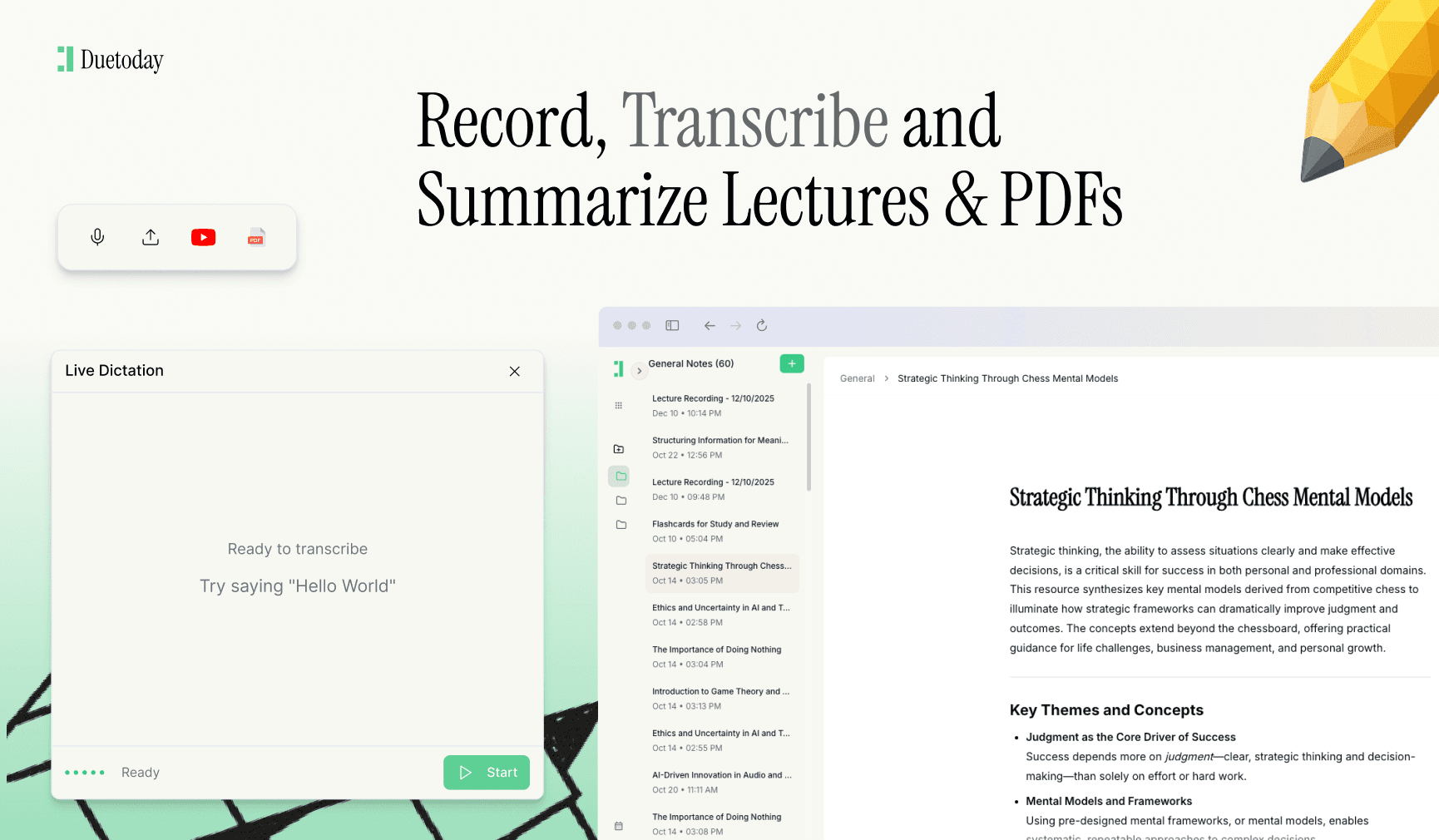
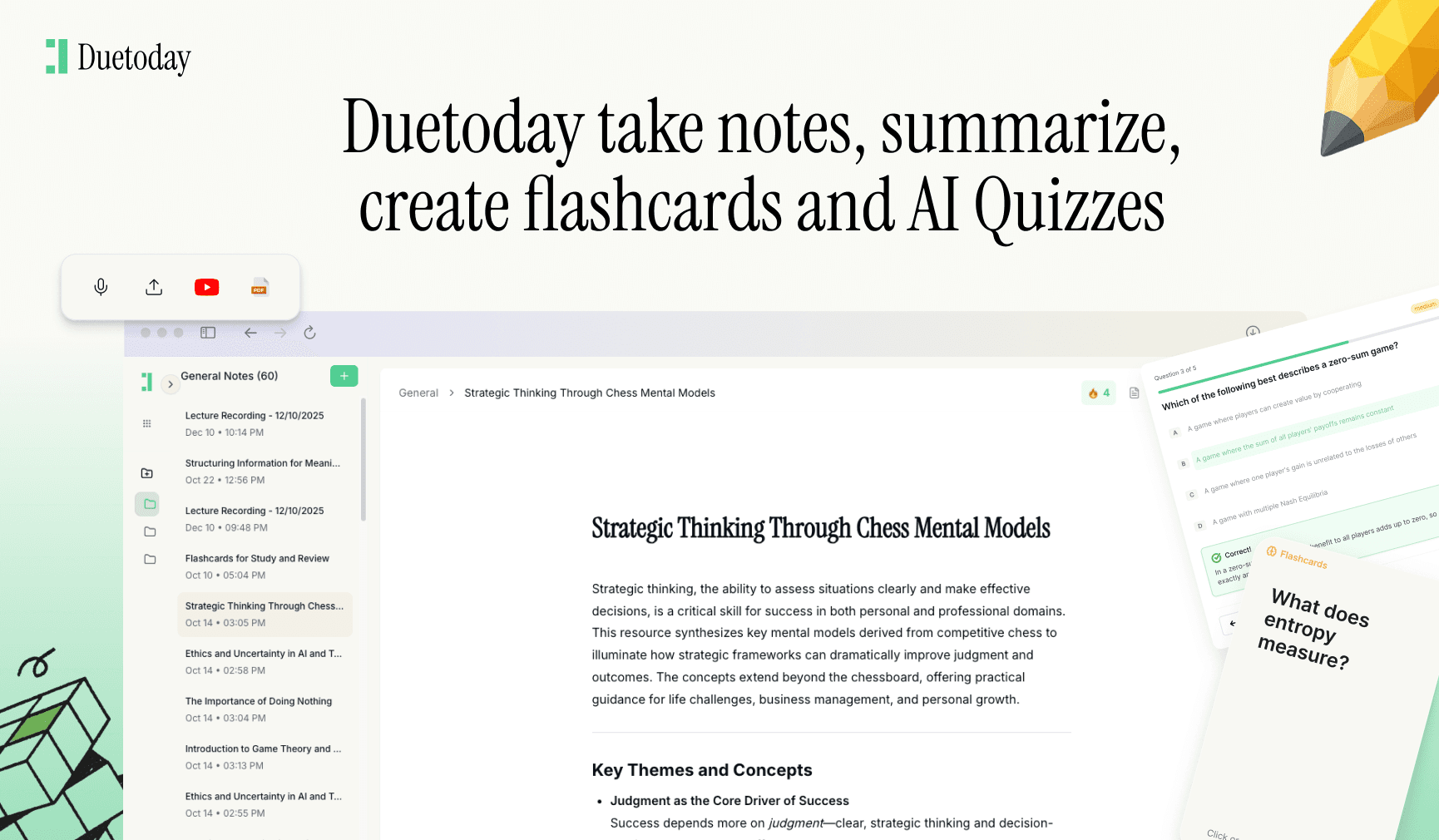
If you find yourself overwhelmed by dozens of lecture slides and long-winded chapters, Duetoday AI can be a total lifesaver. This AI-powered learning platform automatically turns your complex lectures and dense PDFs into clear summaries and structured study tools. It functions like a personal AI tutor, helping you grasp the core concepts of your research material quickly so you can spend more time actually writing and less time feeling lost in your notes.
Creating a Solid Outline
Many students skip the outlining phase, but it is actually the most important step for maintaining a logical flow. An outline acts as a roadmap for your thoughts. Start with a working thesis statement that summarizes your main argument in one or two sentences. Then, list your main body paragraphs. Each paragraph should focus on a single core idea that supports your thesis. By planning this out beforehand, you ensure that your essay has a cohesive structure rather than being a collection of random thoughts.
Writing the Introduction
Your introduction sets the tone for the entire paper. Start with a hook that engages the reader, followed by some general background information about the topic. The introduction should gradually narrow down until it hits your thesis statement at the end of the paragraph. Think of it as a funnel that leads your reader directly into your main argument. Avoid overly broad clichés like In today's society or Since the dawn of time; keep it focused and academic.
Developing the Body Paragraphs
The body of your essay is where you build your case. A good rule of thumb is the TEEL structure: Topic sentence, Explanation, Evidence, and Link. Start each paragraph by stating the main point, explain why that point matters, provide a piece of evidence or a quote from your research, and then link it back to your overall thesis. This ensures that every paragraph serves a purpose and strengthens your central argument. Paragraphs should flow logically into one another using transitional phrases to guide the reader through your thought process.
Crafting a Strong Conclusion
The conclusion is your final chance to leave an impression. Instead of simply repeating what you have already said, you should synthesize your points. Remind the reader of your thesis and summarize how the evidence you provided supports it. Finish with a concluding thought that looks at the bigger picture or suggests future areas of research. A strong conclusion should make the reader feel that your argument is complete and well-supported.
Polishing and Proofreading
The first draft is never the final draft. After finishing, step away from your computer for at least a few hours. When you return with fresh eyes, you will be much better at spotting grammatical errors or clunky phrasing. Read your essay out loud; if you find yourself running out of breath, your sentences are likely too long. Check your citations one last time to ensure they follow the required style guide, whether it is APA, MLA, or Harvard. Attention to detail in the final stages can be the difference between a B and an A.

How long should my essay introduction be?
Typically, an introduction should be about 10% of your total word count. For a 2,000-word essay, aim for around 200 words.
What is a thesis statement?
A thesis statement is a concise summary of the main point or claim of your essay. it usually appears at the end of your introduction.
How do I avoid plagiarism?
Always cite your sources for direct quotes and paraphrased ideas. Using tools to organize your research can also help you keep track of where information came from.
Can I use AI to help with my essay?
AI should be used as a research and study aid. Tools like Duetoday AI help you summarize materials and understand topics, making the writing process much smoother.