How to Write a Strong Conclusion

The Importance of a Strong Closing Argument
Stepping into the final paragraph of an essay often feels like the hardest part of the entire writing process. You have spent hours researching, drafting body paragraphs, and citing sources, but now you face the challenge of wrapping it all up without sounding repetitive. A strong conclusion is more than just a summary of what you have already said; it is your final opportunity to convince your reader—usually your professor or TA—that your argument is valid and significant. In the high-stakes environment of university grading, a weak ending can dilute a brilliant essay, while a powerful one can elevate a mediocre paper to a top-tier grade.
Think of your conclusion as the closing statement in a courtroom. You are not introducing new evidence, but you are synthesizing everything the jury has heard to make a final, compelling case. For university students, this means moving beyond the basic 'repeat the intro' technique learned in high school and instead focusing on the 'so what?' factor. You want your reader to finish the last sentence feeling like they have gained a new perspective or a deeper understanding of the subject matter.
Restating Your Thesis with a Twist
The first step in any effective conclusion is restating your thesis statement. However, a common mistake students make is simply copying and pasting the sentence from the introduction. To make your writing more sophisticated, you should rephrase your central argument in a way that reflects the evidence you have presented in the body of the paper. Use different vocabulary and a varied sentence structure to show how your position has evolved through the analysis provided in your essay.
By the time a reader reaches the end of your work, they should have a much clearer picture of your topic than they did at the start. Therefore, your restated thesis should feel more earned and authoritative. It serves as a bridge between the detailed evidence you just provided and the broader implications of your study.
Summarizing Your Main Points Effectively
After revisiting the thesis, you need to bring together the main threads of your argument. This isn't about listing every single point you made, but rather showing how those points connect to support your overall conclusion. You want to highlight the synergy between your various arguments. Transitions are key here; instead of using clunky phrases like 'In conclusion,' try using more natural connectors that guide the reader through your final thoughts smoothly.
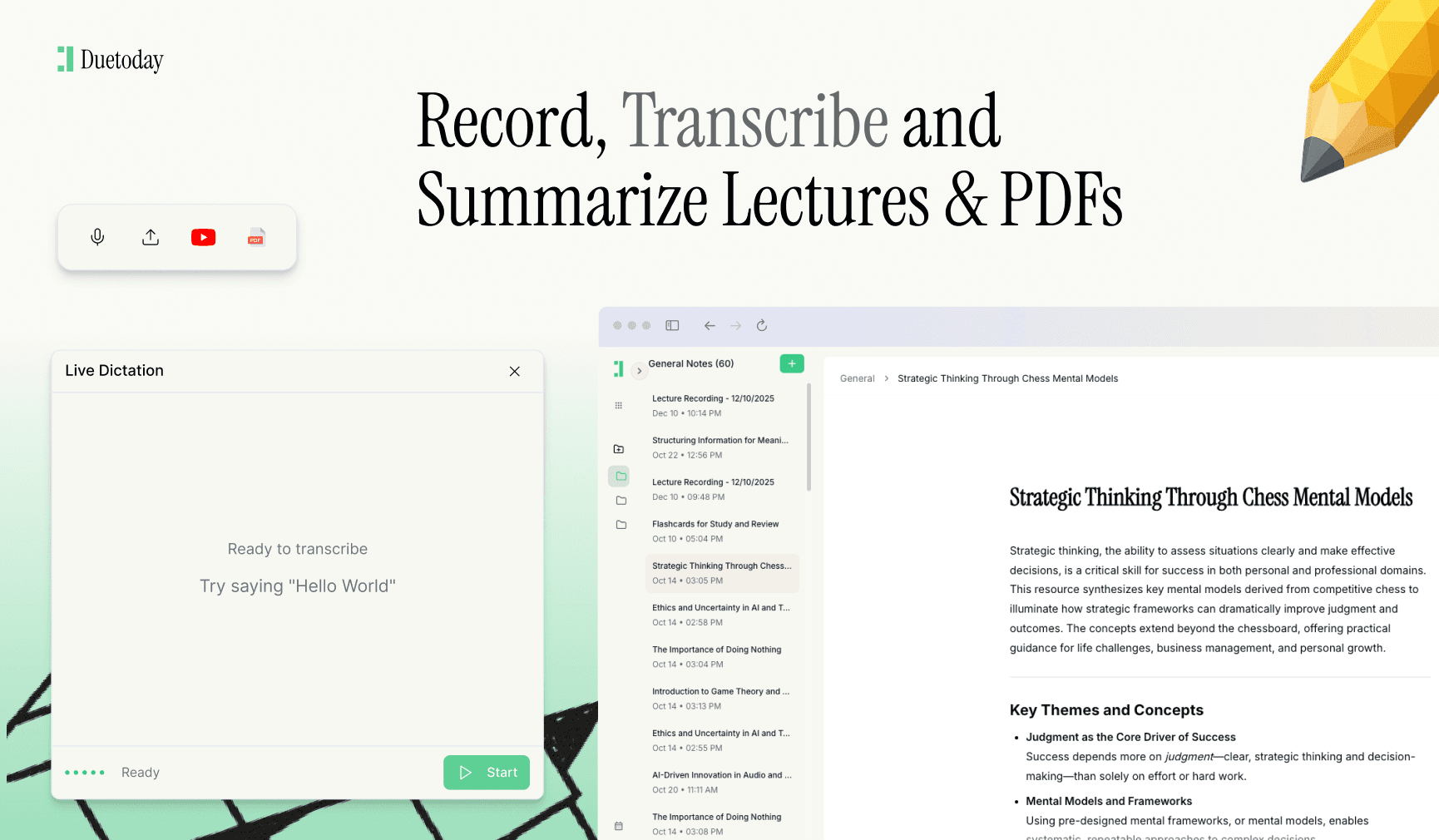
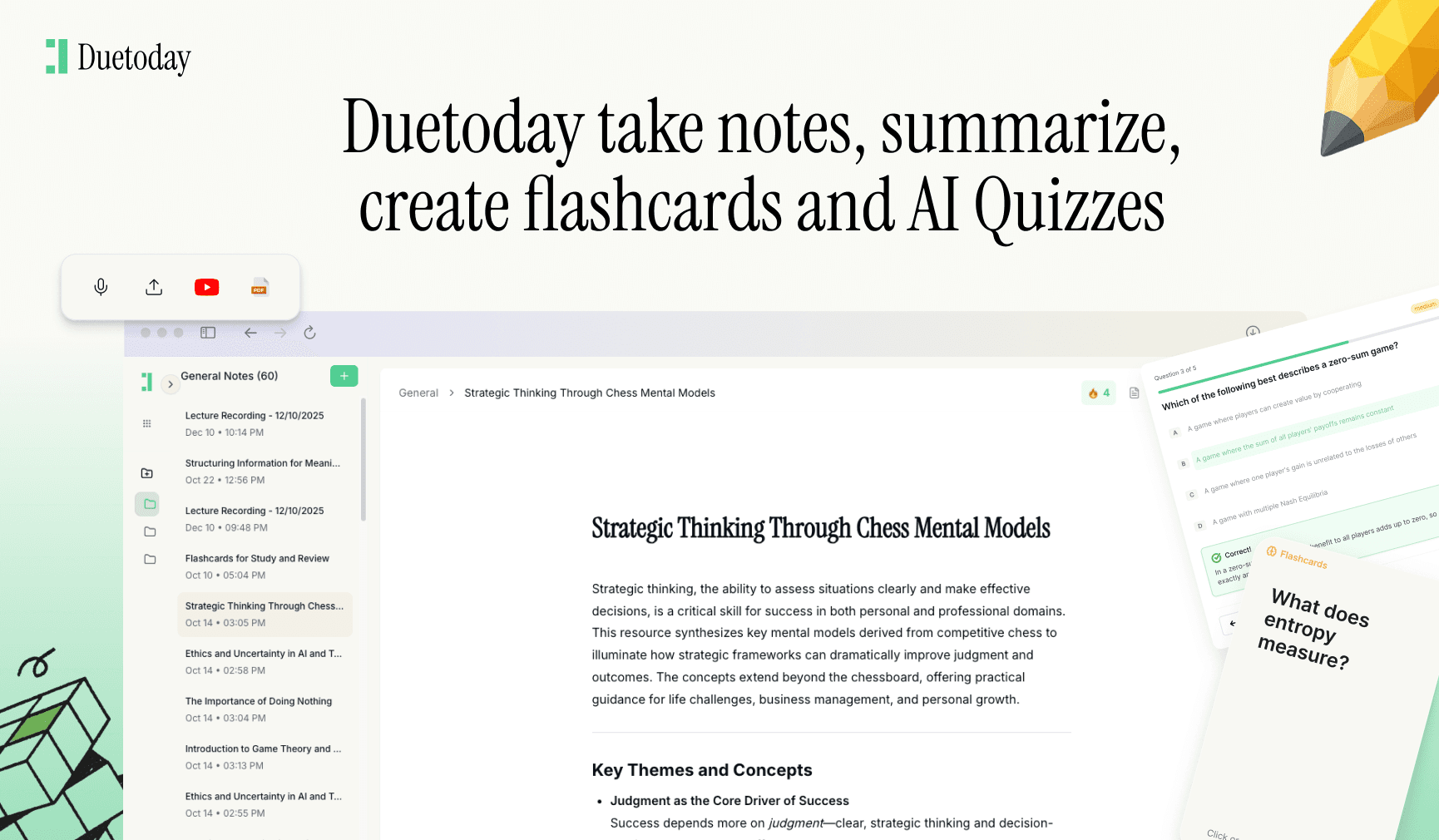
During this stage of the writing process, many students feel overwhelmed by the sheer volume of notes and drafts they have accumulated. This is where Duetoday AI becomes an essential tool for the modern student. Duetoday is an AI-powered learning platform that turns lectures, PDFs, and notes into summaries, flashcards, quizzes, and structured study tools automatically. It acts like a personalized AI tutor—helping students learn faster, stay organized, and retain information without spending hours rewriting notes. By using it to organize your initial research, you can much more easily identify the core themes that belong in your summary paragraph.
Answering the So What Question
The core of a university-level conclusion is answering the 'so what?' question. This is where you explain the broader implications of your work. Why does your argument matter in the real world? How does it contribute to the existing academic conversation? If you are writing about a historical event, you might discuss its long-term impact on modern society. If you are writing about a scientific process, you might mention future areas of research that are now possible because of your findings.
This section allows you to zoom out from the specific details of your essay to the bigger picture. It gives your work a sense of purpose and relevance that extends beyond the classroom. It is often the difference between a paper that simply meets the requirements and one that truly impresses the person marking it.
What to Avoid in Your Conclusion
Just as important as knowing what to include is knowing what to leave out. One of the most common pitfalls is introducing entirely new information or arguments in the final paragraph. If a point is important enough to mention, it belongs in the body of your essay where it can be properly supported with evidence. Introducing new ideas at the end only serves to confuse the reader and leaves your argument feeling unfinished.
Additionally, avoid using apologetic language. Phrases like 'I may be wrong, but' or 'This is just my opinion' undermine your authority as a writer. Even if you feel uncertain about your topic, your writing should remain confident and assertive. Finally, try to avoid overused cliches. Ending with a quote can be effective, but only if it is deeply relevant and adds something unique to your closing thoughts.
The Final Sentence: Leaving a Lasting Impression
Your very last sentence is the one that will stick in the reader's mind the most. Aim for a 'clincher'—a sentence that provides a sense of closure and finality. This could be a call to action, a provocative question, or a strong statement about the future of the topic. It should feel like the natural end of the journey you have taken the reader on. When you get this right, you leave the marker feeling satisfied and convinced by your academic prowess.
Writing a strong conclusion takes practice, but once you master the structure of restating, summarizing, and synthesizing the broader implications, it becomes a much more manageable task. Remember to give yourself enough time for the editing phase, as the conclusion often needs several tweaks to reach its full potential in terms of tone and clarity.

How long should an essay conclusion be?
Typically, a conclusion should be about 10% to 15% of your total word count. For a standard 1,500-word essay, this means your conclusion should be roughly 150 to 200 words long.
Can I use a quote in my conclusion?
Yes, you can use a quote if it perfectly encapsulates your main argument or provides a powerful final thought. However, ensure you still explain why that quote is relevant to your summary.
Is it okay to use In conclusion to start the paragraph?
While not grammatically wrong, it is often seen as a bit basic for university writing. Try more sophisticated transitions like Altogether, Ultimately, or Given these facts to guide your reader.
Should I include citations in the conclusion?
Generally, no. The conclusion is for your own synthesis and analysis. If you find yourself needing to cite a source, you are likely introducing new evidence, which should be moved to the body paragraphs.