How to Use Flashcards Apps Effectively to Ace Your Exams

The Science Behind Why Flashcards Work
University life is a constant race against the clock. Between back-to-back lectures, social commitments, and part-time jobs, finding time to study effectively is the ultimate challenge. This is where flashcards come in. But we are not talking about the old-school paper cards that get lost in your bag. Digital flashcard apps have revolutionized how students retain information by leveraging two powerful psychological principles: active recall and spaced repetition. When you use a flashcard app, you are not just passively reading a textbook; you are forcing your brain to retrieve information from memory, which strengthens neural pathways and makes the knowledge stick long-term.
To get the most out of these digital tools, you need to understand that productivity is not about how many hours you spend staring at a screen, but how you use that time. Most students make the mistake of creating hundreds of cards and trying to cram them all in one night. This approach leads to burnout and poor retention. Instead, the goal should be to create high-quality cards that challenge your understanding. By breaking down complex subjects into bite-sized, digestible pieces of information, you make it easier for your brain to process and store data. This method is especially effective for subjects that require heavy memorization, such as medicine, law, or languages.
Setting Up Your Digital Deck for Success
Before you start typing away, you need a strategy. The first rule of effective flashcard use is the Principle of Atomic Information. Each card should contain only one discrete idea or question. If a card is too busy with multiple facts, your brain might remember part of the answer but not the whole thing, leading to a false sense of security. Keeping cards simple ensures that your active recall is sharp and focused. Use clear headings and avoid long-winded sentences. The faster you can read and process a card, the more cards you can review efficiently during those small gaps in your day, like when you are waiting for a bus or a coffee.
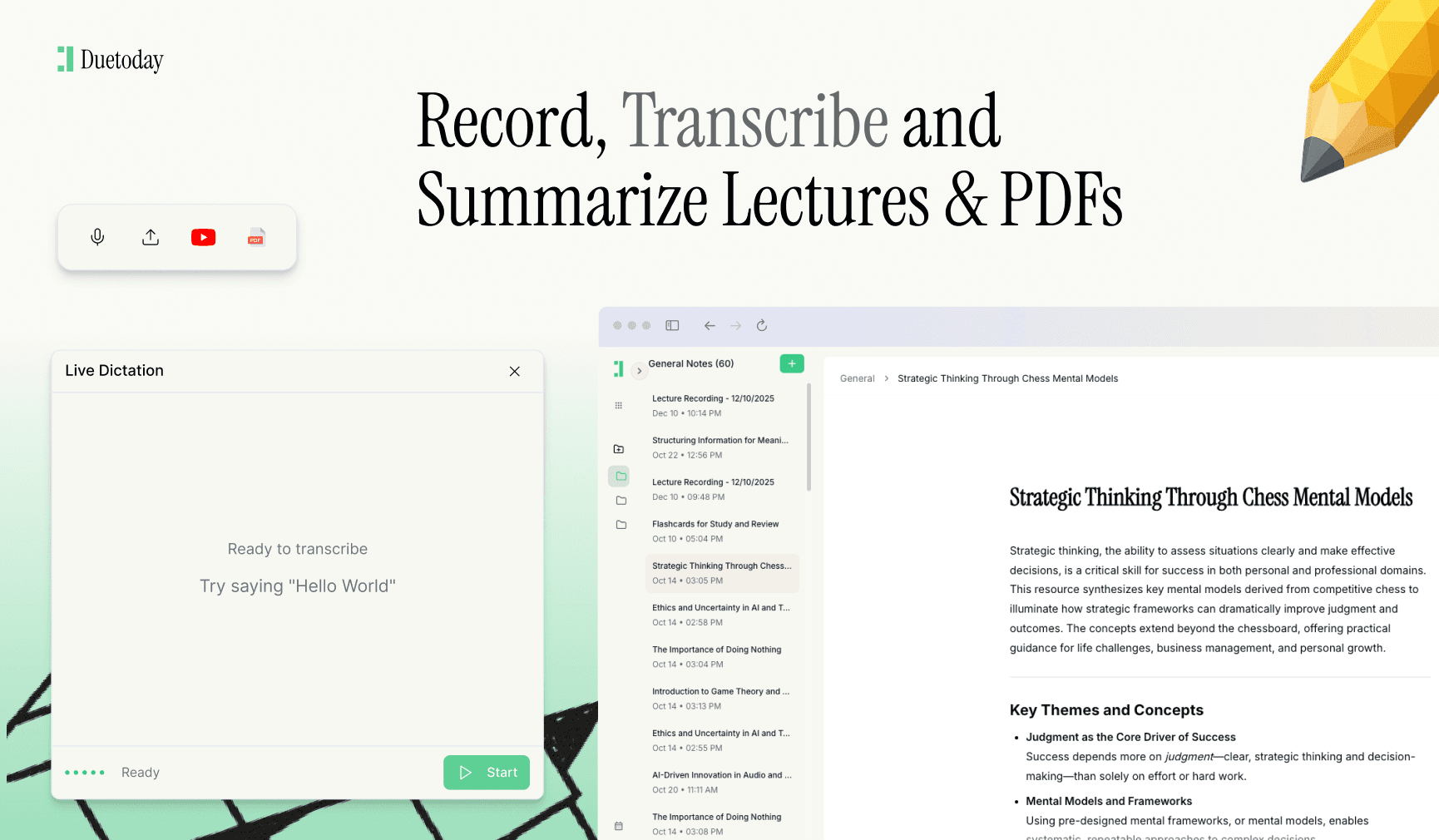
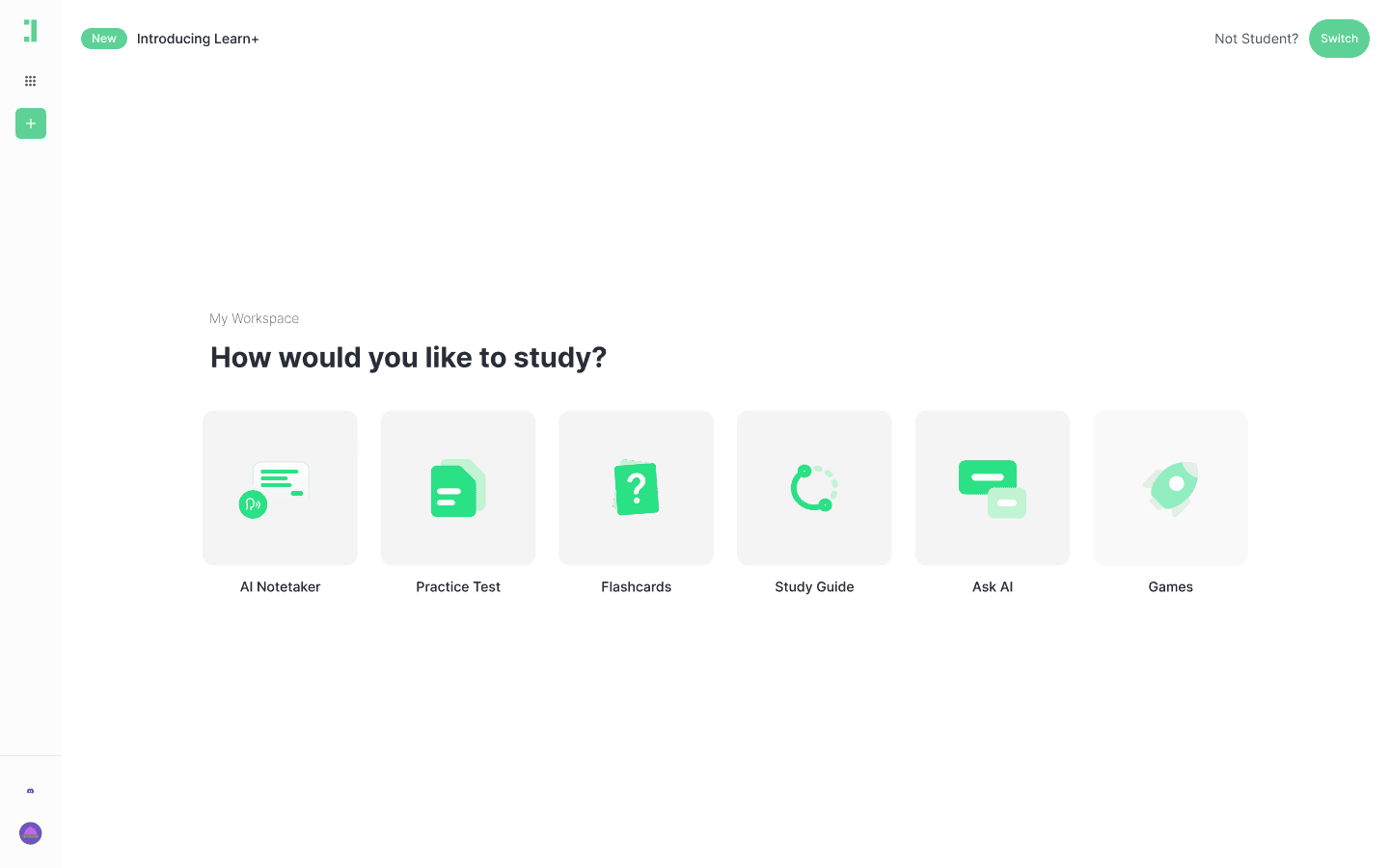
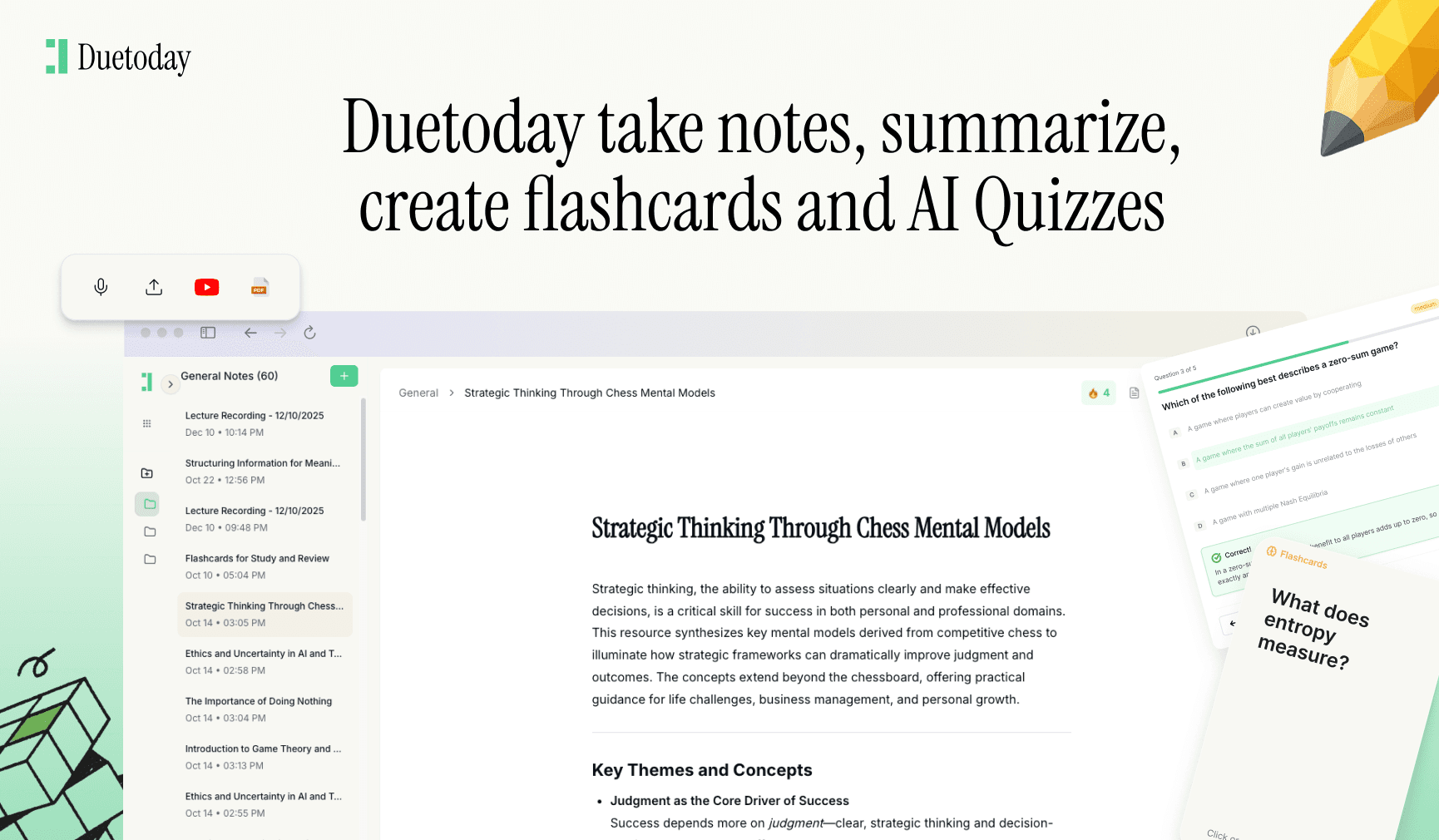
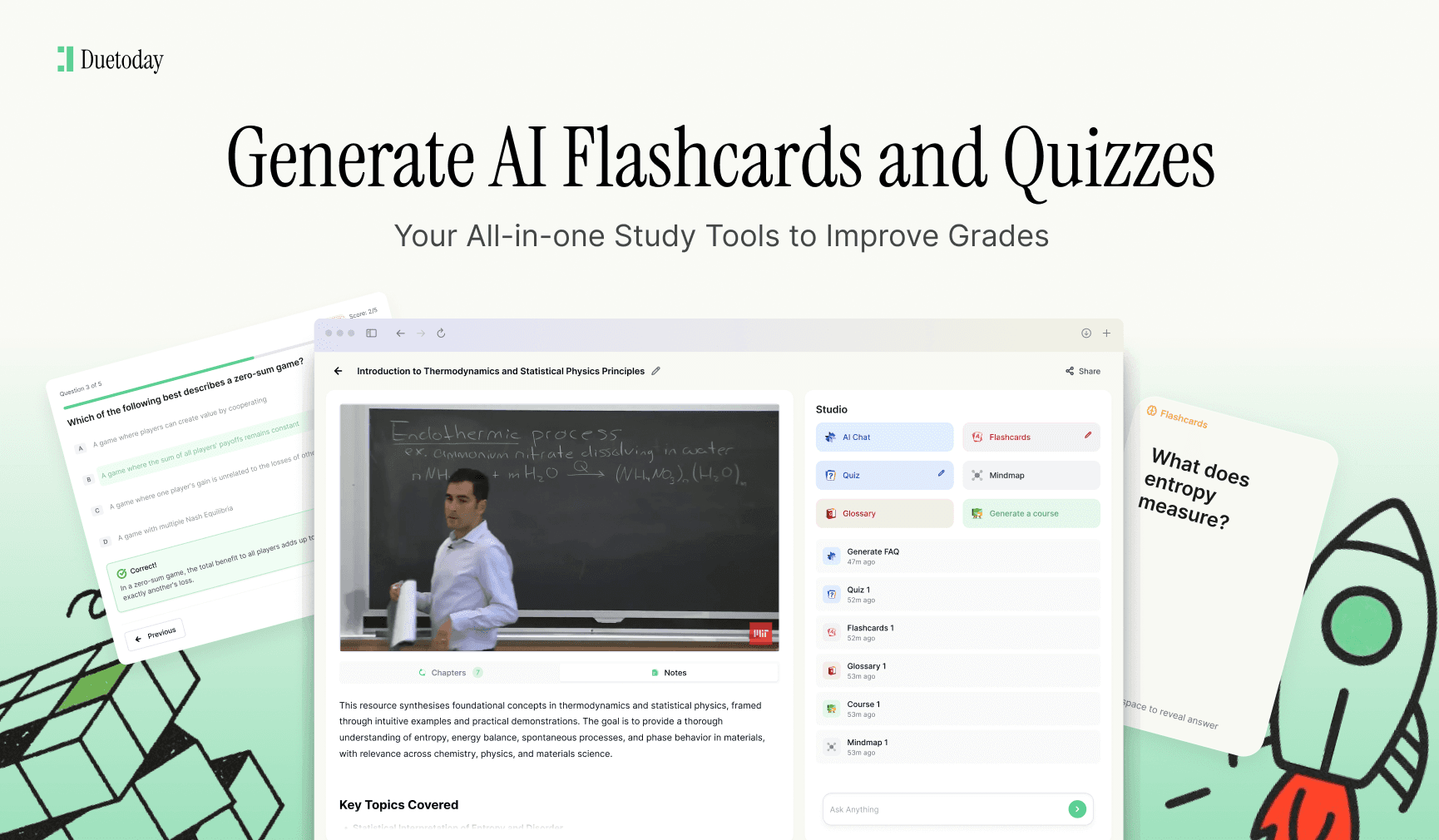
For students who find the process of creating cards tedious, Duetoday AI offers a seamless solution. Creating flashcards manually can take hours that you simply do not have. Duetoday AI is an AI-powered learning platform that turns your lecture recordings, PDFs, and messy notes into structured study tools like flashcards and summaries automatically. It acts like a personalized AI tutor, helping you learn faster and stay organized without the manual labor of data entry. By letting the AI handle the organization, you can spend your energy on the actual learning and retention process, ensuring you are always prepared for your next seminar or exam.
Integrating Visuals and Content Variety
Many students rely solely on text, but our brains are wired to process visual information much faster than words. Most modern flashcard apps allow you to attach images, diagrams, or even audio clips to your cards. If you are studying anatomy, a picture of a muscle group is far more effective than a paragraph describing it. For language learners, hearing the pronunciation while seeing the word helps build multisensory connections. Don't be afraid to get creative with your decks. Use mnemonics, funny associations, or even memes to make the information more memorable. The more unique a card is, the more likely it is to stand out in your memory during a high-pressure exam situation.
Mastering the Spaced Repetition Schedule
The real magic of flashcard apps lies in their algorithms. Most apps use a system called Spaced Repetition (SRS), which schedules your reviews at increasing intervals. If you get a card right, you see it less often; if you get it wrong, you see it more frequently. To make this work, consistency is more important than intensity. Spending fifteen minutes every day reviewing your cards is significantly more effective than a five-hour marathon once a week. This constant drip-feed of information prevents the forgetting curve from taking hold, ensuring that the material stays fresh in your mind throughout the semester rather than just for the duration of a cram session.
Another tip for university students is to review your cards in different environments. Context-dependent memory suggests that if we only study in a quiet library, we might struggle to recall information in a noisy exam hall. By using your mobile flashcard app in different settings—at the gym, in a cafe, or even while walking—you train your brain to retrieve information regardless of your surroundings. This builds mental flexibility and confidence, knowing that you truly know the material inside and out, no matter where you are or how stressed you might feel.
Avoiding Common Flashcard Pitfalls
It is easy to fall into the trap of 'recognition' versus 'recollection.' Recognition is when you look at the back of a card and think, "Oh yeah, I knew that." Recollection is being able to produce the answer before looking. To avoid this, always say your answer out loud or write it down before flipping the card. This physical action prevents you from cheating yourself and ensures that you are truly engaging in active recall. Additionally, don't be afraid to retire cards once you have mastered them. If you have gotten a card right ten times in a row over several months, move it to an 'archived' deck to keep your current study sessions lean and focused on the material you still find challenging.
Finally, remember that flashcards are a supplement to, not a replacement for, deep understanding. You should always try to understand the 'why' behind a concept before you commit it to a card. Flashcards are perfect for facts, definitions, formulas, and dates, but for complex theoretical arguments, you should use them to memorize the key pillars of the theory rather than the entire essay. By combining deep conceptual study with the efficiency of digital flashcards, you create a robust academic toolkit that will serve you well throughout your university career and beyond. Start building your cards early in the term, stay consistent with your reviews, and watch your grades improve with significantly less stress.
Can I use flashcards for every subject?
While flashcards are best for subjects requiring memorization like biology, languages, or law, they can be adapted for any subject by focusing on key terms, formulas, and core concepts.
How many flashcards should I study a day?
It is better to focus on the cards your app's algorithm suggests. Aim for 20-50 new cards daily, but prioritize finishing your review pile to maintain the spaced repetition cycle.
Is it better to make my own cards or download premade ones?
Making your own cards is generally more effective because the process of creation is a form of learning. However, using tools like Duetoday AI can help you generate high-quality cards from your specific lecture notes quickly.
Should I use images on my digital flashcards?
Yes, adding visuals helps with memory encoding and makes the cards more engaging, which reduces study fatigue during long sessions.