
How to Survive Your First Year of University

The Transition to University Life
Starting your first year of university is one of the most exciting yet nerve-wracking milestones you will ever experience. It is a season of complete transformation where you shift from the structured environment of high school into a world of independence, responsibility, and endless possibilities. Many students enter campus with a mix of adrenaline and anxiety, wondering if they will make friends or keep up with the workload. The key to surviving and actually thriving in this new chapter is preparation and a willingness to step outside your comfort zone.
Building Your Social Circle Early
One of the biggest fears for freshmen is the prospect of being lonely. However, it is important to remember that almost everyone is in the same boat. During the first few weeks, known as Freshers' Week or Orientation, people are more open to meeting new friends than at any other time. Don't spend all your time in your dorm room. Leave your door propped open, hang out in common areas, and strike up conversations in the dining hall. Joining clubs or societies that align with your interests is perhaps the most effective way to find your tribe. Whether it is a sports team, a debating society, or a niche gaming group, these communities provide an instant social structure.
Mastering the Art of Time Management
In university, nobody is going to wake you up for class or remind you that an assignment is due. The sudden influx of free time can be a trap. It is easy to spend all afternoon scrolling through social media, only to realize at midnight that you have a mountain of reading to do. To stay ahead, you need a system. Content creators and high-achieving students often swear by digital calendars or planners. Break your day into blocks, ensuring you allocate time for lectures, independent study, exercise, and socializing. By treating your studies like a full-time job during the day, you free up your evenings for guilt-free fun.
The Role of Technology in Modern Learning
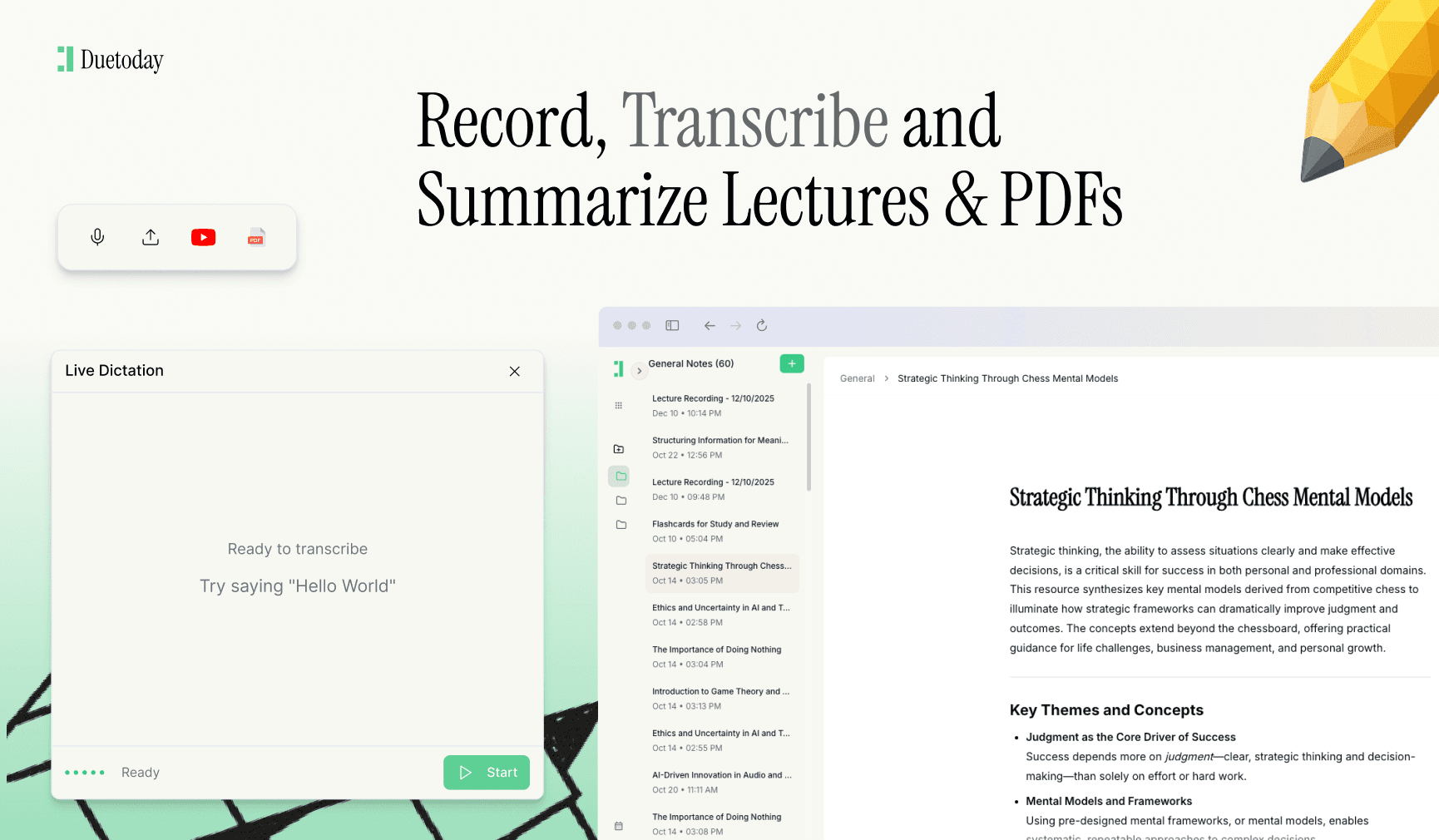
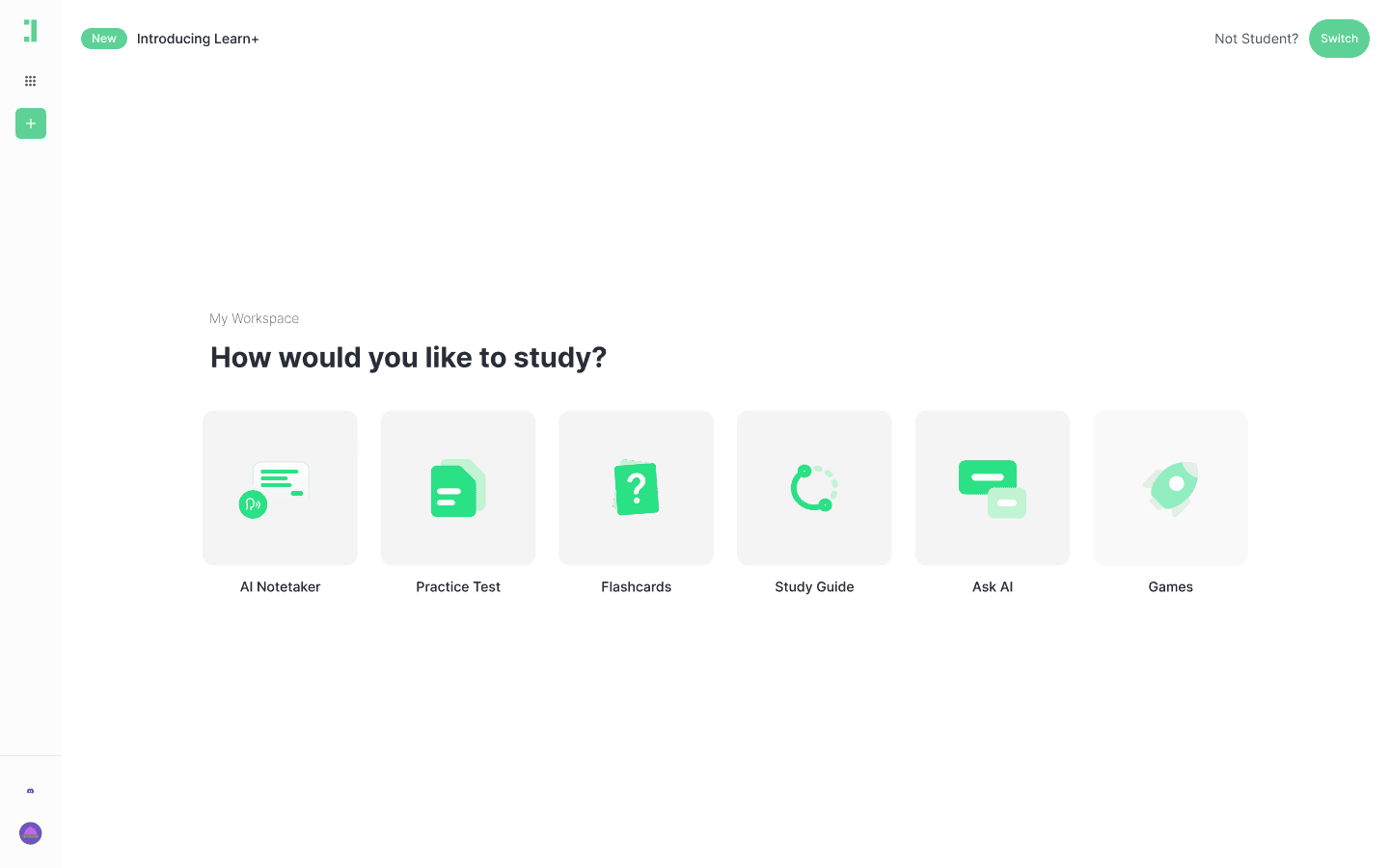
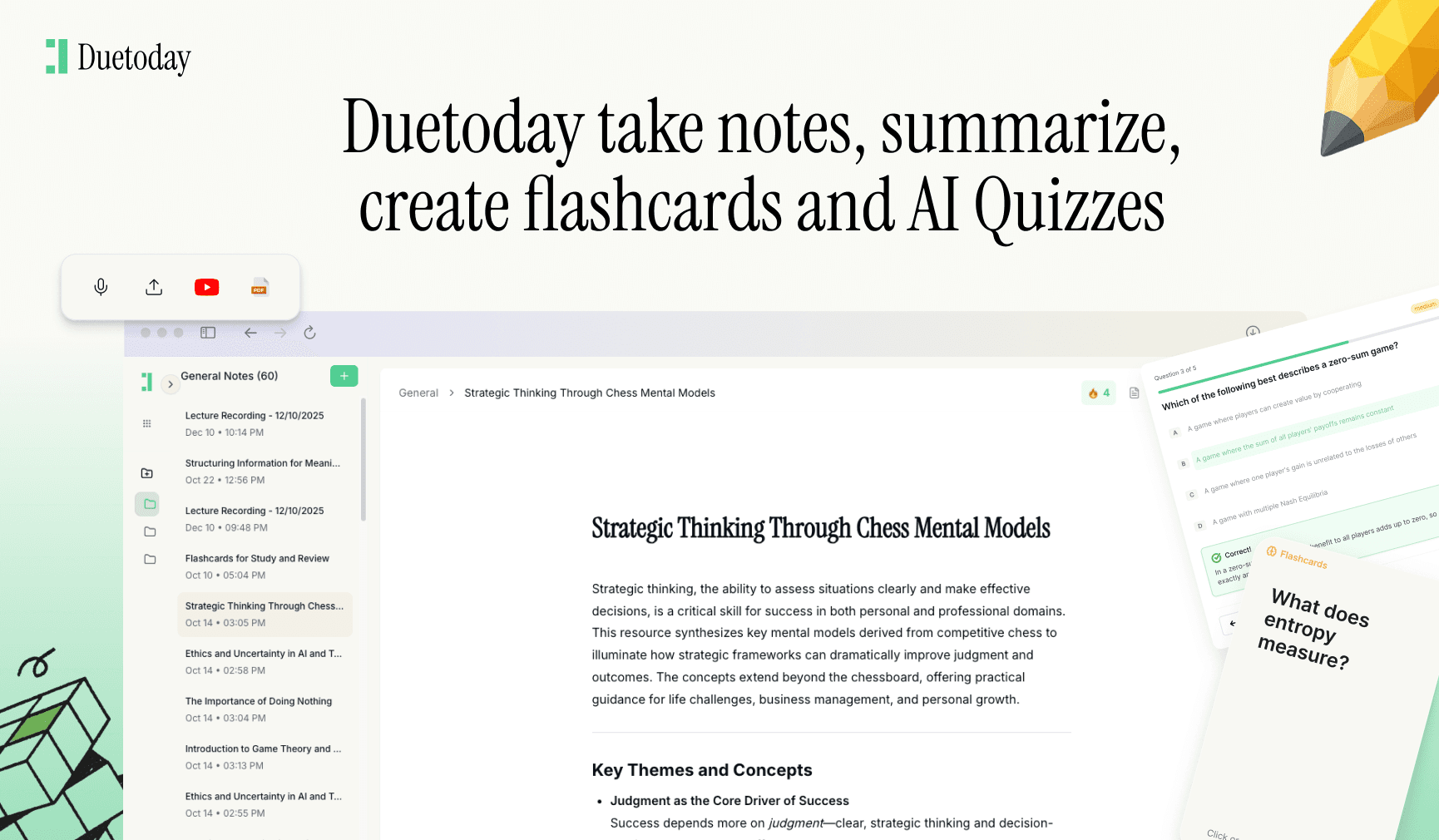
As the academic pressure mounts, you will quickly realize that taking manual notes during a fast-paced lecture is nearly impossible. This is where Duetoday AI comes into play. Duetoday is an AI-powered learning platform that turns lectures, PDFs, and notes into summaries, flashcards, quizzes, and structured study tools automatically. It acts like a personalized AI tutor, helping students learn faster and stay organized. Instead of spending hours rewriting notes, you can let the AI handle the organization, allowing you to focus on actually retaining the information and preparing for your exams effectively.
Handling Financial Independence
For many, university is the first time you will manage your own budget. The temptation to spend your entire student loan in the first fortnight is real, especially with all the social events and new gear. To survive the year without going broke, track your spending from week one. Learn to cook basic meals rather than relying on expensive takeout. Simple habits like making your own coffee or buying second-hand textbooks can save you hundreds of dollars over the semester. Remember, financial stress is a major distraction from your studies, so keep a close eye on your bank account.
Prioritizing Your Mental and Physical Health
The infamous Freshers' Flu is not a myth; it is the result of late nights, a poor diet, and the stress of a new environment. While the social side of university is important, your body needs fuel and rest to function. Try to incorporate some form of physical activity into your routine, even if it is just walking across campus instead of taking the bus. Furthermore, mental health is just as critical as physical health. If you feel overwhelmed, homesick, or anxious, do not hesitate to reach out to the university's counseling services. Most campuses have incredible support systems designed specifically for first-year students who are struggling with the transition.
Navigating the Academic Expectations
The academic rigors of university are several steps above what you experienced in high school. Professors expect critical thinking, extensive research, and a degree of self-motivation that can be shocking at first. Do not be afraid to visit your professors during their office hours. This shows that you are engaged and proactive about your learning. Additionally, make use of the university library services. Librarians are often underutilized resources who can help you navigate complex databases and improve your referencing skills. Staying on top of your reading list from day one will prevent the dreaded all-nighters when finals week eventually rolls around.
Finding the Right Balance
Survival is not just about passing exams; it is about finding a sustainable rhythm. If you focus solely on academics, you will burn out. If you focus solely on partying, you will fail. The most successful students are those who find a middle ground. Learn to say no to social events when you have a deadline, but also learn to close the laptop when you have achieved your goals for the day. Reward yourself for small wins, like finishing a difficult chapter or submitting a paper on time. This positive reinforcement keeps your motivation high throughout the long academic year.
Preparing for the Future
While graduation seems years away, the habits you build in your first year will define your career. Start looking into internships or volunteering opportunities early. Even small roles within a university society can look great on a resume. Building a professional network begins now. Connect with your peers and seniors; you never know who might recommend you for a job in the future. Embrace the journey, stay curious, and remember that every challenge you face is an opportunity to grow into a more resilient and capable version of yourself.

Is the first year of university the hardest?
It can be the most challenging in terms of lifestyle adjustment, but academically, it is usually an introductory phase designed to bring everyone to the same level.
How do I make friends if I am shy?
Focus on small groups or interest-based clubs. Engaging in an activity you enjoy makes social interaction much more natural and less forced.
What should I do if I fall behind in my classes?
Address it immediately. Speak to your tutor, use tools like Duetoday AI to catch up on summaries, and don't wait until the end of the semester to ask for help.
How much should I spend on textbooks?
Try to buy used books from upper-year students or check if digital versions are available in the library before buying brand-new copies.