How to Make Friends in University

The Challenge of Starting Fresh at University
Stepping onto a university campus for the first time is a mix of pure adrenaline and quiet nerves. For many, it is the first time living away from home, and the sudden realization that you do not know a single person in a sea of thousands can be overwhelming. Making friends in university is not just about having people to grab coffee with; it is about building a support system that helps you navigate the academic and emotional highs and lows of the next few years.
Building a social circle does not happen overnight. It requires a bit of vulnerability and a lot of showing up. Whether you are an extrovert who thrives on meeting new people or an introvert who prefers deep, one-on-one connections, the university environment is designed to help you succeed socially. The key is to recognize that almost everyone else is in the same boat as you, looking for a sense of belonging and community.
Why Freshers Week is Your Best Friend
Freshers week or orientation week is the prime time to lay the groundwork for your social life. This is the period when everyone is the most open to meeting strangers. You will find that people are much more approachable during these first few days than at any other point in the academic year. Attend the mixers, go to the themed nights, and do not be afraid to strike up a conversation while standing in a queue for a student ID card.
Simple icebreakers work wonders during this time. Asking someone where they are from, what course they are studying, or which hall of residence they are staying in might seem repetitive, but it is the foundation of every great university friendship. Remember, these initial conversations are low-stakes. You do not have to become best friends with every person you meet, but every interaction increases your comfort level and expands your network.
Connecting Through Shared Interests
One of the most effective ways to find your tribe is by joining societies and clubs. Universities offer an incredible array of groups, ranging from competitive sports teams to niche hobby groups like anime, debating, or hiking. Joining a society instantly places you in a room with people who share your passions, making the conversation flow much more naturally. It takes the pressure off 'small talk' because you already have a common topic to discuss.
While it is tempting to stick to what you know, university is also the perfect time to try something completely new. Maybe you have never tried fencing or student radio before. Joining a group as a beginner allows you to bond with other newcomers over the shared experience of learning something difficult. These organic interactions often lead to the most authentic and long-lasting friendships because they are built on shared experiences rather than just convenience.

Mastering the Social Side of Studying
Your academic life and social life do not have to be separate entities. In fact, many students find their closest friends during seminars or in the library. Forming a study group is a strategic way to meet people. It allows you to collaborate on difficult topics while getting to know your peers in a structured environment. You can discuss lecture notes, debate theories, and eventually, تلك study sessions usually transition into getting dinner or drinks after a long day of work.
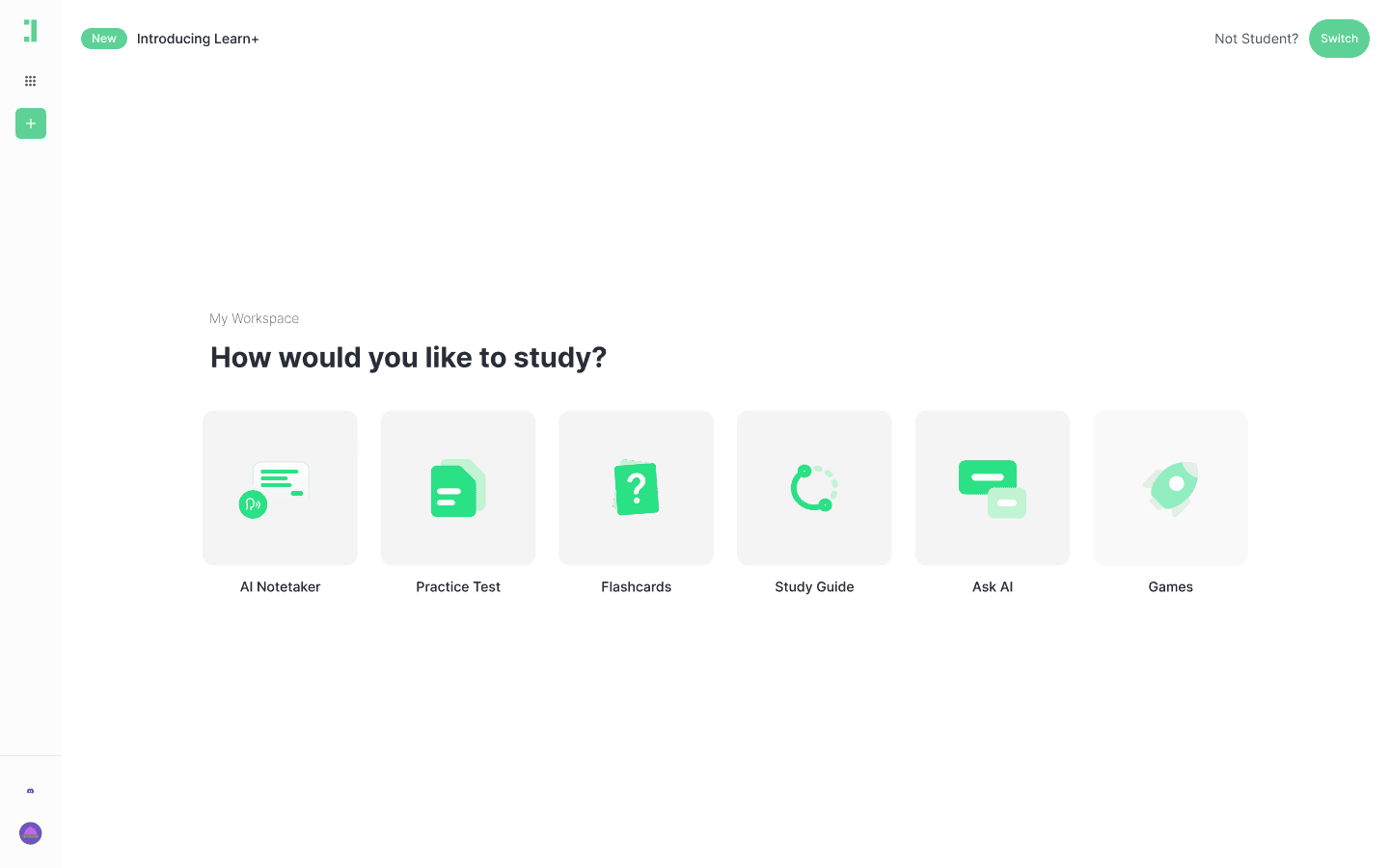
In the midst of balancing your social life and heavy coursework, you might find yourself struggling to keep up with the sheer volume of information. This is where Duetoday AI becomes a lifesaver for university students. Duetoday is an AI-powered learning platform that turns your dense lectures, messy PDFs, and scattered notes into clear summaries, flashcards, and quizzes automatically. It acts like a personalized AI tutor, helping you learn faster and stay organized so you actually have the free time to go out and make those connections without the constant stress of falling behind in class.
The Power of Your Living Space
If you are living in student accommodation, your flatmates are your most immediate social circle. Living in close quarters creates a unique bond. Keep your door propped open during the first week while you are hanging out in your room to signal that you are open to a chat. Spending time in common areas like the kitchen or lounge rather than hiding in your bedroom makes you much more accessible. Even simple acts like offering to make a round of tea or suggesting a movie night can break the ice and turn acquaintances into a tight-knit household.
Consistency is Key to Lasting Bonds
The secret to turning a casual acquaintance into a true friend is consistency. It is not enough to meet someone once at a party; you have to follow up. If you vibed with someone, do not be afraid to ask for their social media or phone number. Send a quick message to see if they want to grab lunch or check out a campus event together. It can feel awkward to be the one to reach out first, but most people will appreciate the initiative because they are likely just as nervous as you are.
Finally, remember that friendship is a marathon, not a sprint. Some of the people you meet in your first week might not be your best friends by graduation, and that is okay. Your social circle will evolve as you grow and change throughout your university journey. Stay open-minded, be kind, and keep showing up. With a little effort and the right mindset, you will find people who make your university years truly unforgettable.

Is it hard to make friends after the first year?
Not at all. While the first year is the most common time to meet people, many students make new friends through new modules, sports teams, or part-time jobs in their second and third years.
How do I make friends if I am an introvert?
Focus on smaller groups or interest-based societies rather than large parties. One-on-one study sessions or niche hobby groups are great ways for introverts to connect deeply without the burnout of big crowds.
What if I don't get along with my flatmates?
It happens. If you don't click with your flatmates, don't worry. Focus your energy on clubs, your course mates, and societies to find your community elsewhere.
How can I be more approachable?
Small gestures like smiling, making eye contact, and putting your phone away in social settings make a massive difference in how others perceive your openness to conversation.