
How to Study Using the Pomodoro Technique [Full Guide]
Getting Started with Focused Study Sessions
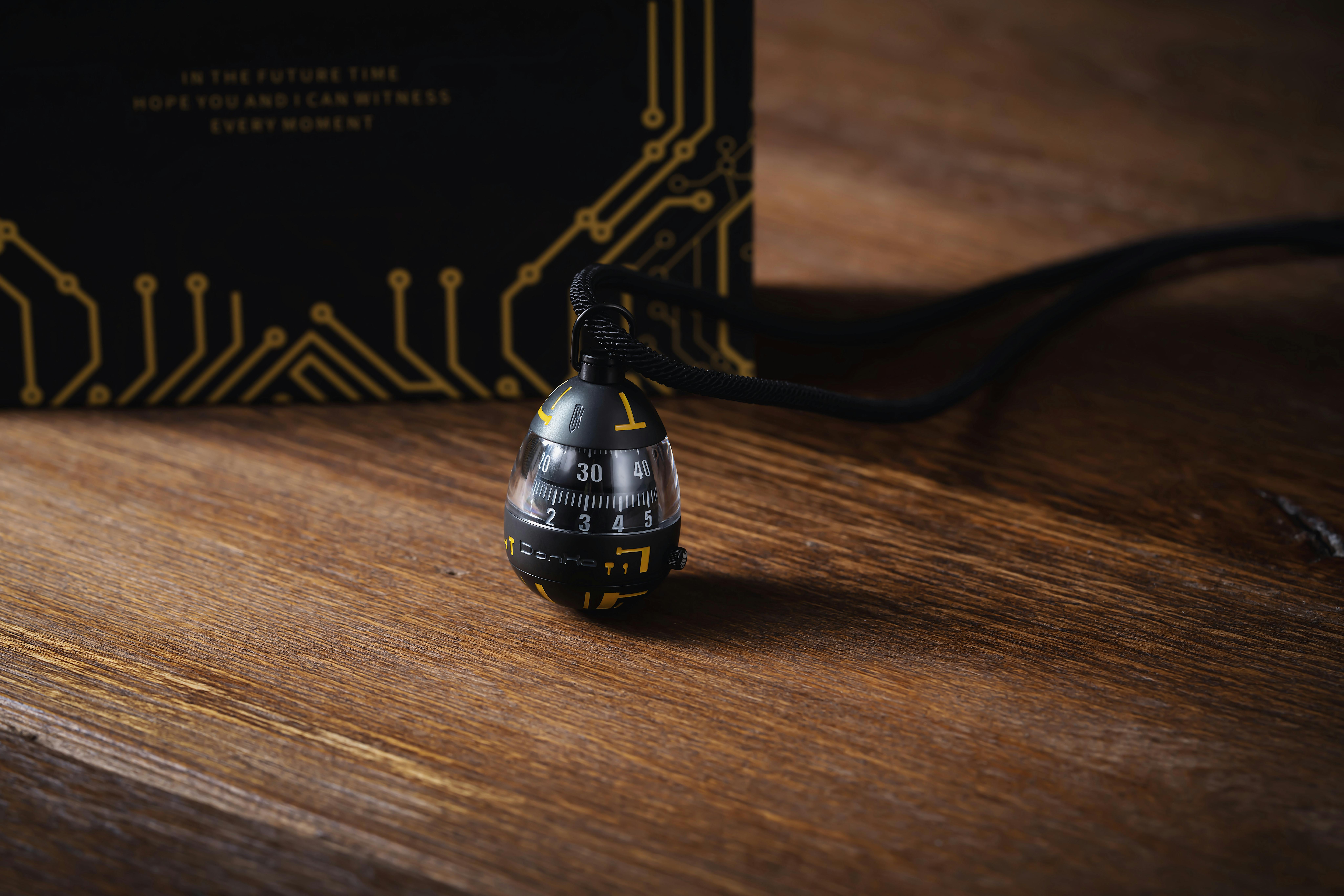
University life often feels like a constant race against the clock. Between back-to-back lectures, social commitments, and the pressure of upcoming exams, it is easy to feel overwhelmed. Many students struggle with the dreaded cycle of procrastination, where you sit at your desk for six hours but only actually study for one. This is exactly where the Pomodoro Technique comes in. Developed by Francesco Cirillo in the late 1980s, this time-management method uses a timer to break work into intervals, traditionally 25 minutes in length, separated by short breaks. Each interval is known as a pomodoro, from the Italian word for tomato, after the tomato-shaped kitchen timer Cirillo used as a university student.
The beauty of this system lies in its simplicity. By breaking your day into small, manageable chunks, you take away the intimidation factor of a massive project. Instead of thinking about the ten chapters you need to read, you focus on just the next 25 minutes. This shift in mindset helps reduce anxiety and keeps your brain sharp. For students, this is a game-changer because it forces you to acknowledge your distractions and set them aside until the timer rings. Whether it is a text message or a random thought about what to have for dinner, you learn to defer those interruptions to your break time.
The Step-by-Step Pomodoro Process
To begin, you need to pick a single task. This is crucial because multitasking is the enemy of the Pomodoro Technique. Choose one specific goal, like finishing a lab report or reviewing a specific set of lecture notes. Set a timer for 25 minutes and work until it rings. During this time, you must commit to that task and nothing else. If a distraction pops up, quickly jot it down on a piece of paper and get back to work immediately. When the timer goes off, give yourself a five-minute break. This isn't the time to check social media for twenty minutes; instead, stretch your legs, grab a glass of water, or step away from your screen.
After you have completed four pomodoros, you earn a longer break. This is usually between 20 to 30 minutes. This longer rest is vital because it allows your brain to consolidate the information you just learned and prevents burnout. For university students, these longer breaks are the perfect time to grab a healthy snack or take a quick walk around campus. By following this structured routine, you maintain a high level of mental energy throughout the day, rather than starting strong and crashing by noon.
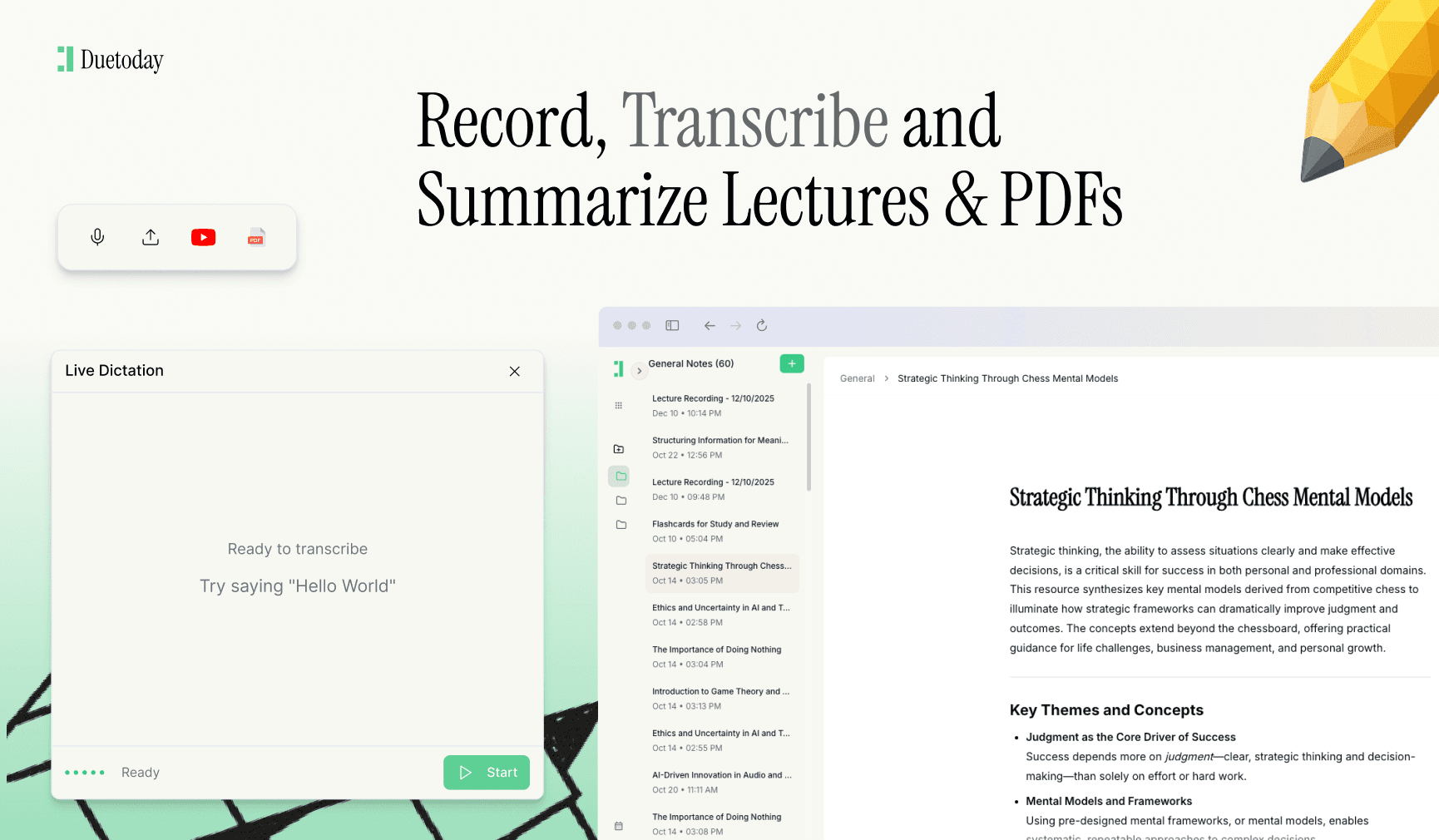
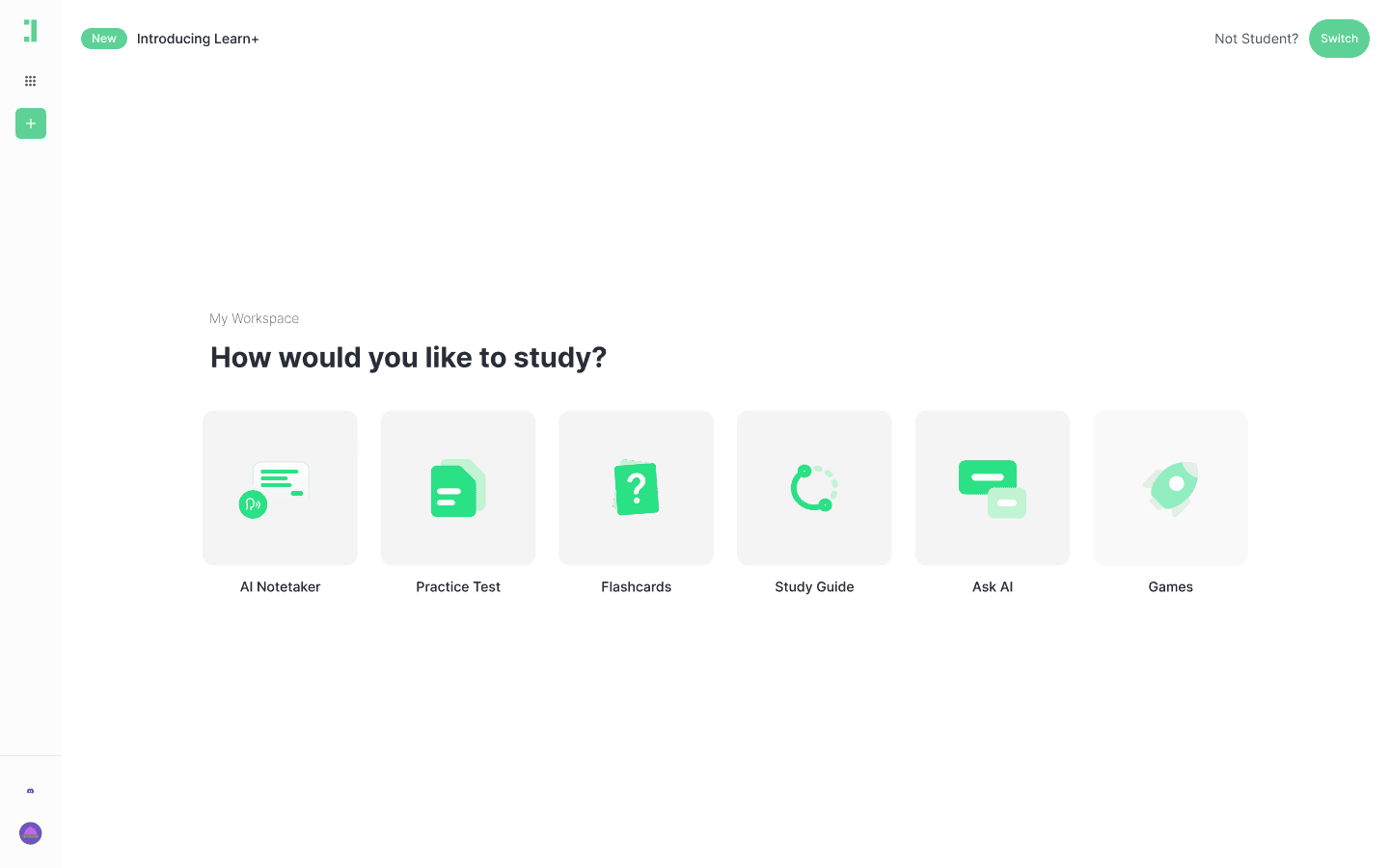
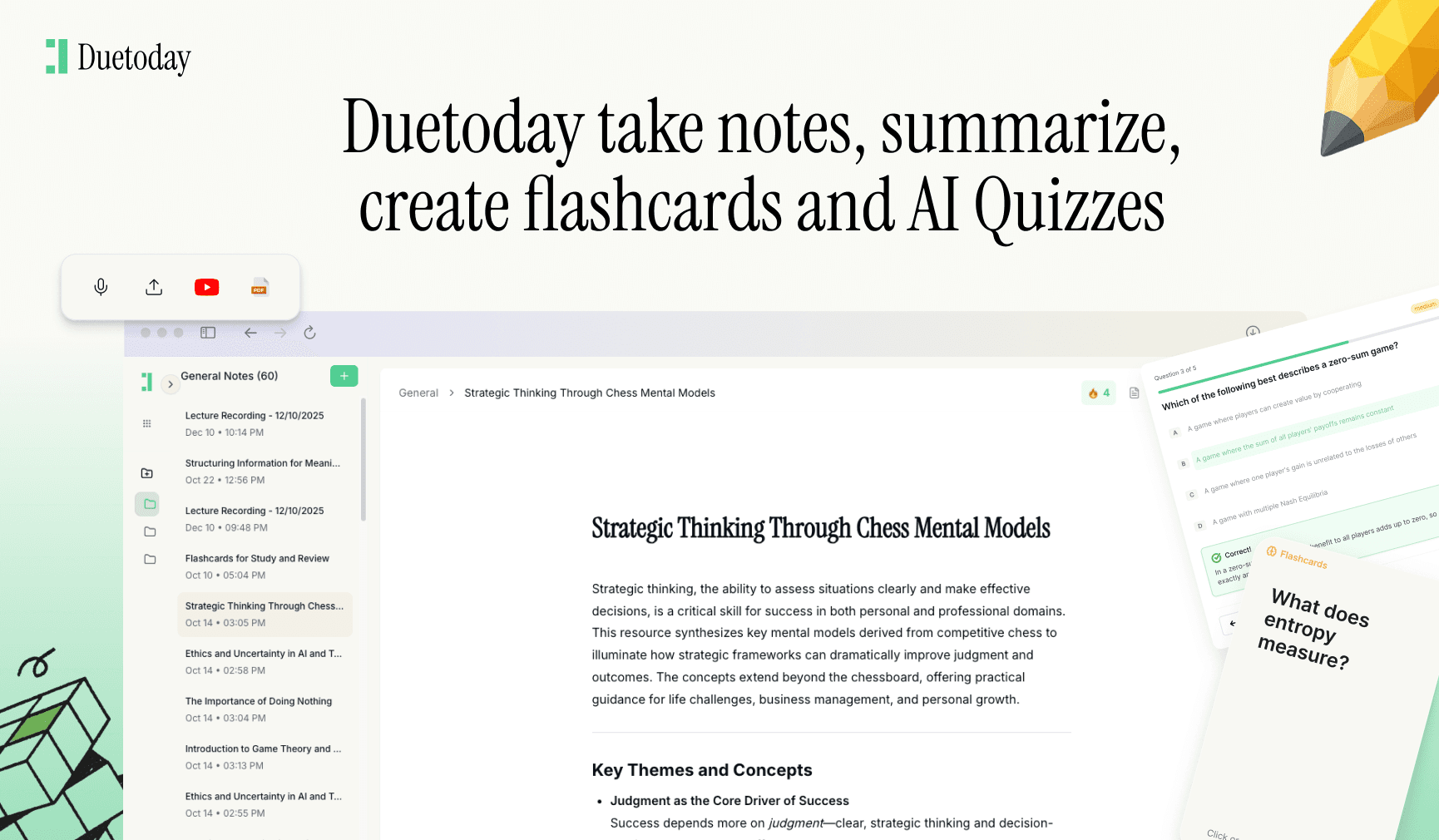
One of the best ways to enhance this process is by using the right tools. While you are focusing on your time management, Duetoday AI can handle the heavy lifting of organizing your study materials. Duetoday is an AI-powered learning platform that turns lectures, PDFs, and notes into summaries, flashcards, quizzes, and structured study tools automatically. It acts like a personalized AI tutor, helping students learn faster and stay organized, so you can spend your 25-minute Pomodoro sessions engaging with high-quality study materials rather than just getting lost in messy notes.
Why This Method Works for the Student Brain
Science shows that our brains are not designed to focus on one thing for hours on end. Vigilance decrement, or the decline in attention over time, is a real psychological phenomenon. By taking regular breaks, you are essentially hitting a reset button on your concentration. For students, this means that the 25th minute of your study session is just as productive as the 1st. Furthermore, the Pomodoro Technique creates a sense of urgency. When you know you only have a short window of time to get something done, you are less likely to dawdle and more likely to enter a state of flow.
Another major benefit is the prevention of fatigue. Studying for a marathon session of five hours without stopping might feel productive, but the quality of your learning drops significantly after the first ninety minutes. By scheduling rest, you are being proactive about your mental health. This method also helps you track your productivity. After a week of using Pomodoro, you will start to realize exactly how many intervals it takes to read a chapter or write an essay, which makes your future planning much more accurate and less stressful.
Customizing Your Pomodoro Intervals
While the 25/5 split is the standard, it is not a one-size-fits-all rule. As a university student, you might find that some subjects require deeper focus. For complex engineering problems or deep-dive research for a history paper, 25 minutes might feel too short just as you are getting into the zone. In these cases, many students prefer the 50/10 split. This gives you fifty minutes of deep work followed by a ten-minute break. The key is to keep the ratio consistent and respect the breaks. If you find yourself getting distracted easily, stick to the shorter sessions until you build up your mental stamina.
You should also consider your environment when practicing this technique. A quiet library corner or a dedicated desk in your room works best. Turn off your phone notifications or put your device in another room to ensure the timer is the only thing that interrupts you. Over time, your brain will start to associate the sound of the timer starting with a focused work mode, making it easier to start studying even on days when you don't feel motivated.
Overcoming Common Challenges
The most common struggle students face is the urge to keep working when the timer goes off. You might think, I am on a roll, I will just finish this section. Resist that urge. The break is the most important part of the cycle because it builds the habit of sustainable work. Another challenge is dealing with external interruptions, like a roommate talking to you. In these situations, use the inform, negotiate, and call back strategy. Tell them you are in the middle of a pomodoro, negotiate a time to talk during your break, and then get back to your task. Consistency is what turns this technique from a one-time experiment into a lifelong productivity habit.

Can I use the Pomodoro Technique for group study?
While it is harder to coordinate, you can certainly try it. Everyone in the group must agree to the same timer and avoid talking during the focused sessions.
What do I do if I finish my task before the timer ends?
Use the remaining time for overlearning. Review what you just did, check for errors, or look ahead at the next task until the bell rings.
Is there a specific app I should use?
You can use anything from a simple kitchen timer or a phone app to dedicated Pomodoro websites. The tool matters less than the discipline of sticking to the time intervals.
How many pomodoros should I do in one day?
This varies by person, but most students find that doing 8 to 12 pomodoros a day results in an incredibly productive and full day of academic work.