How to Stay Focused While Studying

The Challenge of Modern Study Sessions
Staying focused in a world designed to distract you is perhaps the most difficult skill to master as a university student. Between the constant pinging of social media notifications, the lure of streaming services, and the general stress of academic life, it is no wonder that many students find themselves staring at a single page for hours without absorbing a word. True focus is not about sheer willpower; it is about creating an environment and a mindset that allows your brain to enter a state of deep work. When you manage your focus effectively, you not only finish your assignments faster but also improve the quality of your learning and decrease your overall stress levels.
Creating Your Perfect Study Environment
Your physical surroundings play a massive role in how well your brain can concentrate. If your desk is cluttered or your room is filled with noise, your brain has to work twice as hard to filter out those external stimuli. Start by designating a specific spot for studying that is separate from where you relax or sleep. This helps create a psychological boundary that tells your brain it is time to work the moment you sit down. Keep your essentials within reach so you do not have to break your flow to find a pen or a charger, but keep everything else out of sight. Lighting is also crucial; natural light can boost your mood and alertness, while warm, dim light might make you feel drowsy during a long reading session.
Mastering Your Digital Workspace
Digital distractions are the biggest productivity killers for the modern student. It takes an average of 23 minutes to fully regain focus after being interrupted by a notification. To combat this, use 'Do Not Disturb' modes on your phone and laptop religiously. If you find yourself mindlessly scrolling through websites, consider using browser extensions that block distracting sites during specific hours. Organizing your files and tabs is just as important as cleaning your physical desk. Having fifty browser tabs open creates mental clutter and makes it harder to stay on task. Try to keep only the documents and sources open that are directly relevant to the task at hand.
Leveraging DUETODAY AI for Efficient Learning
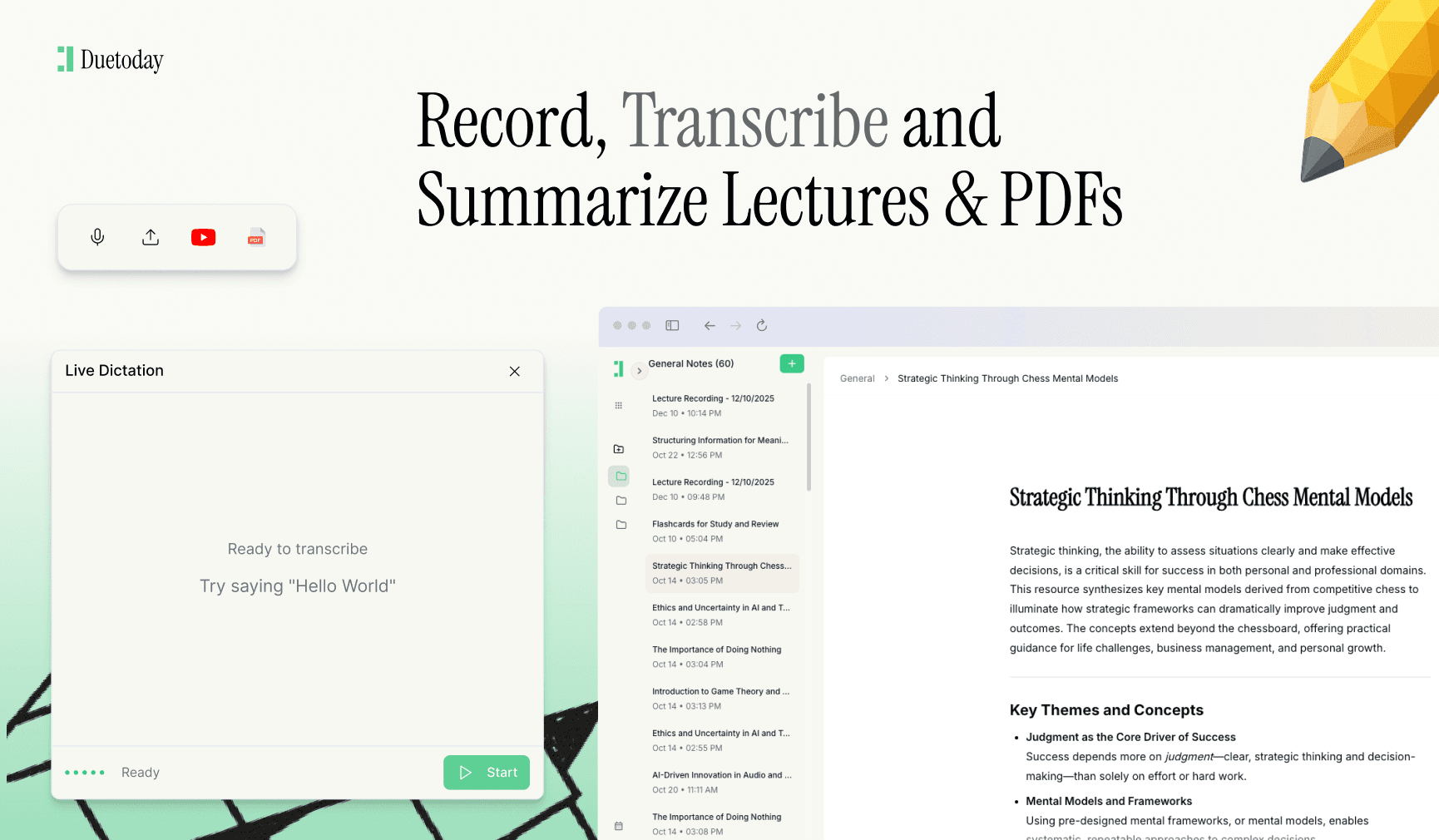
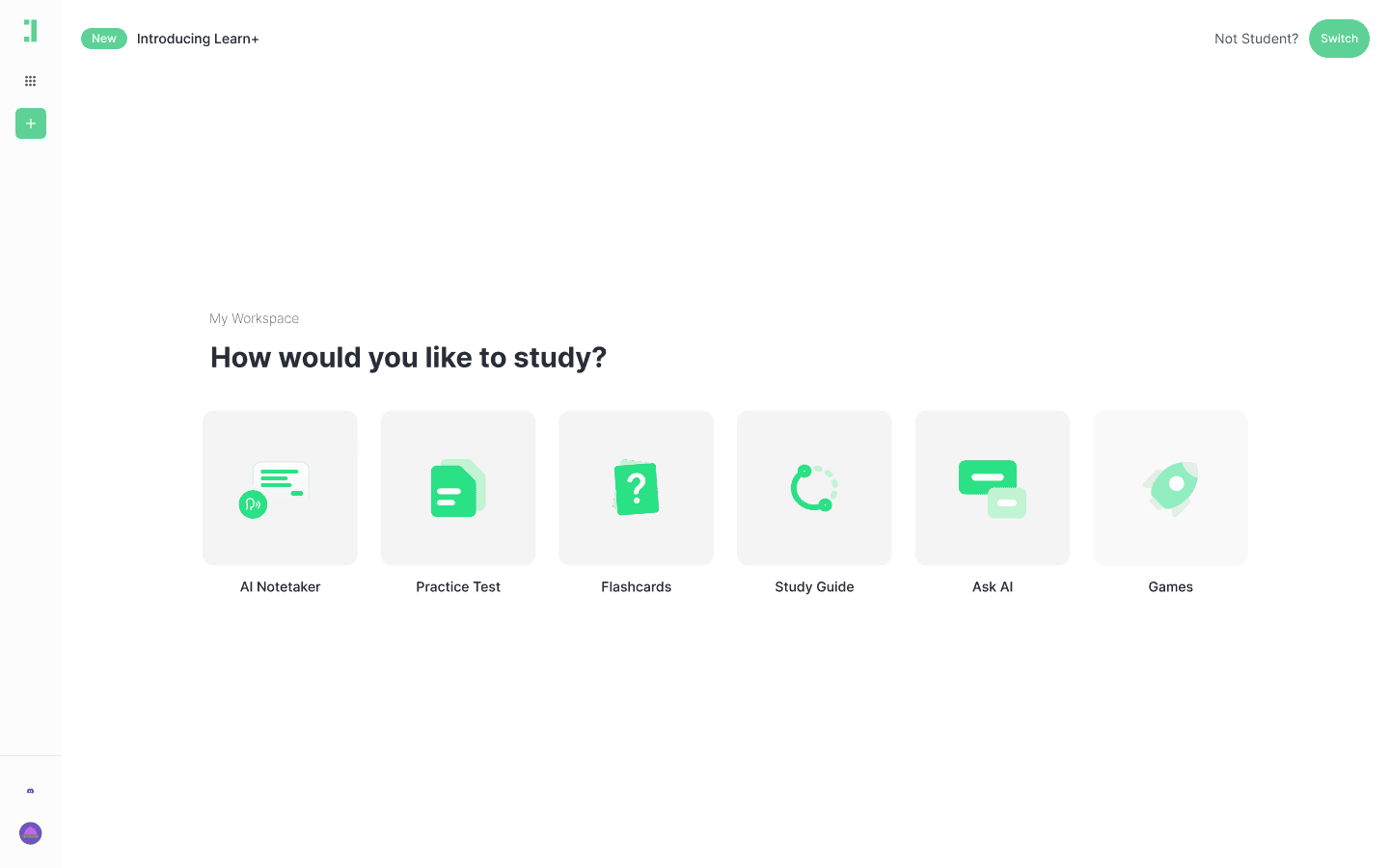
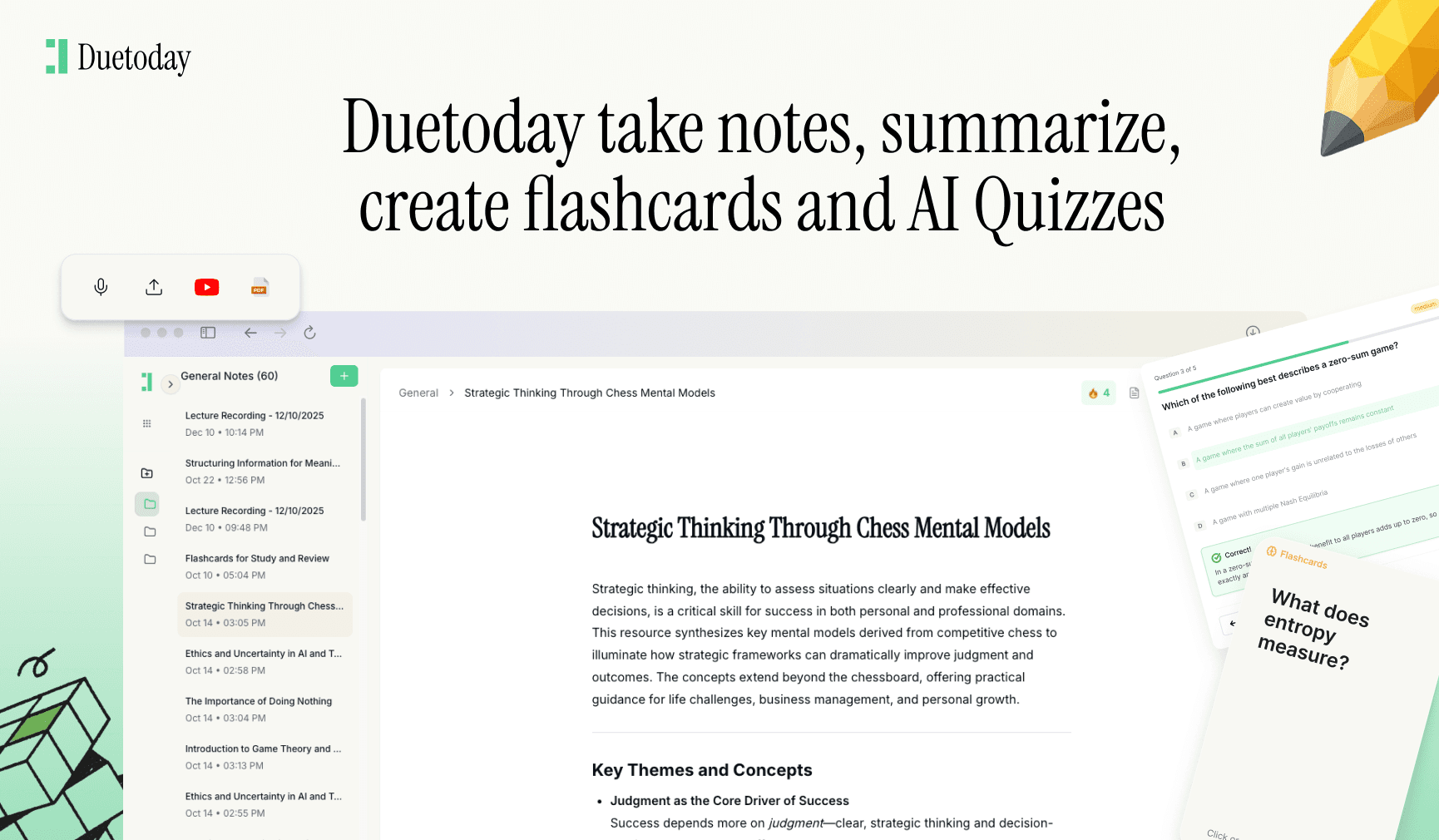
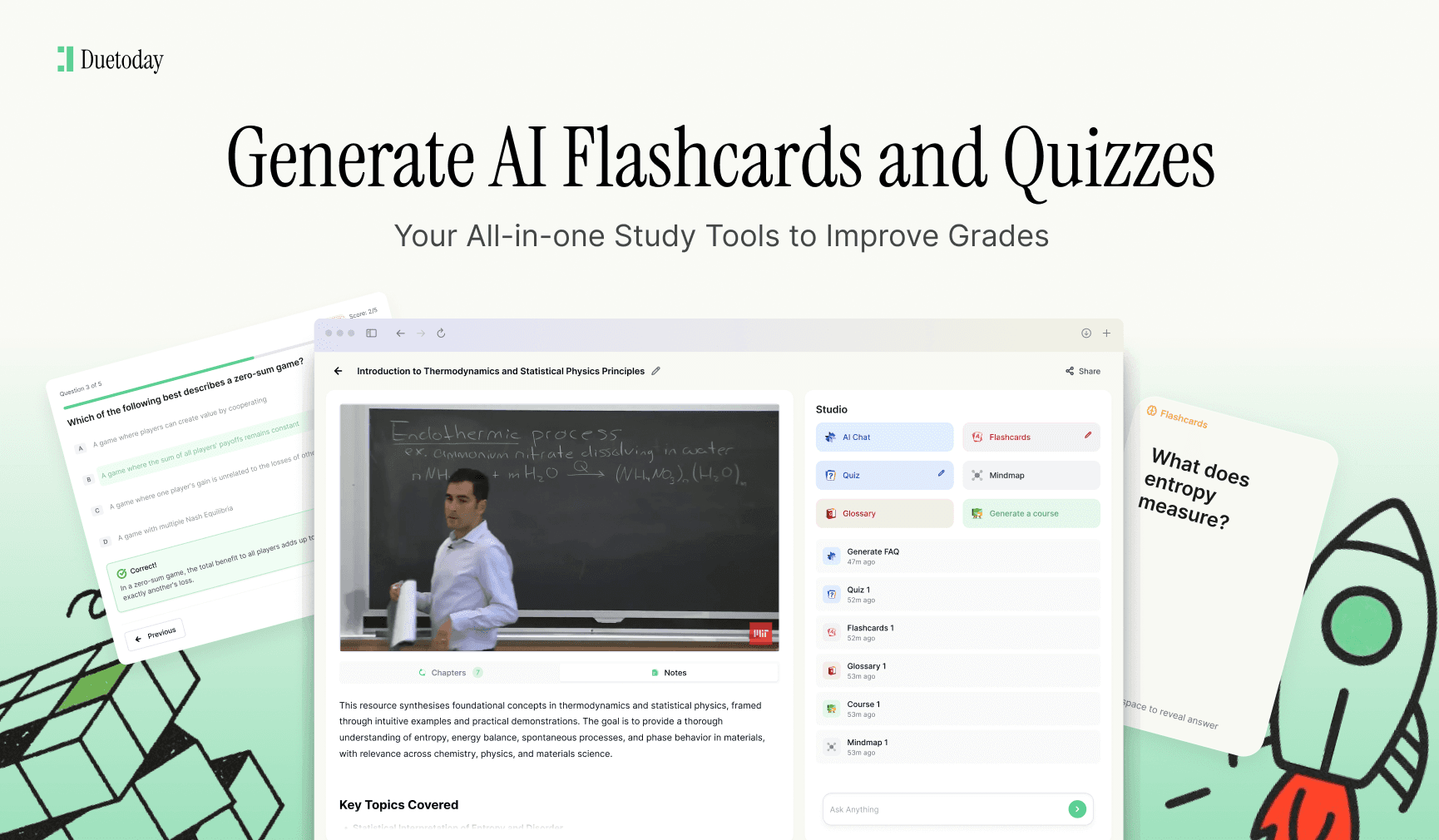
Sometimes the reason we lose focus is that the material feels overwhelming or disorganized. This is where Duetoday AI becomes a game-changer for university students. Duetoday is an AI-powered learning platform that turns lectures, PDFs, and notes into summaries, flashcards, quizzes, and structured study tools automatically. It acts like a personalized AI tutor—helping students learn faster, stay organized, and retain information without spending hours rewriting notes. By automating the tedious parts of studying, Duetoday AI allows you to spend your limited energy on actually understanding the material rather than just organizing it, making it much easier to stay in the zone.
The Power of Scheduled Breaks
Focus is like a muscle that can get fatigued if overworked. Trying to power through a four-hour study session without a break often leads to diminishing returns where you are reading but nothing is sticking. The Pomodoro Technique is a classic for a reason: by working for 25 minutes followed by a 5-minute break, you give your brain a recurring reward and a chance to recharge. During these breaks, it is vital to actually step away from your screen. Stretching, grabbing a glass of water, or walking to a different room can provide the mental reset needed to dive back into your work with fresh energy.
Active Learning Strategies to Shield Focus
Passive reading is the fastest way to lose concentration. When you simply read a textbook, your mind tends to wander because it is not being challenged. To stay focused, you need to engage with the material actively. This means asking questions as you read, summarizing paragraphs in your own words, or drawing mind maps to connect different concepts. When your brain is actively searching for answers or trying to solve a problem, it becomes much more difficult for distractions to break through. Active learning keeps your cognitive load high enough to be interesting but structured enough to remain manageable.
Prioritization and the Ivy Lee Method
Focus is often lost when we do not know what to do next. Spending the first ten minutes of your study session deciding what to work on is a waste of mental energy. Instead, try the Ivy Lee Method: at the end of each day, write down the six most important things you need to accomplish tomorrow. Rank them in order of true importance. When you start your study session the next day, focus only on the first task until it is finished before moving on to the second. This prevents 'task switching,' which is incredibly taxing on the brain and prevents deep focus.
Physical Health and Cognitive Function
You cannot expect peak mental performance if you are neglecting your body. Sleep is the most underrated study tool available to students. During sleep, your brain processes the information you learned during the day and clears out metabolic waste. Even a slight sleep debt can significantly impair your ability to concentrate and solve complex problems. Similarly, staying hydrated and eating brain-healthy foods like nuts, berries, and whole grains provides a steady stream of energy rather than the spikes and crashes associated with sugary snacks and excessive caffeine. Exercise, even just a short walk, increases blood flow to the brain and has been shown to improve attention spans immediately afterward.
Managing Academic Anxiety
Often, a lack of focus is actually a symptom of anxiety. When we are worried about an upcoming exam or a difficult essay, our brain enters a state of high alert that makes it hard to sit still and concentrate. Acknowledging this feeling is the first step. Try practicing five minutes of mindfulness or deep breathing before you start studying to calm your nervous system. Break down large, scary projects into tiny, manageable steps. Completing even a small task can provide a hit of dopamine that builds momentum and helps quiet the internal noise of anxiety, allowing you to focus on the work itself. Remember that consistency beats intensity; studying for two focused hours every day is far more effective than an all-night cram session fueled by panic.
How can I stop checking my phone while studying?
Place your phone in another room or use apps that lock your device during study sessions. Physical distance is the most effective way to break the habit of checking notifications.
What is the best time of day to study for maximum focus?
This varies by person, but most people have a peak focus window about two to four hours after waking up. Pay attention to your energy levels for a week to find your own 'golden hours.'
Does listening to music help with focus?
For some, instrumental music or lo-fi beats can mask distracting background noise. However, music with lyrics often competes with the language processing parts of your brain, making it harder to study subjects like English or History.
How long should a study session be?
A good rule of thumb is 50 to 90 minutes of deep work followed by a 10 to 15-minute break. This aligns with our natural ultradian rhythms.