How to Stay Calm During Exams: A Guide for Busy Students
The Science of Exam Anxiety
Exam season is arguably the most stressful period of the university experience. As deadlines loom and libraries fill up, it is completely natural to feel a sense of dread. However, understanding why we feel this way is the first step toward reclaiming control. When you are under pressure, your body releases cortisol and adrenaline, the chemicals responsible for the fight-or-flight response. While a little bit of this energy can actually help you focus, too much of it leads to the dreaded brain fog that makes you forget everything you just studied.
Staying calm is not about ignoring the importance of the exam, but rather about managing your physical and mental reactions so you can perform at your peak. Many students fall into the trap of thinking that if they aren't stressed, they aren't working hard enough. This couldn't be further from the truth. The most successful students are often those who have mastered the art of staying composed under pressure. By implementing a few lifestyle changes and mental reframing techniques, you can transform your exam experience from a nightmare into a manageable challenge.
Preparation is the Best Antidote to Fear
One of the primary sources of exam anxiety is the feeling of being unprepared. When you walk into an exam hall not knowing what to expect, your brain perceives a threat. The best way to combat this is through structured, consistent revision. Rather than cramming the night before, try to break your curriculum into smaller, digestible chunks. This makes the mountain of information feel like a series of small hills that you can easily climb. When you see progress in your understanding, your confidence grows, and your stress levels naturally drop.
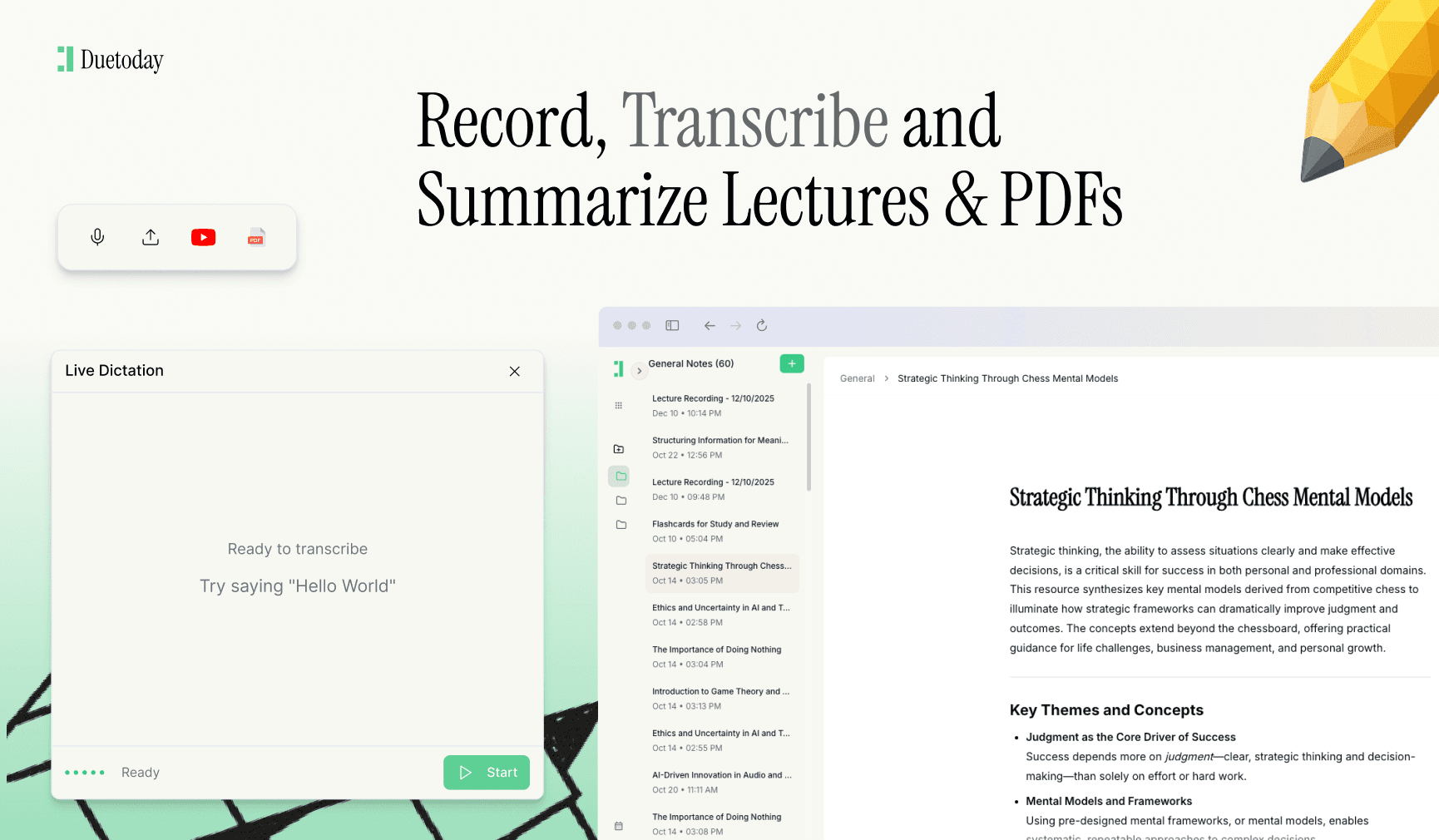
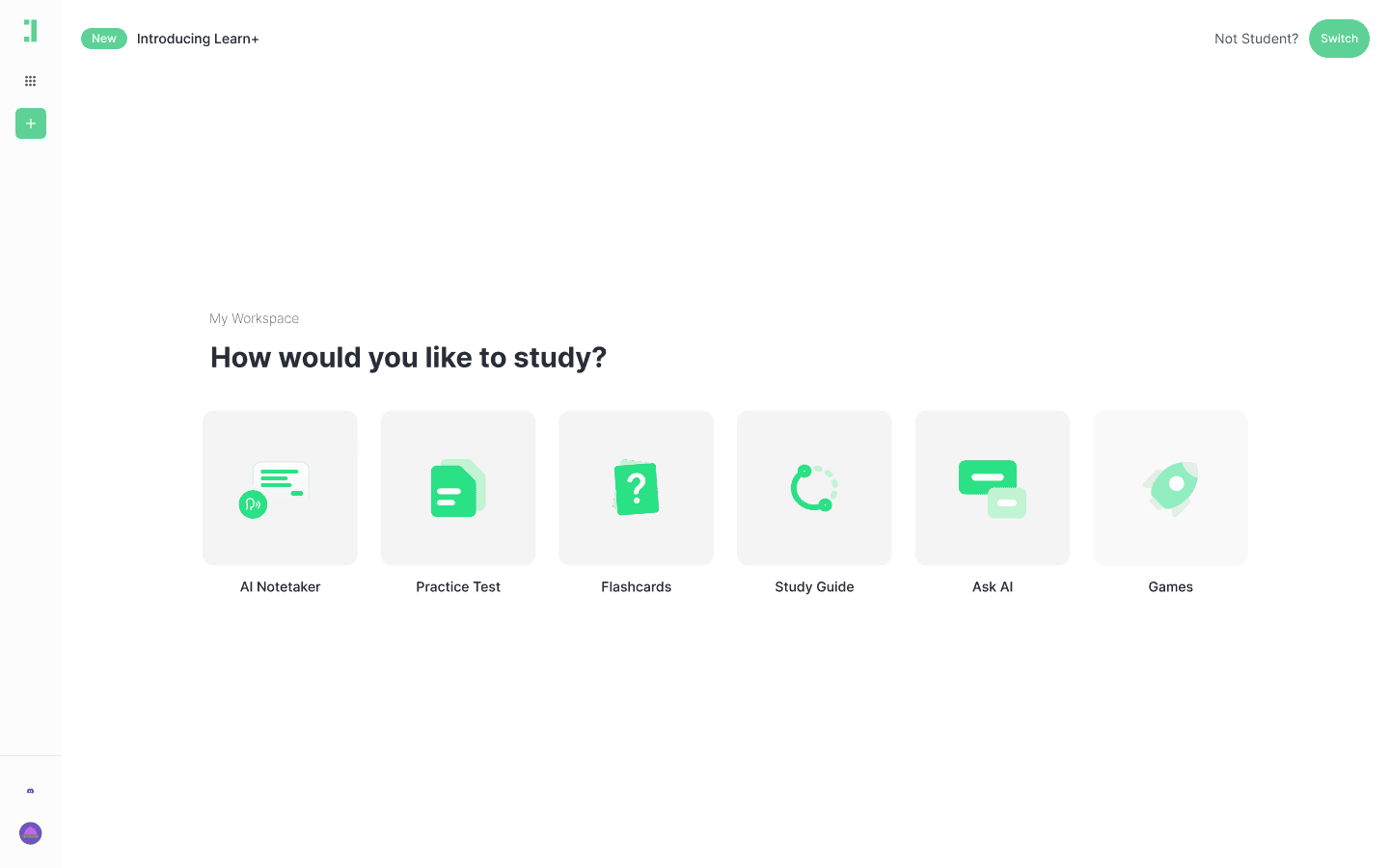
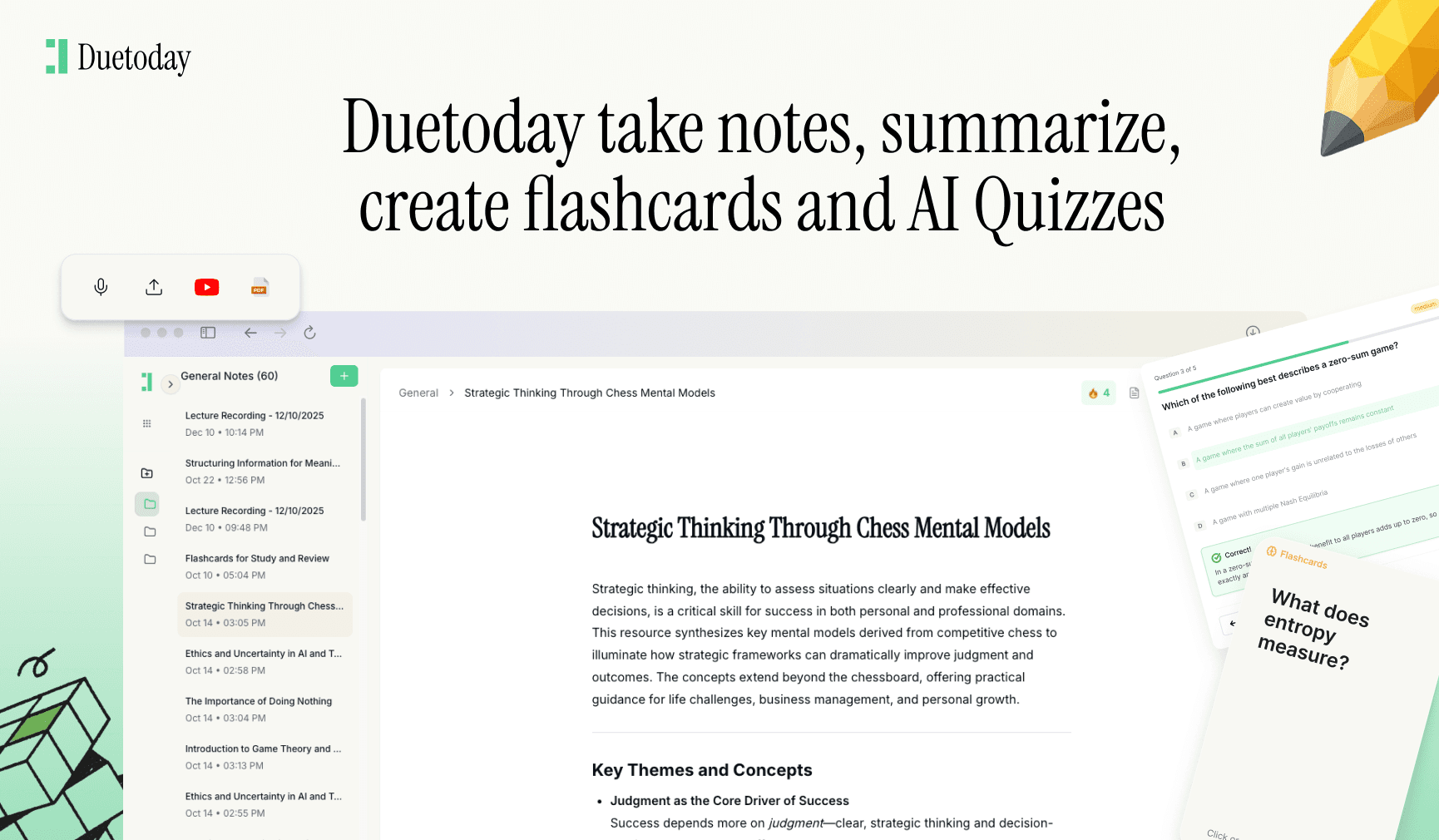
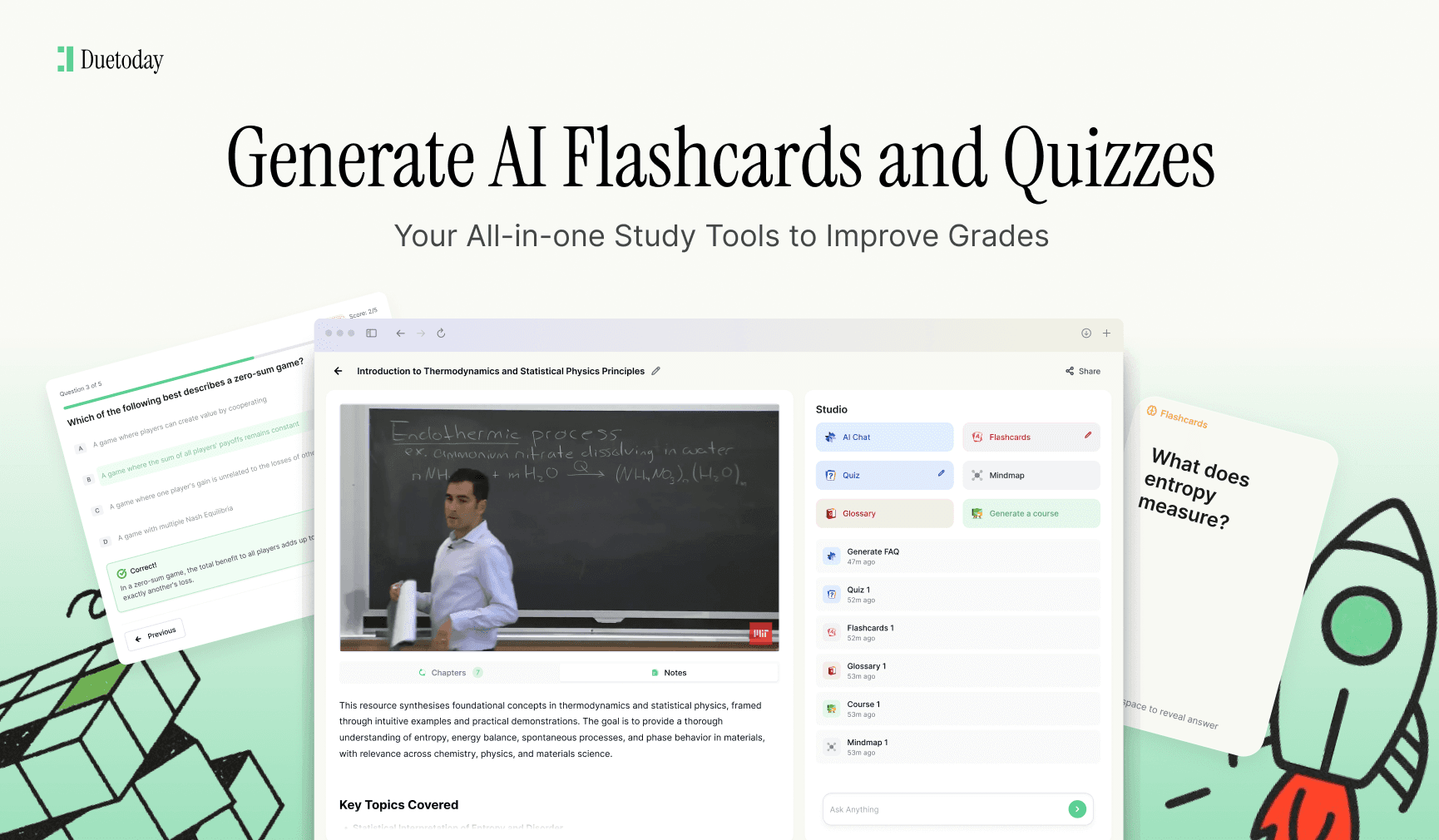
To make this process even smoother, Duetoday AI offers a revolutionary way to handle your study materials. Instead of drowning in endless stacks of paper or messy digital folders, Duetoday turns your lecture recordings, PDFs, and random notes into clear summaries, active recall flashcards, and practice quizzes automatically. It essentially serves as a personalized AI tutor that organizes your brain for you. By using a tool like this, you spend less time worrying about how to organize your notes and more time actually retaining the information, which is a massive confidence booster when the exam clock starts ticking.
Mastering Your Morning Routine
How you start your day often dictates how your exam will go. On the morning of a big test, avoid the temptation to look at your notes one last time. This usually leads to panic if you find a single fact you don't recognize. Instead, focus on grounding yourself. Eat a breakfast that provides sustained energy, like porridge or eggs, and stay hydrated. Avoid excessive caffeine; while a coffee might feel necessary, too much can mirror the physical symptoms of anxiety, such as a racing heart and jittery hands, which might trick your brain into feeling more nervous than you actually are.
Techniques to Use During the Exam
Once you are sitting at your desk and the papers are flipped over, take a moment. Most students start writing immediately, but taking sixty seconds to just breathe can reset your nervous system. Try the square breathing technique: inhale for four seconds, hold for four, exhale for four, and hold for four. This sends a physical signal to your brain that you are safe and in control. Read through the entire paper before you start. This allows your subconscious mind to start working on the harder questions while you tackle the ones you are most confident about first.
If you hit a mental block, do not panic. It happens to everyone. Move on to a different question or even a different section of the paper. Often, the act of writing something else will trigger the memory you were looking for earlier. Keep a close eye on the clock but do not let it dictate your pace. Remember that you have prepared for this, and even if you don't know the answer to one specific question, there are plenty of other opportunities to pick up marks throughout the paper.
The Importance of Physical Movement
We often forget that our minds and bodies are deeply connected. If you spend sixteen hours a day hunched over a desk, your body will feel tense, and that tension will translate into mental stress. Make sure you are getting at least twenty minutes of movement every day. This doesn't have to be an intense gym session; a simple walk around the campus or a quick stretching routine in your room can significantly lower your cortisol levels. Exercise releases endorphins, which act as natural stress fighters, making it much easier to stay calm when you return to your books.
Maintaining a Healthy Perspective
At the end of the day, an exam is just one metric of your knowledge at a single point in time. It does not define your worth or your entire future. While university is important, maintaining a perspective that looks beyond the exam hall can take the weight off your shoulders. Talk to your friends about things other than revision. Watch a movie, cook a good meal, and ensure you are getting enough sleep. Sleep is when your brain encodes the information you learned during the day, so pulling an all-nighter is actually counterproductive to staying calm and performing well.
By combining smart study tools, physical wellness, and mindful breathing, you can navigate the exam season with a sense of calm and focus. Resilience is built through these small, daily habits. Trust in the work you have put in, use the tools available to you, and remember that you are more than capable of handling whatever the exam paper throws your way. You have done the hard work of learning; now you just need to give yourself the mental space to show it.
How can I stop my hands from shaking during an exam?
Focus on deep, rhythmic breathing to settle your nervous system. Clenching and releasing your fist several times can also help release the built-up adrenaline causing the tremors.
What should I do if I have a panic attack in the exam hall?
Alert an invigilator immediately. They are trained to help, and you are often allowed to step outside for a few minutes to catch your breath and compose yourself.
Is it better to study right up until the exam starts?
Generally, no. Giving your brain a 30-60 minute break before the exam allows you to walk in with a clearer, more relaxed headspace rather than a cluttered and frantic one.
How much sleep do I really need during finals?
Aim for 7-9 hours. Sleep deprivation severely impairs cognitive function and memory recall, making it much harder to stay calm and think clearly.