How to Review Past Exam Papers

The Importance of Past Paper Analysis
Stepping into an exam hall without having looked at a past paper is a risk most university students can't afford to take. Past exam papers are more than just a list of previous questions; they are a blueprint of the examiner’s mind. By reviewing these documents, you gain insight into the specific topics that professors prioritize year after year. Understanding the structure of your upcoming assessment helps reduce anxiety and allows you to walk into the room with a clear strategy. Success in higher education isn't just about how much you know, but how well you can apply that knowledge within the specific constraints of the exam format.
When you start your review, your first goal should be to identify recurring themes. Most courses have ‘core’ modules that are almost guaranteed to appear in some form. By cross-referencing papers from the last three to five years, you can start to see patterns in how these topics are framed. Are they usually multiple-choice, or do they require long-form essay responses? Knowing this allows you to tailor your study sessions. Instead of reading a textbook from cover to cover, you can focus on the high-yield areas that historically carry the most weight in terms of marks.
How to Decode Marking Schemes
A past paper is only half the battle; the marking scheme is where the real secrets lie. Many students make the mistake of just answering the questions and checking if they got the ‘right’ answer. However, university-level marking is often about how you reached that answer and the specific keywords you used. When reviewing, pay close attention to the breakdown of marks. Sometimes a single sentence with a specific technical term can be worth as much as a whole paragraph of general explanation. Mastering the ‘language’ of the mark scheme ensures you don't leave easy points on the table.
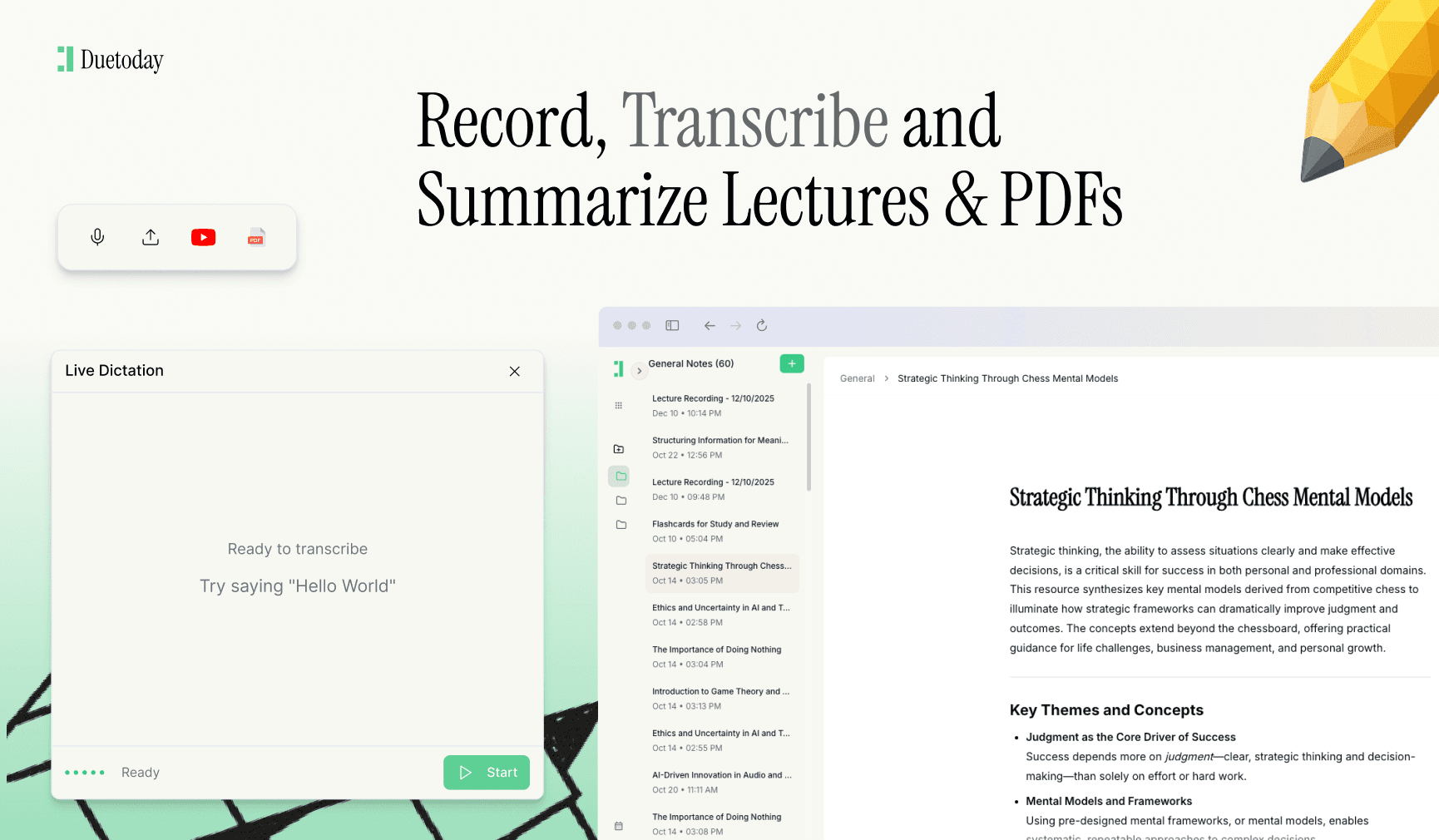
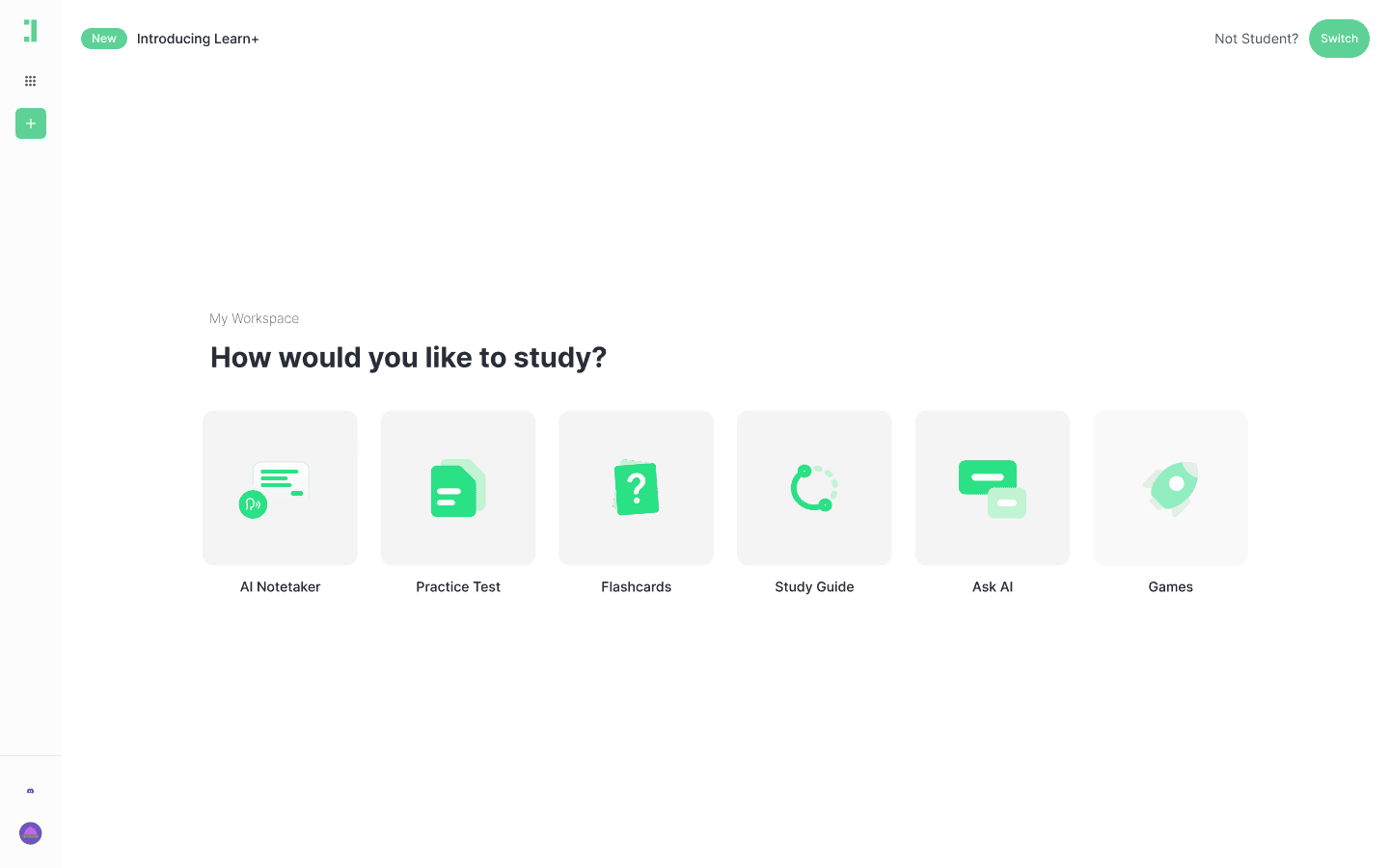
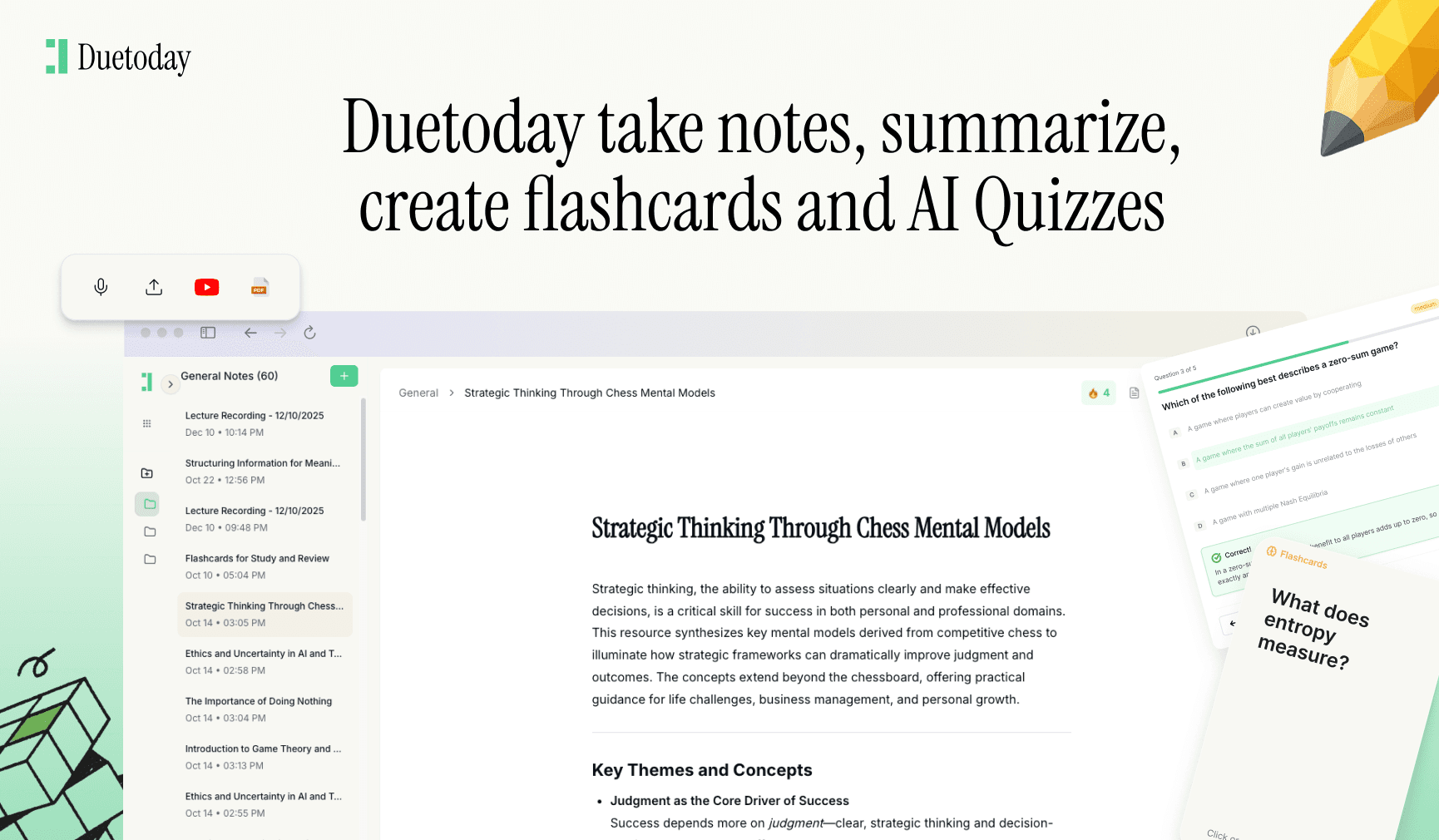
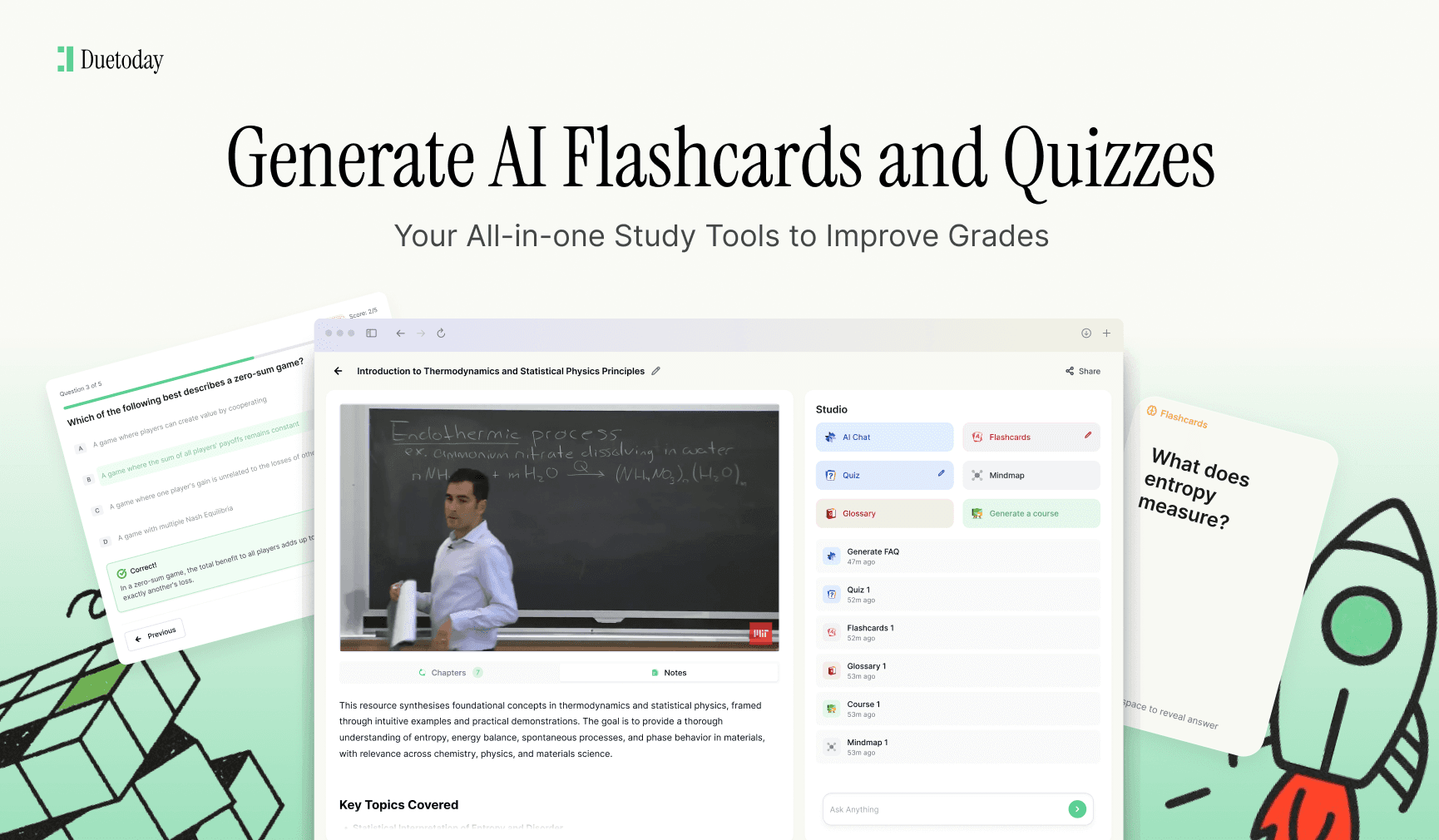
Duetoday AI is an incredible resource during this phase of your revision. As an AI-powered learning platform, it can take your lecture notes and PDFs and turn them into structured study tools like flashcards and quizzes that mirror the style of past papers. It acts like a personalized AI tutor, helping you summarize complex topics and retain the information you need most, so you aren't just memorizing but actually understanding the material in a way that aligns with your exam requirements.
Simulating Exam Conditions
Once you have analyzed the patterns, it is time to put your knowledge to the test. One of the most effective ways to review past papers is to sit them under timed conditions. Clear your desk, set a timer, and avoid looking at your notes. This process helps you build the mental stamina required for long university exams. It also highlights gaps in your knowledge that only become apparent when you are under pressure. If you find yourself struggling to finish on time, you know you need to work on your writing speed or your ability to prioritize certain sections over others.
After completing a practice run, be your own harshest critic. Grade your paper using the official mark scheme. This self-correction phase is where the most significant learning happens. You will begin to notice if you have a habit of misinterpreting questions or if you frequently run out of time on specific types of calculations. By identifying these weaknesses weeks before the actual exam, you give yourself the opportunity to fix them. Repeating this process with multiple papers will build a level of familiarity that turns a stressful exam into a predictable routine.
Collaborative Reviewing and Peer Feedback
Reviewing past papers doesn't have to be a solo activity. Group study sessions can be highly effective if everyone has attempted the paper beforehand. Comparing your answers with friends can reveal different perspectives or alternative ways to approach a complex problem. Sometimes a peer might explain a concept in a way that makes more sense than the lecturer’s original explanation. Just ensure that the group stays focused on the marking criteria rather than just debating the topics. Use these sessions to clarify difficult points and share tips on how to handle the trickier sections of the paper.
Finally, remember that past papers are a tool for growth, not just a measure of your current level. Don't be discouraged if your first attempt at an old exam goes poorly. The goal is to make mistakes now so you don't make them on the day that counts. Keep a log of the questions you got wrong and revisit them every few days. This spaced repetition, combined with active recall from your paper reviews, creates a robust foundation for academic success. With the right approach and consistent practice, you can transform past papers from daunting documents into your greatest asset for achieving top marks.
How many years of past papers should I review?
Generally, looking back at the last 3 to 5 years is sufficient. Going further back might lead to outdated content if the curriculum or the professor has changed.
What if I cannot find the marking scheme?
If the official mark scheme isn't available, use your textbook and lecture notes to self-grade. You can also ask your tutor for feedback on your practice answers during office hours.
Is it enough to just read through the papers?
No, active engagement is key. You must physically write out the answers and simulate exam conditions to get the full benefit of the review process.
Should I do papers at the beginning or end of my revision?
Do a quick scan at the beginning to identify what to study, then do full timed papers at the end of your revision cycle to test your readiness.