How to Prepare for Oral Exams
The Challenge of Oral Exams in University
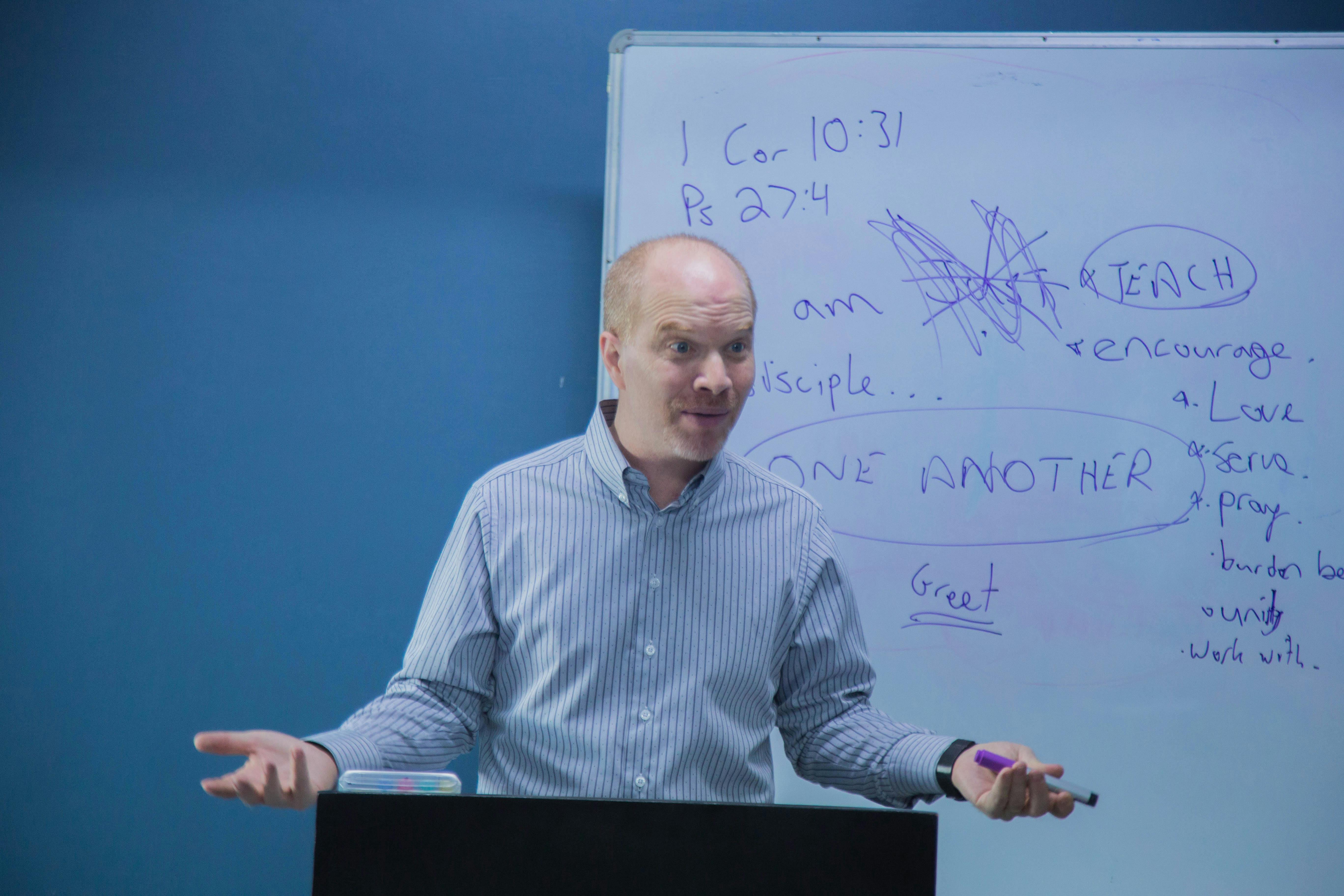
Oral exams, often referred to as vivas or speaking assessments, can be one of the most nerve-wracking parts of the university experience. Unlike written exams where you have time to sit back, reflect, and edit your answers, an oral exam requires you to think on your feet and communicate your knowledge in real-time. This dynamic environment can feel intimidating, but it is also a fantastic opportunity to demonstrate your depth of understanding and passion for your subject. The key to moving from anxiety to confidence lies in your preparation strategy and how you structure your study sessions leading up to the big day.
Preparing for an oral exam is fundamentally different from studying for a multiple-choice or essay-based test. You are not just being tested on what you know, but on how well you can articulate that knowledge under pressure. Professors are looking for clarity, critical thinking, and the ability to engage in a scholarly dialogue. To succeed, you need to shift your mindset from passive memorization to active verbalization. This means you should spend less time reading through your textbooks and more time explaining concepts out loud to anyone who will listen, or even to your own reflection in the mirror.
Mastering Your Course Material
Before you can speak eloquently about a topic, you must have a solid foundation of the facts. Start by identifying the core themes and key arguments of your syllabus. Create a mental map of how different concepts interconnect. In an oral exam, the examiner might start with a broad question and then drill down into specific details. If you understand the 'big picture,' you will be much better equipped to handle these follow-up questions without losing your train of thought. Focus on the nuances and potential counter-arguments within your field, as these are common areas for deeper questioning.
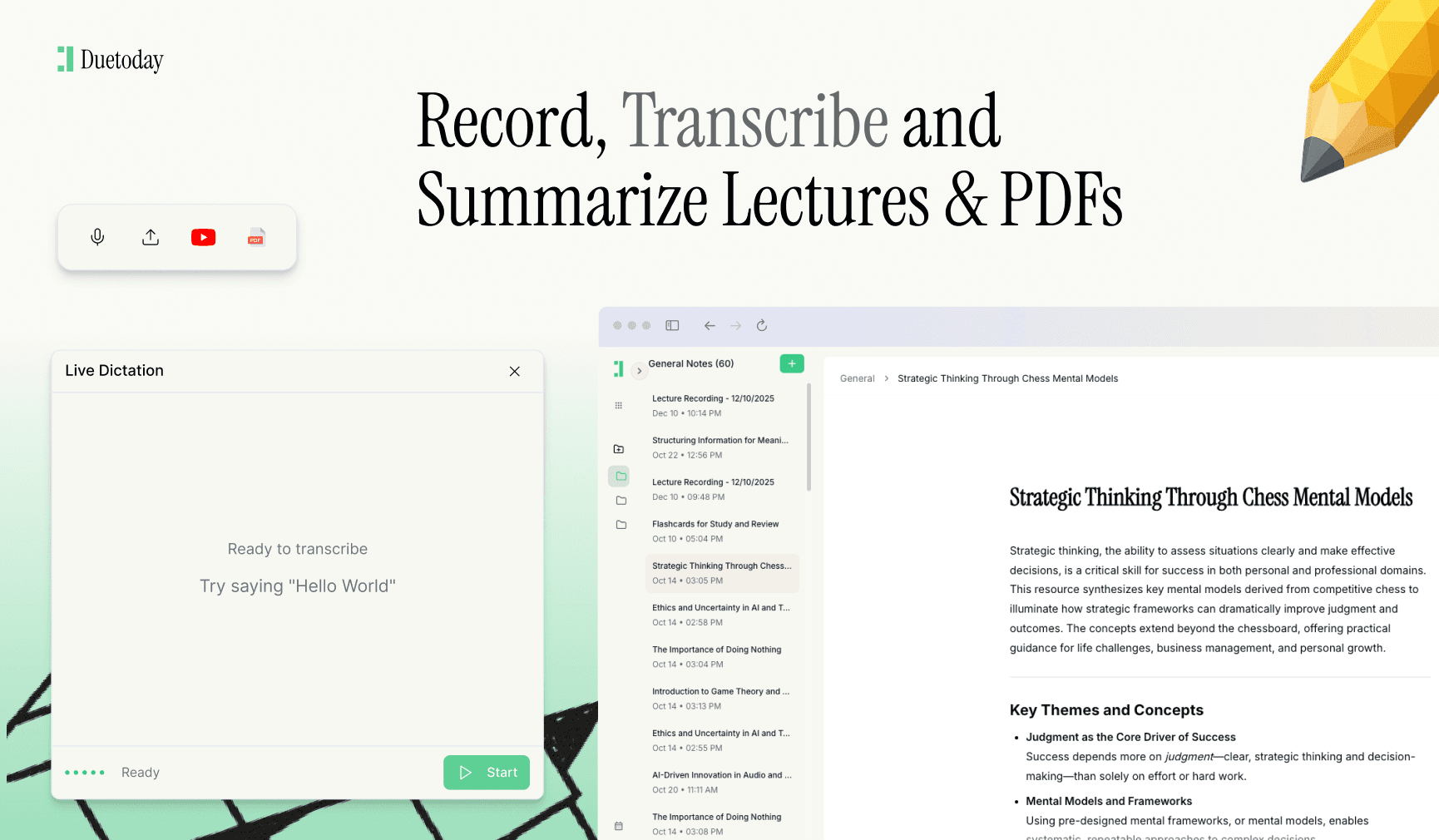
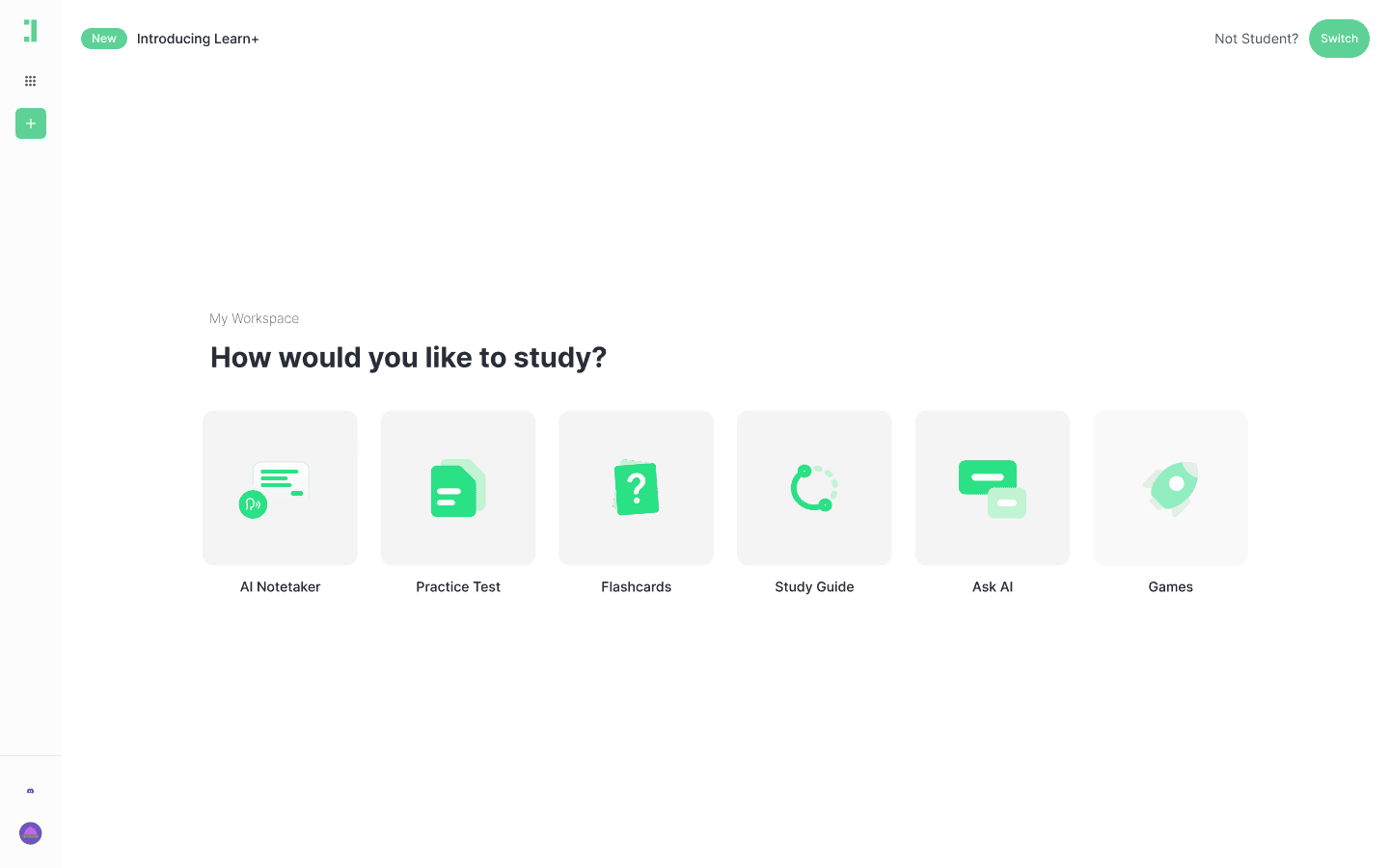
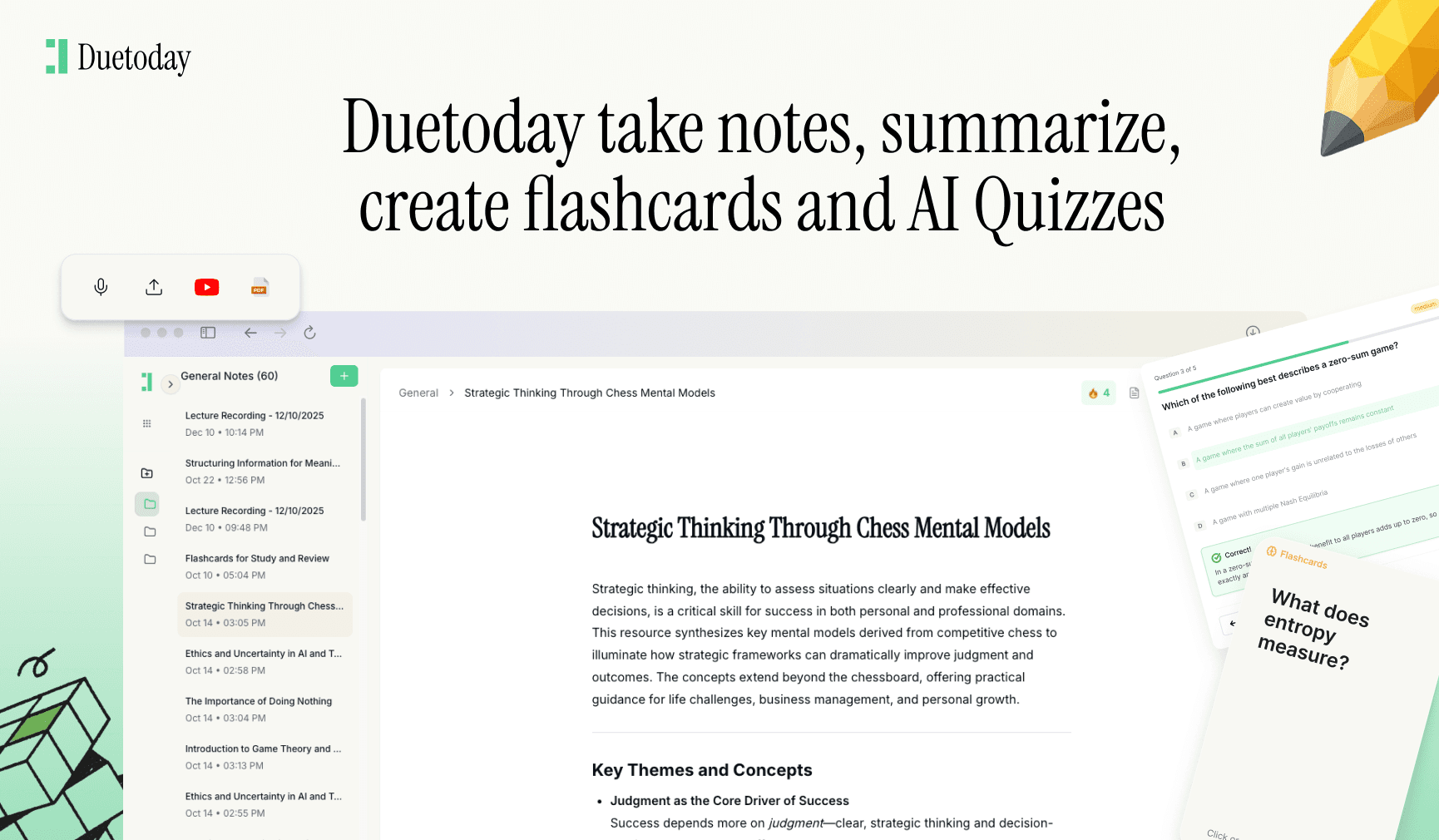
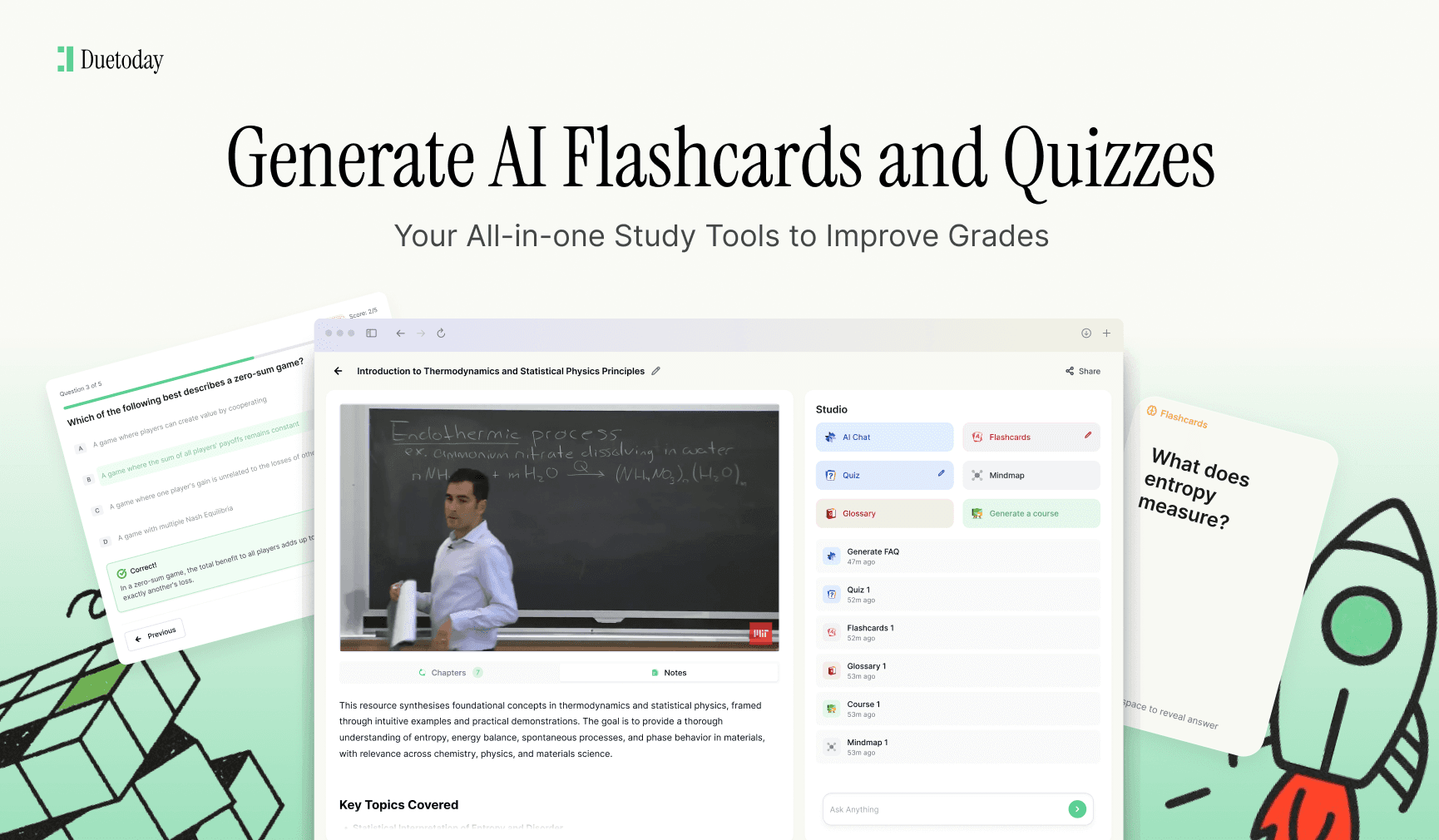
To make this process significantly more efficient, many students are now turning to specialized tools. Duetoday AI is an AI-powered learning platform that turns lectures, PDFs, and notes into summaries, flashcards, quizzes, and structured study tools automatically. It acts like a personalized AI tutor, helping students learn faster, stay organized, and retain information without spending hours rewriting notes. By using a tool like Duetoday, you can quickly generate summary sheets for your oral exam topics, allowing you to spend more time practicing your delivery rather than getting bogged down in the initial organization of your study materials.
The Power of Mock Exams
One of the most effective ways to prepare for the unique pressure of an oral exam is through simulation. Find a study partner or a group of friends and take turns playing the role of the examiner. Encourage them to ask difficult, probing questions that force you to defend your position. This practice helps you get used to the rhythm of a conversation and teaches you how to buy yourself a few seconds of thinking time if you get stuck. If you are studying alone, record yourself answering sample questions on your phone. Listening back to your responses can be eye-opening, as it allows you to identify filler words like 'um' and 'ah' or any gaps in your logic that need tightening.
Perfecting Your Delivery and Body Language
How you say something is often just as important as what you say. During an oral exam, your non-verbal communication plays a massive role in how confident and competent you appear to your professors. Maintain steady eye contact, sit up straight, and try to keep your hands steady. If you feel yourself getting anxious, take a deep breath before you start speaking. Pausing for a moment to collect your thoughts is not a sign of weakness; instead, it shows the examiner that you are thinking critically about the question rather than rushing into a half-baked answer.
Clarity and pace are also essential. It is natural to speak faster when you are nervous, but this can make it difficult for the examiner to follow your logic. Practice speaking at a measured, conversational pace. Use transition words like 'furthermore,' 'in contrast,' or 'consequently' to give your spoken answers a clear structure, similar to how you would organize an essay. This helps the examiner follow your train of thought and makes your overall presentation feel more professional and academic.
Handling Difficult Questions with Grace
Every student fears the moment they are asked a question they don't know the answer to. However, in an oral exam, not knowing the immediate answer isn't necessarily the end of the world. Examiners are often testing your ability to think through a problem logically. If you are stuck, try to relate the question back to something you do know. You might say, 'I am not entirely sure about that specific detail, but based on the theory of X, I would hypothesize that...' This approach shows that even when faced with the unknown, you can apply your existing knowledge to reach a reasoned conclusion.
Final Preparation and Mindset
In the final days before the exam, focus on your mental and physical well-being. A lack of sleep can severely impact your cognitive function and your ability to recall information quickly. Ensure you are well-rested and hydrated. On the day of the exam, arrive early to avoid any unnecessary last-minute stress. Dress in a way that makes you feel professional and confident. Remember that the examiners are usually not there to trick you; they want to see you succeed and show off what you have learned throughout the semester. Treat the exam as a conversation between two people interested in the same subject, and you will find it much easier to stay calm and focused.
Effective Review Strategies
Reviewing your notes one last time should be about reinforcing the links between topics rather than trying to cram in new facts. Look at your summaries and try to explain each point in under thirty seconds. This 'elevator pitch' technique ensures you have the core essence of each topic internalized. Reviewing in a variety of environments can also help with memory retention. Try explaining a concept while taking a walk or sitting in a coffee shop. The more diverse your practice, the more accessible the information will be during the high-pressure environment of the examination room.
What should I do if I don't understand the question?
Don't be afraid to ask for clarification. You can say something like, 'Could you please rephrase that?' or 'Just to clarify, are you asking about...' It is much better to take a moment to understand the prompt than to give an irrelevant answer.
How long should my answers be?
Aim for a balance. Your answers should be comprehensive enough to show your knowledge but concise enough to keep the conversation moving. Generally, a two-minute structured response is a good target for major questions.
What if I realize I made a mistake in a previous answer?
If you realize you said something incorrect, it is perfectly acceptable to correct yourself. Simply say, 'I'd like to clarify a point I made earlier,' and provide the correct information. This shows honesty and a commitment to accuracy.
How can I stop my voice from shaking?
Focus on your breathing. Deep, diaphragmatic breaths can help calm your nervous system. Remember that a little bit of nerves is normal and often helps you stay sharp during the assessment.