How to Avoid Procrastination in University: A Realistic Guide

The Reality of University Procrastination
University life is a whirlwind of social events, newfound independence, and a heavy academic workload. For many students, the pressure to perform combined with the freedom of a flexible schedule creates the perfect storm for procrastination. It is that familiar feeling of staring at a blank document while the deadline looms closer, or suddenly finding the urge to deep-clean your kitchen when a 3,000-word essay is due. Procrastination isn't just about being lazy; it is often a complex emotional response to stress, fear of failure, or feeling overwhelmed by the sheer volume of work.
Understanding why you delay your tasks is the first step toward fixing the habit. Most students procrastinate because the task feels too big to tackle or because they lack a clear starting point. When you view a semester-long project as one giant obstacle, your brain naturally seeks a distraction to avoid the discomfort. To break this cycle, you need to shift your focus from the end result to the immediate next step. By mastering the art of starting, you remove the mental barrier that keeps you stuck on your phone instead of in your books.
Create an Environment for Focus
Your physical surroundings play a massive role in your productivity levels. If you try to study in bed, your brain is more likely to associate that space with sleep or relaxation rather than hard work. Establishing a dedicated study zone, whether it is a specific corner of the library or a desk in your room, helps trigger a productive mindset. Keep this area organized and free from distractions like your phone or non-essential tabs on your laptop. Even small changes, like using noise-canceling headphones or adjusting the lighting, can significantly impact your ability to concentrate for longer periods.
Digital distractions are perhaps the biggest enemy of the modern student. Social media algorithms are designed to keep you scrolling, making it nearly impossible to regain focus once you have been interrupted. Using website blockers or putting your phone in another room during study sessions can provide the friction needed to keep you on task. Remember, the goal is not to eliminate all fun from your life, but to create a clear boundary between work time and leisure time so that both are more fulfilling.
Leverage the Power of Duetoday AI
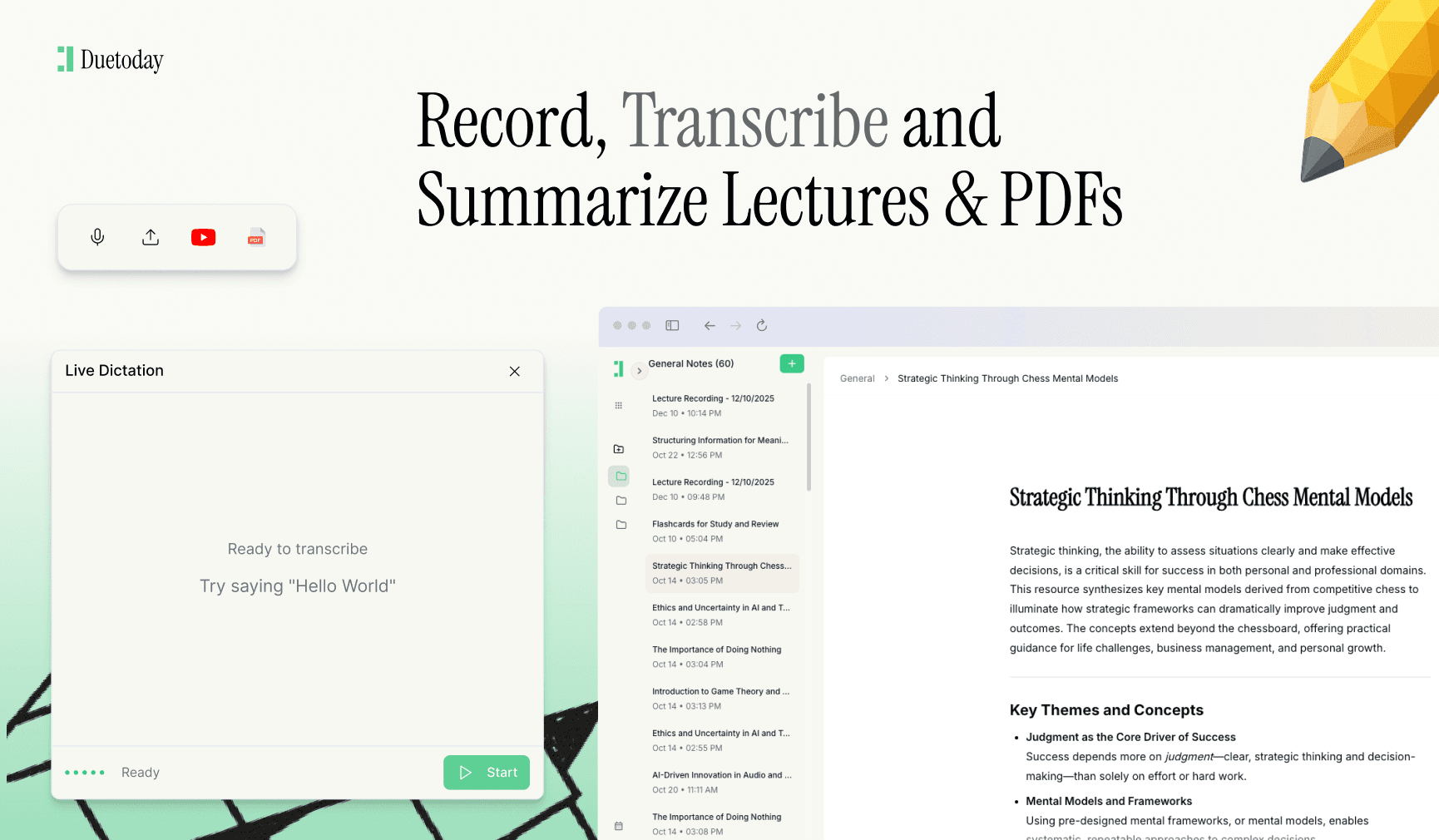
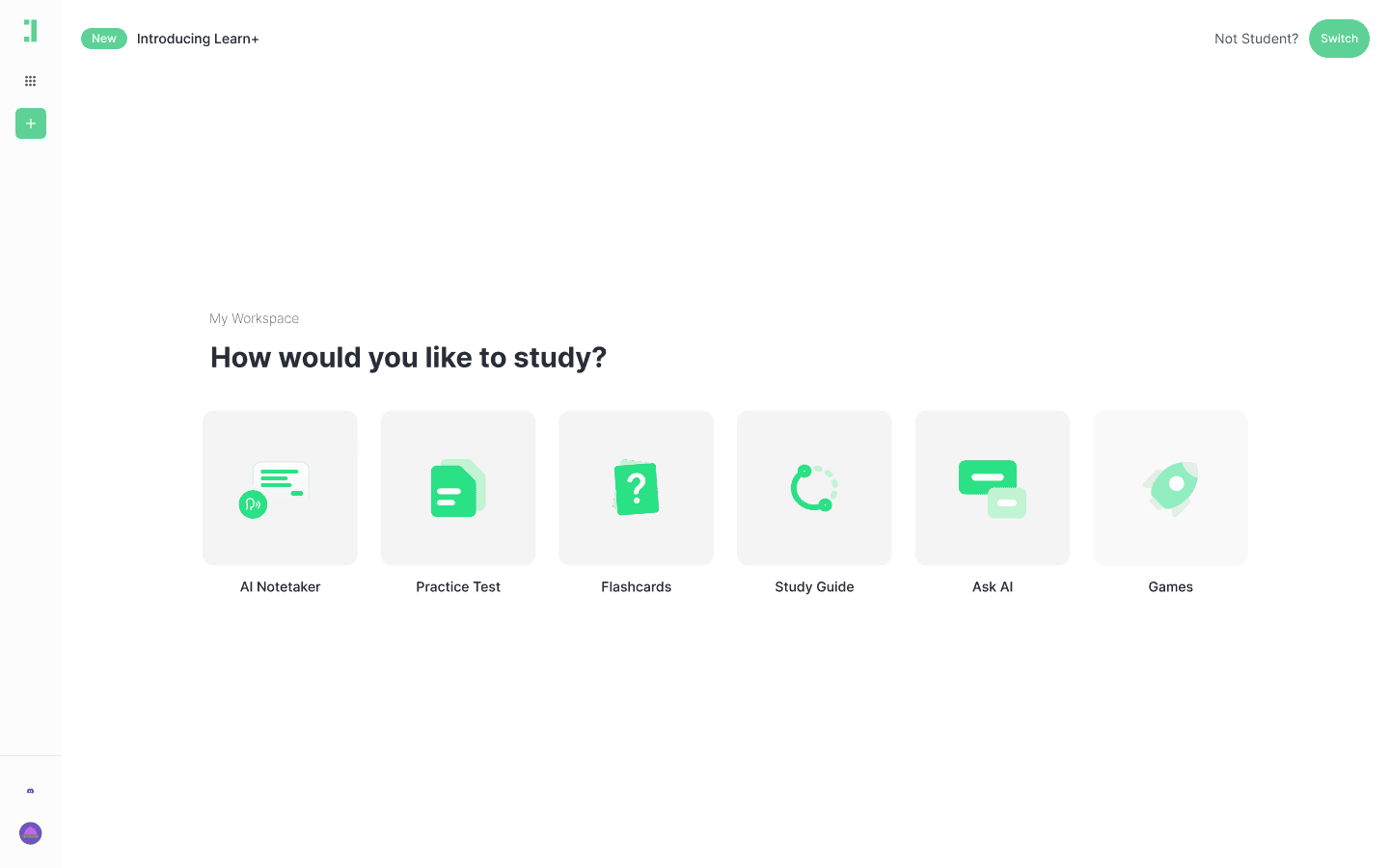
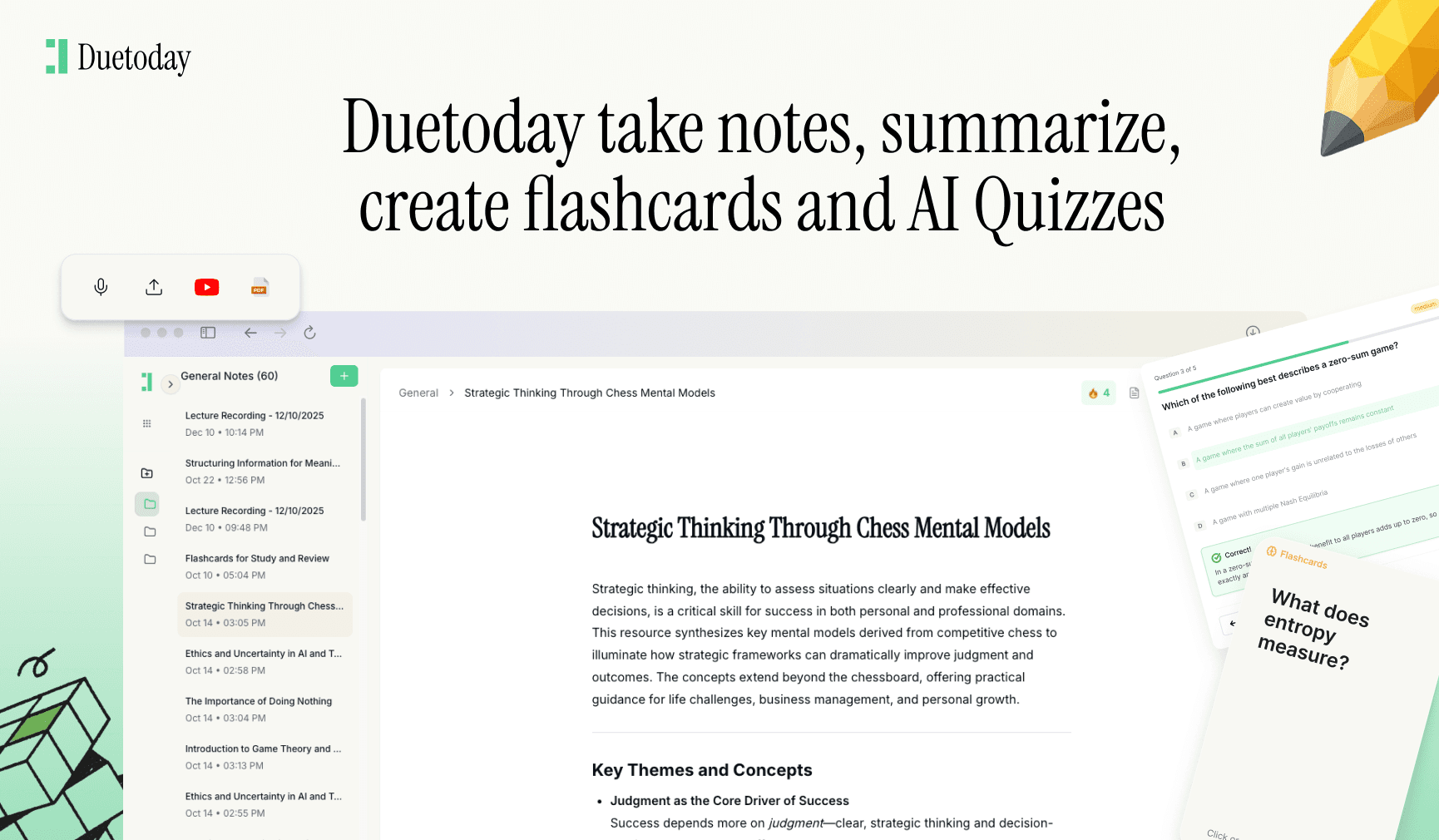
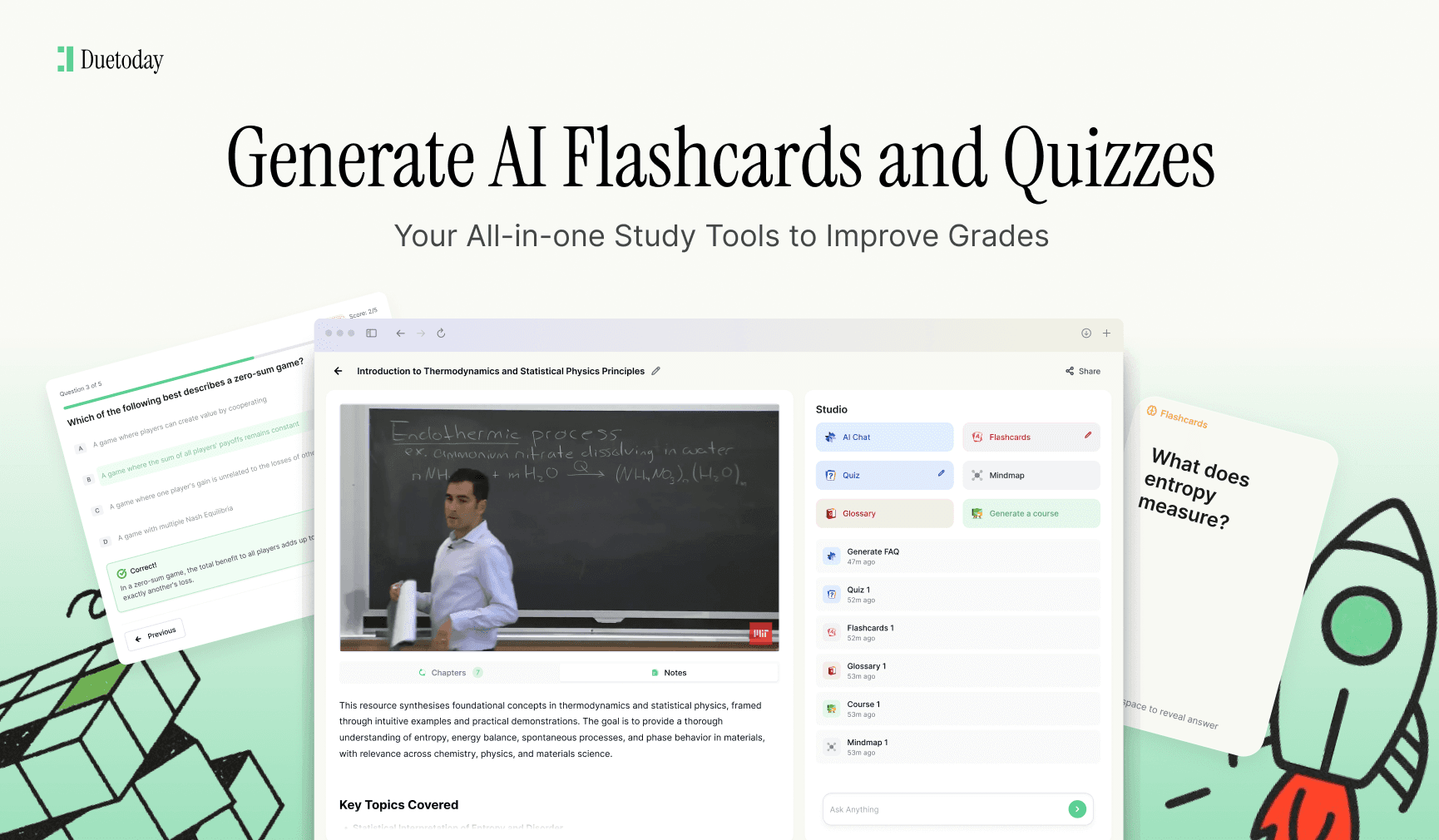
One of the biggest reasons students procrastinate is the overwhelming amount of material they need to process. This is where Duetoday AI becomes a game-changer for your study routine. Duetoday is an AI-powered learning platform that turns your dense lecture recordings, messy PDFs, and scattered notes into concise summaries, flashcards, and quizzes automatically. Instead of spending hours just trying to organize your thoughts or re-reading textbooks, the platform acts as a personalized tutor to help you dive straight into active learning. By removing the friction of preparation, Duetoday AI helps you stay organized and retain information faster, making it much easier to start your study sessions without the usual dread.
The 5-Minute Rule and Small Wins
If you find yourself stuck, try the 5-minute rule. Commit to working on a task for just five minutes with the permission to stop afterward if you want to. Usually, the hardest part of any assignment is the transition from doing nothing to doing something. Once you have started, the momentum often carries you through the next hour. Celebrating these small wins releases dopamine in the brain, reinforcing the habit of taking action rather than delaying it. Over time, these small blocks of focused time add up to significant progress, reducing the panic that usually sets in right before a deadline.
Mastering Your Schedule with Time Blocking
To-do lists are great, but they can often become overwhelming lists of demands with no structure. Time blocking is a more effective method where you assign specific tasks to specific hours of your day. This technique forces you to be realistic about how much you can actually achieve in twenty-four hours. When you schedule a block for 'Researching Sources,' you are giving yourself a clear mission. It prevents the vague 'I need to study' mindset, which often leads to unproductive wandering. Make sure to include breaks in your schedule to avoid burnout and keep your energy levels consistent throughout the week.
Another effective strategy is the Pomodoro Technique, which involves working for twenty-five minutes followed by a five-minute break. This structure keeps your mind fresh and provides frequent rewards for your focus. During these breaks, it is important to step away from your screen—stretch, grab some water, or look out the window. These micro-rests prevent mental fatigue and make long study sessions feel much more manageable. Consistency is more important than intensity; studying for three hours every day is far more effective than a twelve-hour marathon once a week.
Managing the Emotional Side of Procrastination
Often, we procrastinate because we are perfectionists. The fear that our work won't be good enough prevents us from starting at all. You have to give yourself permission to write a 'messy first draft.' This lowers the stakes and allows you to get your ideas down on paper without judgment. You can always edit a bad page, but you cannot edit a blank one. Treat your academic journey as a learning process rather than a constant test of your worth. Self-compassion is a surprisingly effective tool against procrastination; if you forgive yourself for a slow morning, you are more likely to have a productive afternoon than if you spend the whole day feeling guilty.
Peer accountability can also be a powerful motivator. Finding a study buddy or joining a study group creates a sense of social pressure that can keep you on track. When you know someone else is working alongside you, it becomes harder to justify scrolling through TikTok. However, ensure that your study group is focused on work rather than just socializing. Sharing your goals with a friend and checking in at the end of the day can provide the external validation needed to stay consistent with your habits.
Prioritizing Health for Mental Clarity
It is impossible to maintain focus if your body is neglected. Lack of sleep, poor nutrition, and zero exercise directly impact your cognitive functions and willpower. When you are tired, the part of your brain responsible for decision-making and self-control—the prefrontal cortex—is the first to suffer. This makes you much more likely to give in to the immediate gratification of procrastination. Aim for a consistent sleep schedule and try to get some sunlight every day to keep your circadian rhythm in check. A healthy brain is your best asset in the fight against distractions.
Ultimately, beating procrastination is about building systems that support your goals. It is about understanding your triggers and having a toolkit of strategies to overcome them. Whether it is using Duetoday AI to streamline your notes or using time blocking to manage your week, every step you take toward better organization makes your university experience less stressful and more rewarding. Start today by picking just one strategy and applying it to your next task. You will find that the more you act, the easier it becomes to stay ahead of the curve.
Why do university students procrastinate so much?
Students often procrastinate due to the lack of rigid structure compared to high school, combined with high-pressure assignments that trigger anxiety and a fear of failure.
How can I get motivated to study when I feel tired?
Focus on the '5-minute rule' to build momentum. Small, manageable tasks are easier for a tired brain to handle than massive projects.
Is procrastination a sign of laziness?
No, procrastination is usually a coping mechanism for stress or feeling overwhelmed. It is an emotional regulation problem, not a character flaw.
How does Duetoday AI help with procrastination?
It reduces the 'start-up cost' of studying by automatically organizing materials into summaries and quizzes, so you don't waste hours on preparation.
What is the best time-management technique for students?
Time blocking and the Pomodoro Technique are highly recommended because they provide structure and scheduled breaks to prevent burnout.