Transcribe Lecture Recordings to Notes (Next-Level Notes in Minutes)
Learn how to transcribe lecture recordings into organized study notes. Works with audio, video, and dictation. Transform lectures into searchable revision guides.
Upload Your Recording
Transcribe Lecture Recordings to Notes (Next-Level Notes in Minutes)
Keeping up with lecture content can feel like a race you are destined to lose. Whether the professor speaks at 2x speed or the subject matter is packed with dense terminology and complex frameworks, manual note-taking often forces a trade-off between listening and writing. When you focus on scribbling every word, you miss the nuances, the 'aha' moments, and the specific exam hints that make the difference between passing and excelling.
Turning your lecture recordings into structured notes is the ultimate productivity hack for modern students. Instead of relying on fragmented, messy handwriting, you can capture every single explanation and detail without the stress of missing a beat. This approach ensures that you are fully present during the session, allowing you to engage with the material while the heavy lifting of documentation happens in the background.
The best part about this workflow is its versatility. You don't need a specific setup; it works seamlessly with both live dictation—where you speak or record directly into a tool—and uploaded files. Whether you have a voice memo from your phone, a Zoom recording from an online class, or a video file from a lecture portal, these can all be converted into high-quality, searchable text for your revision.
Why Transcribing Lectures is Especially Powerful for Students
Transcribing your lectures offers a level of depth that traditional note-taking simply cannot match. When you have a full transcript, you have a verbatim record of everything said, which is particularly vital for technical subjects where one missed word can change the meaning of a whole concept. It transforms a passive listening experience into an active asset that you can manipulate, search, and refine.
Beyond just having the text, this method allows you to build a personal knowledge base that is easily accessible. You can quickly find specific keywords, jump to sections you didn't quite understand, and bridge the gap between your textbook and what the professor actually emphasized in class. It removes the 'blank page' anxiety that comes with starting a study session from scratch.
Capture every definition and niche example shared in class.
Create a searchable database for fast revision before exams.
Pull exact frameworks, formulas, and process steps with zero errors.
Perform faster weekly reviews without having to rewatch hours of video.
The Flow: Lecture to Transcript to Clean Notes
To get the most out of your recordings, you need a systematic workflow. Simply having a wall of text isn't enough; the goal is to turn that raw data into a structured study guide that is ready for active recall. Following these steps ensures your time is spent studying the material, not just organizing it.
Step 1: Capture the Lecture or Upload a File
Your first step is gathering the source material. You can record live using a phone voice memo or a laptop's built-in recorder during any in-person session. For those in a hybrid or online environment, you can save the online lecture recording or download the lecture video file directly from your university portal. If you prefer to reflect on the class afterward, you can even use dictation to record your own summary of the key points.
Step 2: Transcribe and Structure It for Study
Once you have your audio or video file, the next step is to generate the transcript. Modern transcription tools are incredibly accurate and can handle specific academic terminology. During this phase, focus on ensuring the text is broken down with clear headings, speaker labels, and timestamps. This structure makes it much easier to navigate the document later when you need to find a specific explanation from the middle of a two-hour session.
Step 3: Turn the Transcript into Notes
Raw transcripts are helpful, but notes are better. You need to shape the text to match how your subject is tested. Identify the core components like definitions, step-by-step processes, and comparative frameworks. If your professor spent ten minutes talking about a case study, condense that into a high-level summary with the key takeaways. Your objective is to extract the wisdom from the words.
Step 4: Do a Quick Cleanup Pass
Spend five to ten minutes reviewing the generated notes to ensure everything is accurate and matches your understanding. This is the stage where you add the 'human touch'—fixing any spelling errors in technical names or highlighting the specific points the lecturer emphasized as 'exam-ready'.
Fix key terms, names, and academic jargon.
Bold or highlight essential definitions.
Pull out specific formulas or frameworks into boxes.
Mark examples that are likely to appear on the exam.
Add context lines for parts that feel unclear.
Split long blocks of text into readable sections.
Step 5: Study Smarter with the Notes
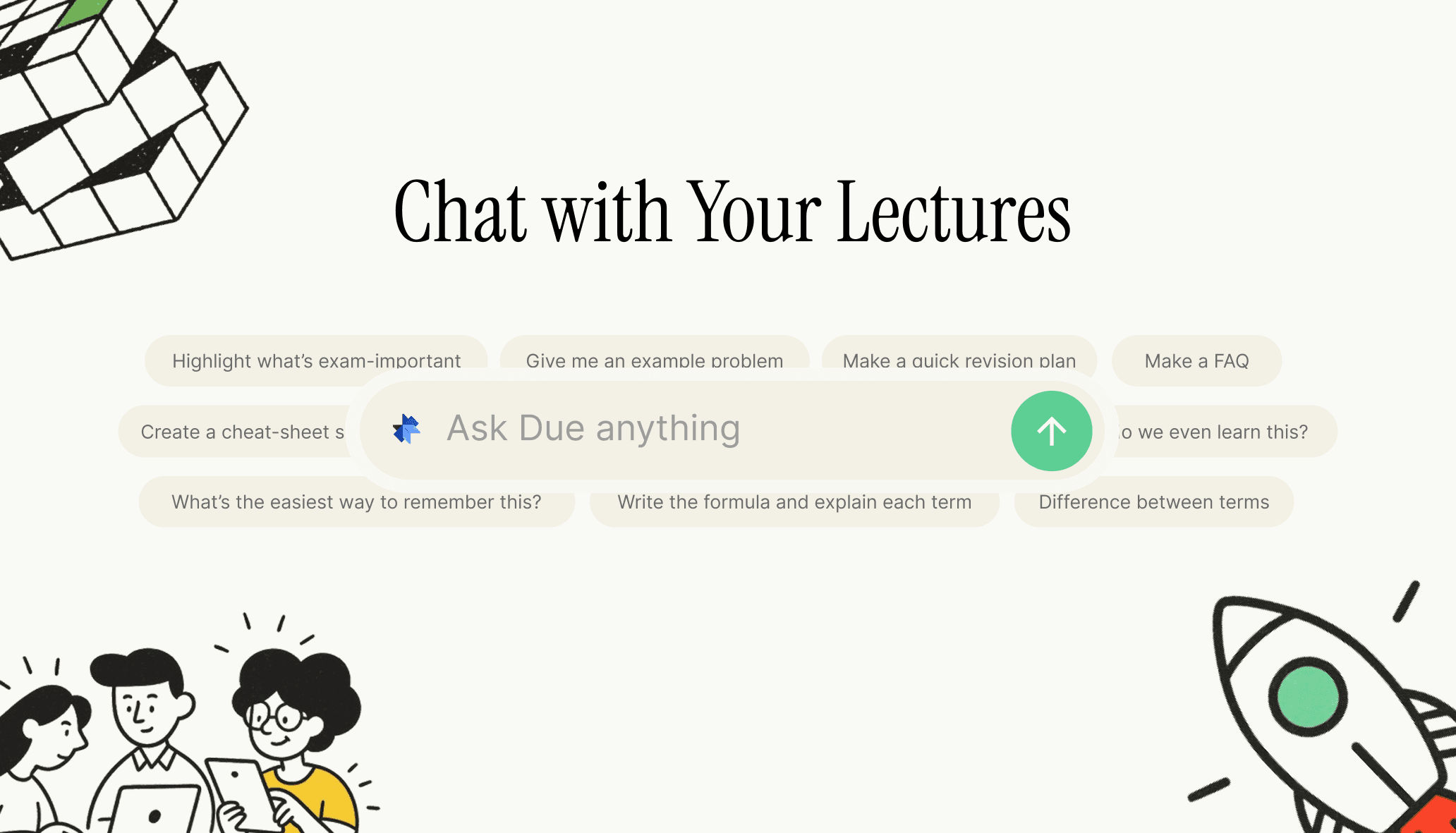
Now that you have clean, structured notes, use them for active revision. Instead of just reading them over, use the extracted points to create a spaced repetition schedule. You can easily convert these notes into other formats like flashcards or practice questions. Because your notes are digital and organized, you can quickly scan them during a 15-minute gap between classes to reinforce your learning.
What to Include in Your Lecture Notes
Effective notes are more than just a summary; they are a breakdown of the lecture's internal logic. To make your notes truly high-value, you should ensure they contain specific elements that help you apply the knowledge later.
Core definitions and their meaning in plain English.
Formulas or frameworks and the specific scenarios where they apply.
Step-by-step processes for solving problems or analyzing cases.
Worked examples or real-world case studies mentioned by the professor.
Common mistakes or misconceptions the lecturer warned about.
Specific hints regarding exam structure or potential questions.
Comparison tables that contrast two different theories or methods.
Key assumptions and conditions for when certain rules apply.
Duetoday: Your AI Note-Taking Partner
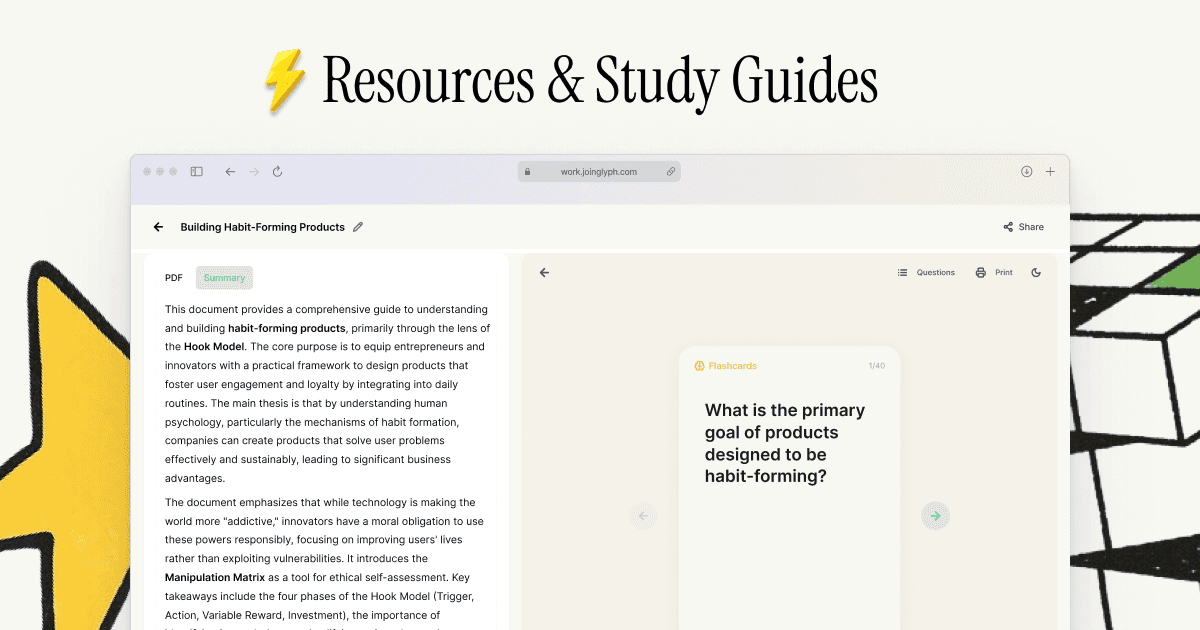
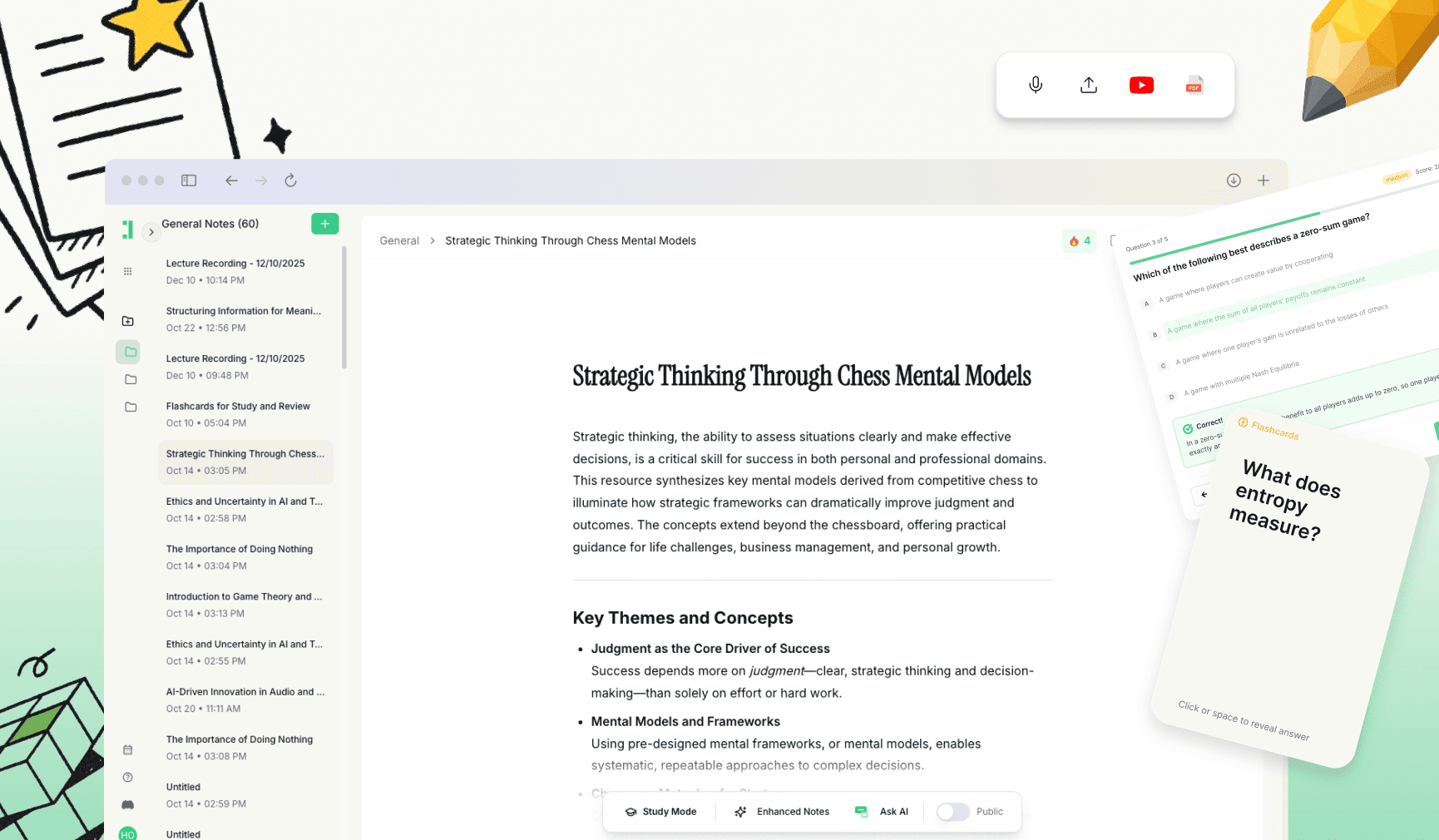
If you are looking for a streamlined way to handle this entire process, Duetoday is an AI note-taker designed specifically for students. It takes the friction out of the workflow by handling the transcription and organization of your lecture materials automatically. Whether you are recording a live lecture via dictation or uploading a video file from your computer, it produces high-quality transcripts and structured notes in seconds.
Beyond just generating text, Duetoday offers a suite of study tools that turn your notes into actionable revision assets. You can generate flashcards, take practice quizzes based on your lecture content, or use the built-in AI tutor to clarify difficult concepts. It is a comprehensive solution for students who want to spend less time formatting and more time mastering their subject matter.
Common Issues and Simple Fixes
Too far from the speaker: If you are recording in person, try to sit as close to the front row as possible. Using an external microphone for your laptop or ensuring your phone isn't buried in a bag will significantly improve the audio quality for transcription.
Background noise: To minimize interference, avoid typing directly next to your microphone or recording in high-traffic areas. If you are using a recorded video file, ensure the source audio is clear before processing.
Multiple speakers: In seminar-style classes with lots of discussion, use features like speaker labels to distinguish between the professor and student questions. You can also manually tag sections to keep the flow of the conversation clear.
Long lectures: For marathon sessions, it is often helpful to split the file or the notes into specific chapters or topics. This prevents the document from becoming overwhelming and makes it easier to focus on one concept at a time.
A Quick Conversion Example
Raw Transcript Snippet: "Basically, the law of diminishing returns says that if you keep adding more workers to a small kitchen, eventually they just get in each other's way and the total output starts to drop per person..."
Clean Notes Version:
Topic: Law of Diminishing Returns
Definition: The point where adding an additional factor of production results in smaller increases in output.
Example: Multiple workers in a confined kitchen space.
Key Takeaway: Efficiency peaks, then declines if resources aren't scaled proportionally.
Frequently Asked Questions
How accurate is lecture transcription for my subject? Modern AI transcription is extremely accurate, even when dealing with specialized academic jargon or complex terminology. While you should always do a quick pass to check the spelling of niche names, the overall quality is typically high enough for immediate use in study notes.
What file types can I use (audio/video)? You can use almost any standard file format including MP3, WAV, and M4A for audio, or MP4, MOV, and AVI for video. If you can play the lecture recording on your device, you can generally upload it for transcription without any extra conversion steps.
Can I use dictation instead of uploading a file? Yes, dictation is a great option if you want to record your thoughts in real-time or if you are recording a live lecture as it happens. You can speak directly into the tool, and it will capture your words and format them into text just like an uploaded file.
Can I transcribe online lectures (Zoom/Teams/recorded video)? Absolutely. You can record your screen or the audio from these platforms and then upload the resulting file. This is perfect for students who are attending virtual classes or using pre-recorded video modules from their university's learning management system.
How long does it take to transcribe a 60-minute lecture? Transcription and note generation are usually very fast. For a standard 1-hour lecture, the process typically takes just a few minutes, which is significantly faster than manually reviewing the recording or trying to type out notes after the class has ended.
Is a transcript enough, or should I convert it into structured notes? While a transcript is a helpful record, structured notes are much better for studying. Notes allow you to categorize information into definitions, examples, and summaries, making it easier to apply active recall and spaced repetition techniques during your exam prep.
Can I turn my notes into flashcards and practice questions? Yes, one of the biggest benefits of having digital, transcribed notes is the ability to instantly convert them into other study formats. Tools like Duetoday allow you to take your organized lecture notes and generate flashcards or quizzes to help you test your knowledge and prepare for finals.


Duetoday is an AI-powered learning OS that turns your study materials into personalised, bite-sized study guides, cheat sheets, and active learning flows.
GET STARTED
Most Powerful Study Tool
for Students and Educators
Try Out Free. No Credit Card Required.