Transcribe iPhone Lectures to Notes (Next-Level Notes in Minutes)
Learn how to transcribe lectures on iPhone into organized study notes. Convert audio or video recordings into searchable revision materials instantly.
Upload Your Recording
Mastering Your Coursework with iPhone Lecture Transcription
Capturing every detail in a fast-paced lecture can feel like an impossible task, especially when professors move quickly through dense terminology or complex frameworks. On an iPhone, the challenge isn't just recording the audio; it's finding a way to make that information usable without spending hours re-listening to files. When you struggle to keep up with manual writing, you often miss the subtle explanations that make the difference between a passing grade and an ace.
Transcribing your iPhone recordings into structured notes is a genuine cheat code for student productivity. By converting raw audio to text, you capture every specific example, formula explanation, and "exam hint" that usually gets lost in the shuffle of frantic typing. It allows you to stay present in the room, focusing on understanding the concepts rather than acting as a human typewriter.
The best part about modern transcription workflows on iPhone is their versatility. This process works perfectly whether you are using live dictation to record a professor in a hall or uploading existing files from your device. Whether it is a voice memo, a video recording of a seminar, or a downloaded Zoom lecture, you can turn any audio or video format into a clean, searchable document in minutes.
Why Transcribing Lectures is Power for Students
Using your iPhone to bridge the gap between spoken words and written notes transforms how you interact with your curriculum. Instead of a static audio file you'll likely never listen to again, you create a dynamic asset that fits into your study routine. It eliminates the 'blank page' syndrome and ensures your revision is based on exactly what was taught, not just what you managed to scribble down.
Retain every nuanced definition and professor-led example.
Create a searchable database for quick revision before midterms.
Extract specific frameworks and step-by-step processes accurately.
Slash your weekly review time by reading instead of rewatching.
By moving to a transcription-first workflow, you ensure that your study materials are high-fidelity. You no longer have to guess what a specific abbreviation meant or try to recall a complex diagram's verbal explanation. The record becomes the foundation of your knowledge base.
The Next-Level Workflow: iPhone Recording to Clean Notes
To get the most out of your iPhone, you need a systematic approach to move from raw audio to a polished study guide. Follow these five steps to maximize your efficiency.
Step 1: Capture the lecture (dictation or recording) OR upload a file
Start by choosing your source. You can use the built-in Voice Memos app for live lectures, record a video of a demonstration, or save an online lecture file directly to your iPhone's Files app. If you are in a live session, ensure your phone is positioned centrally to get the clearest audio possible. Alternatively, you can simply upload a pre-recorded video or audio file from your camera roll or cloud storage.
Step 2: Transcribe and structure it for study
Once you have your recording, the next step is generating a high-quality transcript. Modern tools handle the heavy lifting here, turning the audio into text blocks. Focus on ensuring the output is organized with clear sections. If your lecture involves multiple speakers, look for tools that can label who is talking, making it easier to distinguish between a professor's lecture and a student's question.
Step 3: Turn the transcript into notes that match your subject
A raw transcript is a great start, but it isn't a study note yet. You need to shape the text to reflect how you will be tested. Identify the core themes of the lecture and organize the text into categories like 'Core Definitions,' 'Methodologies,' or 'Case Studies.' This ensures that the information is indexed in a way that aligns with your specific exam format or essay requirements.
Step 4: Do a quick cleanup pass
Spend five minutes reviewing the generated text to ensure it aligns with the context of your class. Check this list to polish your document:
Correct technical jargon or unique names.
Bold or highlight central definitions.
Isolate key formulas or conceptual frameworks.
Tag examples that the professor emphasized for exams.
Clarify any context missing from the verbal delivery.
Break large blocks of text into readable headers.
Step 5: Study smarter with the notes
Now that you have structured notes, use them for active recall. Instead of just reading them, use the content to create summary points or mental maps. The structured format makes it easy to find specific topics when you're working on assignments, and because the text is digital, you can easily move it into other apps for long-term storage and spaced repetition review.
What to Include in Your Transcribed Notes
When refining your iPhone transcriptions, ensure you highlight these specific elements to make them useful for long-term learning:
Crucial definitions explained in plain English.
Core formulas and the specific scenarios where they apply.
Step-by-step logical processes or historical timelines.
Detailed case studies or real-world examples provided in class.
Common misconceptions the professor warned against.
Direct quotes or "hints" about upcoming exam questions.
Comparisons between different theories or models.
The underlying assumptions for any rules discussed.
Using Duetoday for iPhone Transcription
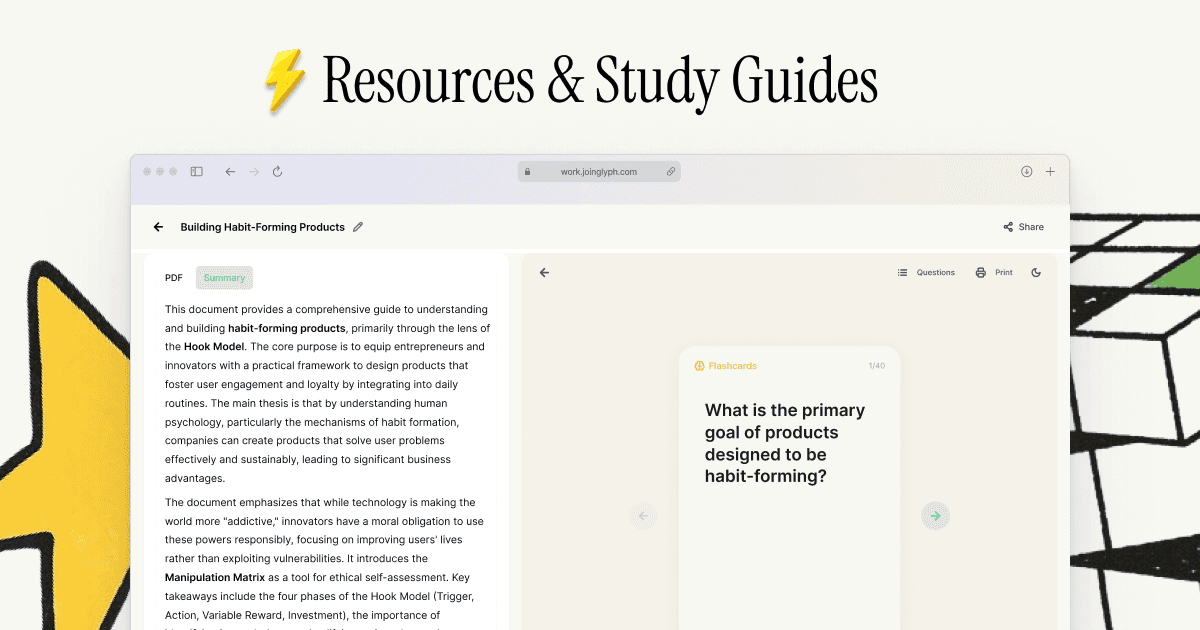
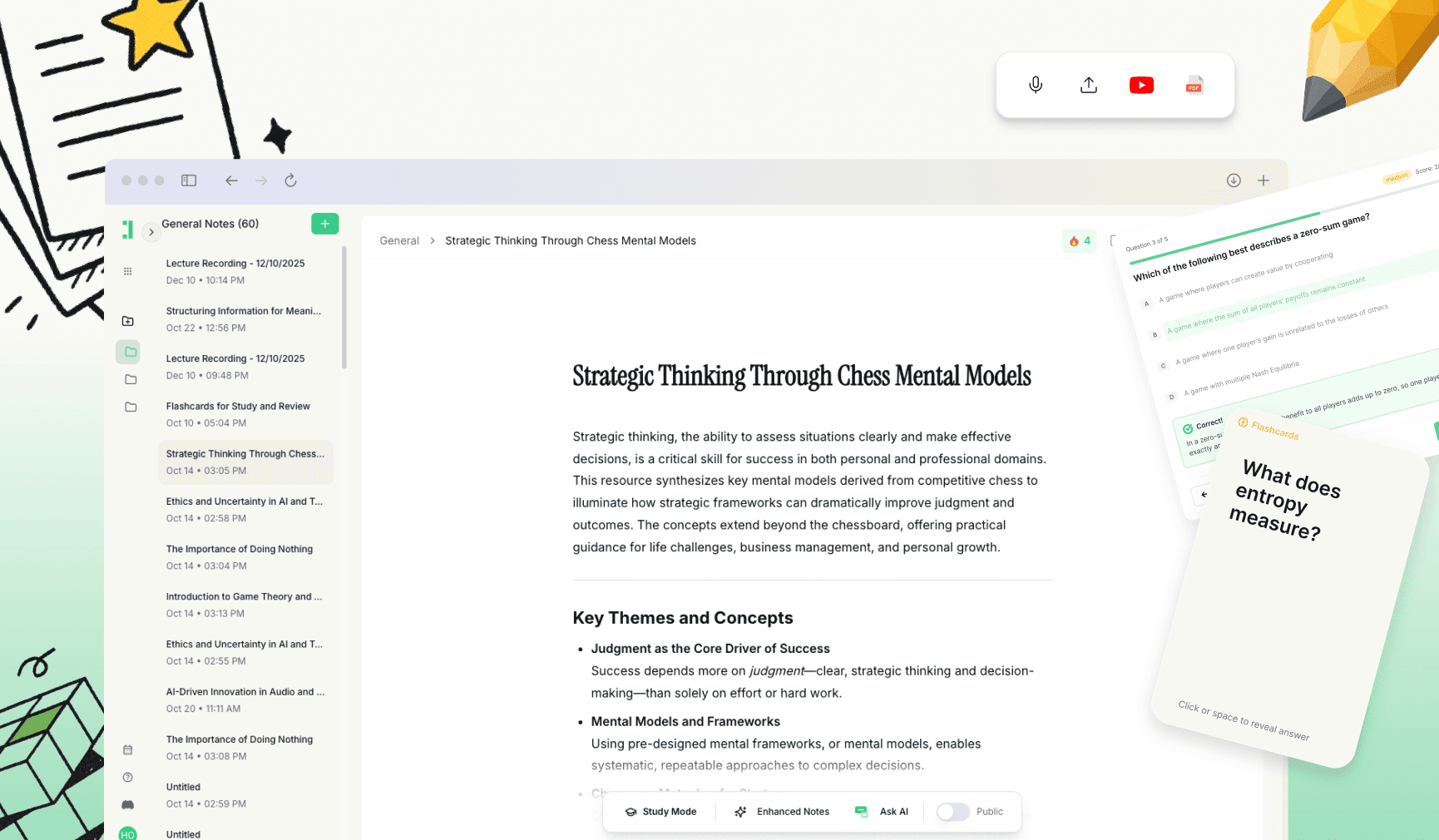
Duetoday is an AI-powered note-taker designed to help students turn complex lectures into organized study materials with minimal effort. It simplifies the entire workflow by handling both the recording and the intelligent organization of your content in one place. Whether you are recording live via dictation or uploading a video file from your iPhone, the platform produces accurate transcripts alongside structured notes tailored for revision.
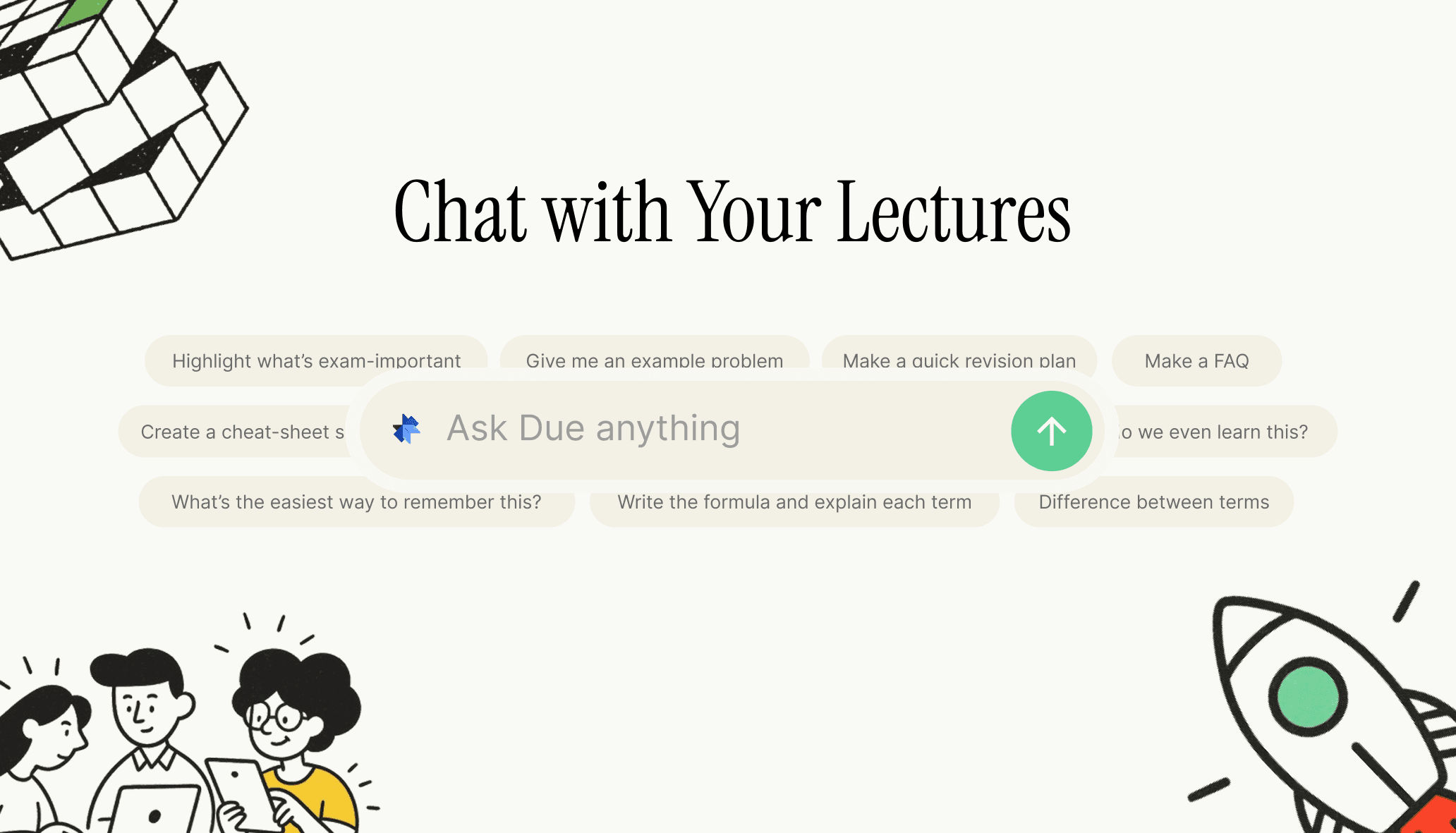
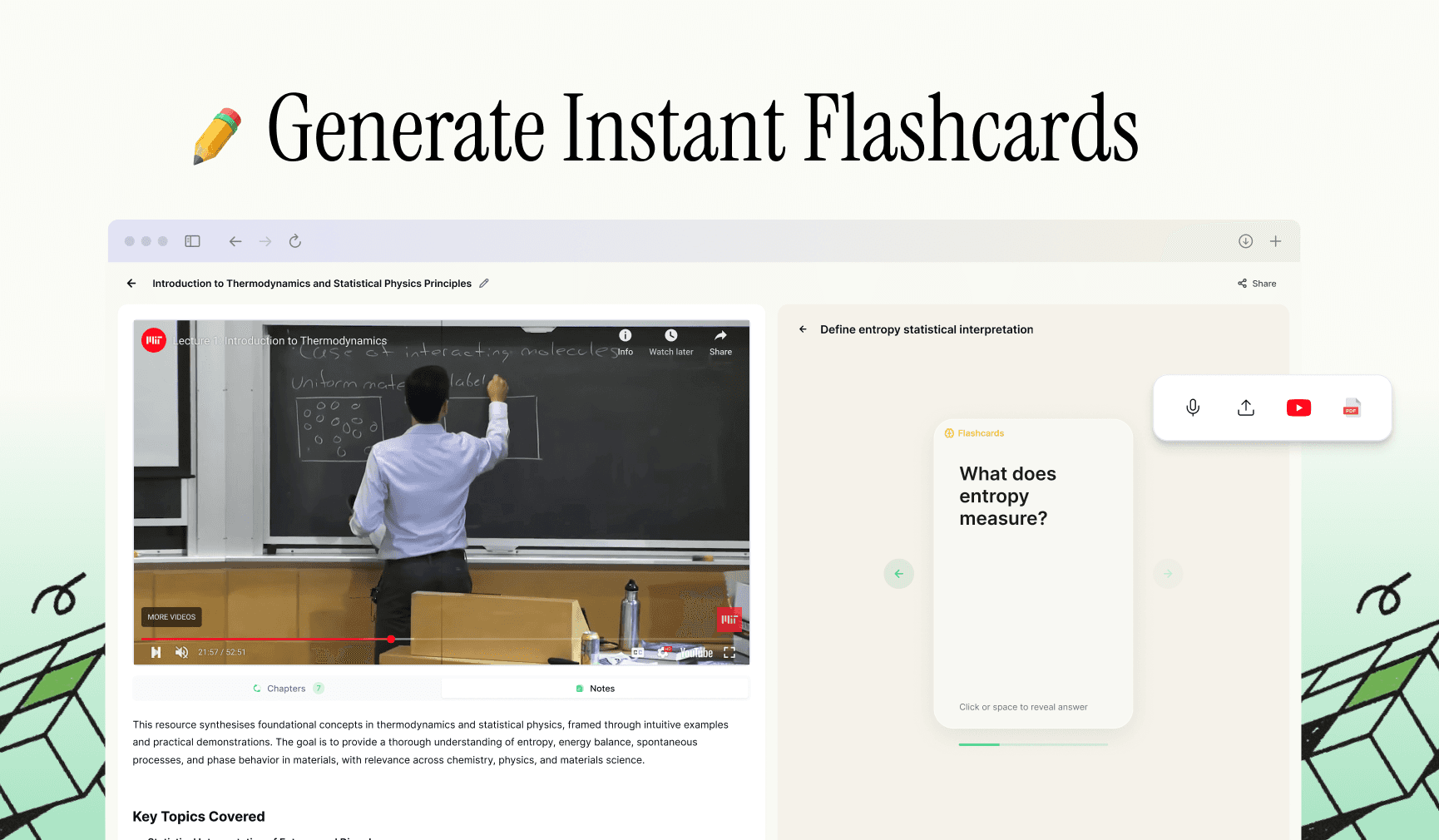
Beyond just transcription, Duetoday offers a suite of study tools that take your iPhone recordings even further. Once your notes are generated, you can instantly create flashcards, practice quizzes, or chat with an AI tutor to clarify difficult sections. It is a comprehensive solution for students who want to spend less time transcribing and more time actually learning the material.
Common Issues and Simple Fixes
Too far from the speaker: If the audio is faint, try to sit in the front row or use a plug-in directional microphone for your iPhone to improve clarity. Background noise: High levels of ambient noise can interfere with quality; try to keep your phone away from humming laptops or noisy air conditioning units. Multiple speakers: In seminars with lots of crosstalk, look for transcription settings that identify unique speaker voices to keep the notes coherent. Long lectures: For three-hour sessions, consider splitting your recordings into smaller chapters to make the resulting notes easier to navigate and review.
Transcription Example
Raw Transcript Snippet: "...so basically the mitochondria is like the power house... wait let me rephrase that... it generates ATP which is the energy currency of the cell, okay? This is central to cellular respiration."
Cleaned Study Note: Mitochondria: Known as the powerhouse of the cell. It is responsible for generating ATP (Adenosine Triphosphate), which serves as the primary energy currency for cellular respiration and biological processes.
Frequently Asked Questions
How accurate is lecture transcription for my subject? Modern AI transcription is highly accurate, even with technical subjects, though it is always wise to do a quick five-minute pass to ensure specialized terminology or names are spelled correctly.
What file types can I use? You can use almost any common audio or video format, including MP3, WAV, M4A, MP4, and MOV files recorded on your iPhone or downloaded from online portals.
Can I use dictation instead of uploading a file? Yes, you can use your iPhone to record live dictation as the professor speaks, which the tool will then process into text and structured notes later.
Can I transcribe online lectures like Zoom or Teams? Absolutely. You can record the screen on your iPhone or upload the saved video file from a recorded online session to generate your notes.
How long does it take to transcribe a 60-minute lecture? Transcription is usually much faster than real-time. A one-hour lecture typically takes only a few minutes to be fully converted into a text transcript and organized notes.
Is a transcript enough, or should I convert it into structured notes? While a transcript captures everything, structured notes are much better for studying. Converting text into headings and bullet points makes the information easier to digest and remember.
Can I turn my notes into flashcards and practice questions? Yes, once you have your transcribed notes, you can use integrated study tools to automatically generate flashcards and quizzes based on the specific content of that lecture.

Duetoday is an AI-powered learning OS that turns your study materials into personalised, bite-sized study guides, cheat sheets, and active learning flows.
GET STARTED
Most Powerful Study Tool
for Students and Educators
Try Out Free. No Credit Card Required.