Transcribe Google Meet Lectures to Notes (Next-Level Notes in Minutes)
Learn how to transcribe Google Meet lectures to notes instantly. Convert audio or video recordings into organized study guides, flashcards, and summaries.
Upload Your Recording
Mastering Google Meet Lectures with Automated Transcription
Google Meet has become a staple for modern education, but it presents a unique challenge: the intense speed of information delivery. When a professor is diving deep into complex concepts, trying to type every word manually often leads to 'fragmented learning,' where you are so focused on recording the data that you stop processing the logic behind it.
Transcribing Google Meet lectures to notes is the ultimate academic cheat code. Instead of frantically typing, you can engage with the lecture in real-time, knowing that every specific explanation, verbal exam hint, and complex case study is being captured with precision. This approach transforms a one-time video call into a permanent, searchable knowledge base.
The best part about this workflow is its versatility. Whether you are using live dictation to capture the audio as it happens or uploading a recording file after the class ends, the process is seamless. It supports any file type—from standard MP4 lecture videos to audio-only recordings—making it the most robust way to manage your digital coursework.
Why Transcribing Google Meet Lectures is Powerful for Your Studies
Digital lectures are often denser than in-person sessions because instructors can share screens and move through slides rapidly. Having a full transcript allows you to bridge the gap between what was shown on the screen and what was actually said, ensuring no context is lost in transition.
When you move from manual note-taking to a transcription-based workflow, you unlock several high-level outcomes:
Capture every technical definition and nuanced example perfectly.
Create a searchable database for rapid revision before exams.
Pull out specific frameworks and process steps without rewatching hours of video.
Perform a faster weekly review by scanning text instead of scrubbing through timelines.
By shifting your focus from 'recording' to 'reviewing,' you allow your brain to focus on high-order thinking. You can highlight the connections between concepts rather than just trying to keep up with the professor's talking speed.
The Next-Level Workflow: Lecture to Transcript to Clean Notes
Step 1: Capture the lecture (dictation or recording) OR upload a file. You can record your Google Meet session directly if you have permission, or use a phone voice memo or laptop recorder to capture the audio. If the professor provides a recording after class, simply download the audio or video file to prepare it for processing.
Step 2: Transcribe and structure it for study. Once you have your file or live dictation, the next step is generating the text. Modern AI transcription is incredibly accurate, but the real value lies in the structure. Ensure your transcript includes timestamps or clear section breaks so you can reference specific parts of the lecture later.
Refining Your Google Meet Data
Step 3: Turn the transcript into notes that match how the subject is tested. A raw transcript is a wall of text; your job is to shape it. Group information into definitions, step-by-step processes, and comparative frameworks. If your exam focuses on applications, pull out the case studies mentioned during the Meet call and format them as 'Problem/Solution' blocks.
Step 4: Do a quick cleanup pass. Even the best transcripts benefit from a five-minute polish to ensure the technical terminology is correct. Use this checklist during your review:
Fix spelling of subject-specific names and technical terms.
Highlight core definitions for easy scanning.
Format formulas or logic frameworks into clear blocks.
Mark specific examples the lecturer identified as 'exam-relevant.'
Break down large chunks of text into bulleted lists.
Add context lines where the lecturer referred to a specific slide.
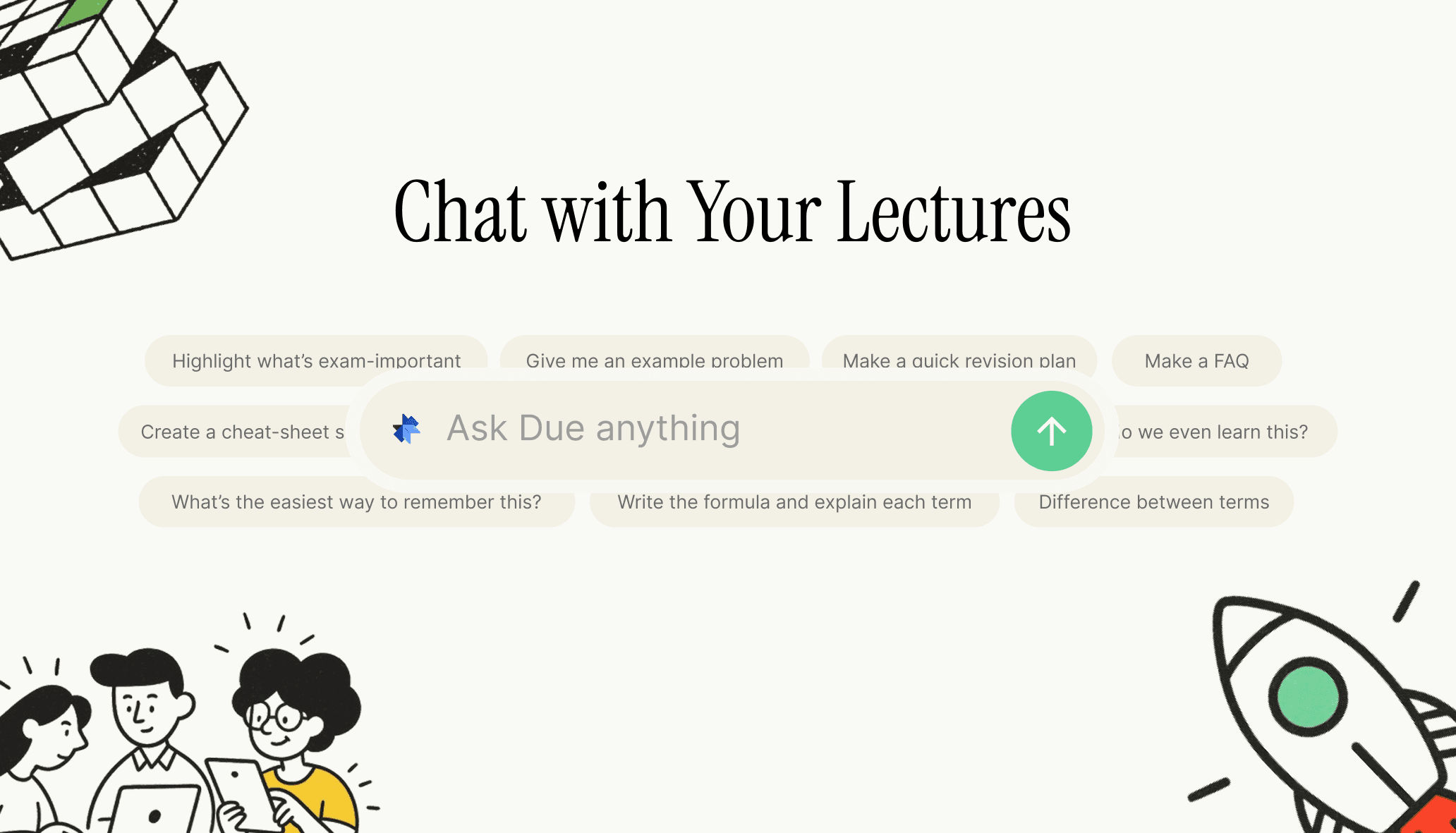
Step 5: Study smarter with the notes. Use your newly structured notes for spaced repetition. Because the notes are digital and organized, you can easily convert them into active recall tools. Try summarizing a whole 60-minute lecture into a one-page 'cheat sheet' or generating practice questions based directly on the lecturer's phrasing.
Essential Elements for Your Google Meet Lecture Notes
To make your notes truly effective, ensure they contain these specific components tailored to your course material:
Key definitions translated into plain English for better retention.
Core formulas or frameworks and the specific conditions in which they apply.
Step-by-step processes for solving problems or analyzing data.
Worked examples or case studies discussed during the Google Meet call.
Common misconceptions or pitfalls the professor warned about.
Direct hints about exam structure or potential question types.
Comparison tables for differentiating between two similar concepts.
Leveraging Duetoday for Success
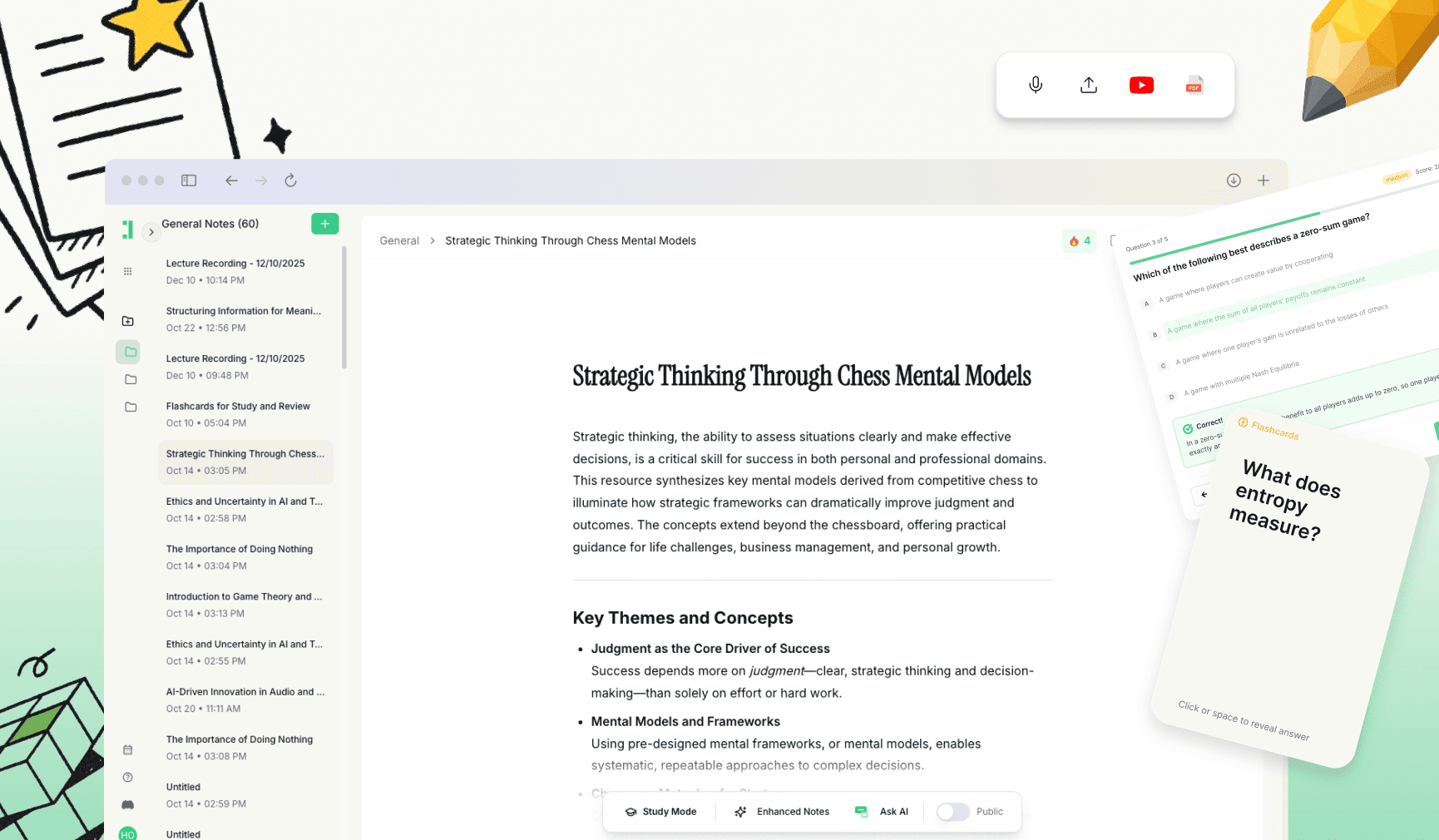
If you are looking for an all-in-one solution, Duetoday is an AI note-taker designed specifically for students. It handles the heavy lifting by converting your Google Meet recordings or live dictations into highly organized study assets without the manual grind. It supports both audio and video files, ensuring that no matter how you captured the lecture, you can process it effortlessly.
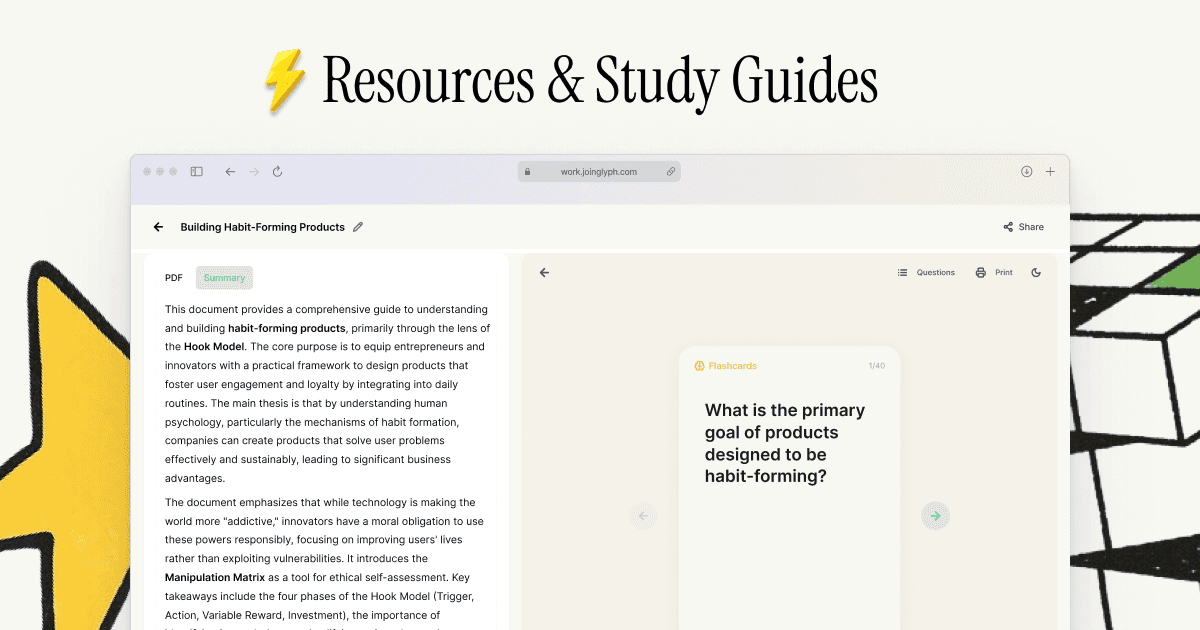
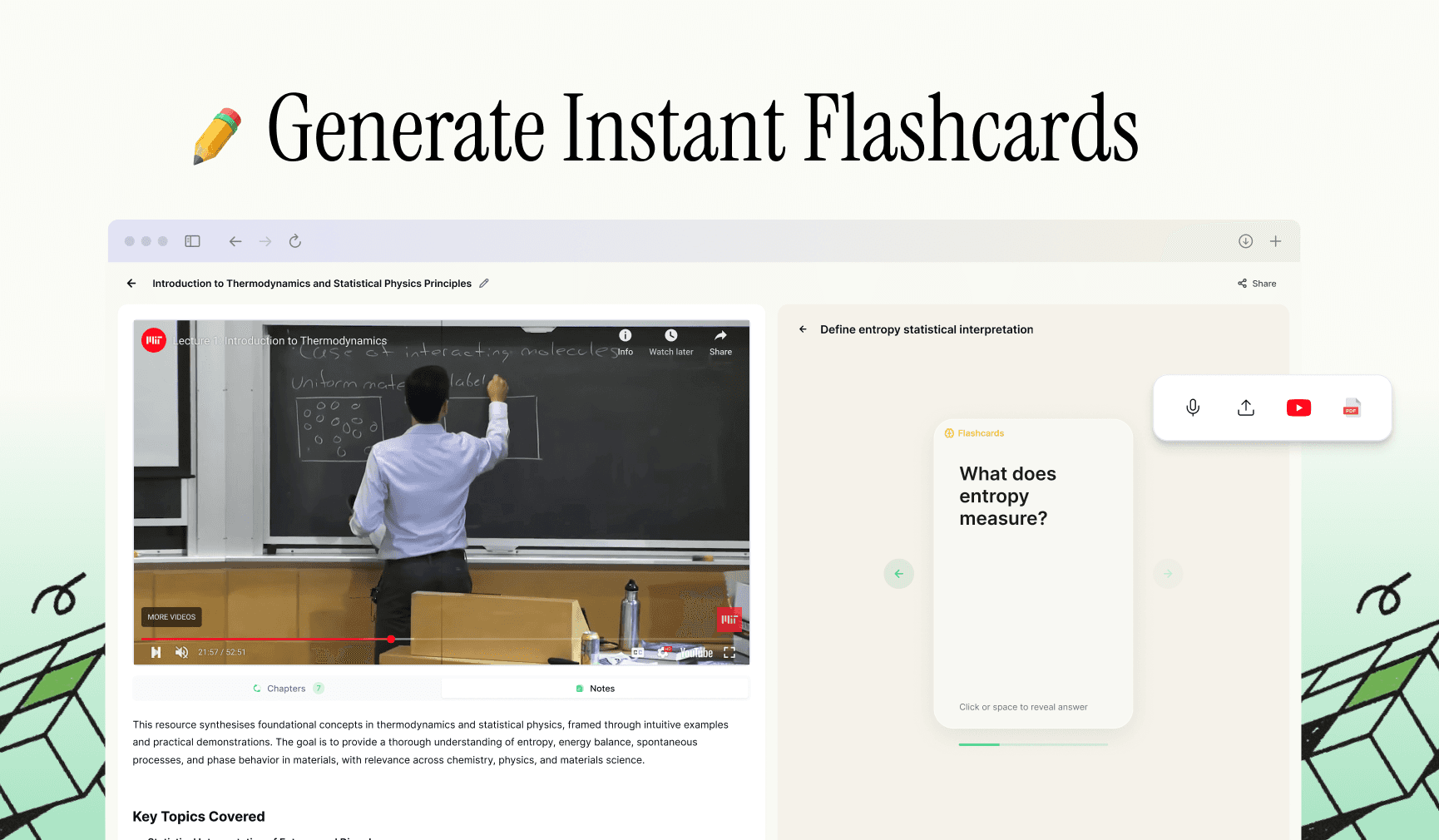
Beyond just transcription, Duetoday can generate flashcards, practice quizzes, and provide an AI tutor to help you clarify difficult sections of the lecture. It is a comprehensive tool for turning raw class data into genuine understanding, bridging the gap between attending a meeting and mastering the material.
Common Issues and Simple Fixes
Too far from the speaker: If you are recording ambient audio from your speakers, ensure the volume is clear and your microphone is positioned close to the output source to avoid muffling.
Background noise: Background hums or clicking keyboards can interfere with clarity; try to record in a quiet environment or use software-based noise cancellation during the meeting.
Multiple speakers: When several students ask questions, use a tool that supports speaker labels to distinguish between professor insights and peer inquiries.
Long lectures: For meetings exceeding 90 minutes, it is often helpful to process the transcript in chapters or sections to keep the resulting notes manageable and focused.
Example Transformation
Raw Transcript Snippet: 'So if we look at the way the market reacts, uh, usually it's a 10% shift, which we call a correction, not a crash, usually happens once a year...'
Cleaned Note Version:
Concept: Market Correction
Definition: A 10% shift in market value.
Nuance: Distinguished from a 'crash' by the scale and frequency (typically occurs annually).
Frequently Asked Questions
How accurate is lecture transcription for Google Meet? Modern AI models are exceptionally accurate, often hovering around 95% or higher, though technical terminology might require a quick manual check for subject-specific spelling.
What file types can I use (audio/video)? You can use almost any standard format, including MP4, MKV, and MOV for video, or MP3, WAV, and M4A for audio recordings of your lectures.
Can I use dictation instead of uploading a file? Yes, you can use live dictation by letting a recording tool listen to your computer's audio output during the Google Meet session to generate text in real-time.
Can I transcribe online lectures (Zoom/Teams/recorded video)? Absolutely, the workflow remains the same regardless of the platform; as long as you have the audio or a recorded file, it can be converted to notes.
How long does it take to transcribe a 60-minute lecture? Typically, automated systems can process an hour of audio in just a few minutes, which is significantly faster than the 4-6 hours it would take to transcribe manually.
Is a transcript enough, or should I convert it into structured notes? A transcript is a great archive, but structured notes are better for learning. Converting text into headings and bullets helps with cognitive processing and makes revision more efficient.
Can I turn Google Meet notes into flashcards and practice questions? Yes, once the lecture is transcribed, the structured text can be easily used to create active recall tools like flashcards and quizzes for better exam preparation.

Duetoday is an AI-powered learning OS that turns your study materials into personalised, bite-sized study guides, cheat sheets, and active learning flows.
GET STARTED
Most Powerful Study Tool
for Students and Educators
Try Out Free. No Credit Card Required.