Convert Any PDF to Topic Wise Questions Instantly
Learn how to transform your study PDFs into organized, topic-wise questions. Use Duetoday AI to generate flashcards and quizzes by chapter automatically.
PDF to Topic Wise Questions
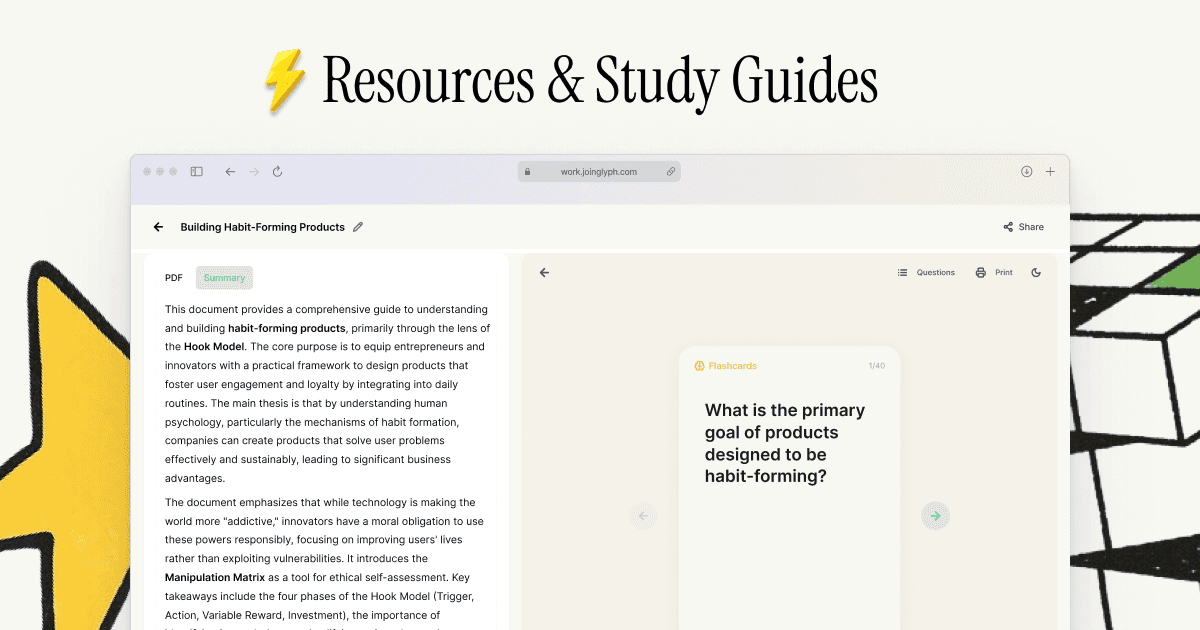
Converting a PDF to topic wise questions is the most efficient way to master complex material without feeling overwhelmed. When you break down a massive textbook or a set of lecture slides into specific topics, you can focus your energy on one concept at a time, ensuring you actually retain the information.
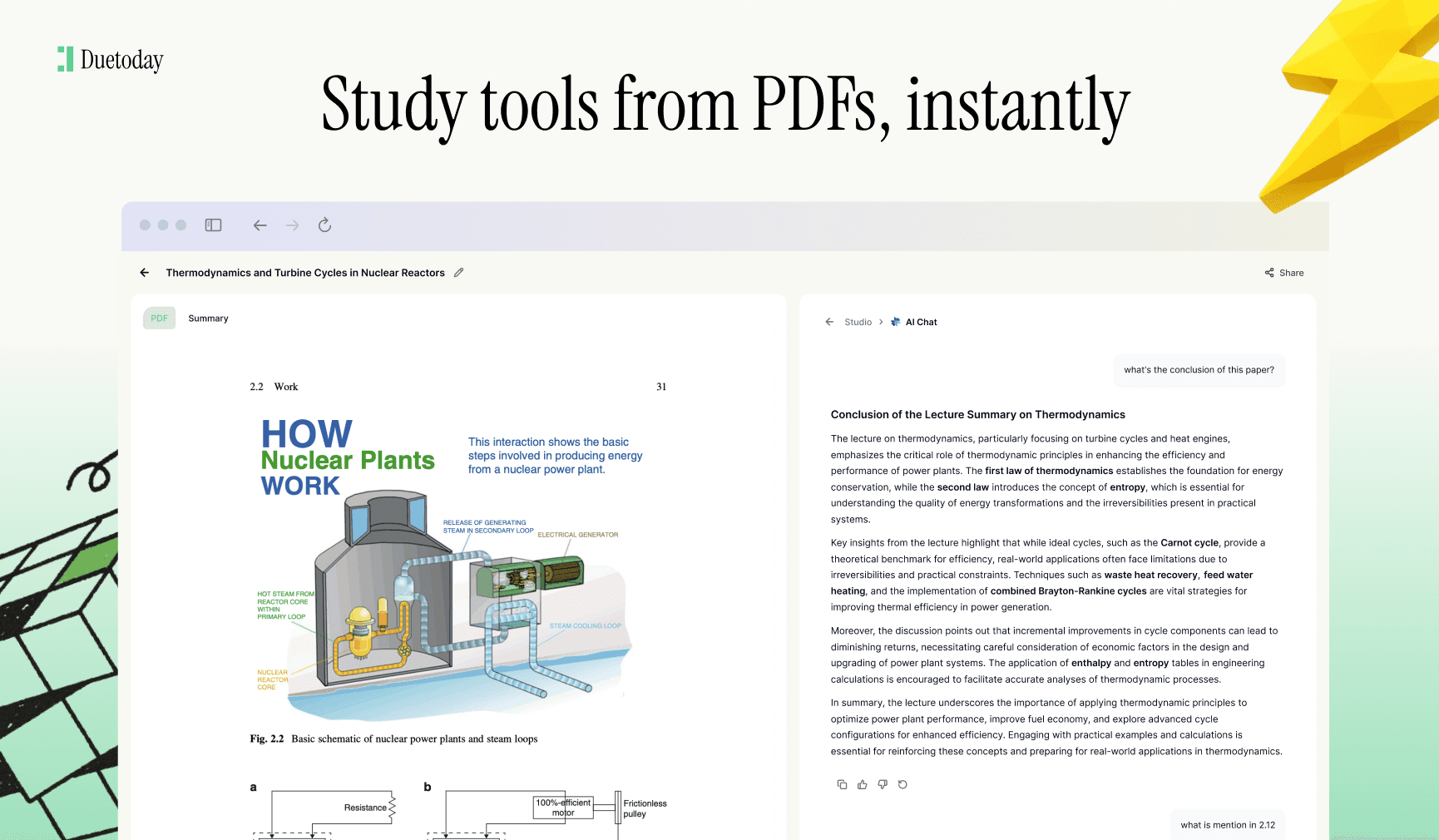
Duetoday makes the process of turning a PDF to topic wise questions seamless by using AI to analyze your documents and categorize content logically. Instead of seeing a wall of text, you get structured quizzes and flashcards that follow the flow of your original document.
TL;DR:
Upload any PDF and let the AI categorize it by topic automatically.
Generate multiple-choice, short-answer, and true/false questions for each section.
Boost retention by studying topic-by-topic rather than reading linearly.
How to do PDF to topic wise questions in Duetoday (step-by-step)
Upload your document: Log into Duetoday and click the upload button to import your PDF, whether it's a textbook chapter, research paper, or lecture notes.
Identify key sections: Once uploaded, the AI will scan for natural breaks in the text. You can manually rename headings to match the specific topics you want to prioritize.
Split by chapters: Use the Chapters feature to divide a long PDF into smaller, manageable chunks. This ensures the questions stay focused on one specific area at a time.
Choose question style: Select between multiple-choice questions (MCQs), short answers, or flashcards depending on how you prefer to test your knowledge.
Select the difficulty: Adjust the settings to generate beginner-level recall questions or advanced application-style prompts.
Filter by topic: Click on a specific chapter or section and select the Generate Quiz option to ensure questions only come from that specific topic.
Customize question count: Choose how many questions you want per topic—generate a quick 5-question check or a deep 20-question dive.
Review and edit: Skim the generated questions. Use the built-in editor to tweak any wording or add specific details from your professor's lectures.
Organize into folders: Keep your topic-wise questions organized by moving them into subject-specific folders within your dashboard.
Switch to Study Mode: Activate the AI Tutor chat to ask follow-up questions about a specific topic if you get a question wrong.
Export for offline use: If you prefer paper study, export your topic-wise question sets to PDF or CSV format.
Practice spaced repetition: Come back to specific topics over time to ensure long-term mastery of the PDF content.
What you can generate from your PDF
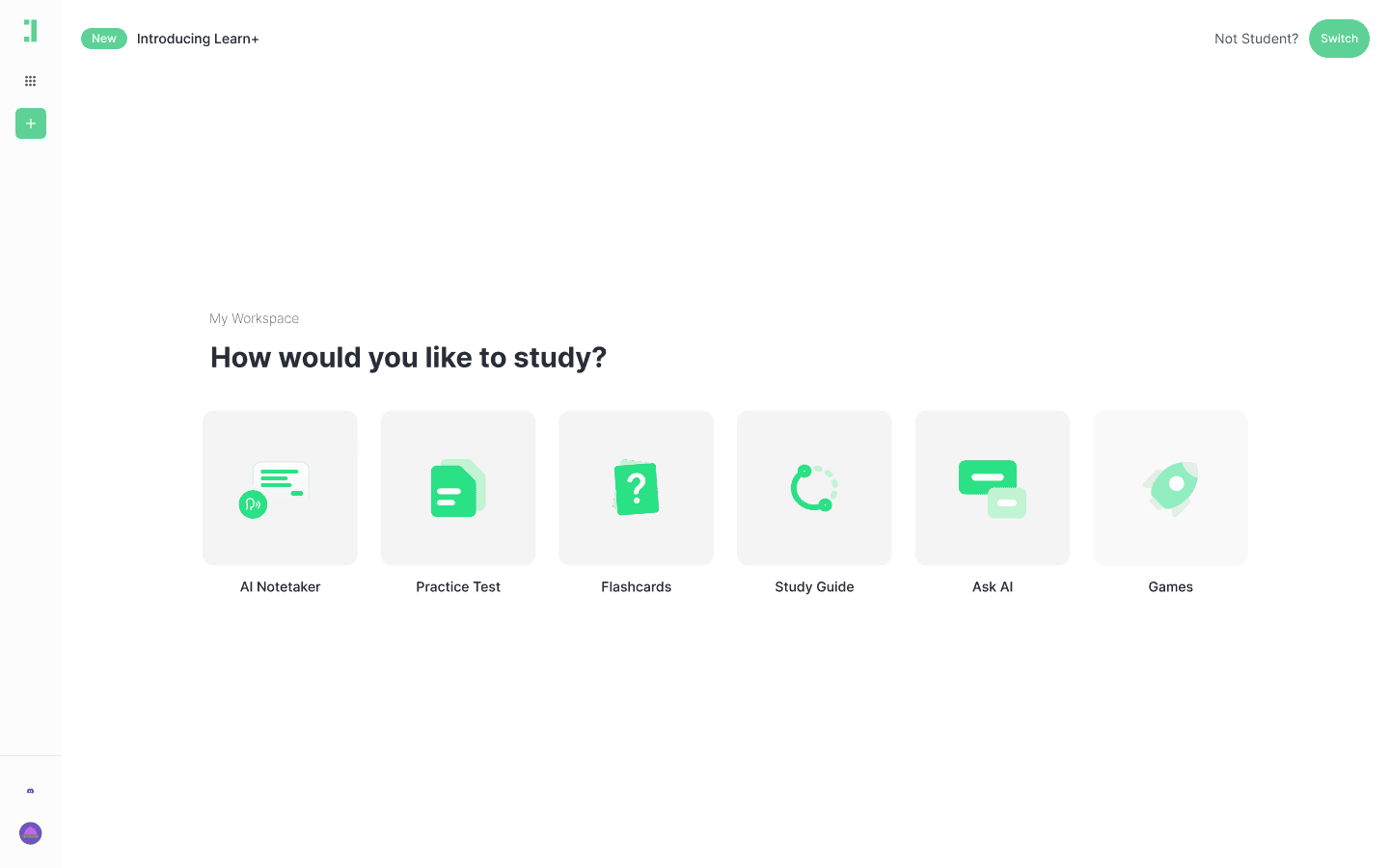
By transforming your PDF to topic wise questions, you aren't just getting a simple list. You can generate a full suite of materials including:
Flashcards: Both definition-based and cloze deletion cards focused on core vocabulary of that topic.
Quizzes: Structured MCQ or short-answer tests that mimic real exam conditions for each chapter.
Topic Summaries: Brief overviews that serve as the foundation for the questions being asked.
AI Tutor Chat: A focused conversation where you can ask, Explain Topic X from this PDF further.
Upload Your PDF Here
Mini example: Photosynthesis Basics
Input: A 3-page PDF overview of the light-dependent and light-independent reactions in plants.
Output (Sample Questions):
Topic 1: The Chloroplast: Where specifically do the light-dependent reactions take place? Answer: Thylakoid membranes.
Topic 2: The Calvin Cycle: What is the primary enzyme responsible for carbon fixation? Answer: RuBisCO.
Topic 3: Energy Carriers: Identify the two main energy-carrying molecules produced in the first stage of photosynthesis. Answer: ATP and NADPH.
Topic 4: Inputs and Outputs: True or False: Oxygen is a byproduct of the Calvin Cycle. Answer: False.
Topic 5: Light Absorption: Which pigment is primarily responsible for absorbing light energy? Answer: Chlorophyll a.
Tips to get higher-quality results
Clean up your PDF: Remove covers, tables of contents, or bibliographies before uploading to keep the AI focused on the actual content.
Use Chapters: If your PDF covers multiple subjects, manually tell the AI where a new topic begins for better question grouping.
Provide Context: Use the AI tutor to specify if you want questions to focus on definitions, applications, or technical formulas.
Splitting Sections: For very dense pages, split the content so the AI doesn't skip over minor but important details.
Troubleshooting
Scanned PDF not reading → Re-upload a higher resolution version or use a text-based PDF rather than a photo-heavy one.
Too many generic questions → Narrow down the chapter selection to a single page to force the AI into the specifics.
Questions are too easy → Adjust the settings to Advanced or request Short Answer questions instead of MCQs.
Output is cut off → Check your internet connection or try refreshing the page; long documents sometimes need an extra moment to process.
Final step
Stop wasting hours manually writing out study questions. Turn your PDF to topic wise questions in seconds and spend your time actually learning. Ready to ace your next exam? Try Duetoday AI today and transform the way you study.

Duetoday is an AI-powered learning OS that turns your study materials into personalised, bite-sized study guides, cheat sheets, and active learning flows.